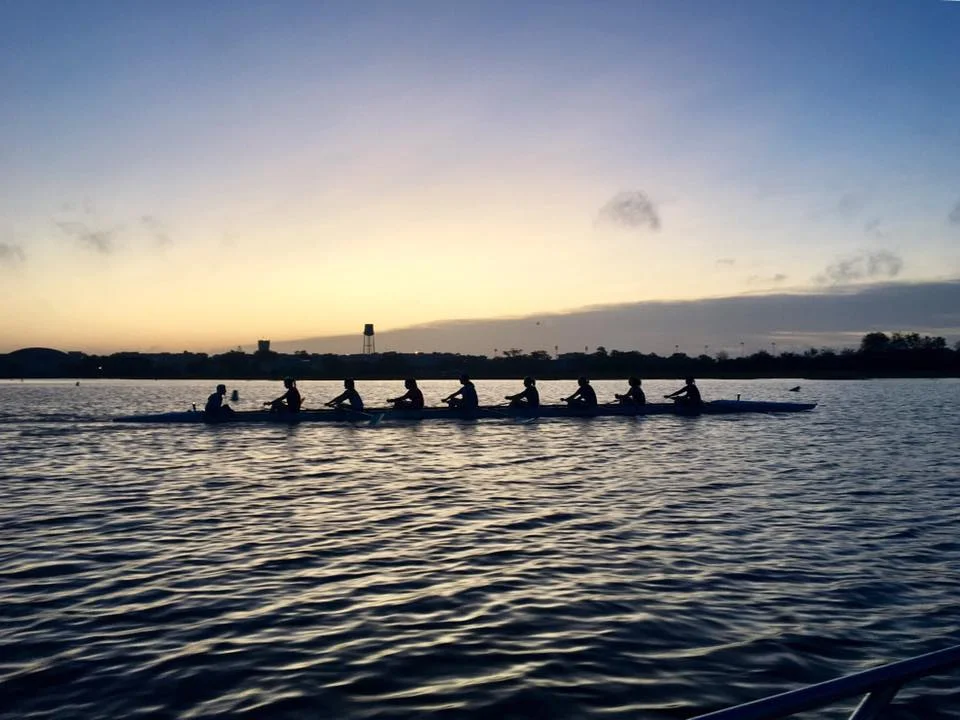
Clemson Sprints Weekend
Coverage and results from the team's trip to Clemson Sprints on Lake Hartwell.
Read More
A non-profit rowing team at the College of Charleston in Charleston, South Carolina.
A cox box is the coxswain’s command centre in a rowing shell. It combines a microphone, amplifier, speaker connection, stopwatch and often a stroke-rate display, allowing the person in the stern to communicate with the crew while keeping the boat organised. For a beginner, the equipment can seem technical, but its purpose is straightforward: clear instructions, accurate timing and safer boat handling.
College rowing clubs often teach coxing alongside rowing technique, so you do not need previous experience with audio equipment. The College of Charleston Crew provides a useful example of a university programme where beginners can become part of a competitive team and learn how equipment supports training and racing.
The cox box receives your voice through a headset microphone and sends it to speakers mounted inside the hull. It may also record elapsed time, display stroke rate and connect to a speed coach or other electronic training device. Before launching, check that the unit is firmly secured and that the speaker cables cannot catch on feet, shoes or riggers.
Your voice should be audible without becoming harsh or painfully loud. Start with the volume low, ask the crew whether they can hear you, and increase it gradually. A coxswain still needs to project naturally, especially during a race; the speaker system should support your voice rather than replace good breathing and clear diction.
Most rowing-specific units use rechargeable batteries, waterproof controls and dedicated speakers designed for a damp shell. When comparing equipment in Australia, prices are commonly listed in Australian dollars, and replacement batteries, microphones and connectors may need to be ordered from specialist rowing suppliers. A second-hand unit can be practical for a developing club, provided the casing, charging port and cables are in reliable condition.
Before every outing, run through a short inspection. Confirm that the battery has enough charge for the session, the microphone sits close to your mouth, and the speaker output is clean. Test the stopwatch and stroke-rate functions on land, then keep the cox box protected from spray when carrying it to the pontoon.
Use short commands with a consistent rhythm. Calls such as “ready all,” “attention,” “row on,” “lengthen,” and “easy there” should be familiar to the crew before they are used at speed. Give one instruction at a time, allowing the rowers enough time to respond. A calm voice helps the crew distinguish essential commands from encouragement.
Australian conditions can affect how you use the system. Many crews train early in Sydney, Brisbane or Perth to avoid the strongest heat, glare and afternoon winds. Keep sunscreen, water and a hat available on the launch or shore, but make sure none of these interfere with the microphone or controls. Wind across an open river can make a speaker sound faint, so face the microphone correctly and avoid covering it with clothing.
Place the microphone a finger’s width from the corner of your mouth. Speaking directly into it can create bursts of air and distortion, especially when saying words beginning with “p” or “b”. Keep the headset stable as the boat moves, and avoid touching the microphone during a call because handling noise travels loudly through the speakers.
If the crew reports feedback, reduce the volume first and check whether the microphone is too close to a speaker. Crackling may indicate moisture, a damaged cable or a loose connection. Never rinse electronic equipment under a tap. Wipe it with a slightly damp cloth, allow it to dry fully and follow the manufacturer’s charging instructions.
Race-day preparation should happen before the boat reaches the start area. Check the course briefing, confirm the race distance and agree on calls with the coach and crew. The cox box should help you maintain rhythm and timing, while steering and situational awareness remain your primary responsibilities. Review club updates and race information through the team’s rowing news before travelling to a regatta.
Australian waterways have different local requirements. A club rowing on the Yarra in Melbourne may follow rules different from a crew on Sydney Harbour, the Brisbane River or a regional lake. Check the relevant state waterway authority, club procedures and event instructions, including requirements for lights, safety equipment and launch operations. Personal flotation equipment and other safety rules can vary by vessel, location and activity, so the coxswain should never assume that a practice arrangement meets every legal requirement.
The best way to learn is through repeated short sessions. Begin by calling during warm-ups, steering in calm water and reviewing recordings or coach feedback afterwards. Learn each rower’s name, seat position and preferred communication style. The team’s current roster can help you understand who is in the boat and how crew combinations may change.
Keep a simple log of battery performance, microphone issues, weather and calls that worked well. In Australia, where morning dew, salt air and sudden rain can be part of ordinary training, careful drying and storage will extend the life of the system. With consistent checks and clear communication, the cox box becomes less of a gadget and more of a dependable link between the coxswain and the crew.
College of Charleston Crew fields competitive eights and fours in both Fall head races and Spring sprint regattas across the Southeast.
Learn MoreRecent news, recaps, and announcements from the team.
Coverage and results from the team's trip to Clemson Sprints on Lake Hartwell.
Read More
Spring lineup including Clemson Sprints, SIRA, Dad Vail, and ACRA National Championship.
Read More
Previews and recap of past Head of the Charles appearances, including the 50th annual regatta in 2014.
Read MoreTeam practice, regatta dates, and meetings are listed on the team calendar. Coaches post weekly schedules and travel details for upcoming race weekends.
Charleston Crew / CCAA
PO Box 12941
Charleston, SC 29422
Email: info@cofccrew.org
Phone: 843.513.5900
Phone: 843.276.4241
Interested in joining the team? Fill out the recruitment form and the coaches will follow up.