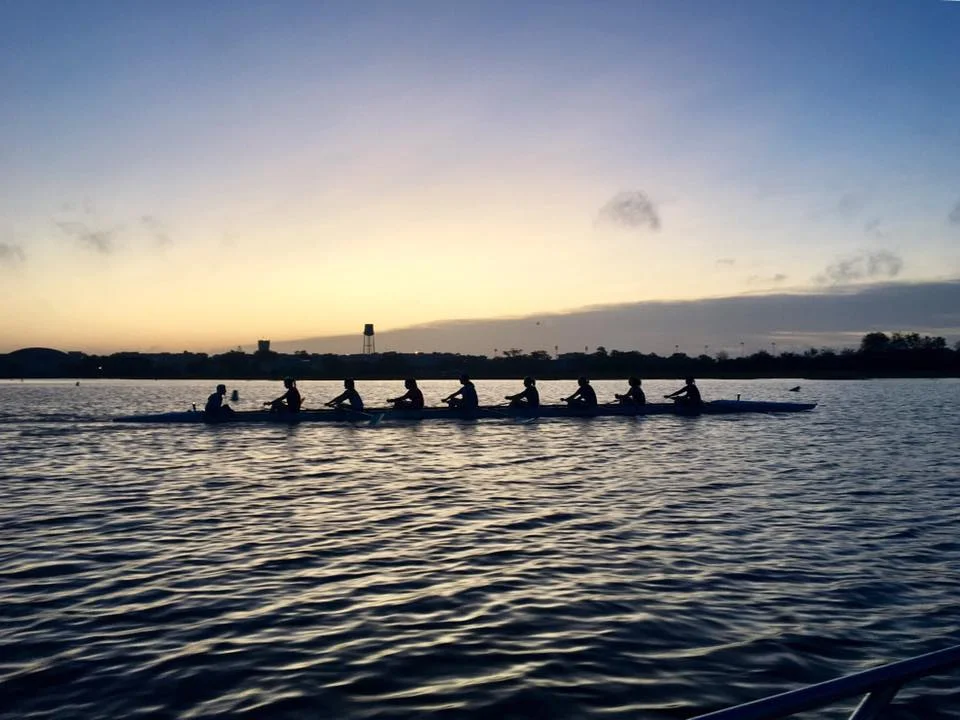
Clemson Sprints Weekend
Coverage and results from the team's trip to Clemson Sprints on Lake Hartwell.
Read More
A non-profit rowing team at the College of Charleston in Charleston, South Carolina.
A coxswain does more than point a boat in the right direction. The role combines steering, stroke-rate calls, traffic awareness and emergency planning. A good coxswain gives the crew clear instructions they can follow despite wind, waves, fatigue or the pressure of competition.
Charleston’s Wando River offers demanding conditions, with changing tide, broad channels and boat traffic near the harbour. Steering well means reading those conditions early and making small corrections rather than waiting until the shell is already off course.
The same principles apply across Australia, from the busy lanes of Sydney Harbour to the protected waters of Canberra’s Lake Burley Griffin. Adaptation matters, but calm communication and sound preparation remain the foundation of effective coxswain leadership.
In a coxed shell, the coxswain steers while the rowers provide the power. The cox also calls the stroke rate, identifies hazards and decides when the boat should speed up, slow down or stop. Weather, current and the behaviour of nearby craft all influence those decisions.
On the Wando, a coxswain should think ahead several boat lengths. The channel may look calm before a crosswind pushes the shell towards another crew or a moored vessel. Early, restrained course adjustments are safer than abrupt corrections that destabilise the boat.
Photos can help rowers understand the equipment and atmosphere they are entering. The team photo archive offers visual context for the College of Charleston program and its approach to collegiate rowing.
Tide can shape a row more than wind. As water moves through the Wando towards and from Charleston Harbour, the current alters boat speed and the amount of steering required. A coxswain who ignores this may spend the outing correcting a course that is already being carried sideways by the river.
Official tide tables should be checked before every launch, alongside the wind forecast and any marine warnings. Lightning, thunderstorms and strong gusts require clear limits established with the coach. Suspending a session is responsible decision-making, not a failure to complete training.
Traffic also changes with location and time. A quiet training reach can become crowded near launches, bridges and harbour entrances. Australian rowers encounter similar contrasts: commuter ferries and sailing clubs share Sydney Harbour, while Melbourne’s Yarra and Port Phillip can produce sharp wind shifts and stronger tidal flow.
The most useful coxswain call is the one every rower understands. Stroke-rate changes should be brief, distinct and given with enough warning for the crew to adjust together. “Easy,” “medium” or “full pressure” may mean little to a beginner unless the coach has established what those words mean in practice.
Good calls also describe the immediate task. “Hold pressure,” “move over” or “eyes in” tells rowers what to do without overloading them with explanation. Australian club crews often rely heavily on volunteer coaches and peer-led sessions, so consistent terminology becomes especially valuable when visiting coaches or guest rowers join the boat.
Clear communication extends beyond the shell. Before launching, the coxswain should confirm the route, launch point, emergency procedure and responsibilities of the safety boat. Information about the squad, coaching staff and regatta activities is available through the official crew website.
Australian waterways require coxswains to consider local traffic, weather rules and rescue arrangements. Sydney Harbour demands close attention to ferry timetables and commercial traffic, while Canberra’s Lake Burley Griffin is protected but still affected by sudden winds. In Melbourne, rowers must also account for river traffic and changing conditions across Port Phillip.
Legal requirements differ between states and territories. Clubs operating in New South Wales, for example, navigate marine and waterways legislation, including the Marine Safety Act 1998 and applicable navigation regulations. Victorian activities fall under the Marine Safety Act 2018. Race organisers and clubs should also maintain risk-management plans, first-aid arrangements and event-specific exclusion zones.
Local market and fundraising habits shape preparation too. Australian crews source equipment through specialist rowing suppliers and community retailers, while clubs often raise money through raffles, sausage sizzles and bottle drives. Fundraising prizes may come from supermarkets such as Coles or Woolworths, but any public activity should follow council permit and safety requirements.
The coxswain should know who can stop the outing, where emergency services can reach the launch and how to summon help if a rower becomes ill. In summer, water, sunscreen, hats and UV protection are practical necessities, especially on exposed water such as the Wando.
Before the start, thorough preparation prevents small uncertainties from becoming race-day problems.
A successful coxswain creates a boat that moves predictably. By preparing the route, understanding the river and giving precise calls, the cox allows the crew to concentrate on rowing while maintaining control of speed, direction and safety.
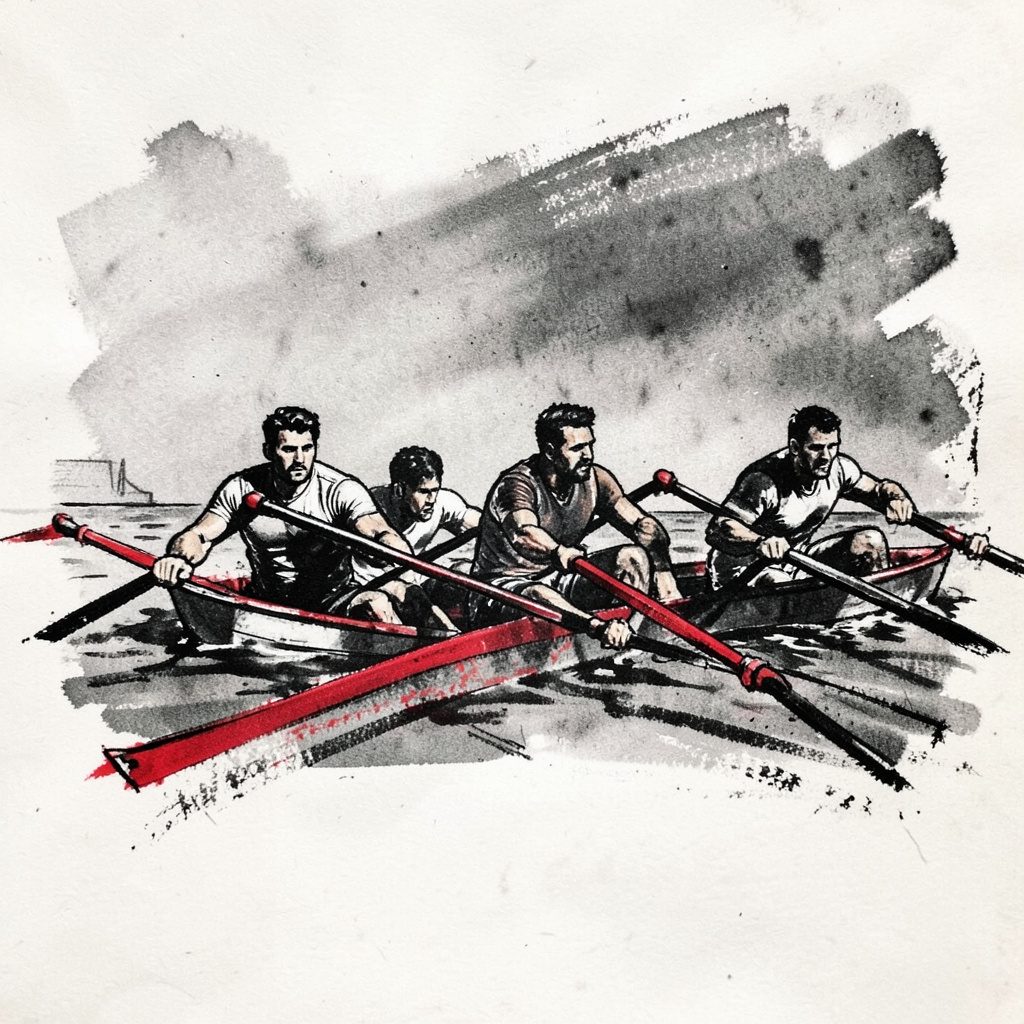
College of Charleston Crew fields competitive eights and fours in both Fall head races and Spring sprint regattas across the Southeast.
Learn MoreRecent news, recaps, and announcements from the team.
Coverage and results from the team's trip to Clemson Sprints on Lake Hartwell.
Read More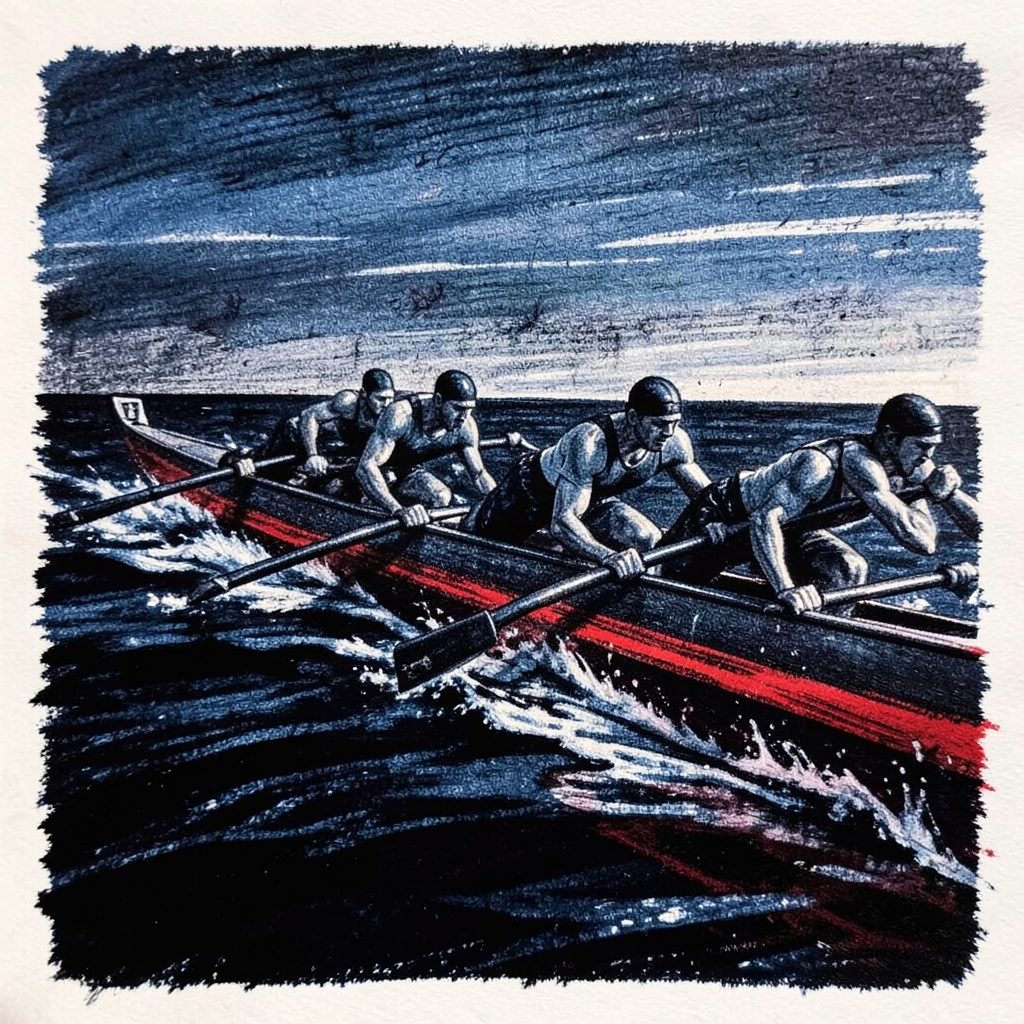
Spring lineup including Clemson Sprints, SIRA, Dad Vail, and ACRA National Championship.
Read More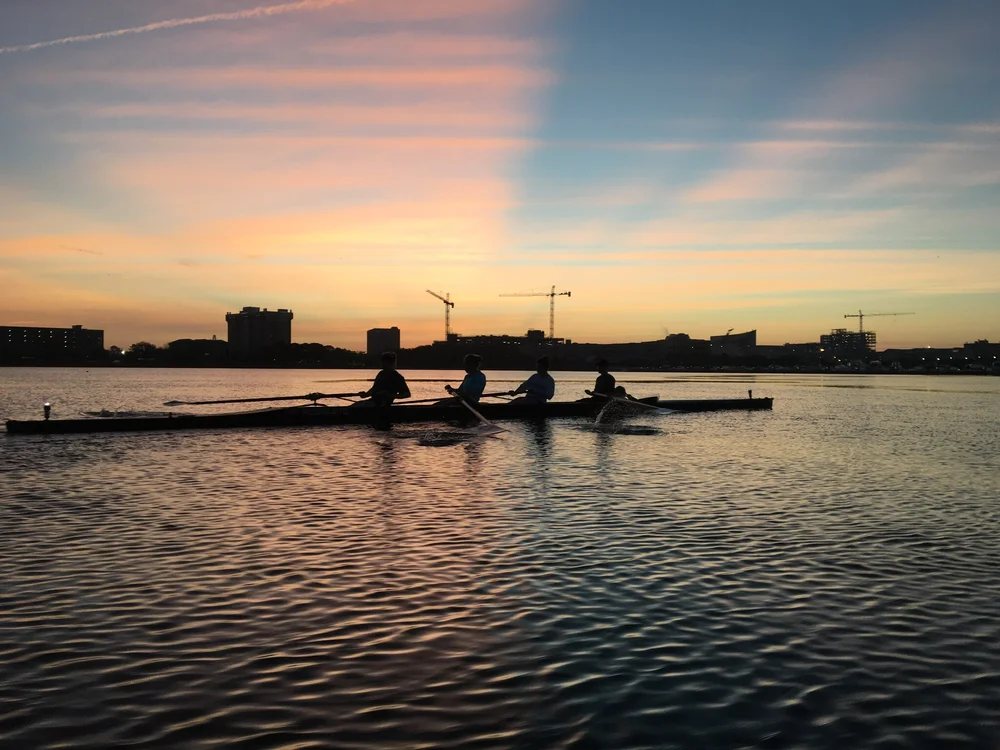
Previews and recap of past Head of the Charles appearances, including the 50th annual regatta in 2014.
Read MoreTeam practice, regatta dates, and meetings are listed on the team calendar. Coaches post weekly schedules and travel details for upcoming race weekends.
Charleston Crew / CCAA
PO Box 12941
Charleston, SC 29422
Email: info@cofccrew.org
Phone: 843.513.5900
Phone: 843.276.4241
Interested in joining the team? Fill out the recruitment form and the coaches will follow up.