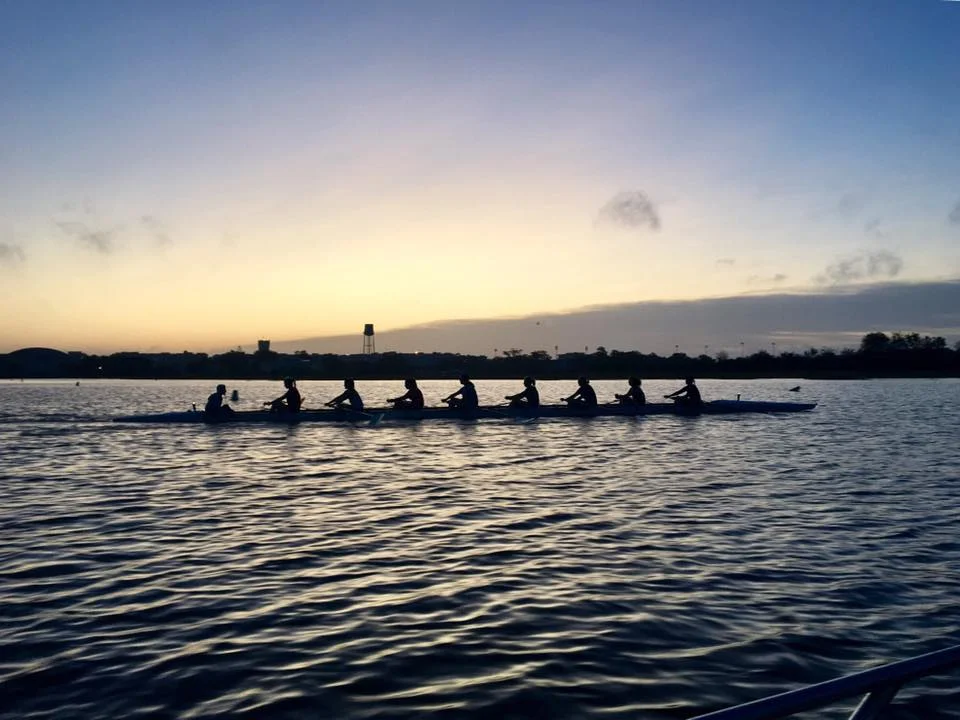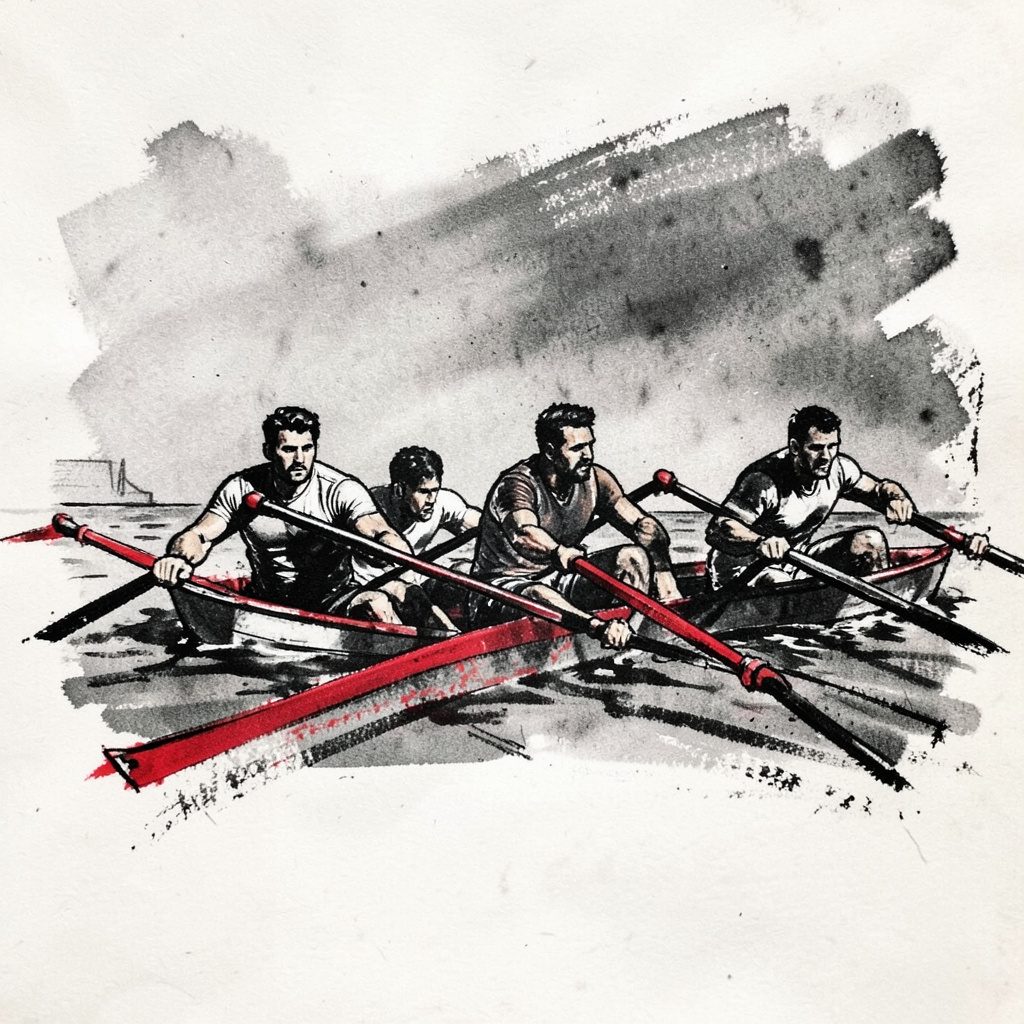
Clemson Sprints Weekend
Coverage and results from the team's trip to Clemson Sprints on Lake Hartwell.
Read More
A non-profit rowing team at the College of Charleston in Charleston, South Carolina.
Every autumn, the College of Charleston Crew Team opens its doors to students who have never held an oar. Walk-on recruitment is built around curiosity, commitment and a willingness to learn, rather than an impressive rowing résumé. Learn more about A Beginner S Guide To Rowing On The Cooper River.
The timing is different from the Australian university calendar. While students in Sydney, Melbourne or Brisbane often begin a new academic year in February, our main intake follows the American autumn semester. That makes the first weeks of term especially important for meeting new students and explaining how club rowing fits around university life.
Our programme welcomes experienced athletes, complete beginners and students who discover rowing through a campus activity fair. Training takes place in Charleston, South Carolina, where the Cooper River provides a memorable setting for learning boat skills, fitness and teamwork.
The team also competes across the Southeast and along the U.S. East Coast. Students can learn more about our history, officers, coaches and regatta schedule through the College of Charleston Crew website, then meet members in person before deciding whether to join.
Recruitment starts where students naturally gather: orientation events, club fairs, residence halls, student organisation showcases and informal team activities. Returning rowers speak about early-morning sessions, regatta travel and the friendships formed in the boat, while novice members explain what their first weeks actually felt like.
That peer-to-peer contact matters for Australian students who may be used to O-Week stalls and club sign-ups before semester begins. A student from Perth or Adelaide might initially assume rowing requires years of school competition, so our conversations focus on transferable qualities such as endurance, coachability, reliability and an interest in trying something unfamiliar.
A walk-on does not need to arrive knowing the difference between a catch and a finish. New members learn rowing terminology, posture, balance and sequencing step by step, with coaches and experienced athletes offering practical feedback during land training and water sessions.
Our beginner resources also help students picture the setting before their first practice. The beginner rowing guide explains what a new rower can expect on the Cooper River, from preparation on shore to the rhythm of working as part of a crew.
Recruitment works best when expectations are straightforward. Rowing involves regular training, early starts, physical effort, equipment care and attendance at competitions. Students hear about these responsibilities before joining so they can compare them with classes, part-time work and other commitments.
For an Australian audience, the contrast with casual social sport is useful. A rowing club may require more planning than a weekend game of footy or a drop-in gym session, particularly when travel includes regattas in cities such as Savannah, Atlanta or Washington. The reward is a structured team environment with visible progress.
The first phase is designed to build a common foundation. Beginners and experienced athletes train together in suitable groups, developing fitness and boat awareness while coaches assess technical ability, effort and consistency.
New members generally find that improvement comes quickly when they attend regularly. The process is less about proving talent on day one and more about learning safely, supporting teammates and responding positively to instruction.
A prospective rower learns as much from the team’s culture as from a training session. Shared breakfasts, equipment work, travel preparation and post-practice conversations show how athletes support one another beyond the boat.
That culture has familiar parallels for students from Australia, where university sport often blends competition with community. Whether someone comes from a surf club in Newcastle, a school rowing programme in Melbourne or no organised sport at all, the aim is to create a place where effort and reliability are valued.
Students considering a walk-on place should look realistically at the semester ahead. American autumn can coincide with major assessment periods, campus events and changing daylight, while students accustomed to Australia’s February intake may need time to adjust to a different academic rhythm.
Costs are discussed openly as well. Students may need to plan for club fees, travel, meals and suitable training clothing, just as Australian athletes compare registration costs, GST-inclusive equipment prices and transport expenses. A basic kit can be assembled gradually rather than purchased all at once.
Safety and privacy are treated seriously throughout the process. Students should share relevant health information with the appropriate staff, and communication uses responsible contact practices that align with the privacy expectations familiar under Australia’s Privacy Act, even though the team operates under U.S. campus policies.
The final stage is simple: attend an information session, speak with current rowers and come to a beginner-friendly practice where available. Coaches can explain training groups, competition opportunities and the difference between recreational participation and a more demanding racing commitment.
Students who are ready to ask about dates, eligibility or joining procedures can use the team’s contact page. The walk-on pathway is designed to give each newcomer a fair chance to discover whether rowing suits their goals, schedule and appetite for team competition.
College of Charleston Crew fields competitive eights and fours in both Fall head races and Spring sprint regattas across the Southeast.
Learn MoreRecent news, recaps, and announcements from the team.
Coverage and results from the team's trip to Clemson Sprints on Lake Hartwell.
Read More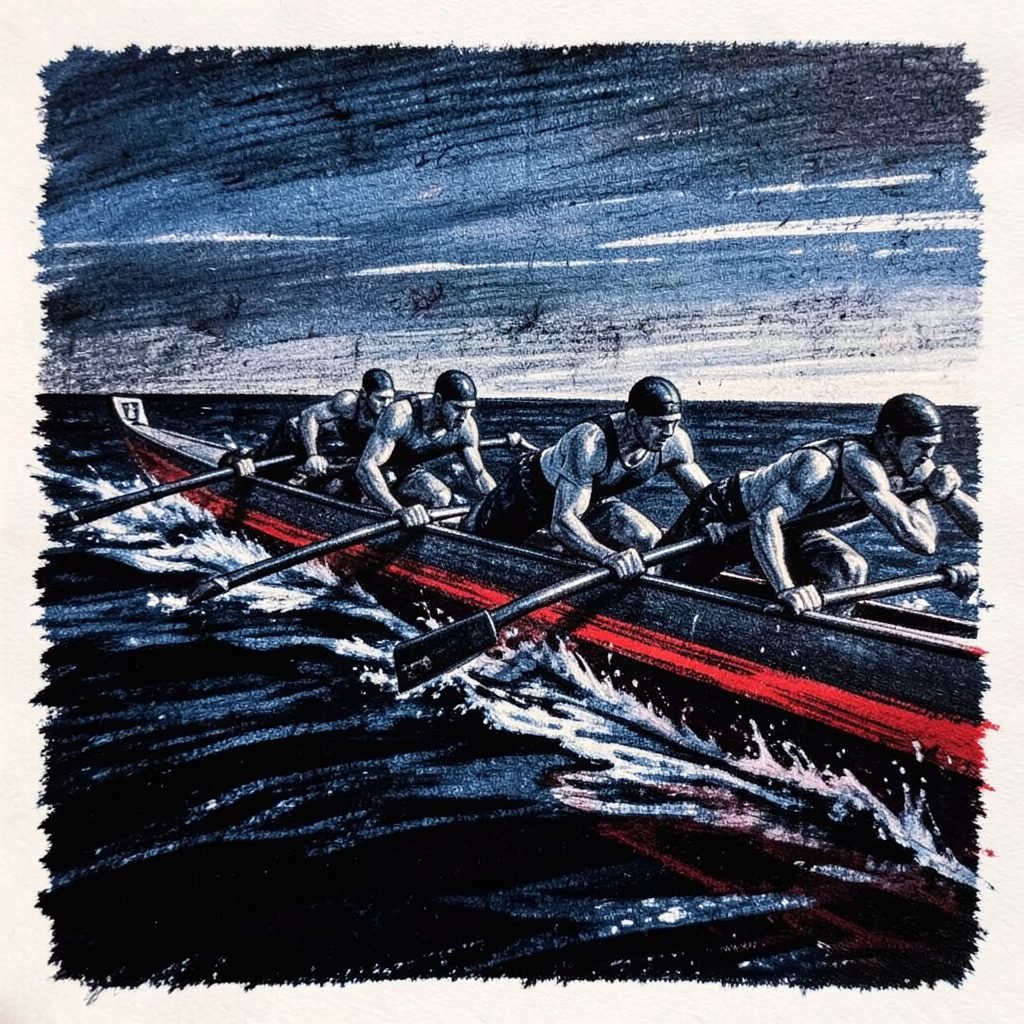
Spring lineup including Clemson Sprints, SIRA, Dad Vail, and ACRA National Championship.
Read More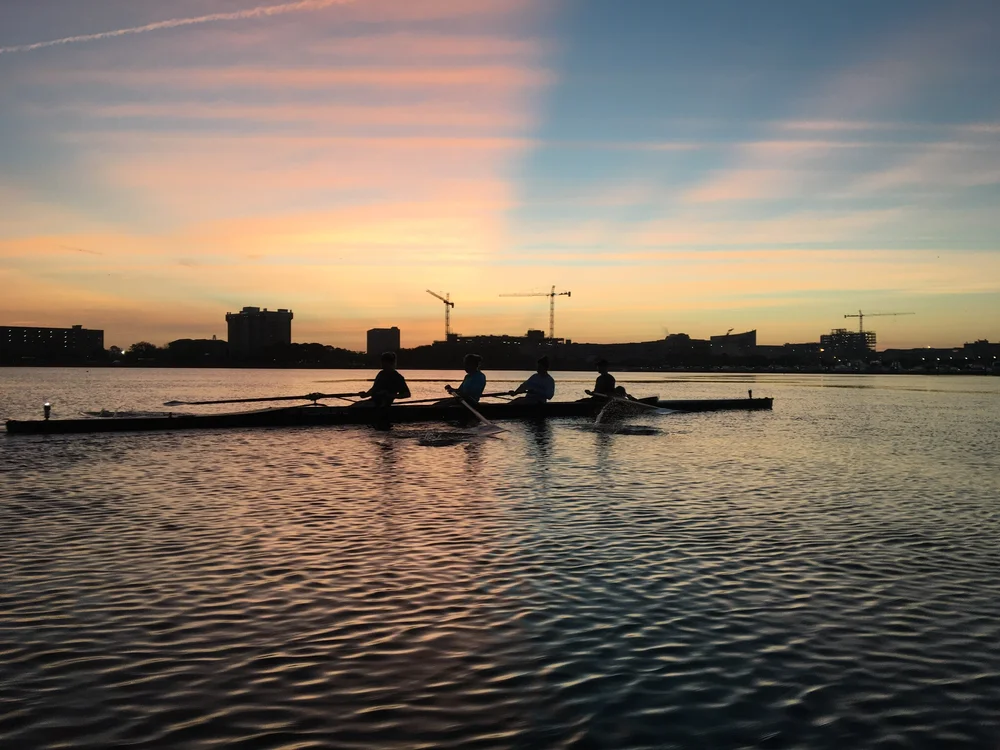
Previews and recap of past Head of the Charles appearances, including the 50th annual regatta in 2014.
Read MoreTeam practice, regatta dates, and meetings are listed on the team calendar. Coaches post weekly schedules and travel details for upcoming race weekends.
Charleston Crew / CCAA
PO Box 12941
Charleston, SC 29422
Email: info@cofccrew.org
Phone: 843.513.5900
Phone: 843.276.4241
Interested in joining the team? Fill out the recruitment form and the coaches will follow up.