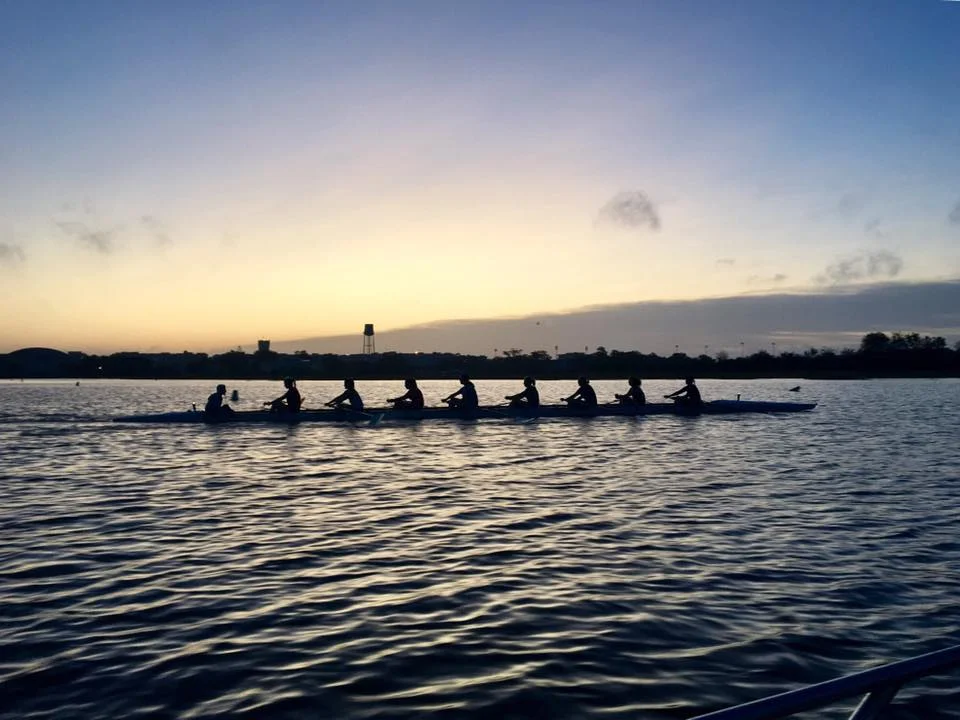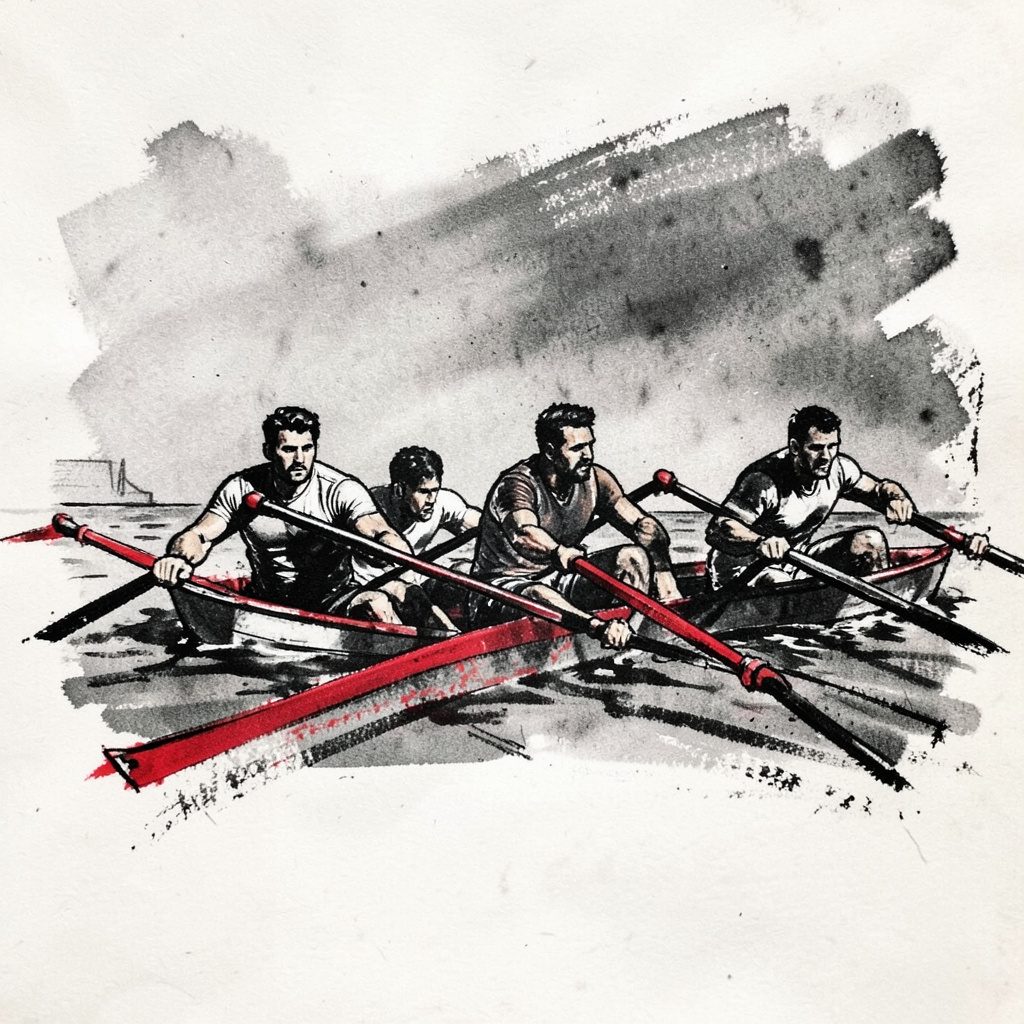
Clemson Sprints Weekend
Coverage and results from the team's trip to Clemson Sprints on Lake Hartwell.
Read More
A non-profit rowing team at the College of Charleston in Charleston, South Carolina.
Leadership in a rowing shell doesn't sit with the loudest voice or the tallest frame. It comes from the rower who understands the boat, respects the rhythm, and earns the trust of everyone else in the crew. At programs across the U.S. and back home in Australia, becoming a boat captain is less about a formal title handed out at the start of the season and more about the steady preparation that makes a crew say: "We want that person up the front." Learn more about Coaches.
Australian rowing culture frames this well. The sport thrives from Sydney Harbour down to the Yarra, from the tidal reaches of the Brisbane River to the calm stretches of the Torrens in Adelaide. Clubs like Sydney University Boat Club and Mercantile Rowing Club in Melbourne have long reputations for producing leaders who win Heads of the River, Henley-on-Yarra, and interstate regattas. Australian crews tend to demand a particular kind of captain — someone who can call a race, manage a squad, and still be first to drag the boat down to the pontoon at 5:30 in the morning. Learn more about Schedule.
The College of Charleston Crew Team works in much the same spirit. The team keeps a busy calendar, racing in regattas through the Southeast and up the East Coast, and welcomes beginners alongside experienced rowers. That mix of backgrounds means leadership roles take a few different shapes: squad captains handling team-wide duties, boat captains running a specific shell, and coxswains guiding the crew from the stern. Learn more about Cofccrew.org.
This guide walks through what those roles involve, the skills rowers build to step into them, and the practical steps to put your hand up when nominations come around. You'll come away with a clear idea of what a captain is responsible for and how to start working towards it long before anyone offers you the job.
A boat captain is the rower who takes ownership of a specific shell, the athletes who sit in it, and the way that combination performs. On a club team like College of Charleston Crew, the title can sit alongside the squad captain role, with one person handling program-wide duties and another looking after the daily running of a particular boat.
The role is closer to a working foreman than a figurehead. A captain checks riggers before launch, makes sure footboards are set, notices when a rower's blade is late on the drive, and talks through technique between pieces. They are also the person rowers go to when they're unsure about a call, a seat change, or how to handle a disagreement inside the crew.
Daily responsibilities that keep the crew moving
A good captain also bridges the gap between athletes and coaches in a way that protects the culture of the program. When feedback is hard to hear, the captain helps frame it. When a rower is struggling with form, the captain can offer a correction in plain language that often lands better than a whistle from the launch.
You don't wake up one morning as a captain. The work starts the moment you join a crew, whether you've rowed for a decade or you're a first-year novice sitting in an eight for the first time. Australian rowers often hear the phrase "earn your stripes" — the same idea applies in college programs in the southern U.S., where stripes come from showing up, listening, and putting in the technical reps.
The first skill to grow is stroke rhythm. Captains sit in the stroke seat or near it, and they set the rate the boat swings at. That means understanding what a 24, a 28, and a 32 feel like without looking at the stroke coach. It also means keeping your own catch clean even when you are tired, because the rest of the crew mirrors the person sitting in front of them.
Decision-making comes next. Captains need to call a move: when to push at the start, when to settle into a base rhythm, when to bring it back for a piece. These calls happen mid-race, when there is no coach shouting from a launch and no time to think. Practising them in training — by leading short intervals, running starts, or organising a 2k test on the erg — builds the muscle memory so the calls become automatic.
No captain works alone. Every successful crew relies on a three-way relationship between the coach, the coxswain, and the boat captain. Each one holds different information, and the captain's job is to make sure that information flows cleanly. The coach sees the big picture and the season plan. The coxswain steers, calls the race, and handles the crew's safety. The captain translates what those two need into the language rowers use on the water.
For rowers keen to take on a captaincy, meeting the coaching staff early gives a head start. Showing up to a coach's office hours, asking smart questions about the program, and being open about your own goals all build the kind of trust that gets you considered when leadership roles open up.
Calls a captain coordinates on race day
A captain also manages the social side of the crew. Rowers across Australian programs and American college teams alike will tell you that boats which train, eat, and travel together race faster. A captain helps organise team dinners, keeps an eye on athletes carrying injuries or stress, and makes sure new rowers feel welcome at the boat club.
Race weekends are where a captain's preparation shows up. From the moment the trailer gets unloaded at a regatta venue to the last piece of kit packed back in, the boat captain is often the person doing the heaviest lifting. They know where the dock is, how the launching ramp works, what time warm-ups begin, and which heats the crew is in. That knowledge keeps the boat moving when the rest of the team is still figuring out parking.
The regatta schedule for the College of Charleston Crew Team shows how a season builds: spring sprints in the Carolinas, summer racing on the East Coast, and head races in autumn. Studying that calendar in advance lets an aspiring captain plan travel, kit lists, and which crew members to put in the trailer for each event.
Voice matters as much as logistics. Captains who sound calm on the dock when things go wrong — a missed trailer, a broken oarlock, a last-minute lineup change — set the tone for the entire squad. The way the captain speaks between heats often matters more than anything said in the boat itself.
When the time comes to nominate a new captain, crews choose rowers who have already been doing the job informally for a season. If you want to be in the running, the steps are practical rather than political. Arrive early, stay back to help pack up, learn the names of every athlete in the program, and ask the coxswain and coach for honest feedback after each outing.
Keep across what's coming up by checking the main team site regularly, talk to current captains about what they wish they had done differently, and offer to run a small piece of a session in front of the coach. Small actions build a clear case for the role, and by the time nominations roll around, the rest of the crew usually makes the decision easy.
College of Charleston Crew fields competitive eights and fours in both Fall head races and Spring sprint regattas across the Southeast.
Learn MoreRecent news, recaps, and announcements from the team.
Coverage and results from the team's trip to Clemson Sprints on Lake Hartwell.
Read More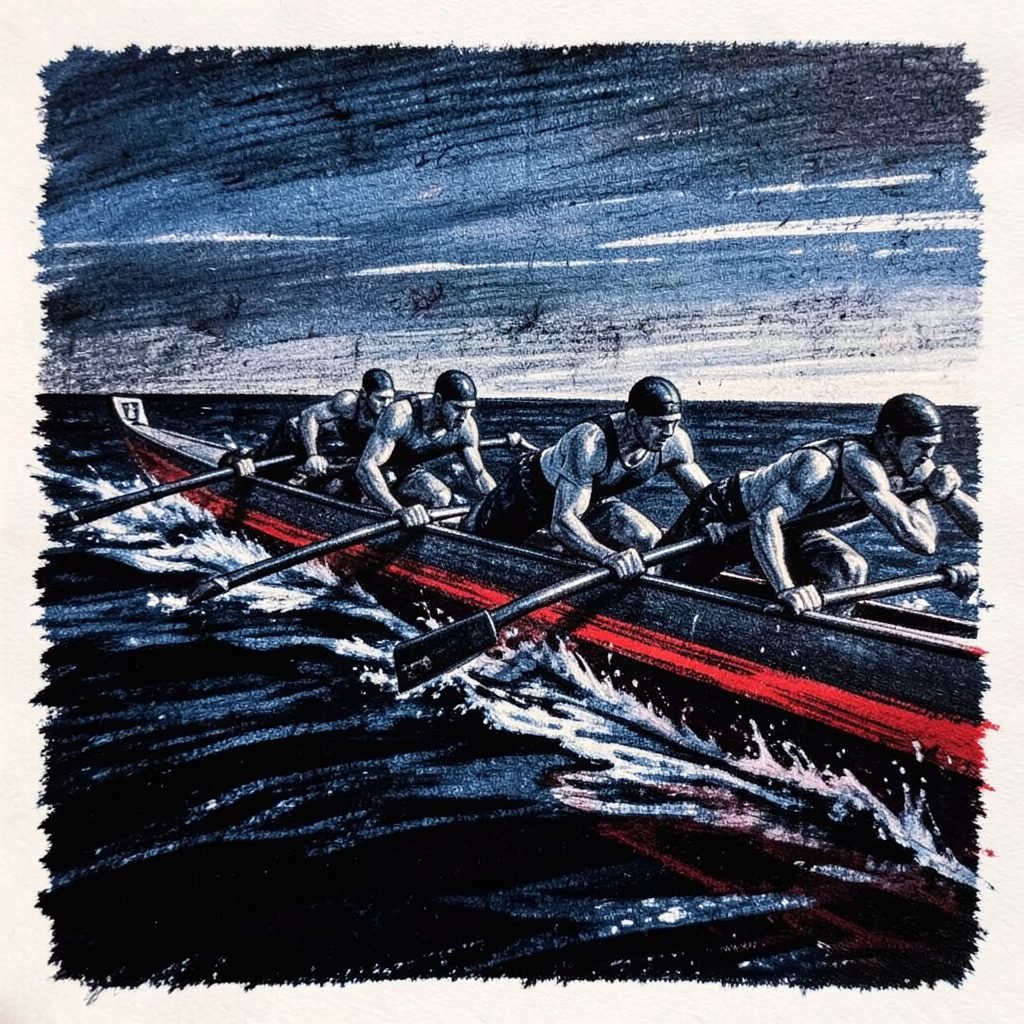
Spring lineup including Clemson Sprints, SIRA, Dad Vail, and ACRA National Championship.
Read More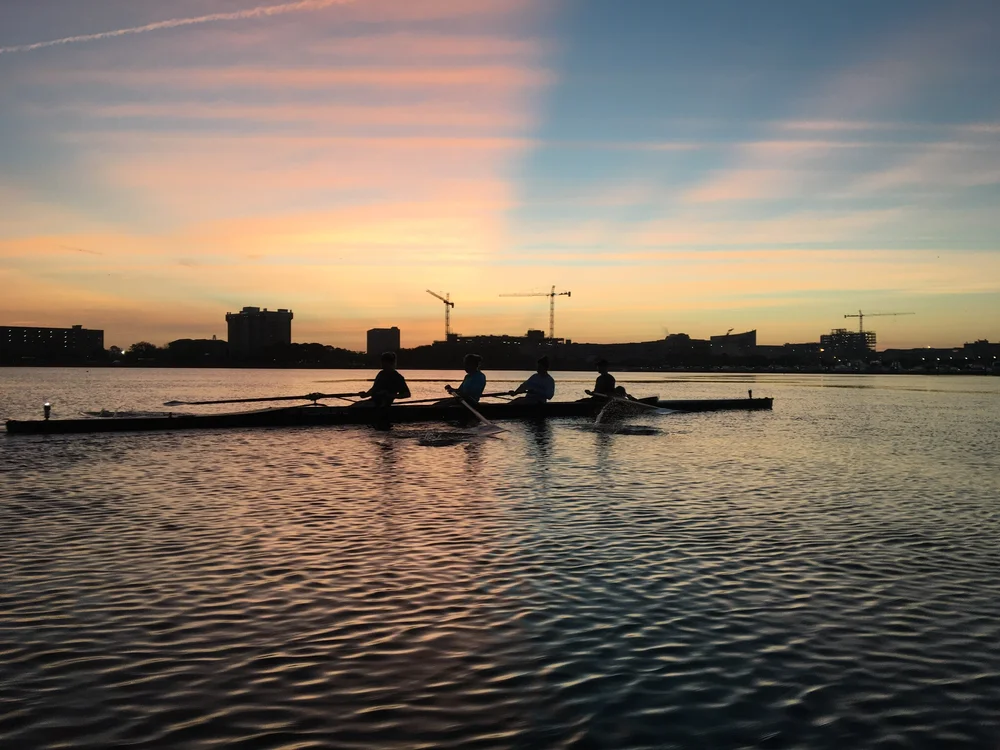
Previews and recap of past Head of the Charles appearances, including the 50th annual regatta in 2014.
Read MoreTeam practice, regatta dates, and meetings are listed on the team calendar. Coaches post weekly schedules and travel details for upcoming race weekends.
Charleston Crew / CCAA
PO Box 12941
Charleston, SC 29422
Email: info@cofccrew.org
Phone: 843.513.5900
Phone: 843.276.4241
Interested in joining the team? Fill out the recruitment form and the coaches will follow up.