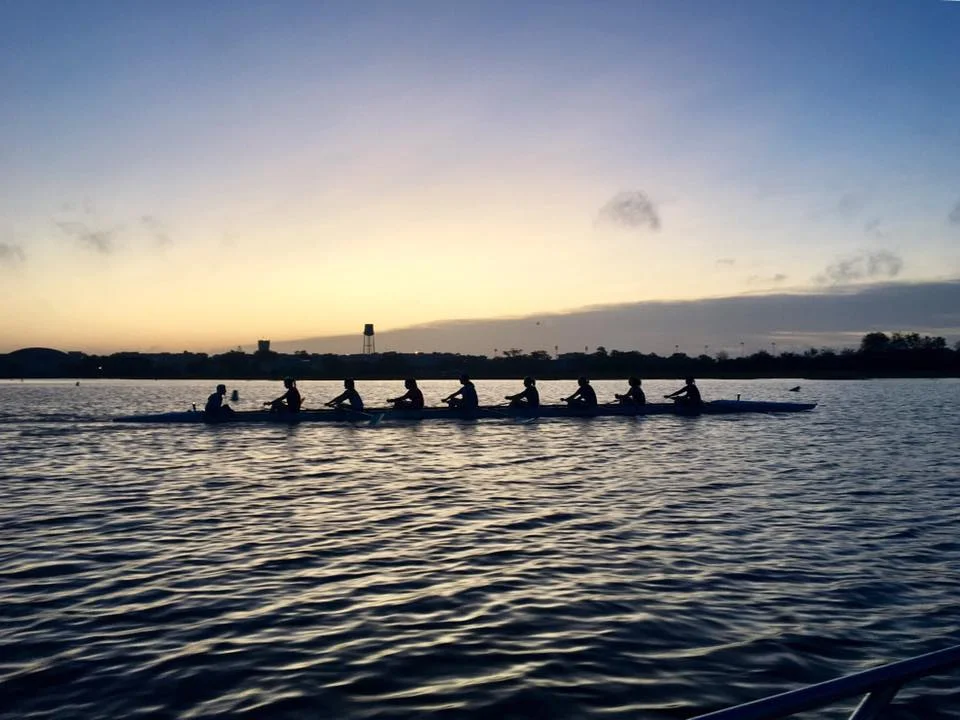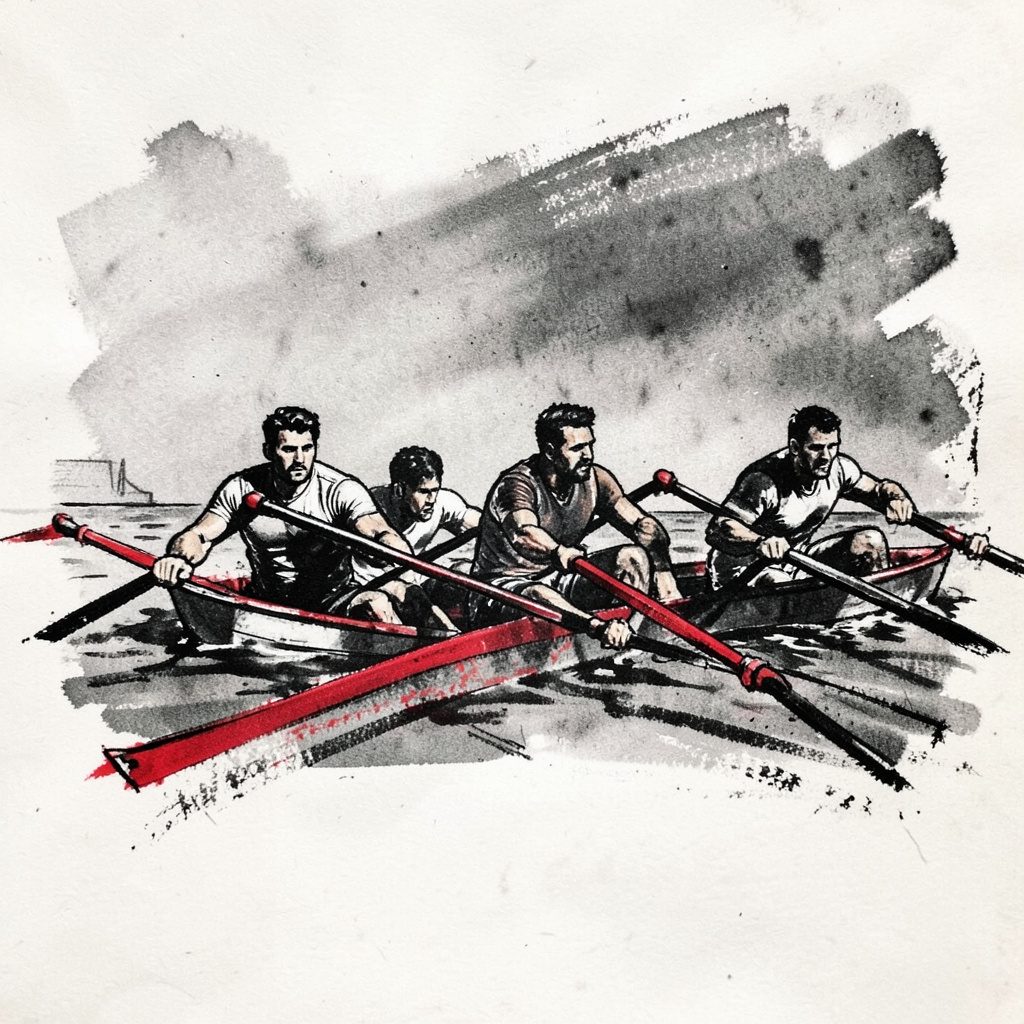
Clemson Sprints Weekend
Coverage and results from the team's trip to Clemson Sprints on Lake Hartwell.
Read More
A non-profit rowing team at the College of Charleston in Charleston, South Carolina.
Choosing the right oar length for your height is a useful starting point, but it is not the final word. Oar length changes how far a rower reaches at the catch, how the handle meets the body and how comfortably the stroke can finish. Too long and you may compromise balance; too short and your legs can drive without a full, connected pull.
Australian rowers generally work in centimetres, so the same principles apply to sweep rowing and sculling across local clubs. When reading an American oar listing, 380 cm is roughly 12 feet 6 inches, a useful conversion for checking a shaft length. The key question is not simply “How tall am I?” but “What does this oar need to do in this boat, with this rower?”
A shaft must match the boat’s rig. Sweep rowers use one long oar on a spreader; scullers use two shorter oars. The oarlock position, seat height and fin setup are built into the shell, so swapping a scull for a sweep oar without changing the rig can spoil the stroke. Begin by asking what equipment the crew actually uses.
| Setup | Typical adult shaft length | Starting clue | Main caution |
|---|---|---|---|
| Sweep oar | 370–395 cm | Longer reaches often point to the upper end | The shell’s rigging must support that length |
| Sculling oar | 285–320 cm | Shorter reaches often point to the lower end | Handle comfort and boat balance matter as much as height |
If you are visiting Charleston, the College of Charleston crew is a useful place to ask about beginner sessions and coach-led fittings; the program welcomes experienced rowers and newcomers alike.
Height is useful because reach and leg drive are broadly linked. A taller rower may need more shaft, while a shorter rower can often produce an effective stroke with less. But limb proportions vary, so two athletes of the same height may need different lengths.
Treat the figures above as a general range, not a prescription. Compare the recommended length for your height with the boat’s fixed setup, then try the closest option. Leg length, torso shape and shoulder mobility also influence the ideal fit, so no universal calculator replaces an on-water check.
Sit tall with your knees compressed and imagine taking the front catch. Your arms should be straight, the handle comfortably in front of your body and your shoulders relaxed. During the drive, the handle should travel close to the torso and finish near the lower ribs without pinching your body. If it arrives too early, the rower may rush the arms; if it stays too far away, balance and timing suffer.
Do not choose by arm span alone. Compare the inboard length, from the oarlock to the loom, with the outboard length, from the oarlock to the blade tip. These proportions determine leverage. A coach can check the handle height and blade position; on a sweep boat, the spreader grip and feathering also matter. If the fit feels off, no worries—just have it adjusted before settling into a hard piece.
Fixed-length sweep oars are straightforward once rigged and suit crews with a settled lineup. Adjustable sculls let a club accommodate different heights from the same equipment set, although the handle setting still has to suit the individual. Changing a shaft does not automatically make an incompatible oar compatible with a shell.
The Australian second-hand market often includes older fixed sweep oars and adjustable sculls. Check the loom, handle and pin condition carefully: corroded fittings, uneven collars or mismatched handles can be harder to sort than a simple length adjustment. Ask the coach or club committee before buying.
Once the length is close, row it. An erg can reveal timing and power, but it cannot reproduce balance, the boat’s movement or the rower’s view over the handle. On the water, watch whether the blade enters cleanly, whether the seat moves smoothly and whether the rower can finish without slowing.
A sweep rower needs room to square the blade at the catch and feather it at the finish. A sculler needs both oars to arrive together. Use easy strokes first, then add pressure. If you are planning a visit to Charleston, its regatta schedule can help you fit testing and race preparation around competition travel.
Australian clubs row on everything from Melbourne’s Yarra River to busy Sydney Harbour and the broader reaches of the Murray. These places do not change the basic relationship between height, reach and shaft length, but they expose a poor fit quickly. Wind, chop and boat traffic magnify balance problems that a calm indoor session may hide.
Record your height, the boat’s rig and the chosen shaft length before buying. Test the setup with a coach and adjust it to your own reach. A properly matched oar lets the legs drive the stroke, keeps the handle comfortable and helps the crew settle into a balanced rhythm.
College of Charleston Crew fields competitive eights and fours in both Fall head races and Spring sprint regattas across the Southeast.
Learn MoreRecent news, recaps, and announcements from the team.
Coverage and results from the team's trip to Clemson Sprints on Lake Hartwell.
Read More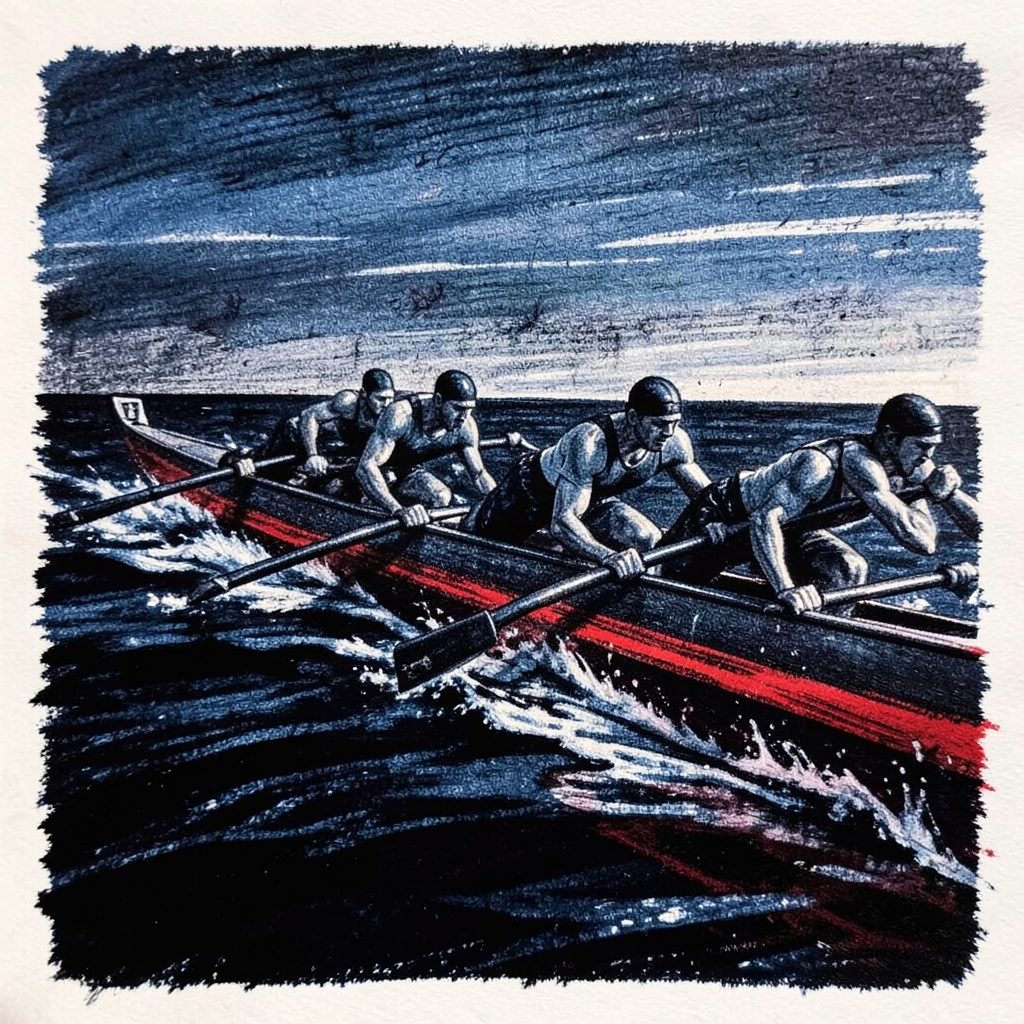
Spring lineup including Clemson Sprints, SIRA, Dad Vail, and ACRA National Championship.
Read More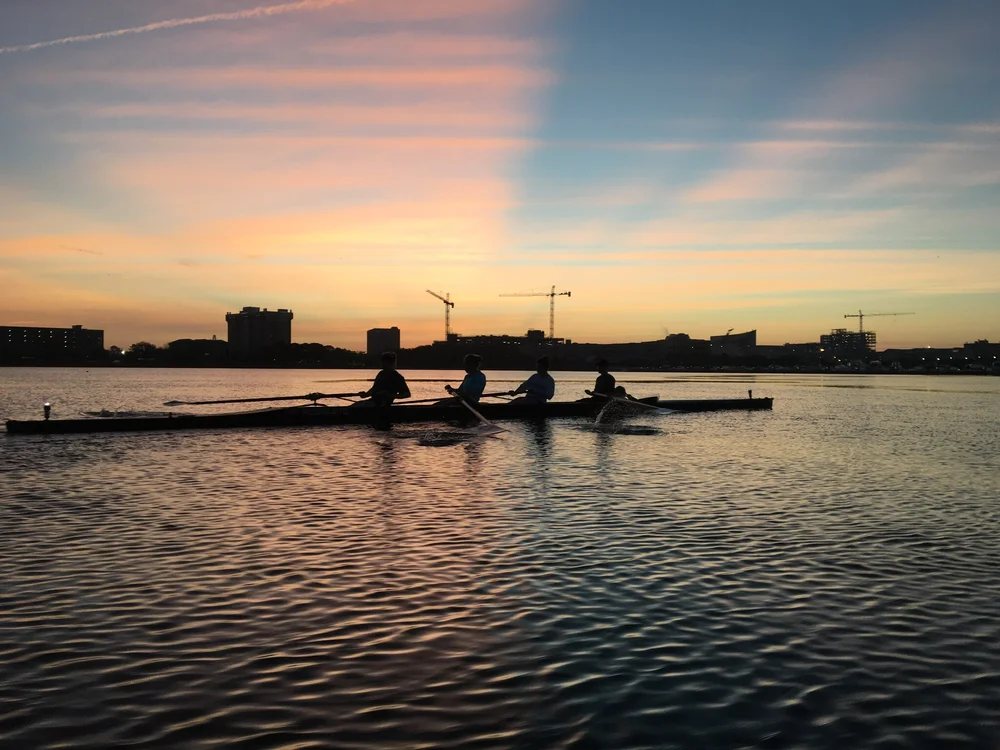
Previews and recap of past Head of the Charles appearances, including the 50th annual regatta in 2014.
Read MoreTeam practice, regatta dates, and meetings are listed on the team calendar. Coaches post weekly schedules and travel details for upcoming race weekends.
Charleston Crew / CCAA
PO Box 12941
Charleston, SC 29422
Email: info@cofccrew.org
Phone: 843.513.5900
Phone: 843.276.4241
Interested in joining the team? Fill out the recruitment form and the coaches will follow up.