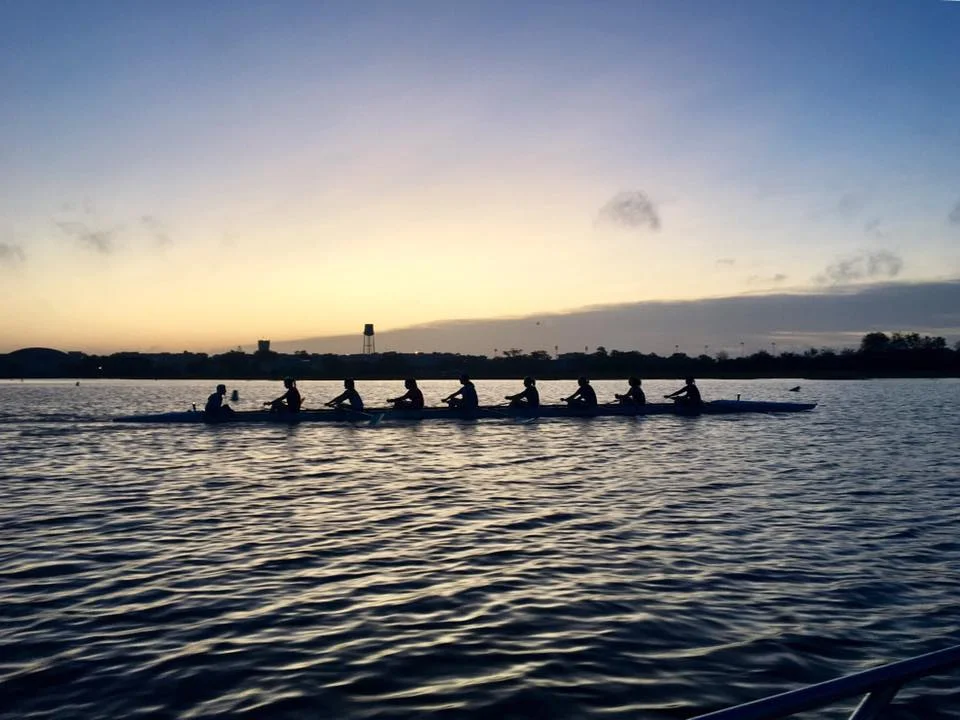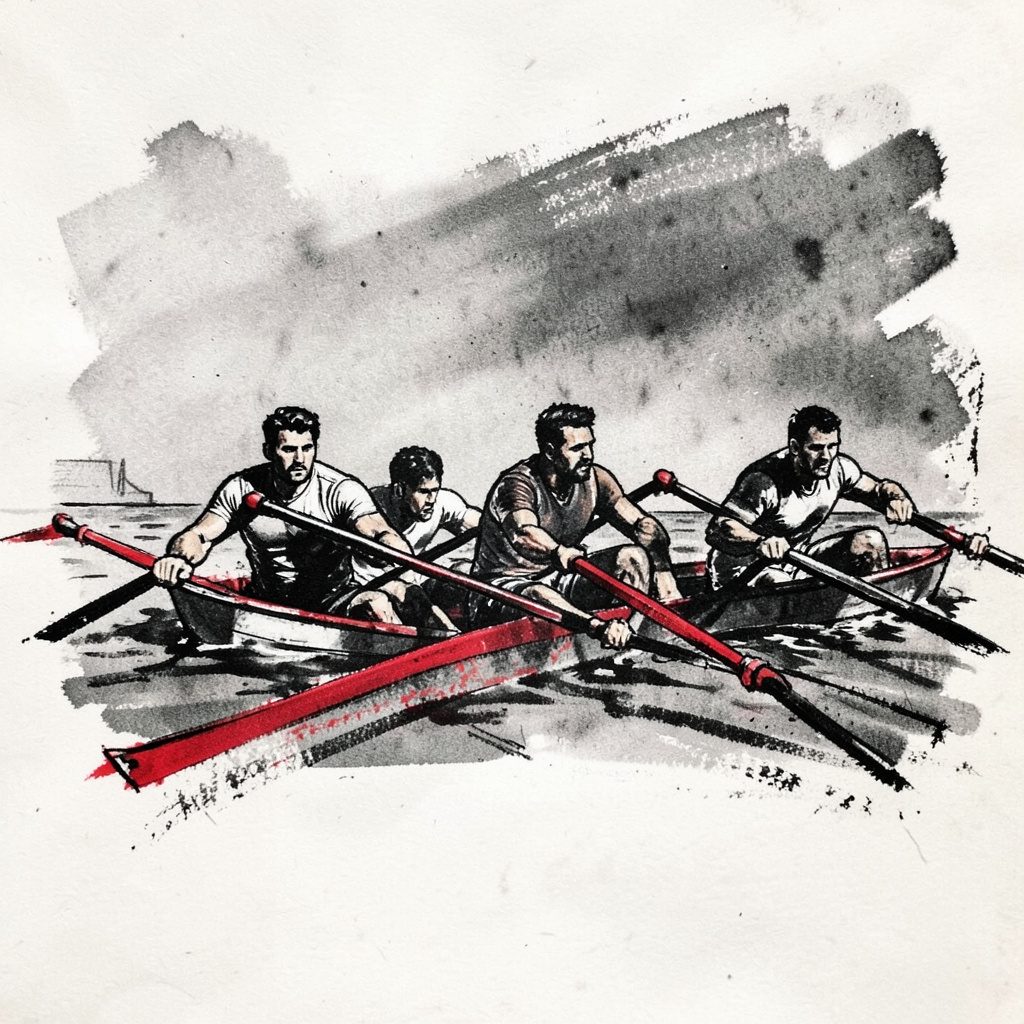
Clemson Sprints Weekend
Coverage and results from the team's trip to Clemson Sprints on Lake Hartwell.
Read More
A non-profit rowing team at the College of Charleston in Charleston, South Carolina.
Rigging is the quiet set of decisions that turns a hire shell into a boat a crew can trust. Oar length, blade shape, foot stretcher setup, rudder lines and coxswain controls feed into how a shell handles, how fast it runs and what a season of maintenance costs. Get those decisions right and the same boat behaves completely differently in club racing and in an early-morning training row.
Few programmes ask beginners to think about this. The College of Charleston Crew Team takes both experienced rowers and newcomers onto the water, coaching them through sweep and scull boats as they race across the Southeast and along the U.S. East Coast. Anyone who has stood in a boathouse has watched a coach pull an oar in, tap the collar and tell a rower to stop squeezing.
Australian rowers ask the same questions from the other side of the Pacific. Sydney clubs launch off Balmain and Drummoyne into a harbour that turns choppy when the afternoon southerly arrives. Melbourne's Yarra is narrow and green, with the Head of the River crews racing in a squeeze of boats between bridges. Rows at Penrith Lake for the National Rowing Championships are flat and quick, while the short-course crews who travel to Alice Springs for Henley-on-Todd need rigs that are sharp and adjustable.
A rig also settles the argument between a club wanting durable gear and a crew chasing tenths of a second. Comparing real setups, both in a boathouse and on the water, is the cheapest research you can do before money changes hands.
A rig is more than the oar itself. It includes the outrigger, the pins and collars that hold the oar in place, the bow ball, the foot stretcher and the steering lines running to the rudder. Each point transfers force from the rower into the water, and each can be adjusted when a shell is swapped between a novice squad and a racing crew. The crew's rowing photo gallery shows what those fittings look like in a properly rigged shell.
Leverage is the first consideration. A longer oar moves more of the blade through the water and slows the stroke rate; a shorter oar does the opposite. The sweep rig's spread, or the gap between the two oarlocks, sets how much room each rower has to feather the blade and clear the gunwale. Set the rig with the boat on land, then check it again on the water with a full crew aboard.
Australian clubs call a single oar a sweep, and the naming carries straight into how crews describe their boats. Sweep shells seat eight, four or three rowers with one oar each, while sculls put two oars in the hands of each rower and suit pairs and fours. A coxed eight gives beginners a steering voice in the boat and a metronome for the stroke, which is why school and club programmes start there.
Coxless boats strip that support out to save weight and simplify the rig. A coxless four rewards a crew with good balance and confident steering, and small clubs often keep one for fast water. Sculls rarely need a coxswain, and the absence of a cox box makes them simpler to store and shift between regattas.
Oar length is not a fixed number on a chart. Sweep oars for an eight are sized for the crew's reach and the boat's dimensions, and sculling oars carry a fixed relationship between the inboard and outboard sections your riggers know by feel. Borrow a set, set the rig on the water, and adjust before you buy.
The crew's latest team news often records which rigs crews are running this season and which fittings caused trouble, so it is worth reading before you commit to a supplier. Balance is where most rigs go wrong: a boat that lolls to one side has an outrigger, a stretcher or a footplate sitting out of true.
Rudder and bow ball lines need the same attention. A bow ball that is too loose lets water in at speed, and a rudder line that catches on the oar handles will pull the shell off line in a race.
Blade shape matters more than most rowers expect. A spoon holds more water and releases it smoothly, which suits a choppy Sydney Harbour morning or a breeze across the Yarra. Flat blades suit flat water and are the usual choice at Penrith Lake or on the short course at Alice Springs. Fins add bite in rough water, and lenths can be shortened for narrow or sheltered venues where clearance matters.
The Australian market sells club blades and race blades side by side, with a decent pair of carbon sculls priced in the low thousands of Australian dollars. Composite rigs cost less and take more punishment for club use, while carbon spread across the fleet is standard for competitive crews.
The foot stretcher and shoes decide how a rower connects to the boat. A stretcher set too long pushes a rower past the catch, a short one crushes the knees, and either mistake ends with blisters and a crabby stroke. Australian boathouses have long punched their own plates and hand-built stretchers to fit the rower standing in front of them.
Coxswain fittings deserve the same scrutiny. The cox box, the lines to the rudder and the ball, and the length of the cox line all need to suit the person steering rather than the shell they inherited. If you want a second opinion on any of it, contact the crew and ask what has worked for them.
Before the first race of the season, compare the setups below with what your programme actually needs. Local water, crew strength and budget usually matter more than the name on a manufacturer's label, and the right choice is usually the one your riggers can adjust quickly on the pontoon.
| Rig type | Crew | Strongest for | Watch closely |
|---|---|---|---|
| Coxed sweep eight | 8 rowers plus cox | Beginner crews and club racing | Oar length, spread and cox line |
| Coxed sweep four | 4 rowers plus cox | Mixed-ability crews and sheltered water | Balance with a light boat |
| Coxless sweep four | 4 rowers | Strong crews chasing speed | Steering by hand and hull balance |
| Scull, pair or four | 2 to 4 rowers | Technical training and calm water | Foot stretcher fit and inboard ratio |
| Single scull | 1 rower | Skill work and time trials | Footplate angle and slide travel |
College of Charleston Crew fields competitive eights and fours in both Fall head races and Spring sprint regattas across the Southeast.
Learn MoreRecent news, recaps, and announcements from the team.
Coverage and results from the team's trip to Clemson Sprints on Lake Hartwell.
Read More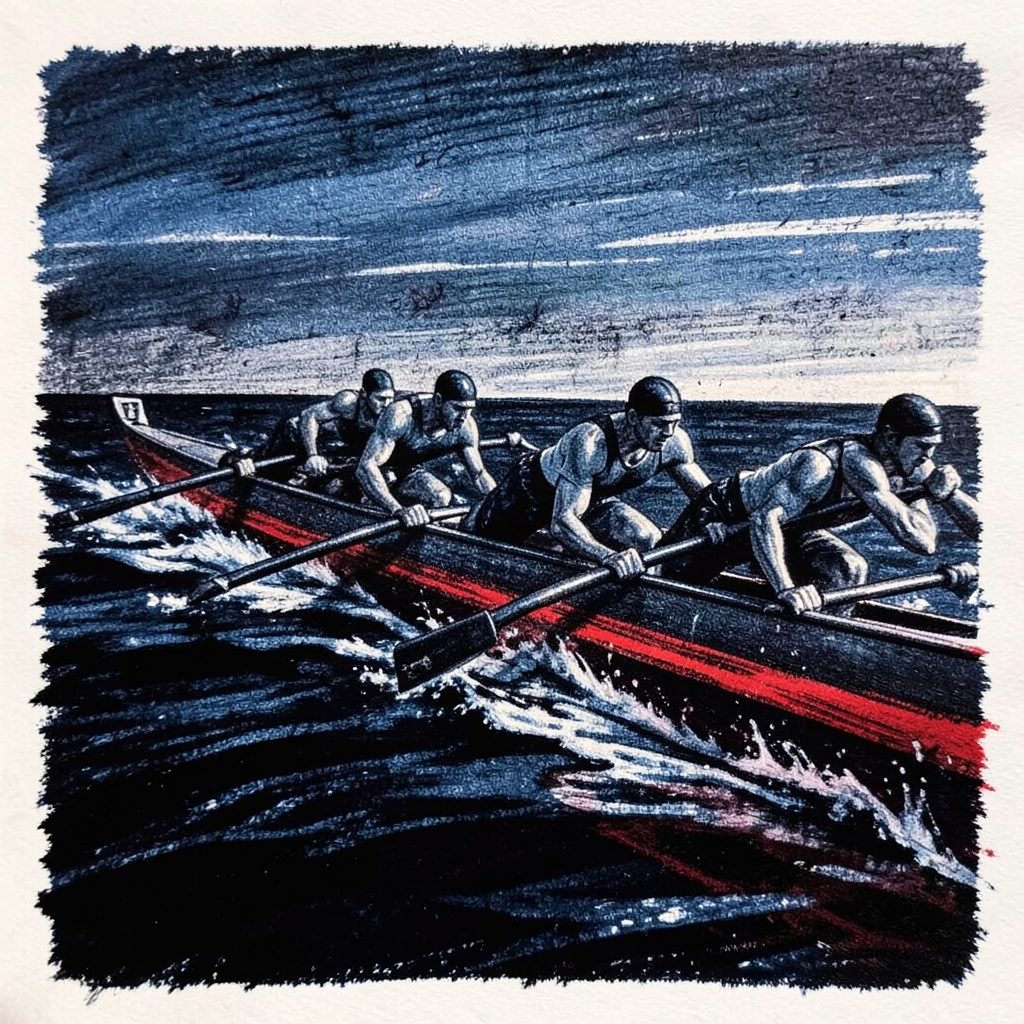
Spring lineup including Clemson Sprints, SIRA, Dad Vail, and ACRA National Championship.
Read More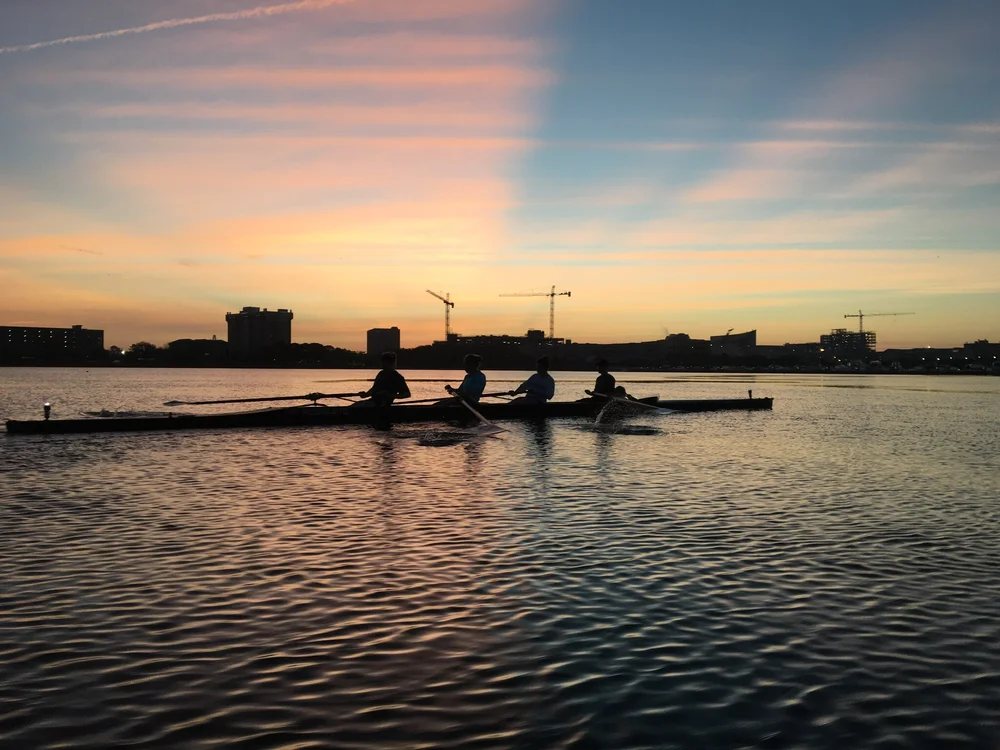
Previews and recap of past Head of the Charles appearances, including the 50th annual regatta in 2014.
Read MoreTeam practice, regatta dates, and meetings are listed on the team calendar. Coaches post weekly schedules and travel details for upcoming race weekends.
Charleston Crew / CCAA
PO Box 12941
Charleston, SC 29422
Email: info@cofccrew.org
Phone: 843.513.5900
Phone: 843.276.4241
Interested in joining the team? Fill out the recruitment form and the coaches will follow up.