Clemson Sprints Weekend
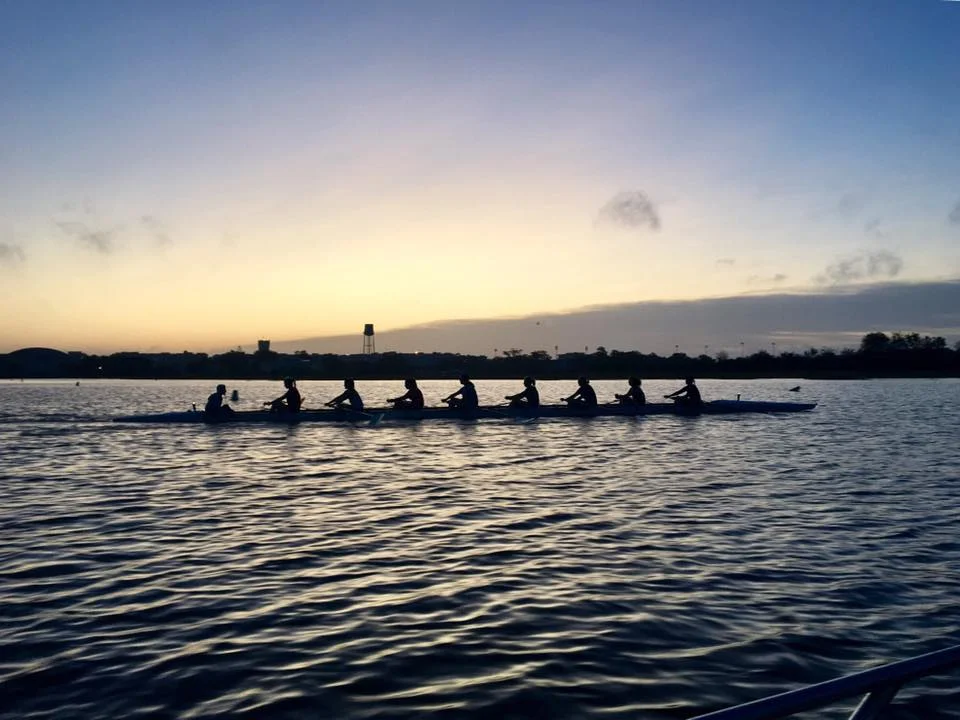
Coverage and results from the team's trip to Clemson Sprints on Lake Hartwell.
Read More
A non-profit rowing team at the College of Charleston in Charleston, South Carolina.
A crab happens when the blade becomes trapped in the water during the stroke, stopping the boat’s rhythm and sometimes throwing a rower off balance. It can feel dramatic, particularly for a beginner, but a calm response usually prevents injury and helps the crew keep moving.
At the College of Charleston Crew Team, rowers learn to treat mistakes as useful feedback. Blade depth, timing, posture and hand height all affect how cleanly an oar enters and exits the water. The same fundamentals apply whether you are rowing on the Cooper River, Sydney Harbour or a busy stretch of the Brisbane River.
Australian crews will recognise the conditions that make a catch difficult: gusty afternoon wind, glare off the water and chop from passing ferries or launches. A strong crew does not panic when a blade catches. It communicates, protects the rower and resets efficiently.
A crab often begins with a heavy or slow-feeling catch. The handle may stop suddenly, the blade can feel pinned beneath the surface, and the boat may yaw towards the affected side. If the rower keeps pulling, the oar can lever the body forward or push the athlete out of the boat.
The first response is to stop forcing the stroke. Keep both hands on the handle if possible, stay seated and call clearly, “Crab” or “Hold it up.” The coxswain and nearby rowers need immediate information, especially during a crowded regatta on Sydney Harbour or near a riverside pontoon.
Veteran rowers often notice the warning signs before the oar is fully trapped: a square blade entering too deep, a rushed slide or an outside hand dropping at the catch. Regular technical practice helps make these signals familiar. The team’s guide to stroke drills offers useful ways to sharpen those habits on the water.
If the blade is caught, the safest priority is to release pressure. Push the handle away from the body only as much as needed to free the blade, while keeping the wrists controlled. Do not yank sharply or twist across the boat. A sudden movement can strain the shoulders, catch the rower’s ribs or disturb the balance of the shell.
Depending on the boat and the severity of the crab, the coxswain may call for the crew to sit easy, blades flat or stop rowing. Follow the command rather than trying to repair the problem alone. In a sweep boat, neighbouring rowers may need to pause so the trapped oar has room to come clear.
Once free, bring the blade safely inside the boat or return it to the water only when instructed. On a windy Melbourne winter morning, a loose oar can move quickly and become a hazard to the rower beside you. Clear communication matters more than speed.
A memorable routine helps beginners respond automatically. Experienced rowers commonly use this sequence:
| Moment | Action | Purpose |
|---|---|---|
| The catch feels locked | Stop pulling | Prevents the oar from levering the body |
| The blade is trapped | Call “Crab” clearly | Alerts the coxswain and crew |
| The boat becomes unstable | Sit tall and follow commands | Protects balance and safety |
| The oar comes free | Secure the handle and blade | Keeps equipment away from teammates |
| The crew is ready | Reset at the next command | Restores rhythm without rushing |
After the immediate problem is solved, identify the likely cause without blaming anyone. Was the blade buried too deeply? Did the rower square too early? Was the boat rolling into the catch? A short, practical review is enough before the crew resumes.
A useful training session might include pause rowing, legs-only strokes and controlled square-blade work. These exercises make it easier to feel the relationship between the hands, body swing and slide. They are especially valuable for new athletes joining a club after school rowing, university sport or a complete beginner programme.
Water conditions can turn a minor technical error into a crab. On the Brisbane River, rebound from river traffic may unsettle the shell just as the blade enters. Around Sydney’s ferries and harbour traffic, wash can arrive from several directions. In Perth or Adelaide, an exposed course can produce a sharp crosswind that makes the recovery feel rushed.
Check the Bureau of Meteorology forecast before training, and listen to local officials about river restrictions or cancellations. Conditions that look manageable from the bank may feel very different at water level. Crews should also allow extra time around launching, landing and carrying boats on crowded club mornings.
Equipment and clothing deserve attention too. A secure foot stretcher, correctly adjusted shoes and a comfortable grip can reduce unnecessary movement. Australian rowers buying tape, gloves or replacement handles should account for local availability and prices in Australian dollars rather than assuming overseas shipping is quick before a regatta.
A crab can affect confidence long after the oar is free. The best reset is a few quiet strokes with clear technical goals: relaxed hands, level wrists, a controlled recovery and a clean catch. The rower does not need to compensate by rushing or digging deeper.
Crews can also learn from how a rower handles the incident. A calm call, safe release and quick return to rhythm show valuable race awareness. The day in the life of a collegiate rower includes many such small decisions, from preparation on shore to responding together under pressure.
At an Australian regatta, the repair may happen between a marshalling call, a warm-up lane and the traditional post-race sausage sizzle. The lesson remains the same: a crab is a technical problem, not a personal failure. With practice, communication and a steady recovery routine, rowers can turn an awkward catch into better boat control.
College of Charleston Crew fields competitive eights and fours in both Fall head races and Spring sprint regattas across the Southeast.
Learn MoreRecent news, recaps, and announcements from the team.
Coverage and results from the team's trip to Clemson Sprints on Lake Hartwell.
Read More
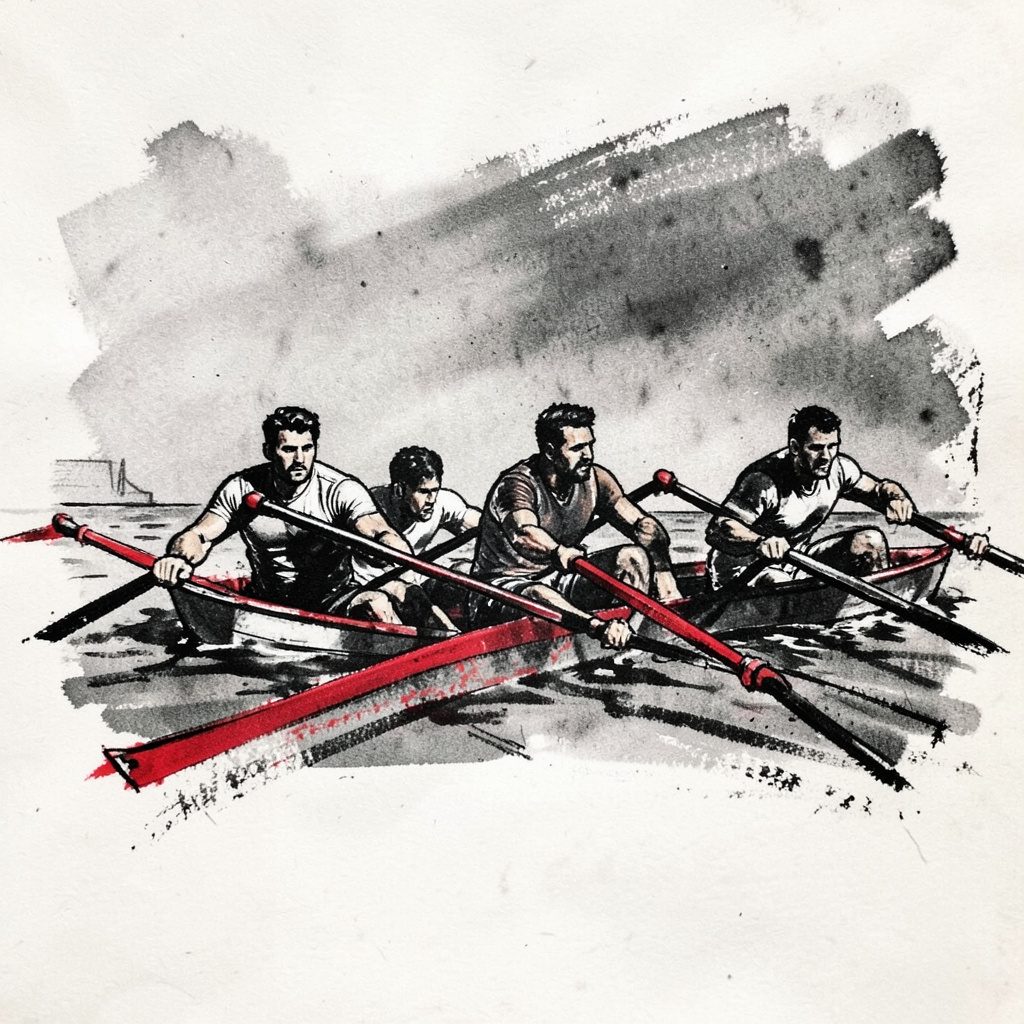
Spring lineup including Clemson Sprints, SIRA, Dad Vail, and ACRA National Championship.
Read More
Previews and recap of past Head of the Charles appearances, including the 50th annual regatta in 2014.
Read MoreTeam practice, regatta dates, and meetings are listed on the team calendar. Coaches post weekly schedules and travel details for upcoming race weekends.
Charleston Crew / CCAA
PO Box 12941
Charleston, SC 29422
Email: info@cofccrew.org
Phone: 843.513.5900
Phone: 843.276.4241
Interested in joining the team? Fill out the recruitment form and the coaches will follow up.