Clemson Sprints Weekend
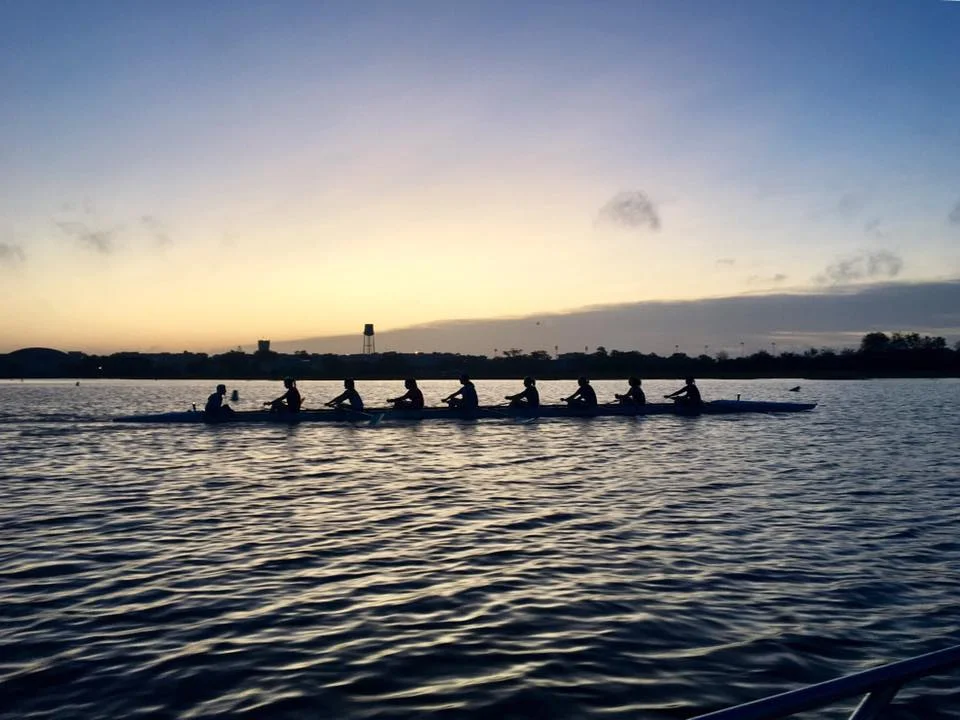
Coverage and results from the team's trip to Clemson Sprints on Lake Hartwell.
Read More
A non-profit rowing team at the College of Charleston in Charleston, South Carolina.
The catch is the instant an oar blade enters the water, yet it sets the tone for the whole stroke. A quiet, square arrival lets the crew transfer power cleanly; a rushed or uneven entry wastes energy and unsettles the boat. For the College of Charleston Crew Team, technical tidiness matters just as much as fitness or racing instinct.
Clean entries are learnable, whether an athlete is new to the shell or already competing along the East Coast. The same ideas translate well to Australian clubs, where crews train on tidal harbours, city rivers and broad inland reaches. The focus is controlled sequence: establish the position, place the blades and apply pressure without wasting movement.
A clean catch has three visible qualities: the blades enter together, they take the water without a slap, and they remain square enough to avoid slipping. Synchronisation matters because one early blade can twist the shell and disturb the rower beside it. The aim is controlled immersion, not simply burying the blades as deeply as possible.
Watch from the bank or stern and faults often appear before the drive. The rower may rush the hands, pull rather than push the handle, or collapse the body angle. A quiet catch is not always a powerful one, so coaches also check whether leg drive arrives immediately after blade entry.
Start by rehearsing the front position without the blades in the water. Sit tall, slide the seat towards the bow, keep the arms straight and bring the shins close to vertical. The shoulders should sit over the handles, with relaxed hands above or just behind them. Hold this shape and feel the body supported rather than folded.
On land, use a broom handle or lightweight sculls to check hand height and symmetry. Face a wall or mirror and watch whether one shoulder rises or one wrist folds. Beginners can practise the posture in ten-second sets, while stronger rowers should hold it longer because fatigue reveals asymmetry that speed can hide.
These exercises turn a good position into repeatable timing:
Alternate technical blocks with normal rowing. Twenty perfect repetitions can establish a feel, but continuous strokes teach the athlete to preserve it when breathing becomes difficult. Vary the pause length and stroke rate so the catch does not depend on one rehearsed rhythm.
Feedback works best when it arrives at the catch. A coxswain can call “set” as the crew approaches the front position, allowing rowers to check blade depth and timing before pressure is applied. From the stern, a coach can identify a late hand, uneven blade or shoulder that rises as the body opens.
Agree on one cue for each outing rather than correcting several faults simultaneously. “Hands away”, “shins vertical” or “quiet blades” should be reinforced before adding another instruction. Record progress through the number of splashes, the consistency of blade entry and whether the boat settles cleanly after each catch.
Australian conditions can test an otherwise sound catch. Sydney Harbour may bring ferry traffic and cross-boats, Melbourne’s Yarra has bends and current, Brisbane crews face humid summer storms, Adelaide can experience a brisk sea breeze on the Torrens, and Perth’s broad Swan River demands long, controlled lines. Each requires attention to the surrounding traffic and the coxswain’s instructions.
Early-morning sessions offer their own rewards and complications. The College of Charleston crew’s account of why sweat at dawn describes the value of cool, quiet water, while Australian crews may need to plan around school traffic, local ferry timetables or a sudden change in wind.
A rower may catch perfectly in isolation and still miss the boat’s rhythm. In an eight, the blades should enter within the same count, with every body reaching its front position before the legs drive. A coxswain should watch the middle of the crew, where uneven timing is easiest to conceal.
Progress from stationary work to half-pressure rowing, then to complete strokes with brief pauses at the catch. Once the crew can recover from fatigue without early blade entry, increase the rate. The goal is not mechanical uniformity; it is a shared rhythm that remains controlled when the racing plan becomes less predictable.
Build the catch into the pre-race routine rather than treating it as an extra drill on regatta morning. Check the feet, handles and blade settings, then complete a few controlled strokes beside the dock. During the warm-up, notice whether increasing pressure makes the hands rush or the blades land unevenly.
A cleaner catch improves the odds of a strong start, but no technique removes every variable. Treating a training cue as a guaranteed result is about as convincing as a French roulette system, which cannot abolish chance. Success should instead be judged through quieter blades, balanced seats and repeatable timing. A crew that makes the catch dependable will find the rest of the stroke easier to trust.
College of Charleston Crew fields competitive eights and fours in both Fall head races and Spring sprint regattas across the Southeast.
Learn MoreRecent news, recaps, and announcements from the team.
Coverage and results from the team's trip to Clemson Sprints on Lake Hartwell.
Read More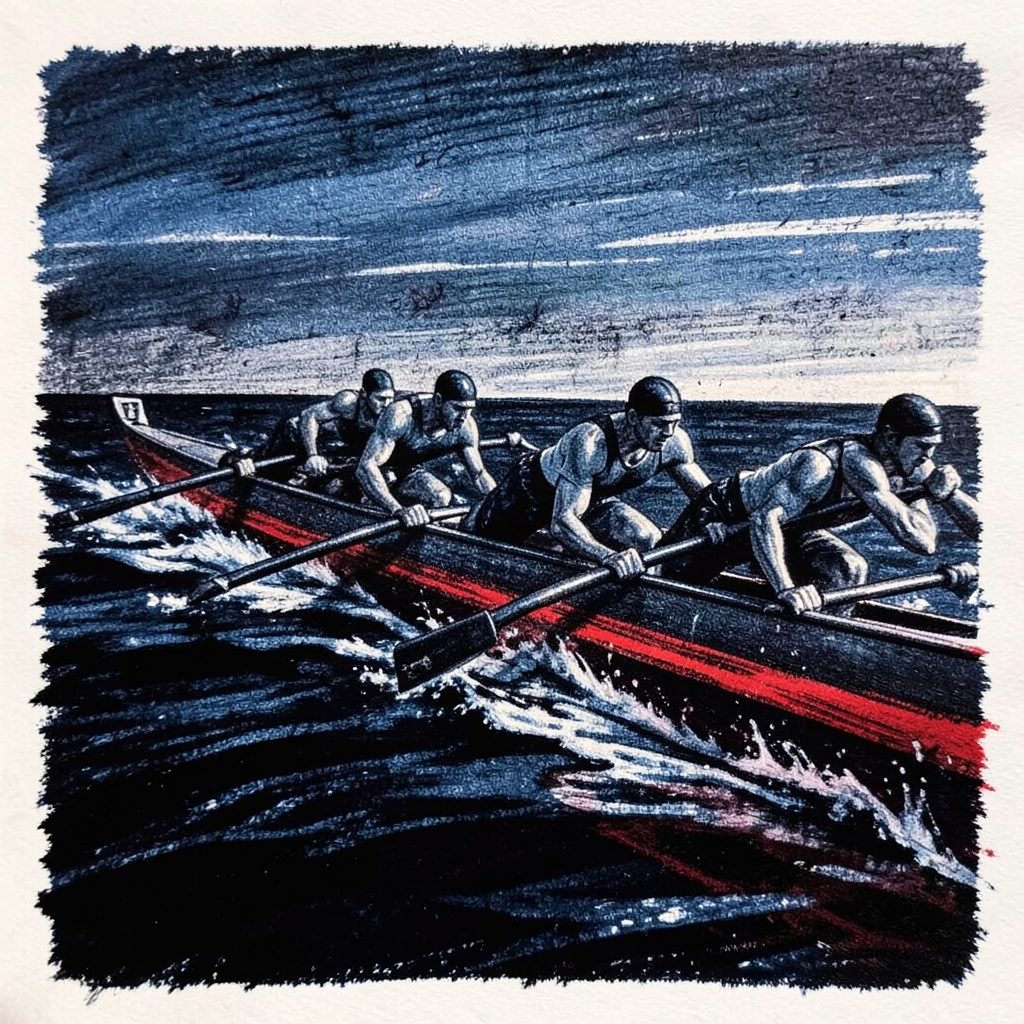
Spring lineup including Clemson Sprints, SIRA, Dad Vail, and ACRA National Championship.
Read More
Previews and recap of past Head of the Charles appearances, including the 50th annual regatta in 2014.
Read MoreTeam practice, regatta dates, and meetings are listed on the team calendar. Coaches post weekly schedules and travel details for upcoming race weekends.
Charleston Crew / CCAA
PO Box 12941
Charleston, SC 29422
Email: info@cofccrew.org
Phone: 843.513.5900
Phone: 843.276.4241
Interested in joining the team? Fill out the recruitment form and the coaches will follow up.