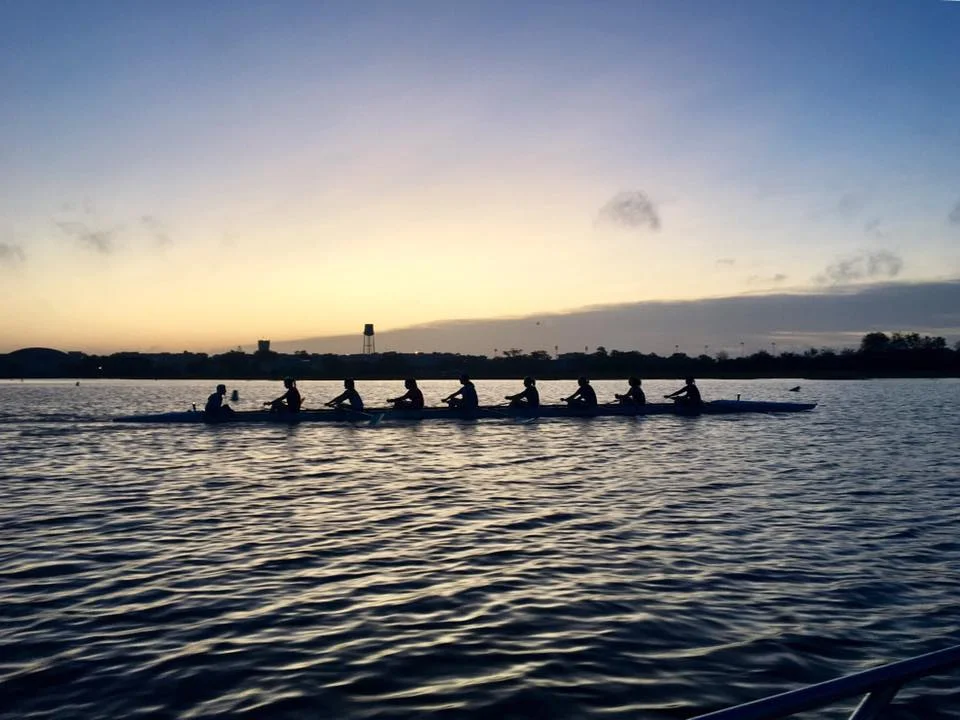
Clemson Sprints Weekend
Coverage and results from the team's trip to Clemson Sprints on Lake Hartwell.
Read More
A non-profit rowing team at the College of Charleston in Charleston, South Carolina.
College crews can use spring break to sharpen technique, build trust and welcome newer rowers. A strong collegiate spring break training camp connects training, recovery, travel and club culture instead of filling every free hour with another workout. Learn more about Meet The Coaches Inside The Cofc Rowing Leadership.
Start with constraints: school and university calendars, available boats, coaching cover, budgets and athlete fatigue. This groundwork helps the crew choose a program it can sustain and gives athletes a clear reason to stay engaged. Learn more about Hall Of Champions.
The College of Charleston Crew program offers a useful model of an inclusive collegiate club, from beginner pathways to competition across the Southeast and East Coast. Apply that model to the host city’s facilities, weather and regulations. Learn more about Cofccrew.org.
Set the desired outcome before choosing the itinerary. Better starts, a more efficient stroke and smoother teamwork are measurable results. Write those aims down, assign ownership for each task and build the schedule around them.
Ask the head coach and student leaders what success should look like by the final session. The coaching team can help identify technical priorities, while rowers should name the skill they most want to change. Three measurable aims keep every session connected.
Give a student captain or camp director ownership of the daily plan, and appoint separate leads for equipment, food and safety. Experienced athletes can guide small groups, but beginners deserve proper instruction. Before travel, send one concise document covering clothing, meals, medical arrangements and emergency contacts.
Australian state school holidays vary. A window that suits NSW students may clash with university exams or term dates in Victoria or Queensland. Confirm availability for every athlete, allow a travel day at each end, and avoid a full workout immediately after arrival. Athletes crossing the Pacific also need time to recover from jet lag.
Check water access, supervision, insurance and emergency cover before booking. State maritime-safety rules and local council aquatic permits may govern an off-campus session; obtain written confirmation from the venue rather than assuming normal university arrangements apply. Keep a land-based alternative ready.
Choose a boathouse near public transport and a supermarket. Melbourne’s tram network, Sydney’s trains and ferries, and Brisbane’s bus and rail services have separate fares and late-night gaps, so set one clear meeting point and budget for the final trip home.
Give each water session a specific job: technical rowing, threshold work, starts, steering or race practice. Pair these with warm-ups, mobility, meals and recovery. Write ergometer targets in metres, as Australian rowing clubs commonly do, to avoid confusion when athletes train with different systems.
The program’s champions archive shows the value of consistent performance; use it to discuss standards, then set targets this squad can measure in one week.
Design for summer conditions rather than copying a cool-climate schedule. Melbourne and inland NSW can bring intense heat, while Sydney’s humidity and Brisbane’s storms can change conditions quickly. Check the UV index, provide water and shade, use SPF 50+ sunscreen, and adjust the session when heat or lightning makes the risk too high.
Protect recovery between hard efforts. Easy walks, sleep and mobility help athletes absorb training, and a second high-intensity day should follow preparation rather than surprise them. Finish with a lighter outing that reinforces boat handling and crew communication.
List shared items before asking athletes to pack: oars, coxswain kit, bow numbers, required safety equipment, first-aid supplies, water carriers and weather gear. Fit unfamiliar shoes or gloves beforehand, test hired machines, and label equipment so nothing disappears into a crowded boathouse.
Australian sporting-goods retailers provide choices across running stores, bike shops and chains such as Decathlon. Hire specialist equipment where practical, but check deposits, damage charges and cancellation terms; consumer guarantees under the Australian Consumer Law can still apply when hired equipment fails. Buy sunscreen and electrolyte products from reputable sellers.
Split the budget into travel, hire, accommodation, food and contingency, with a clear payment date for each category. Separate participant fees from club spending, keep receipts, and offer instalments where families need them.
Plan easy-to-eat meals before rowing and substantial food afterwards. Collect allergy and dietary details during registration, label shared food and assign preparation and cleaning shifts. A volunteer roster prevents one person from carrying every catering task.
Use one chat for time changes, a shared document for the plan, and a short briefing for technical notes. Send families the venue, coach contact and emergency procedure before departure. The official crew website shows how the program presents contact and fundraising information; use that clear approach for camp updates and sponsorship acknowledgements.
Before athletes arrive, work through this practical checklist:
Record a baseline and final measure for each objective, such as a start time, technical checklist or teammate rating. Share the results with the wider club so coaches can carry useful lessons into regular training.
The camp then earns its place in the season: experienced rowers teach, newcomers gain a route into the team and the club strengthens its support network. Clear goals, realistic logistics and protected recovery make that outcome repeatable.
College of Charleston Crew fields competitive eights and fours in both Fall head races and Spring sprint regattas across the Southeast.
Learn MoreRecent news, recaps, and announcements from the team.
Coverage and results from the team's trip to Clemson Sprints on Lake Hartwell.
Read More
Spring lineup including Clemson Sprints, SIRA, Dad Vail, and ACRA National Championship.
Read More
Previews and recap of past Head of the Charles appearances, including the 50th annual regatta in 2014.
Read MoreTeam practice, regatta dates, and meetings are listed on the team calendar. Coaches post weekly schedules and travel details for upcoming race weekends.
Charleston Crew / CCAA
PO Box 12941
Charleston, SC 29422
Email: info@cofccrew.org
Phone: 843.513.5900
Phone: 843.276.4241
Interested in joining the team? Fill out the recruitment form and the coaches will follow up.