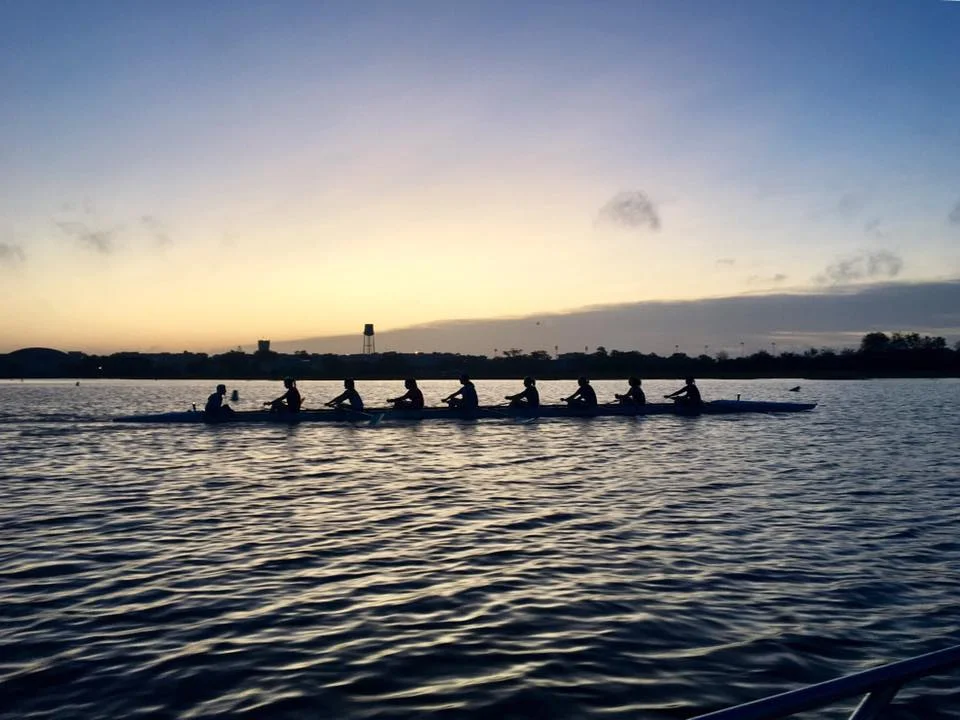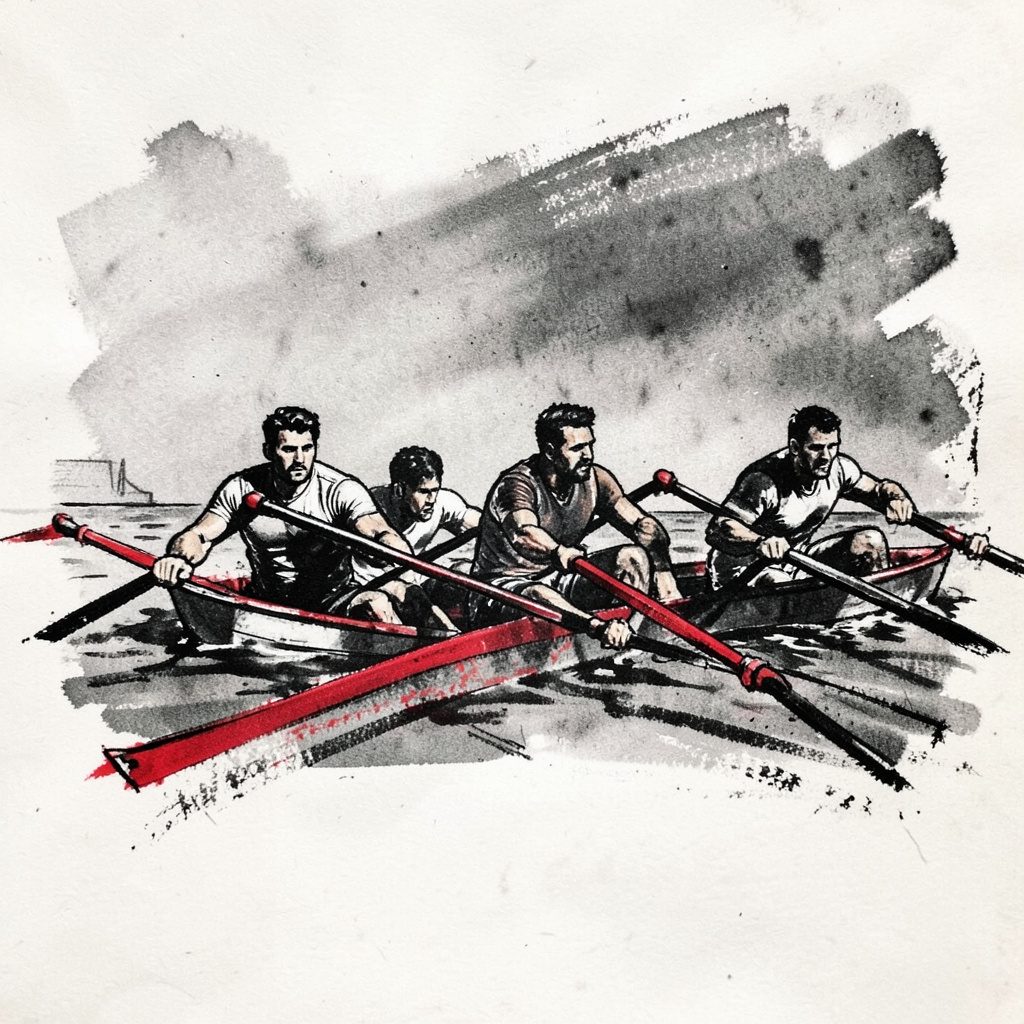
Clemson Sprints Weekend
Coverage and results from the team's trip to Clemson Sprints on Lake Hartwell.
Read More
A non-profit rowing team at the College of Charleston in Charleston, South Carolina.
A 5K erg test measures much more than leg strength. It demands sustained power, efficient technique, disciplined pacing and the ability to stay composed while discomfort builds. Whether you are preparing for a university rowing squad, a club assessment or a personal benchmark, the best results come from treating the test as a planned performance rather than a single brutal workout.
The rowing ergometer rewards consistency. A powerful first kilometre can feel impressive, but starting too quickly often creates a severe drop in pace later. Your preparation should therefore develop aerobic endurance, controlled intensity and confidence in a realistic race plan.
For rowers in Australia, training conditions can vary sharply. An early session in Brisbane may already feel humid, while Melbourne mornings can be cold enough to make a thorough warm-up essential. In Sydney, Perth or Adelaide, planning around heat, commuting and daylight can make regular training easier.
A 5K test also has a strong mental component. You will need a strategy for handling heavy breathing, burning muscles and the temptation to look constantly at the remaining distance. A calm routine, familiar split targets and reliable recovery habits can make the final kilometres manageable.
Begin with steady rowing sessions at a conversational effort. These workouts improve your aerobic base and help you hold technical form when fatigue appears. Keep the stroke long, relax your shoulders and drive through the legs before opening the body and drawing the handle in.
Add one threshold session each week, such as three 1,500-metre pieces with four minutes of easy rowing between them. The pace should feel hard but controlled, usually around the effort you could maintain for 20 to 30 minutes. A second quality session can use shorter intervals, such as six 500-metre efforts, while the remaining sessions stay easy.
A useful training reference is the CofC regatta schedule, which shows how rowing programmes balance competition and preparation. Although a 5K erg is an indoor test, it benefits from the same gradual progression used before demanding on-water events.
Choose a target average split before test day. Start the first 500 metres only slightly faster than that target, then settle into an even rhythm. From 1,000 to 4,000 metres, focus on repeating the same stroke length and drive pressure rather than chasing dramatic changes on the monitor.
Save a controlled increase for the final kilometre. At 1,000 metres remaining, assess your breathing and posture; at 500 metres, begin lifting the rate if your technique remains stable. The last 250 metres can become a committed sprint, but avoid shortening the stroke or pulling mainly with the arms.
Use occasional practice tests to learn how your body responds. You do not need to complete a maximal 5K every week. Alternating longer intervals, negative-split pieces and one full rehearsal every three or four weeks can build confidence without exhausting you.
Divide the distance into manageable sections instead of thinking about all 5,000 metres. Give each kilometre a simple task: settle, hold, check, build and finish. This keeps attention on controllable actions such as breathing, posture and rhythm.
Create a short response for difficult moments. When the monitor feels slow and your legs become heavy, say “long and relaxed” or “one stroke at a time”. This is more useful than trying to eliminate discomfort. Experienced crews, including those described in this beginner rowing guide, rely on repeatable technique and composure rather than panic.
Rehearse the test environment as well. Set the monitor display in advance, use the same damper setting you have practised with and avoid making unfamiliar equipment choices on the day. Knowing what will happen removes unnecessary mental strain.
Eat a familiar carbohydrate-based meal two to three hours beforehand, such as oats with banana or toast with eggs. If an early session makes a full meal difficult, a banana, yoghurt or sports drink may be easier to tolerate. Avoid testing new gels, supplements or large amounts of caffeine immediately before the assessment.
Hydration matters in Australian conditions, especially during summer sessions in Brisbane, Sydney or Perth. Drink regularly through the day rather than trying to replace all fluids just before rowing. In very warm weather, train early, use ventilation and replace sweat losses with water alongside a normal meal containing sodium.
Recovery includes sleep, easy movement and enough food to repair muscle. Rowers who train around university timetables or long commutes should protect a consistent bedtime where possible. Check the team’s training calendar when coordinating hard sessions, rest days and other commitments.
Competitive athletes should also check supplement ingredients carefully. Australian rowers may encounter requirements connected with Sport Integrity Australia and anti-doping rules, so food-first nutrition and certified products are sensible choices. A supplement marketed in a local gym or online store is not automatically risk-free.
Arrive early enough to set up without rushing. Confirm the foot stretcher, damper preference and monitor units, then complete 10 to 15 minutes of progressive rowing. Include a few short bursts at test pace, but finish the warm-up feeling prepared rather than tired.
Your first five minutes should feel restrained. Check that the breathing is controlled and the handle returns smoothly. If the split is faster than planned, correct it early; giving away a few seconds at the start is usually better than losing substantial pace in the final 2,000 metres.
College of Charleston Crew fields competitive eights and fours in both Fall head races and Spring sprint regattas across the Southeast.
Learn MoreRecent news, recaps, and announcements from the team.
Coverage and results from the team's trip to Clemson Sprints on Lake Hartwell.
Read More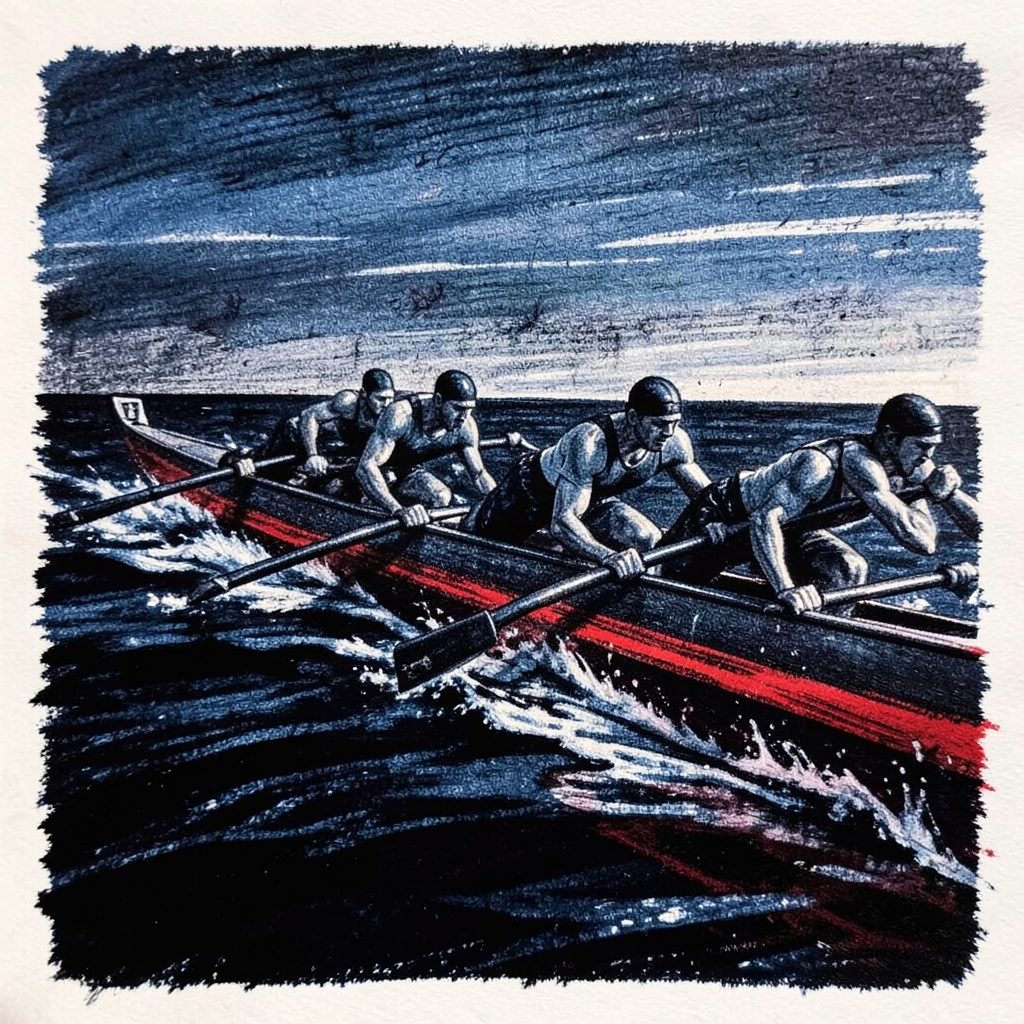
Spring lineup including Clemson Sprints, SIRA, Dad Vail, and ACRA National Championship.
Read More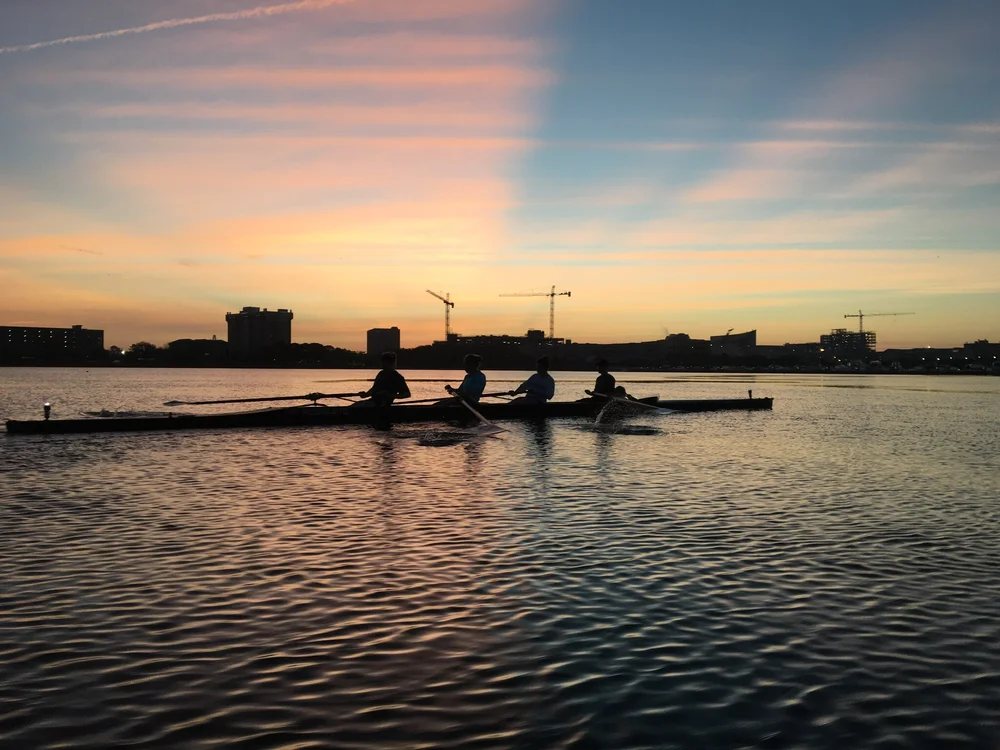
Previews and recap of past Head of the Charles appearances, including the 50th annual regatta in 2014.
Read MoreTeam practice, regatta dates, and meetings are listed on the team calendar. Coaches post weekly schedules and travel details for upcoming race weekends.
Charleston Crew / CCAA
PO Box 12941
Charleston, SC 29422
Email: info@cofccrew.org
Phone: 843.513.5900
Phone: 843.276.4241
Interested in joining the team? Fill out the recruitment form and the coaches will follow up.