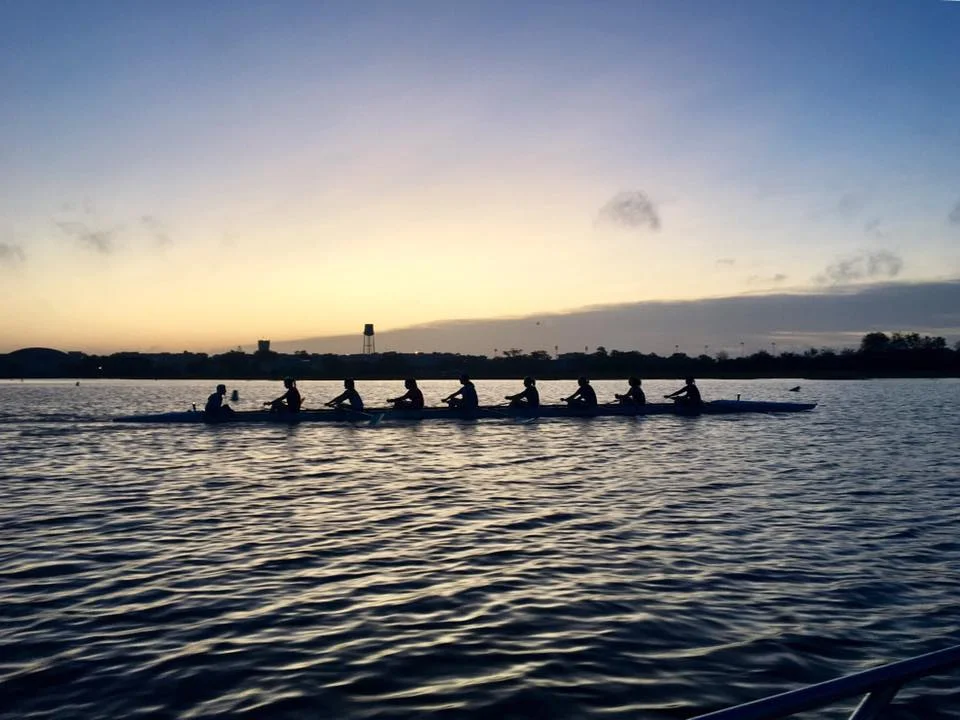
Clemson Sprints Weekend
Coverage and results from the team's trip to Clemson Sprints on Lake Hartwell.
Read More
A non-profit rowing team at the College of Charleston in Charleston, South Carolina.
A regatta schedule can look intimidating: start times, heats, repeat races, finals, venue notes and abbreviations crowd the page. For rowers, crews and supporters, the sensible approach is to decode each layer rather than scan for one familiar name. A clear schedule shows when to arrive, where to go and which result moves a crew forward.
Reading it well also prevents missed sessions and false assumptions about start order. The same event may appear under a boat class, division and race number, while weather or traffic can cause changes after publication. Treat the timetable as a working document, not a fixed promise.
A programme may be grouped by day, session, division, boat class or event number. Locate the key first: what each column represents, which lines are entries rather than withdrawals, and whether times are scheduled, provisional or actual. Heat and final listings often sit in separate blocks, so an early heat can be easier to find than the final it qualifies for.
Save the current version rather than working from an old screenshot. Before leaving home, compare the race list with the latest team race updates, noting any changes to start times, course, boat draw or withdrawals. Changes can also appear in the event’s own social channels on the morning.
Times are normally shown in the venue’s local time. That distinction matters for crews travelling from Australia because Charleston, Sydney and Melbourne generally share an Eastern Time base, but Australian daylight-saving dates differ. Brisbane does not change its clocks, while Adelaide and Darwin sit 30 minutes behind Brisbane.
A listed time may be an approximate on-course or start time, and a scheduled time is not a guaranteed on-water time. Learn the progression: crews race a heat, the fastest may advance directly, and others may contest a repechage before finals. Event codes may identify boat classes such as 8+, 4+ or 2x, alongside varsity, lightweight, coxed and coxless categories.
Regattas are held on lakes, rivers and sheltered coastal water, and each changes how a timetable should be read. Look for the launch site, landing area, marshalling point and access roads, then check whether a venue map lists separate spectator and athlete entrances. Course notes may mention a shortened course, altered lanes, currents or a moved start.
Travel planning deserves equal attention. A Sydney Harbour regatta can require a train-and-ferry connection, while Melbourne’s Yarra River courses are often reached by tram or on foot. Allow for event-day crowd controls and parking limits rather than relying on ordinary weekday travel times. Spectators should confirm which bank offers the best view before setting out.
Australian conditions can change quickly between a cool dawn and a warm afternoon. Brisbane and the Gold Coast may bring greater heat and humidity, Melbourne can produce strong winds, and Sydney often combines bright sun with a stiff sea breeze. Check the forecast, identify a shaded waiting area and keep water accessible; do not leave sunscreen or a hat in the boat shed.
Australian regatta culture also includes club colours, post-race barbecues and fundraisers such as a sausage sizzle. Local crews may buy supplies from a nearby supermarket, run raffles and ask visiting teams to join the social program. These customs make race day feel communal, but schedules still determine when athletes must be on site.
A published schedule is provisional until officials confirm racing. Look for notices about a scratch, reseeding, delayed start, shortened course or abandoned race, and note the time of each update. Results may separate a crew’s finishing position from its time, while penalties can alter the order. Compare the final sheet rather than assuming the first result page is definitive.
If the schedule belongs to the College of Charleston, the College of Charleston Crew website can help connect event names with the programme’s history, crews and competition plans. For opponents, repeat the same process through their club pages: find the event listing first, then the full race instructions and latest result.
Read from the crew’s perspective. For each target race, write down the report time, boat number, lane if available, start time and route back to the boathouse. Then work backwards to leave home. Supporters should use a separate line for the venue, spectator zone, parking and the expected finish, since a race time does not tell them when to be in position.
Build one master timeline and one shorter day-of-race version. Check it when the official schedule changes, and keep enough margin for registration queues, shuttle traffic and weather holds. Once those details are aligned, the printed page becomes a practical race plan rather than a crowded list of times.
College of Charleston Crew fields competitive eights and fours in both Fall head races and Spring sprint regattas across the Southeast.
Learn MoreRecent news, recaps, and announcements from the team.
Coverage and results from the team's trip to Clemson Sprints on Lake Hartwell.
Read More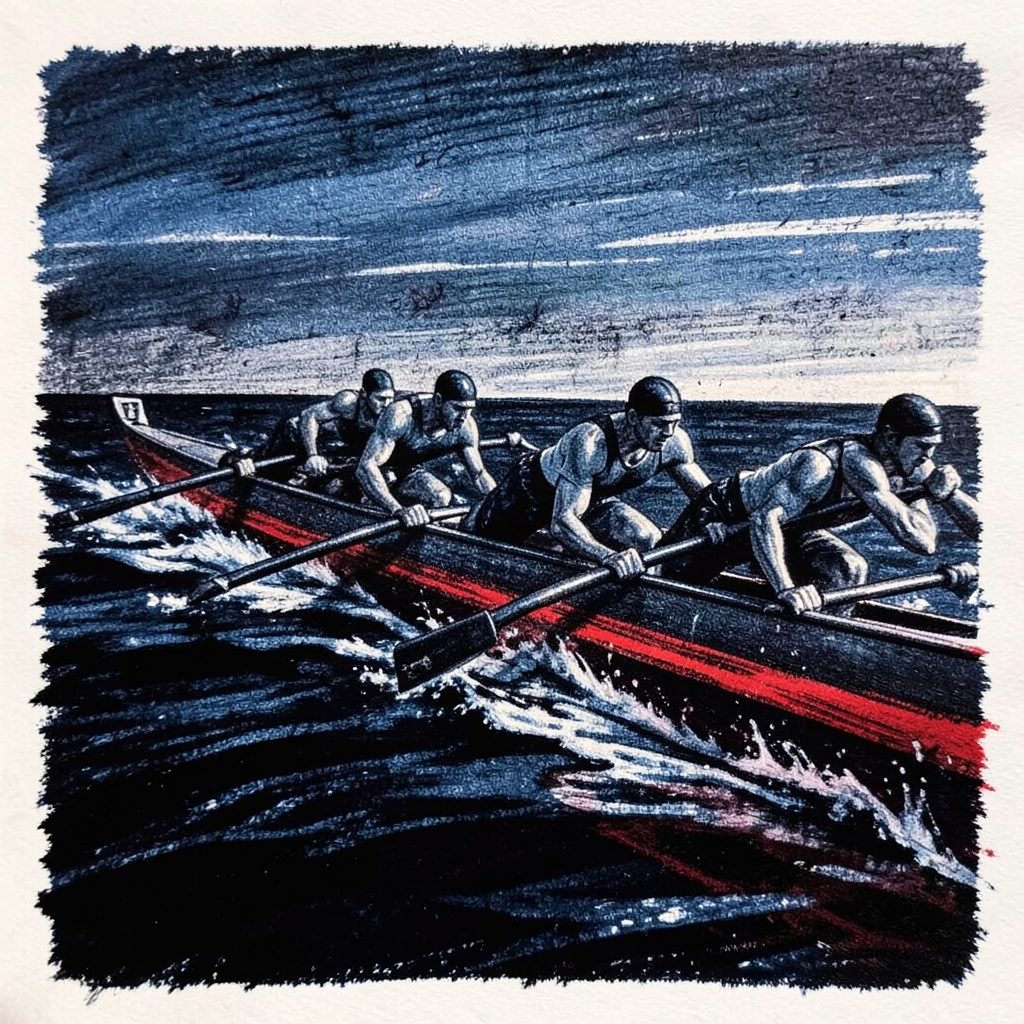
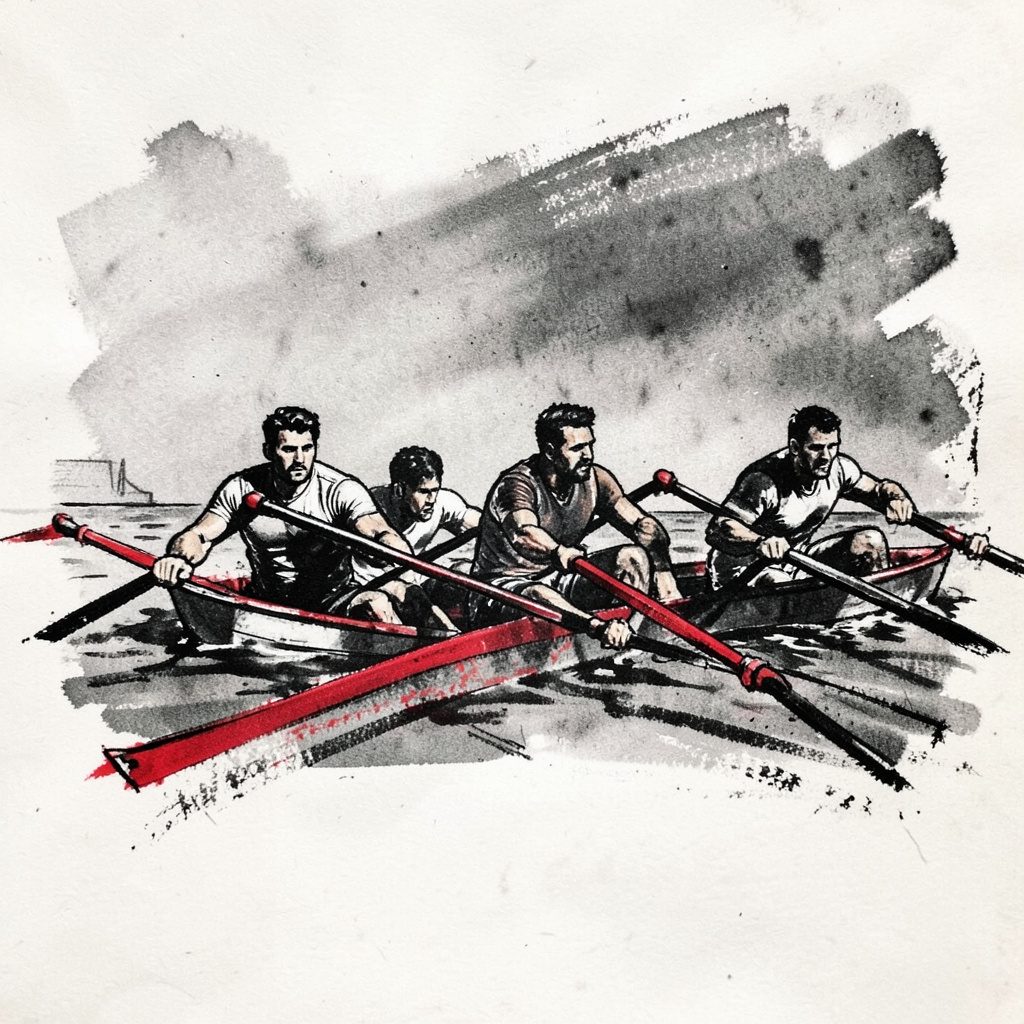
Spring lineup including Clemson Sprints, SIRA, Dad Vail, and ACRA National Championship.
Read More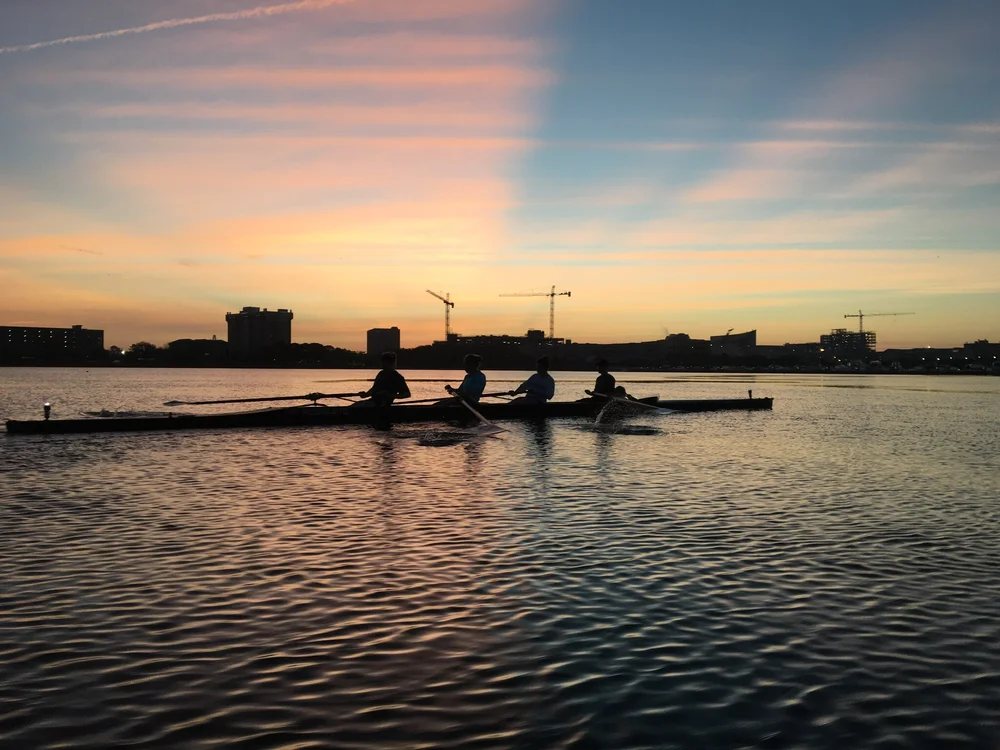
Previews and recap of past Head of the Charles appearances, including the 50th annual regatta in 2014.
Read MoreTeam practice, regatta dates, and meetings are listed on the team calendar. Coaches post weekly schedules and travel details for upcoming race weekends.
Charleston Crew / CCAA
PO Box 12941
Charleston, SC 29422
Email: info@cofccrew.org
Phone: 843.513.5900
Phone: 843.276.4241
Interested in joining the team? Fill out the recruitment form and the coaches will follow up.