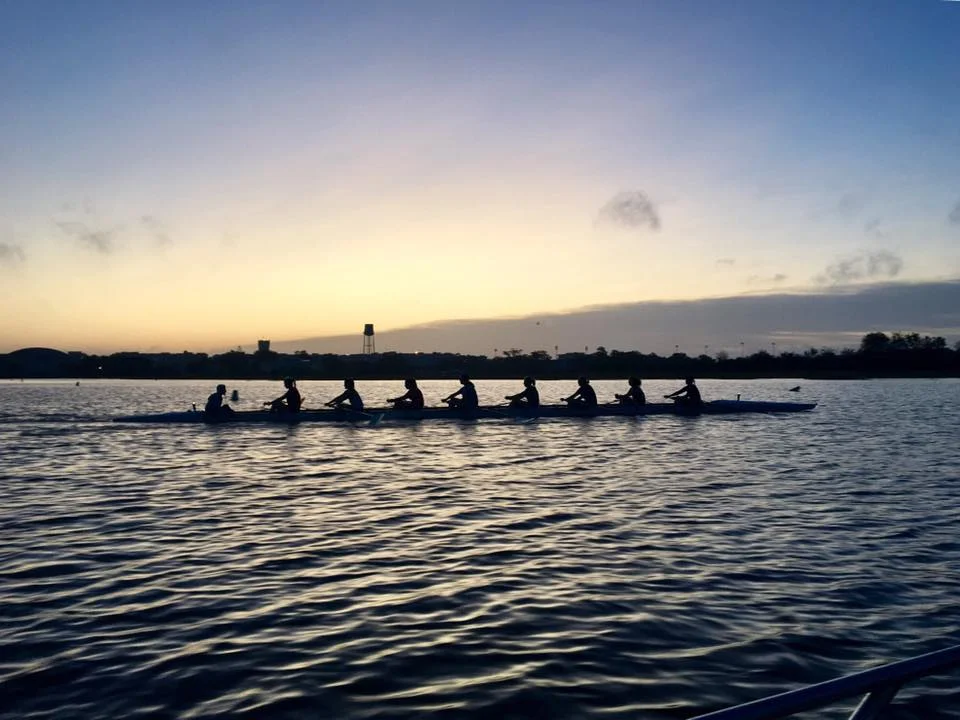
Clemson Sprints Weekend
Coverage and results from the team's trip to Clemson Sprints on Lake Hartwell.
Read More
A non-profit rowing team at the College of Charleston in Charleston, South Carolina.
A strong 2K erg result comes from more than pulling harder on race day. The test rewards aerobic fitness, efficient technique, controlled pacing and the ability to stay composed when your legs begin to burn. Whether you are an experienced rower or stepping onto the erg for the first time, a clear training process can turn effort into a reliable personal best.
For Australian university athletes, training may mean fitting sessions around lectures, commuting across a large campus or adapting to a hot afternoon in Brisbane, Sydney or Perth. The same principles apply in a boathouse on the Yarra, a gym near Adelaide’s Torrens or a club training around Penrith: build patiently, practise race pace and measure progress intelligently.
A 2K erg test is usually completed on a Concept2 rowing machine, with the monitor displaying pace per 500 metres, stroke rate, distance and projected finish time. Since the test is short enough to feel like a sprint but long enough to expose weak endurance, pacing errors can cost several seconds.
Your average split is the key performance figure. A target of 1:50 per 500 metres produces an approximate 7:20 finish, while 1:45 suggests about 7:00. These numbers are useful, but your current training data should set the target. A personal record is most likely when the goal is ambitious without forcing an unsustainable opening pace.
The drive begins with the legs, followed by the body swing and then the arms. On the recovery, reverse that order: arms away, body forward and knees up. Keep your shoulders relaxed, maintain a firm connection through the foot straps and avoid collapsing at the catch.
Technical efficiency matters when fatigue arrives. A slightly shorter, controlled stroke can be faster than reaching aggressively and losing pressure. Record a few training pieces from the side, or ask a coach to check your posture, handle path and sequencing. The COFC coaches offer a useful example of how structured rowing leadership can support developing athletes.
Most athletes benefit from a mixture of steady aerobic work, threshold pieces and short intervals. Easy rowing develops the engine that supports repeated hard strokes, while interval training teaches you to tolerate high lactate and maintain form under pressure.
A practical weekly structure might include two easy sessions, one threshold workout, one high-intensity interval session and one strength session. Beginners should start with less volume and add work gradually. A busy uni timetable is easier to manage when hard sessions are separated by recovery days rather than stacked together.
The final interval should look technically similar to the first. If your stroke length disappears or your rate rises wildly, the session is too aggressive for its intended purpose.
The first 500 metres should feel assertive, not frantic. A few quicker strokes can help the flywheel reach the desired rhythm, but settling immediately into a sustainable split is more important than chasing a dramatic opening number. Starting ten seconds faster than target pace often creates a painful debt that appears around the halfway mark.
Many rowers perform well with a simple four-part plan: controlled first 500, committed middle 1,000, then a progressive finish. Hold your rhythm through 1,500 metres before increasing pressure. In Australia, where summer heat can make an indoor gym feel like a sauna, use a fan, drink water beforehand and avoid treating dehydration as a test of toughness.
Strength training can improve force production, posture and resilience, especially through squats, deadlifts, split squats, pull-ups and trunk exercises. Two well-managed sessions per week are generally enough for a developing rower. Keep the lifting technically sound and avoid exhausting your legs immediately before a key erg workout.
Recovery determines whether training adaptations actually occur. Aim for consistent sleep, regular meals and enough carbohydrate around demanding sessions. A post-training meal might be oats and yoghurt after a morning row or rice, lean protein and vegetables after an evening session. On hot Australian days, include fluids and electrolytes when sweat losses are high.
A training log should record the workout, average split, stroke rate, perceived effort and any relevant conditions. Also note whether you trained after a long day, in a crowded gym or during a particularly warm week. These details help explain fluctuations and prevent one poor result from distorting your judgement.
Team training adds accountability and a useful competitive edge. Reviewing the team roster can show how a collegiate club creates a wider training community around athletes at different experience levels. Training beside stronger rowers can lift your standards, while supporting beginners reinforces good habits and shared purpose.
Warm up for 15 to 20 minutes, including easy rowing, mobility and several short bursts near race pace. Check the damper setting, foot straps and monitor before starting. Choose a rate you can control, often somewhere around 28 to 34 strokes per minute depending on your size, technique and experience.
During the test, focus on one segment at a time rather than staring at the total distance. Relax your grip, breathe rhythmically and keep returning to the sequence: legs, body, arms; arms, body, legs. With 500 metres left, increase pressure gradually. Empty the tank only in the final 250 metres, when technical discipline can still convert effort into speed.
A personal record is the result of weeks of repeatable work, sensible pacing and confidence under pressure. Treat each hard session as practice for the moment when discomfort arrives, and the 2K will become a clear measure of progress rather than a single intimidating hurdle.
College of Charleston Crew fields competitive eights and fours in both Fall head races and Spring sprint regattas across the Southeast.
Learn MoreRecent news, recaps, and announcements from the team.
Coverage and results from the team's trip to Clemson Sprints on Lake Hartwell.
Read More
Spring lineup including Clemson Sprints, SIRA, Dad Vail, and ACRA National Championship.
Read More
Previews and recap of past Head of the Charles appearances, including the 50th annual regatta in 2014.
Read MoreTeam practice, regatta dates, and meetings are listed on the team calendar. Coaches post weekly schedules and travel details for upcoming race weekends.
Charleston Crew / CCAA
PO Box 12941
Charleston, SC 29422
Email: info@cofccrew.org
Phone: 843.513.5900
Phone: 843.276.4241
Interested in joining the team? Fill out the recruitment form and the coaches will follow up.