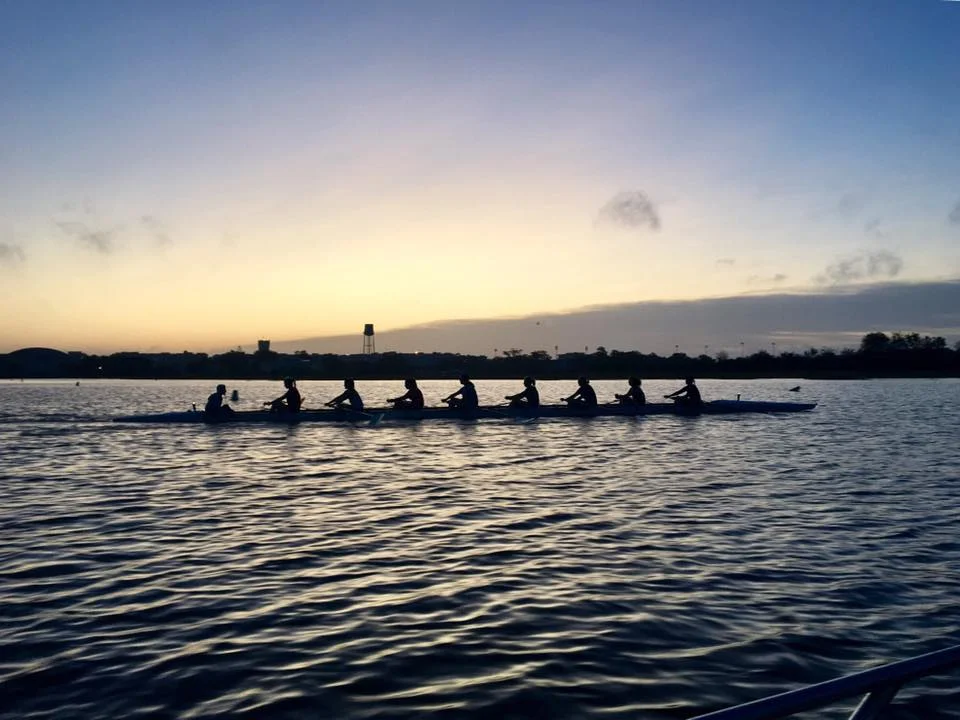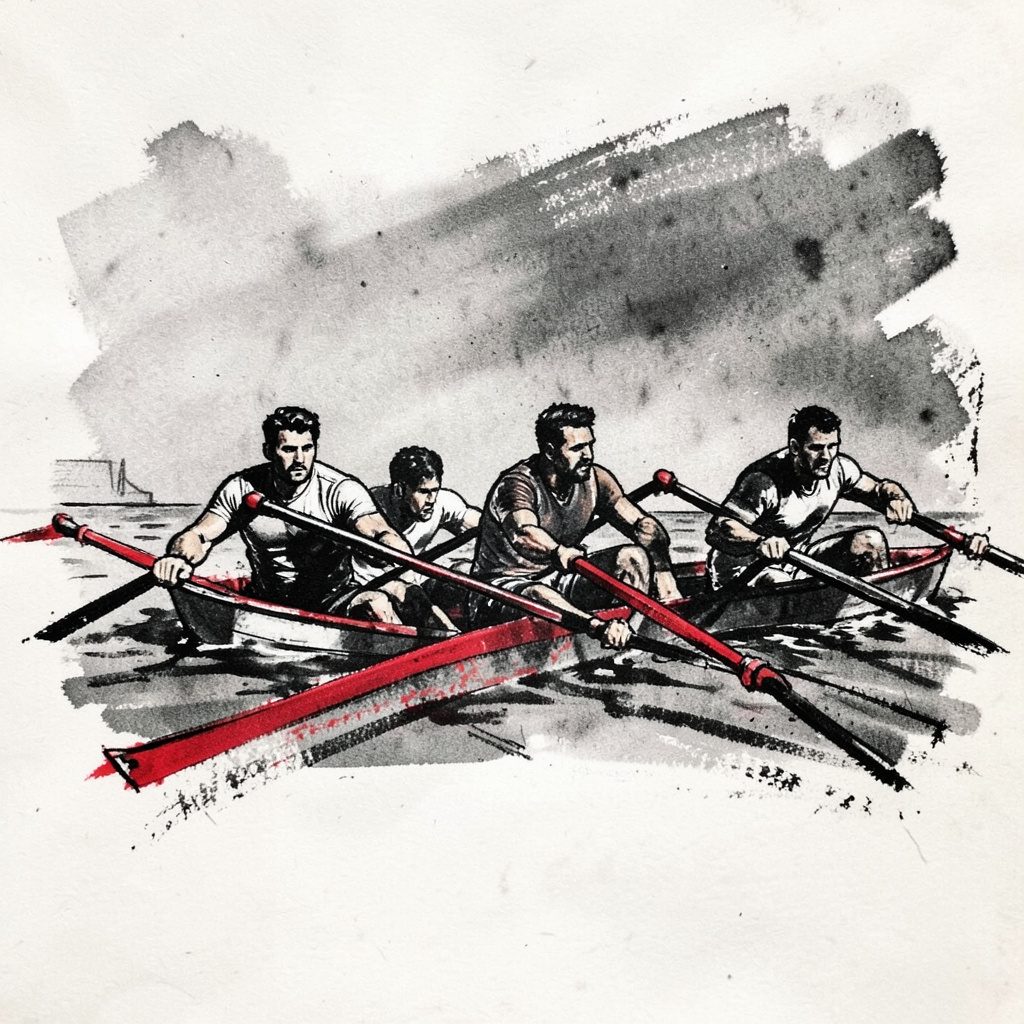
Clemson Sprints Weekend
Coverage and results from the team's trip to Clemson Sprints on Lake Hartwell.
Read More
A non-profit rowing team at the College of Charleston in Charleston, South Carolina.
The alarm goes off while most of Charleston is still asleep, and the Cooper River is often wrapped in mist before sunrise. For the College of Charleston Crew Team, the 6 a.m. water sessions are a defining part of the season, and showing up consistently is its own kind of discipline. Whether you are a first-year novice or a returning varsity athlete, the early call demands more than fitness alone.
Across Australia, early morning sport is nothing unusual. Surf lifesaving clubs in Bondi run dawn swim sets, AFL clubs in Melbourne begin pre-season training before the city stirs, and rowing programs along the Yarra push athletes out of bed at similar hours. The challenges of waking before the sun are familiar to anyone who has pulled on a rashie at first light or laced boots for a 5:30 a.m. kick-off at the MCG.
Motivation rarely arrives on its own when the room is still dark. The first stretch of resistance is almost always psychological, and treating the early session as a non-negotiable appointment helps. Many rowers find it useful to visualise the boat moving through the water before they ever leave the boathouse, anchoring themselves in the feeling of a clean catch and a strong drive.
Australian athletes are no strangers to this kind of internal coaching. The Sydney Roosters and Melbourne Storm set their players individual performance targets well before game day, and similar habits transfer well to collegiate rowing. Writing down a single, specific goal for each practice, such as a stroke rate, a split, or a technical cue, gives the mind something concrete to chase once the oar finally meets the water.
A reliable morning routine removes the daily debate about whether to train. Laying out kit the night before, prepping a water bottle, and deciding on breakfast ahead of time strips away the small frictions that cause skipped sessions. The body responds well to repetition, and within a few weeks the early alarm stops feeling like punishment and starts feeling like normal.
A handful of habits tends to support this shift:
Borrowing from the routines used by Brisbane-based rowing clubs and Perth's university sweep programs, the same approach works for crews who travel to regattas. Consistency at home makes travel weeks far easier to manage.
Pre-dawn training places specific demands on the body, and skimping on nutrition quickly catches up with even the fittest athletes. A light snack thirty to forty minutes before launch gives enough energy without sitting heavily in the stomach during high-intensity pieces. Some reliable options include:
Recovery begins the night before, and Australians have long understood the link between sleep and performance. The Australian Institute of Sport recommends wind-down routines that include dim lighting and avoiding screens in the final hour before bed. For a College of Charleston rower facing a sunrise session, this kind of evening discipline is just as valuable as the ergometer work in the boathouse.
Hydration matters more than many athletes realise, especially in Charleston's humid coastal air. Drinking a full glass of water immediately upon waking, plus another during the row, keeps the body operating cleanly through long steady-state pieces and the harder intervals that close each practice.
No one keeps a 6 a.m. alarm for long without a reason bigger than themselves. The crew becomes that reason. Showing up for the person in the seat in front of you, the coxswain calling the rhythm, and the coaching staff tracking each stroke turns individual sacrifice into shared progress. When the boat moves well, the early wake-up feels entirely justified.
A look at the coaching leadership shows how seriously the program takes this culture. Coaches set the tone long before the first stretch on the dock, and their expectations create a standard that athletes rarely want to let down. New rowers quickly learn that the team simply does not skip.
Australian club rowing carries the same ethos. Programs such as the Mercantile Rowing Club in Melbourne and the Sydney Rowing Club emphasise that the boat moves only when everyone commits, and the same principle carries across the Pacific to the College of Charleston dock.
The early mornings build something that outlasts a single semester. Time management improves, academic focus sharpens, and friendships form that often continue well past graduation. Alumni frequently describe their years on the crew as some of the most formative of their lives, in large part because of the discipline the 6 a.m. schedule demanded.
For anyone curious about joining, exploring the official team site is the best place to learn about upcoming regattas, novice intake, and fundraising events. The team welcomes both experienced rowers and complete beginners, and the culture of accountability makes the early alarm easier to face.
College of Charleston Crew fields competitive eights and fours in both Fall head races and Spring sprint regattas across the Southeast.
Learn MoreRecent news, recaps, and announcements from the team.
Coverage and results from the team's trip to Clemson Sprints on Lake Hartwell.
Read More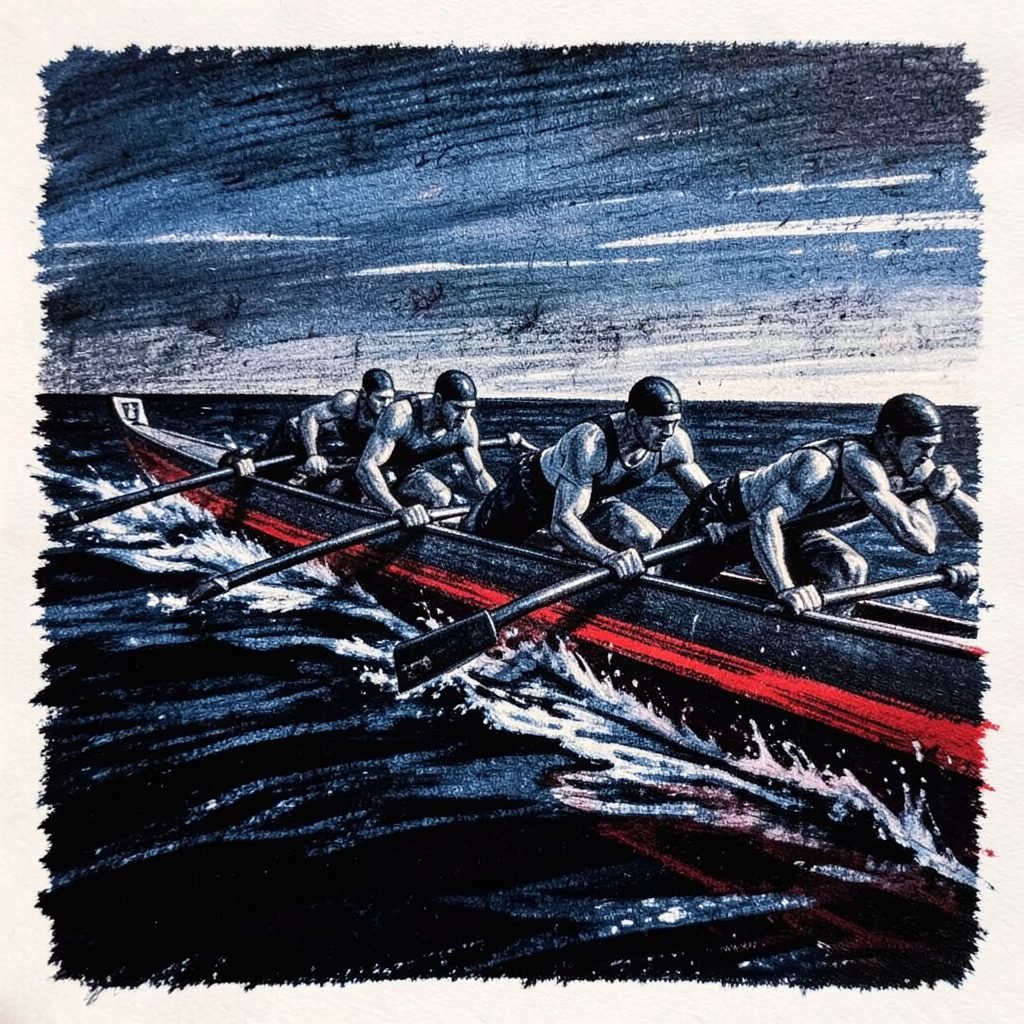
Spring lineup including Clemson Sprints, SIRA, Dad Vail, and ACRA National Championship.
Read More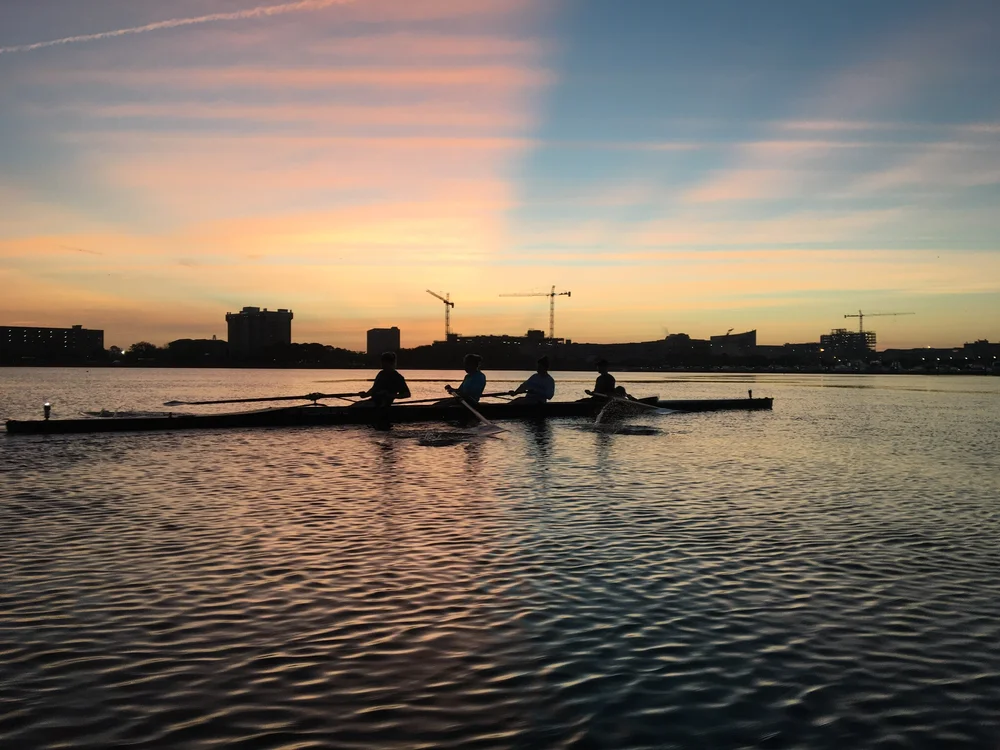
Previews and recap of past Head of the Charles appearances, including the 50th annual regatta in 2014.
Read MoreTeam practice, regatta dates, and meetings are listed on the team calendar. Coaches post weekly schedules and travel details for upcoming race weekends.
Charleston Crew / CCAA
PO Box 12941
Charleston, SC 29422
Email: info@cofccrew.org
Phone: 843.513.5900
Phone: 843.276.4241
Interested in joining the team? Fill out the recruitment form and the coaches will follow up.