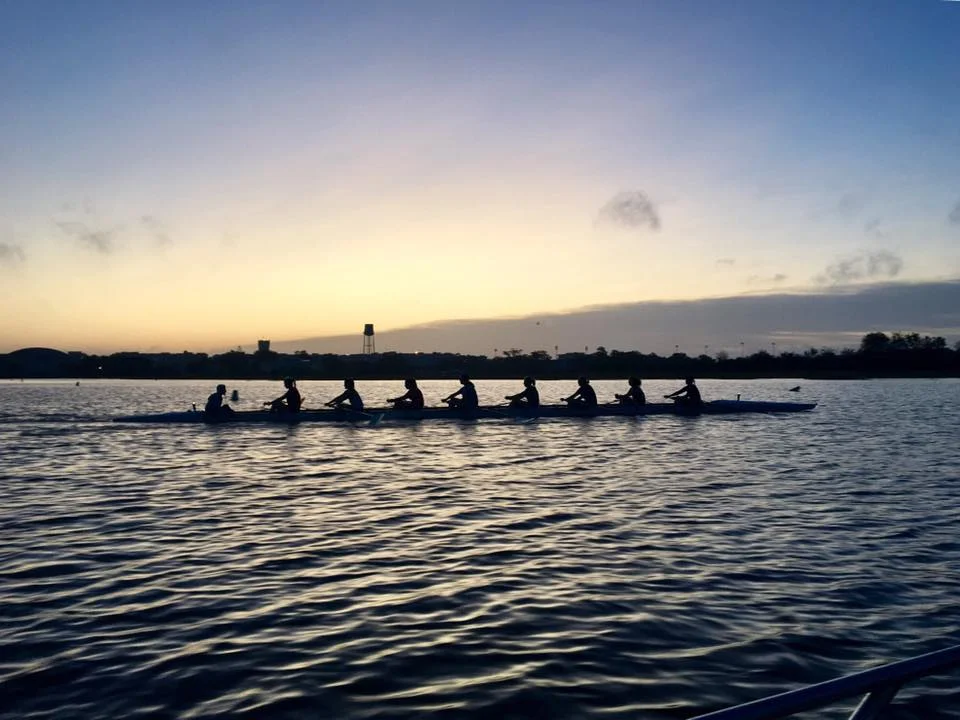
Clemson Sprints Weekend
Coverage and results from the team's trip to Clemson Sprints on Lake Hartwell.
Read More
A non-profit rowing team at the College of Charleston in Charleston, South Carolina.
Charleston's waterways have always hummed with activity, and the College of Charleston Crew Team sits right in the middle of that rhythm. Like any tight-knit collegiate outfit, the program runs on the energy and organisational grit of its student officers, the folks who balance classes, training and the never-ending logistics of getting a rowing shell to the start line.
What makes CofC Crew approachable is the fact that student officers are elected by their teammates, not handed down from on high. They answer to the people sweating beside them at six in the morning. That democratic flavour echoes something seasoned Aussie rowers recognise from clubs along the Yarra or Sydney Harbour, where the roomful of athletes picks its own leadership.
Below you'll find who holds the oar at the top, what each role actually involves day to day, and how the whole structure compares to rowing programmes you might find at a place like Sydney Uni or Melbourne Uni back home.
The President functions as the public face of CofC Crew. They liaise with university administration, coordinate with the coaching staff (meet the coaches), and set the tone for the season's culture. Think of them as the cox of the leadership eight: the one calling the rhythm while the rest of the crew does the heavy lifting.
Working alongside the President is the Team Captain, usually the most experienced rower or coxswain on the roster. The Captain leads on-water sessions, mentors novice athletes, and serves as a bridge between the coaching staff and the wider membership. Together, these two roles ensure the team has both an administrative anchor and a day-to-day on-water leader.
Rowing is famously gear-heavy, and someone has to make the dollars line up. The Treasurer manages the team's budget, oversees dues, and tracks every cent spent on equipment hire, regatta entries and travel. It is a role that demands spreadsheets, receipts and a healthy dose of patience.
Fundraising sits under the Treasurer's umbrella but is usually a collaborative effort. The team runs everything from alumni donations to merch drops and community events. If you're curious about the mechanics of it all, the fundraising breakdown offers a behind-the-scenes look at the effort that keeps the boats on the water.
Beyond early alarms and brutal erg sessions, college rowing has a serious social heartbeat. The Social Coordinator plans team dinners, post-regatta celebrations, and bonding events that turn a loose collection of students into something closer to a family. In Australia you'd hear people talk about "brewing up" after a regatta — a quiet yarn over a flat white — and CofC Crew has its own version of that ritual.
This officer also tends to run the team's social media accounts, sharing race results, training clips and recruitment posts. It's the role that ensures the team's personality reaches beyond the boathouse and into the wider Charleston community.
No single officer carries the whole operation alone. The President and Captain pair up on strategy, the Treasurer keeps the lights on financially, and the Social Coordinator handles the human side. Each role overlaps with the others, which is why the team holds a regular officer huddle to keep everyone rowing in the same direction.
Here's how the main positions stack up against each other:
| Role | Main Focus | Key Skills Needed |
|---|---|---|
| President | Admin and culture | Leadership, communication |
| Captain | On-water leadership | Experience, mentoring |
| Treasurer | Budget and fundraising | Spreadsheets, planning |
| Social Coordinator | Events and media | Creativity, organisation |
| Recruitment Lead | Try-outs and outreach | Friendliness, public speaking |
| Travel Officer | Regatta logistics | Detail orientation, calm |
The mix shifts from season to season depending on who steps up. Some years a confident communicator takes the presidency; other times a meticulous planner naturally drifts into the Treasurer's chair.
CofC Crew prides itself on welcoming beginners, and the Recruitment Lead is the front door. They run information sessions for incoming students, organise erg tests for try-outs, and pair novices with experienced rowers who serve as informal mentors. For students arriving in Charleston from places as far away as Perth or Brisbane — where January means peak summer rather than midwinter — having a friendly point of contact makes a world of difference.
The Travel and Logistics Officer, meanwhile, books buses, arranges accommodation, maps out towing for boats and oars, and ensures everyone knows where to be at 5am on a Saturday. Southeast regattas and East Coast trips demand serious planning, especially when you're shepherding a squad of twenty-plus athletes across state lines.
Stepping into a student officer role is one of the most rewarding things you can do within the programme. It sharpens your organisational skills, builds lifelong friendships with people you'll otherwise only see at training, and looks cracker on a CV when you graduate.
A few things worth knowing before you nominate yourself:
College of Charleston Crew fields competitive eights and fours in both Fall head races and Spring sprint regattas across the Southeast.
Learn MoreRecent news, recaps, and announcements from the team.
Coverage and results from the team's trip to Clemson Sprints on Lake Hartwell.
Read More
Spring lineup including Clemson Sprints, SIRA, Dad Vail, and ACRA National Championship.
Read More
Previews and recap of past Head of the Charles appearances, including the 50th annual regatta in 2014.
Read MoreTeam practice, regatta dates, and meetings are listed on the team calendar. Coaches post weekly schedules and travel details for upcoming race weekends.
Charleston Crew / CCAA
PO Box 12941
Charleston, SC 29422
Email: info@cofccrew.org
Phone: 843.513.5900
Phone: 843.276.4241
Interested in joining the team? Fill out the recruitment form and the coaches will follow up.