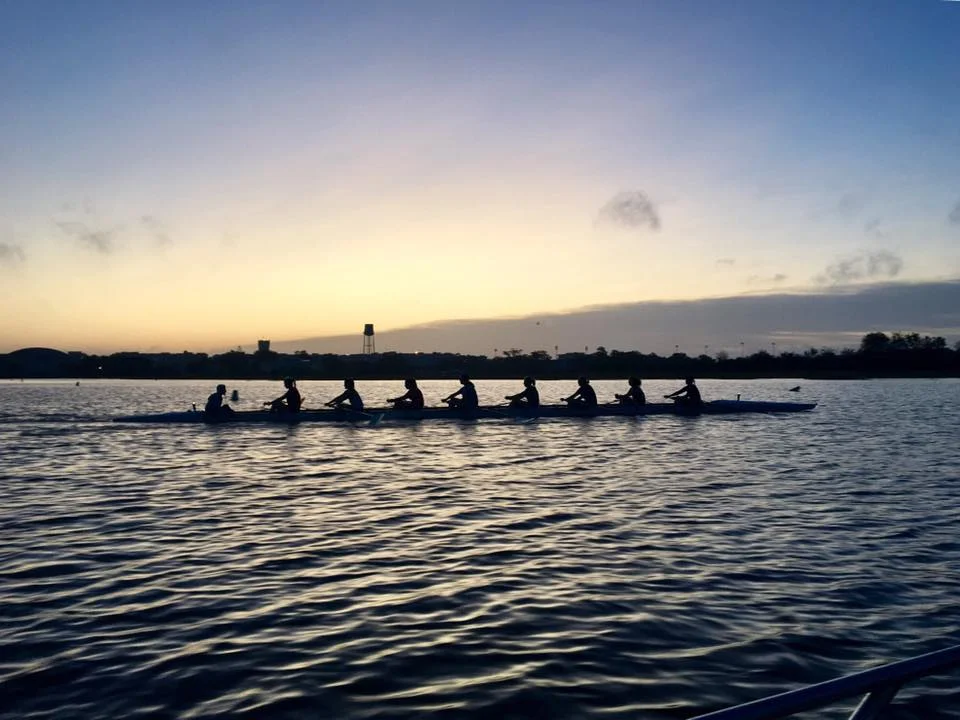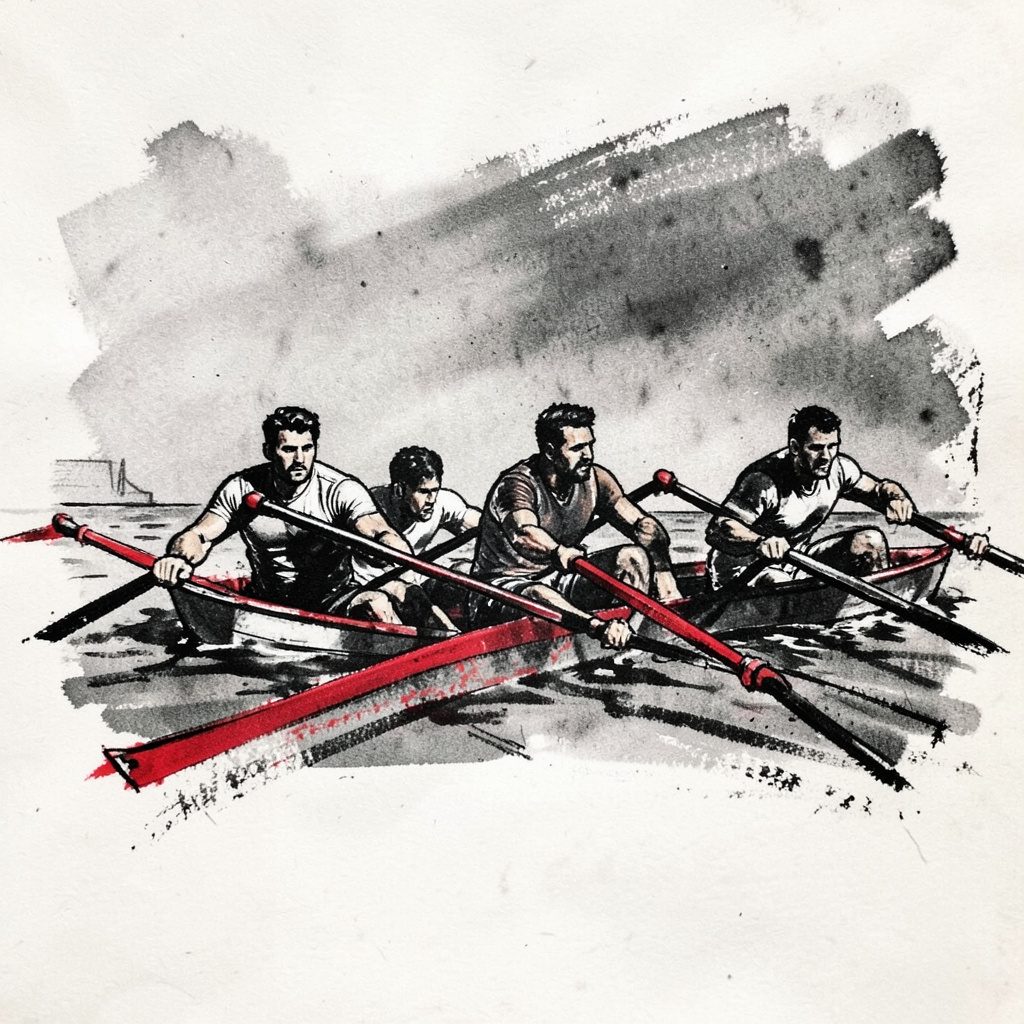
Clemson Sprints Weekend
Coverage and results from the team's trip to Clemson Sprints on Lake Hartwell.
Read More
A non-profit rowing team at the College of Charleston in Charleston, South Carolina.
Early training places a simple demand on the body: provide enough carbohydrate for power, some protein for recovery and fluids to replace overnight losses. Rowers do not need expensive powders or elaborate meal plans to meet that demand.
For students, the best approach is practical nutrition that fits class timetables, shared kitchens and a limited grocery budget. The same principles work whether training beside the Cooper River in Charleston or preparing for a chilly 6 a.m. outing in Melbourne, Sydney or Brisbane.
A morning session begins with the previous evening’s meal. Choose a carbohydrate base such as rice, pasta, potatoes, oats or bread, then add an affordable protein source. Eggs, tinned tuna, baked beans, lentils, milk and plain yoghurt usually cost less per serving than specialised sports products.
Avoid making dinner excessively rich or spicy if you are prone to stomach discomfort on the boat. A bowl of rice with vegetables and eggs, or pasta with lentils and tomato sauce, gives the muscles stored glycogen without creating a heavy feeling before bed.
Prepare breakfast before sleeping. Put oats in the fridge, portion cereal into a bowl or make a sandwich ready to grab. This prevents an early start from turning into skipped food or an expensive café purchase on the way to training.
A student-friendly rowing diet can be built from supermarket basics. In Australia, a large bag of rolled oats from Coles or Woolworths, seasonal bananas, peanut butter and powdered milk can provide several inexpensive breakfasts. Compare the unit price rather than choosing based on package size or branding.
Use leftovers strategically. Yesterday’s rice can become a quick breakfast with an egg, while extra pasta can fill a lunch container after training. Frozen berries and vegetables are useful in shared accommodation because they last longer than fresh produce and reduce food waste.
These choices provide readily available carbohydrate, moderate protein and enough energy for most steady or interval sessions. Add cinnamon, honey or jam for flavour if needed, but expensive “performance” toppings are optional.
For a workout beginning within 30 minutes of waking, keep the pre-row meal small and easy to digest. A banana, slice of toast with honey, a glass of milk or a few mouthfuls of yoghurt may be sufficient. Eating a large serve immediately before hard intervals can cause cramping.
With 60 to 90 minutes available, choose a more complete breakfast. Overnight oats, cereal with milk, or two slices of toast with eggs can support a longer session. The amount depends on body size, training intensity and individual tolerance.
A useful rowing guide can help beginners understand how session demands affect preparation. An easy technical row may require less food than a high-volume erg workout or race-pace water session.
After sleeping, most athletes benefit from drinking water before launching. Around 400–600 millilitres during the hour before exercise is a reasonable starting point, followed by small sips when practical. Hot Australian mornings, especially in Brisbane or Perth, may increase fluid needs, while a cold winter start in Hobart can reduce thirst without removing the need to drink.
Plain tap water is usually enough for a session under an hour. There is no need to buy bottled water when a reusable bottle can be filled at home or on campus. For longer training, heavy sweating or repeated sessions, a homemade drink with water, a small amount of cordial and a pinch of salt can be a low-cost alternative to commercial products.
Urine colour provides a rough guide, but it should not be treated as a precise test. Very dark urine, headache, unusual fatigue or dizziness may indicate that more fluid and recovery are needed. Avoid forcing large volumes of water, since excessive drinking can also be harmful.
Post-workout nutrition matters most when another training session, work shift or lecture-filled day follows. Aim to eat carbohydrate and protein within the next couple of hours. This does not require a branded recovery shake: a cheese sandwich, chocolate milk, yoghurt with oats, or rice with beans can work well.
A convenient recovery plate might include two eggs on toast and fruit, or a microwave rice pouch with tinned salmon and frozen vegetables. Buying larger economical packs and portioning them at home often lowers the cost, although food safety matters in shared fridges.
The College of Charleston Crew team’s mix of experienced athletes and beginners reflects an important principle: nutrition should support the training actually completed. A novice building consistency needs reliable meals and snacks, not the same intake as an athlete completing multiple demanding sessions each week.
Plan three or four breakfasts before shopping, then buy ingredients that overlap across meals. Australian seasonal fruit is often cheaper than imported berries, and a local banana can fuel training just as effectively. Markets in Adelaide or Melbourne may offer good produce prices late in the trading day, while supermarket home brands are useful for oats, rice and legumes.
Keep a small emergency snack in your training bag so a delayed bus or early class does not leave you under-fuelled. Portion snacks at home rather than buying them at the boathouse or campus vending machine.
| Training situation | Before rowing | During rowing | After rowing |
|---|---|---|---|
| Easy session under 60 minutes | Banana or toast if hungry | Water | Normal breakfast |
| Hard intervals | Oats, cereal or toast 60–90 minutes before | Water; add electrolytes in heat if needed | Carbohydrate plus protein |
| Long water session | Larger breakfast with oats and fruit | Water and affordable carbohydrate drink or snack | Full meal with rice, pasta or potatoes |
| Early race morning | Familiar, low-fibre meal | Small sips and planned fuel | Recovery meal soon afterwards |
Personal tolerance should guide final portions. Test breakfast timing during ordinary training, keep the ingredients familiar and adjust for heat, session length and appetite rather than copying another rower’s routine.
College of Charleston Crew fields competitive eights and fours in both Fall head races and Spring sprint regattas across the Southeast.
Learn MoreRecent news, recaps, and announcements from the team.
Coverage and results from the team's trip to Clemson Sprints on Lake Hartwell.
Read More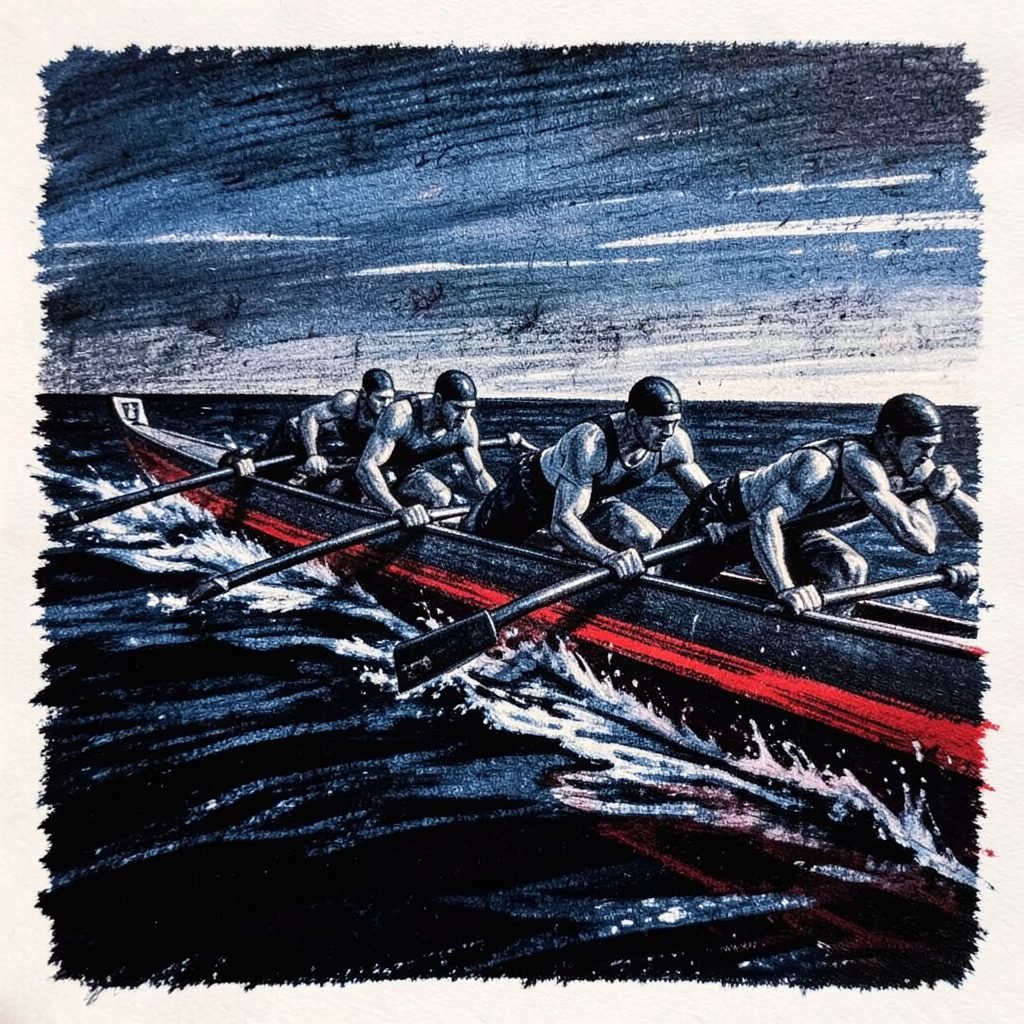
Spring lineup including Clemson Sprints, SIRA, Dad Vail, and ACRA National Championship.
Read More
Previews and recap of past Head of the Charles appearances, including the 50th annual regatta in 2014.
Read MoreTeam practice, regatta dates, and meetings are listed on the team calendar. Coaches post weekly schedules and travel details for upcoming race weekends.
Charleston Crew / CCAA
PO Box 12941
Charleston, SC 29422
Email: info@cofccrew.org
Phone: 843.513.5900
Phone: 843.276.4241
Interested in joining the team? Fill out the recruitment form and the coaches will follow up.