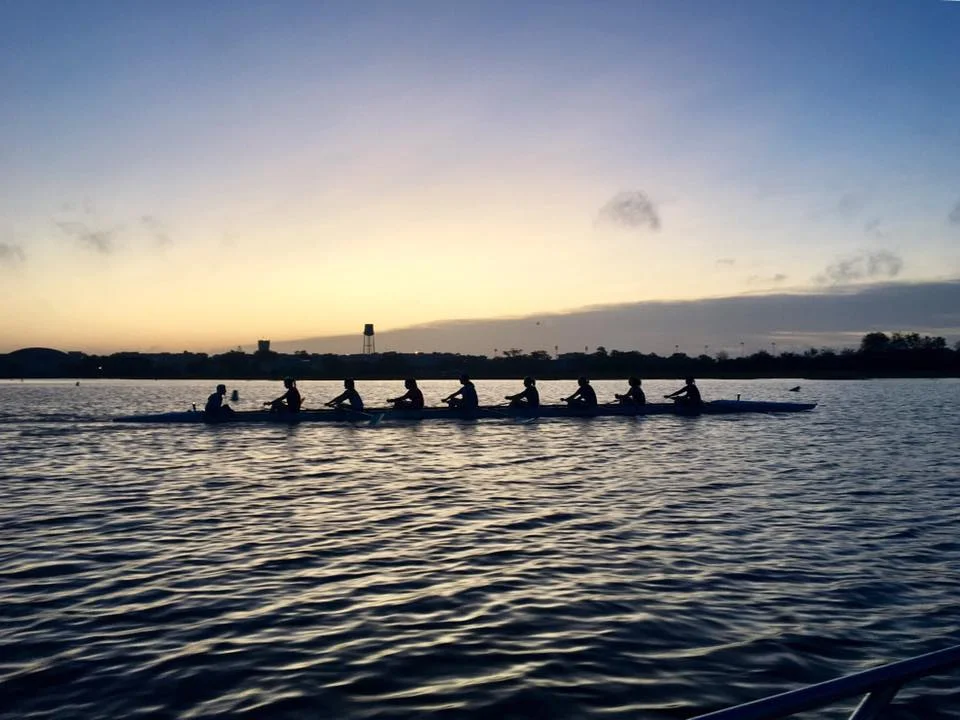
Clemson Sprints Weekend
Coverage and results from the team's trip to Clemson Sprints on Lake Hartwell.
Read More
A non-profit rowing team at the College of Charleston in Charleston, South Carolina.
Charleston's Lowcountry summers combine temperatures in the mid-30s Celsius with humidity that often pushes the heat index past 40. For the collegiate crew team, every kilometre down the Cooper River becomes a study in thermoregulation. The same physiological demands apply to rowers training along the Yarra in Melbourne during a January heatwave, or crews sweating through early-morning sessions on the Brisbane River in February. Heat does not discriminate between the Cooper and the Brisbane, and neither should a hydration strategy.
A rower can lose between one and two litres of sweat per hour in such conditions, and that fluid carries electrolytes critical for muscle contraction and nerve signalling. Underestimating these losses leads to cramping, dizziness, and a measurable drop in power output. The goal is not simply to drink more water but to replace what the body actually loses.
When core temperature climbs, blood is diverted to the skin to release heat, leaving less oxygen for working muscles. The heart works harder to compensate, and stroke volume drops. This is why a steady 2:00 split on a cool day feels effortless but becomes a grind when the mercury pushes 32°C with full sun.
Australian rowers face a familiar pattern. Summer regattas in Perth and Adelaide often start at dawn to dodge the worst of the heat, while crews in Hobart and Sydney adjust erg sessions indoors when the humidex climbs. Heat acclimatisation, typically requiring 10 to 14 days of progressive exposure, can reduce core temperature at rest by 0.5°C and lower sweat sodium concentration. The Lowcountry humidity, much like a Brisbane February morning, slows evaporative cooling and makes that adaptation even more important.
A short comparison of the main options rowers carry to the boathouse.
| Option | Sodium Content | Carbohydrate | Best Use Case | Drawbacks |
|---|---|---|---|---|
| Plain water | None | None | Sessions under 60 minutes | Insufficient electrolyte replacement |
| Sports drink | 400-700 mg/L | 4-8% | Sessions over 60 minutes or intense ergs | Can cause GI distress if overused |
| Electrolyte tablet in water | 300-1000 mg/L | Usually none | Long steady-state rows, hot days | Requires planning to carry tablets |
| Coconut water | ~250 mg/L | ~5% | Recovery, mild sessions | Lower sodium than needed for endurance |
Sports drinks work well for race-day intensity, but for a two-hour steady paddle they often deliver too much sugar and not enough sodium. Tablets, dissolved in a 750 mL bottle, give rowers control over concentration and tend to sit better on a queasy stomach.
Pharmacies in Australia stock electrolyte mixes that meet the standards set by Food Standards Australia New Zealand (FSANZ). Products labelled as "rehydration solutions" must contain specific sodium and glucose ratios to make that claim, which separates them from flavoured waters.
Locally available choices include:
Choosing among them comes down to taste tolerance, cost per session, and how the mix holds up in a water bottle left in the car. FSANZ rules also cap certain vitamin claims, so products marketed as performance boosters must carry approved structure-function language only.
A practical rhythm keeps most rowers out of trouble:
Coaches on the Cooper and captains on the Brisbane River tend to enforce weigh-in and weigh-out checks during the first two weeks of preseason. The number matters less than the trend. A consistent drop of more than 1% body weight across a week signals under-drinking, while weight gain suggests over-drinking without sweating.
Heat management becomes harder when a regatta falls on a back-to-back weekend. The team's regatta schedule lets rowers track travel days, hotels without refrigeration, and the local forecast at each venue. Reviewing it the Sunday before helps athletes pre-load electrolytes on travel days and pack enough tablets for the hotel-room bottles that often sit in warm cars.
A useful habit borrowed from Australian masters crews is to freeze electrolyte bottles the night before departure. They thaw slowly through the morning and arrive at the venue at the perfect chill for a 10 a.m. race.
Heat illness rarely announces itself. The first signs are subtle: a missed catch, a sloppy finish, a seat that suddenly feels wrong in the rigging. Athletes who have thought through how to choose the right seat in an eight tend to know their bodies well enough to notice those small slips before they become dangerous.
Warning signs that demand an immediate stop include:
Bow seat and stroke seat carry extra responsibility here. Bow must call the rating accurately even when vision blurs; stroke must hold consistent pressure through fog. Recognising early symptoms protects the whole crew, not just the individual.
College of Charleston Crew fields competitive eights and fours in both Fall head races and Spring sprint regattas across the Southeast.
Learn MoreRecent news, recaps, and announcements from the team.
Coverage and results from the team's trip to Clemson Sprints on Lake Hartwell.
Read More
Spring lineup including Clemson Sprints, SIRA, Dad Vail, and ACRA National Championship.
Read More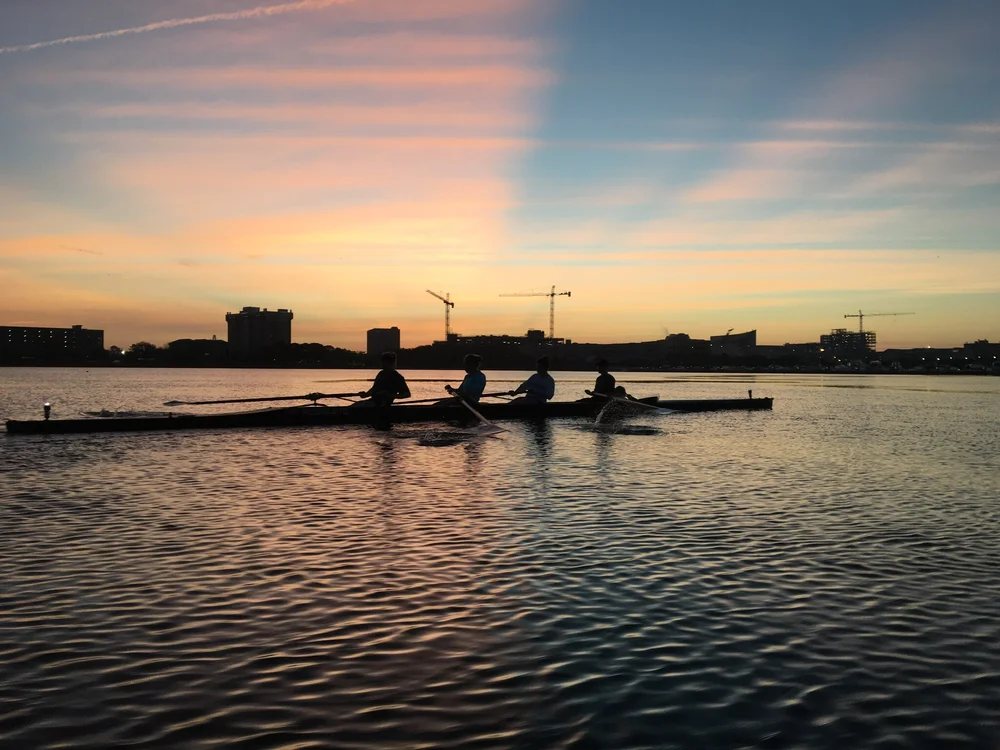
Previews and recap of past Head of the Charles appearances, including the 50th annual regatta in 2014.
Read MoreTeam practice, regatta dates, and meetings are listed on the team calendar. Coaches post weekly schedules and travel details for upcoming race weekends.
Charleston Crew / CCAA
PO Box 12941
Charleston, SC 29422
Email: info@cofccrew.org
Phone: 843.513.5900
Phone: 843.276.4241
Interested in joining the team? Fill out the recruitment form and the coaches will follow up.