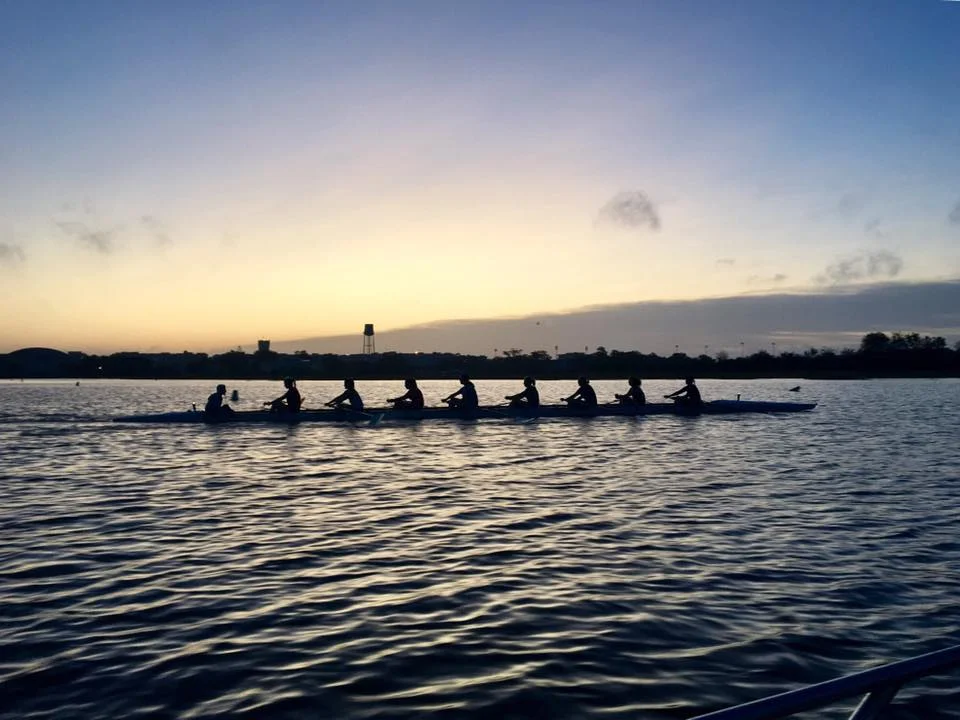
Clemson Sprints Weekend
Coverage and results from the team's trip to Clemson Sprints on Lake Hartwell.
Read More
A non-profit rowing team at the College of Charleston in Charleston, South Carolina.
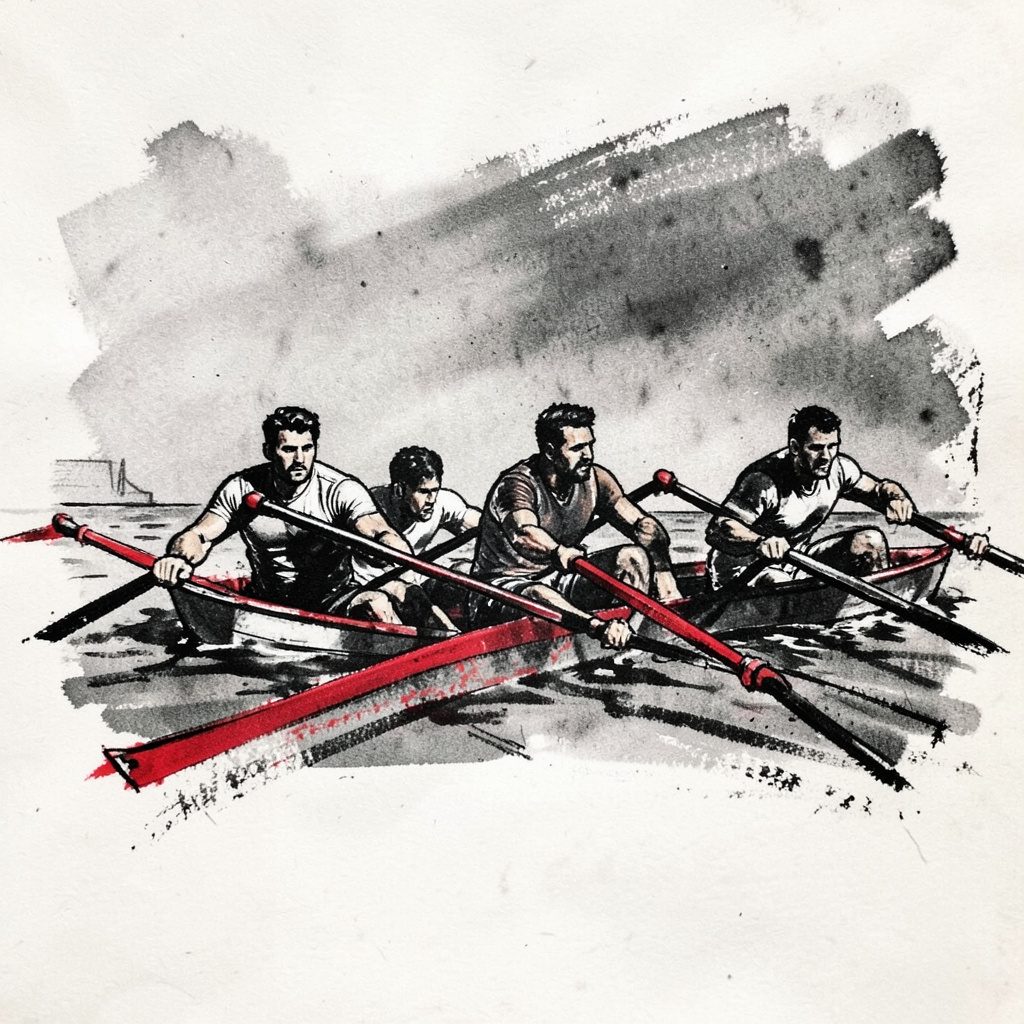
The Coach’s Corner: Tips for Cleaner Rowing Technique begins with a simple idea: efficient rowing is built through repeatable movement. A powerful stroke is rarely the result of forcing the handle. It comes from good posture, precise sequencing and a crew moving together.
For College of Charleston rowers, that work supports racing across the Southeast and along the U.S. East Coast. The same principles apply to an Australian athlete training on Sydney Harbour, the Yarra River or the Brisbane River, where changing wind, tide and boat traffic demand balance and control.
Beginners can learn these habits from the first session, while experienced rowers can use them to remove small faults that cost speed. A cleaner stroke reduces wasted effort, protects the lower back and gives the entire boat a more reliable rhythm.
At the catch, sit tall with a stable pelvis, relaxed shoulders and a firm but comfortable grip. Your shins should be close to vertical, and your body should feel ready to push through the foot stretcher. Avoid collapsing the chest or reaching by rounding the spine.
The drive starts with the legs. Keep the arms long as the seat moves, then add the body swing once the legs are engaged. The handle should travel smoothly towards the body rather than rising and falling. This connection between feet, seat and hands is the foundation of boat speed.
Think of the drive as legs, body and arms. The recovery reverses that order: arms, body and legs. This sequence helps the crew preserve momentum and prevents the shoulders from opening too early. Coaches can reinforce the pattern with pause rowing, feet-out drills and low-rate work.
Video is useful when a fault feels invisible from inside the boat. Reviewing the team photo archive will not replace technical footage, but it can remind athletes how posture, blade height and crew timing should look when the boat is balanced.
Longer does not always mean better. A controlled reach lets the blade enter cleanly while the body remains supported. Over-compressing at the front can tuck the pelvis under, slow the slide and make it harder to place the blade before the hull loses speed.
Use these checks before adding power:
Australian crews often train early to avoid heat, glare and afternoon traffic on busy waterways. That schedule makes technical discipline especially valuable: a few focused minutes at low pressure can produce better results than a rushed, exhausting session.
The blade should enter quietly and leave cleanly. A rushed catch makes the stern dip and interrupts the hull’s run, while a late finish sends the hands down too slowly and encourages splashing. Aim for a crisp square, a connected drive and a controlled extraction.
| Technical focus | Common fault | Useful correction |
|---|---|---|
| Catch | Over-compression | Shorten the slide slightly and keep the chest lifted |
| Drive | Opening the back early | Push first with the legs |
| Finish | Pulling past the body | Stop with the handle near the lower ribs |
| Recovery | Moving the seat too soon | Send the hands away before sliding |
| Blade | Washing out or skying | Practise square-blade rowing at low pressure |
On a tidal course such as Sydney Harbour, crews may feel the boat slow against current and rush to compensate. Resist that reaction. Maintain the same sequence, then adjust rating and pressure together under the coach’s direction.
Many crews focus on the drive and neglect the recovery, yet the recovery determines whether the next stroke can be effective. Move the hands away promptly, swing from the hips with control and allow the seat to travel smoothly. A quiet recovery gives the boat time to run.
Use this rhythm checklist during technical pieces:
A steady recovery also helps beginners feel welcome in a mixed-experience boat. Stronger rowers should demonstrate timing without rushing less experienced teammates, especially when learning new drills or adapting to a different shell.
Technique improves through short, specific feedback. Rather than correcting five faults at once, choose one priority, such as quiet hands, an earlier body swing or a cleaner catch. Repeat it at a manageable rating, then test it at race pace.
Land training should support the same movement pattern. Ergometer sessions can build leg drive and aerobic fitness, while mobility work for the hips, ankles and upper back can make good positions easier to hold. Australian athletes buying equipment should compare local pricing in AUD and consider reputable second-hand rowing machines before investing.
The College of Charleston Crew community offers a useful model of club rowing, where students can develop through coaching, competition and shared responsibility. Training logs, video review and constructive boat feedback help turn an isolated technical cue into a dependable habit.
In a regatta, technique must survive nerves, fatigue and changing conditions. Begin with a controlled rhythm rather than chasing the crews beside you. When the boat feels connected, increase pressure through the legs while preserving the same body order and blade placement.
Before racing on a river or harbour, check wind direction, sun position and water movement. Sunscreen, hydration and a light pre-race meal matter during long Australian regatta days, just as preparation matters before a Charleston race. Good rowing is a complete performance: physical readiness supports technical clarity.
The best crews make efficient movement look unremarkable. Their blades enter together, the hull runs between strokes and every athlete contributes without forcing the boat. Cleaner technique gives rowers more speed to access, more energy to spend late in a race and greater confidence in every training session.
College of Charleston Crew fields competitive eights and fours in both Fall head races and Spring sprint regattas across the Southeast.
Learn MoreRecent news, recaps, and announcements from the team.
Coverage and results from the team's trip to Clemson Sprints on Lake Hartwell.
Read More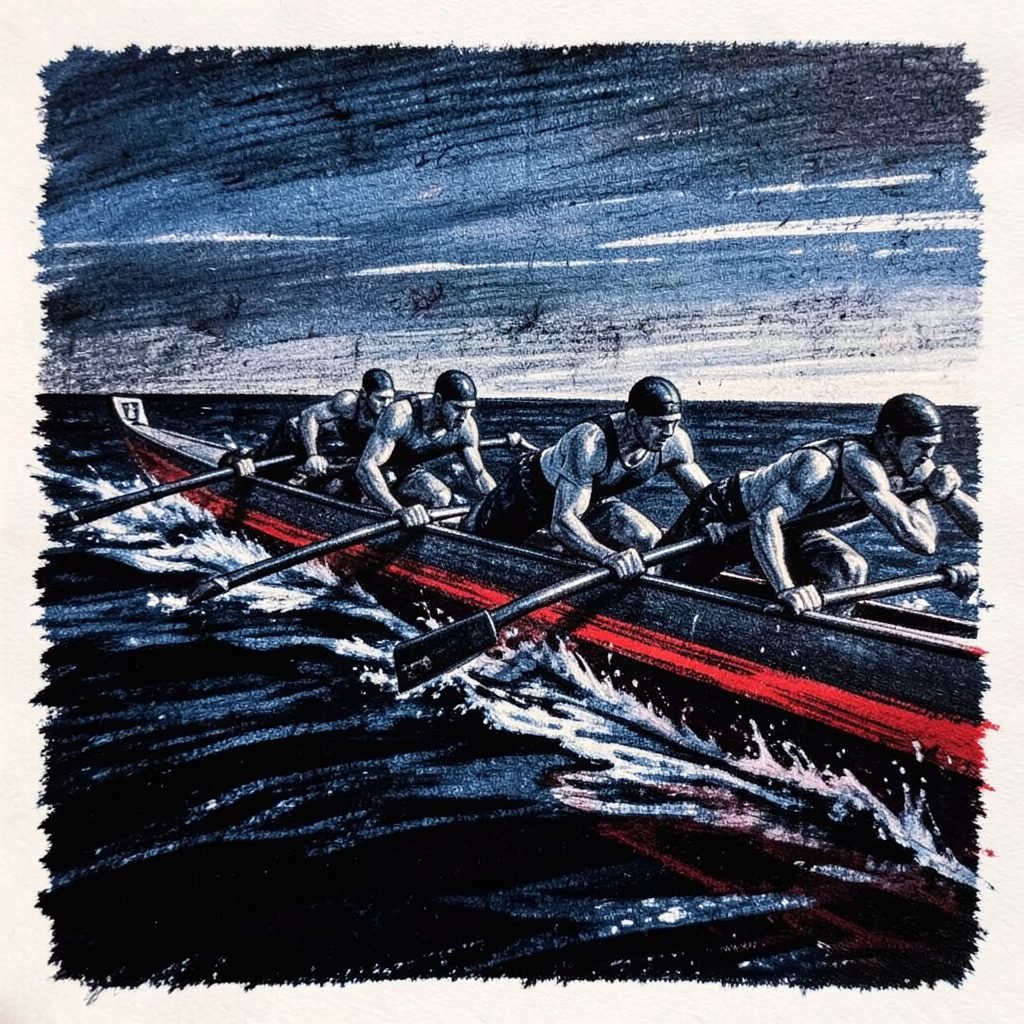
Spring lineup including Clemson Sprints, SIRA, Dad Vail, and ACRA National Championship.
Read More
Previews and recap of past Head of the Charles appearances, including the 50th annual regatta in 2014.
Read MoreTeam practice, regatta dates, and meetings are listed on the team calendar. Coaches post weekly schedules and travel details for upcoming race weekends.
Charleston Crew / CCAA
PO Box 12941
Charleston, SC 29422
Email: info@cofccrew.org
Phone: 843.513.5900
Phone: 843.276.4241
Interested in joining the team? Fill out the recruitment form and the coaches will follow up.