Clemson Sprints Weekend
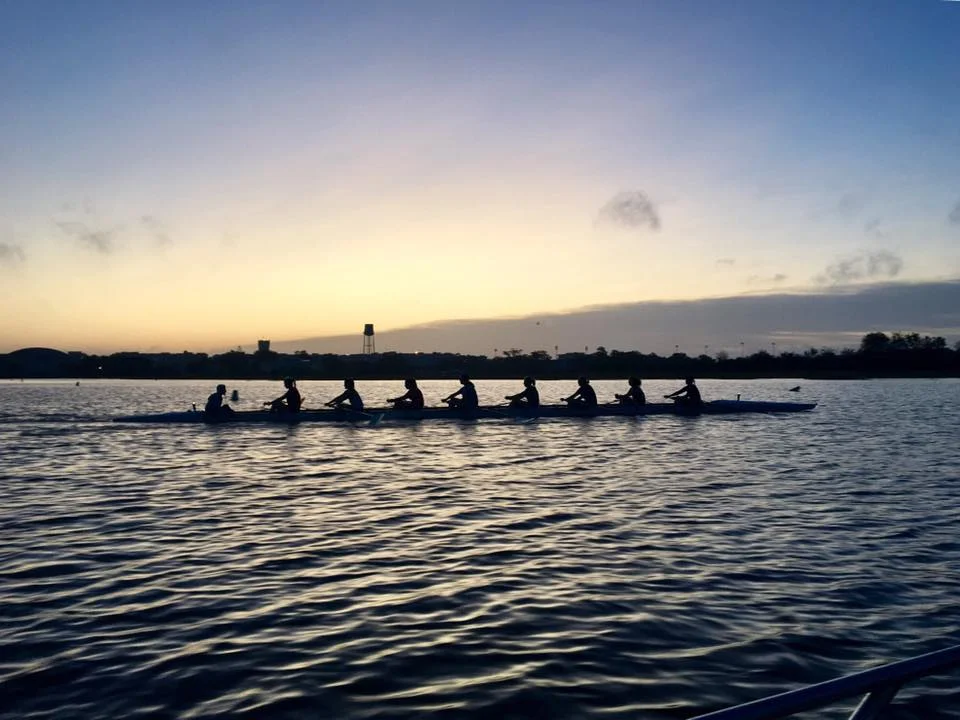
Coverage and results from the team's trip to Clemson Sprints on Lake Hartwell.
Read More
A non-profit rowing team at the College of Charleston in Charleston, South Carolina.
For a rowing squad, the erg room is where fitness becomes routine. At the College of Charleston, this indoor training space supports the crew through hot Carolina afternoons, winter weather and the long stretches between regattas. It is a place for power, pacing and careful repetition.
The rowing machine can look simple, but experienced athletes know how demanding it is. A few minutes at high intensity can test the legs, lungs and concentration more severely than a casual session on the water. For beginners, the erg room also offers a controlled way to learn rhythm before handling a racing shell.
Australian readers may recognise the atmosphere from club sheds in Sydney, Melbourne or Brisbane, where early starts, shared equipment and post-training coffee are part of rowing culture. The Charleston setting has its own character, yet the fundamentals are familiar: turn up, work together and build fitness one stroke at a time.
Water sessions depend on tide, wind, visibility and access to suitable lanes. Land training removes many of those variables. Coaches can set precise intervals, compare split times and keep a full group moving through the same workout, whether the crew is preparing for a sprint race or a longer head event.
The room also creates a reliable daily meeting point. Athletes learn who holds a steady rate, who thrives during short bursts and who needs help controlling the opening minutes of a piece. That shared knowledge strengthens boat preparation well beyond the machine.
Indoor rowing trains the full body when the movement is performed correctly. The drive begins with the legs, continues through the hips and finishes with the arms. On the recovery, athletes return in reverse order, maintaining balance and a consistent sequence.
This makes the erg useful for teaching technical habits. A rower can focus on posture, handle height and relaxed shoulders without the distractions of waves or steering. For Australian club athletes used to changing water conditions on the Yarra or Parramatta River, that consistency can be especially valuable during winter blocks.
A strong erg result is rarely produced by enthusiasm alone. The first strokes may feel easy, but an unsustainable opening pace can turn the final third into survival. Coaches therefore use split targets, stroke rates and timed intervals to help athletes understand sustainable effort.
Team workouts add a competitive edge without making every session a trial. Athletes can sit beside a training partner, share the burden of a difficult interval and finish with a clearer sense of their current condition. This is similar to the supportive pressure found in Australian club time trials, where performance matters but attendance and progression matter too.
The physical room matters, but its culture matters just as much. Athletes become comfortable asking for technical feedback, adjusting foot stretchers and learning how to prepare for demanding pieces. Beginners gain confidence because they can improve visibly from week to week.
The wider CofC Crew website reflects that community focus through its team information, competition updates and contact details. An online presence helps prospective rowers understand that club rowing is open to people with different backgrounds, including students who have never held an oar before.
Modern ergometers produce plenty of information: average split, watts, stroke rate, heart rate and distance. These numbers can guide a training plan, but they do not replace observation. A rower may post a quick split while using poor form, or record a slower session while returning from illness or building endurance.
Good coaching places data in context. The aim is to understand trends rather than chase a single impressive score. That approach also suits the Australian market, where athletes may train with different machines at university gyms, commercial fitness centres and community rowing clubs.
Repeated intervals can become mentally heavy, so coaches often change formats. Short bursts sharpen speed, longer pieces build aerobic strength and technical pauses expose flaws in rhythm. Partner workouts create accountability, while quiet endurance rows teach patience.
The team’s online material can also include broader, lighter strategy content, such as this strategy review. It sits outside rowing, but the principle of making deliberate choices under pressure has an obvious parallel in racing: control the plan, read the situation and avoid wasting energy early.
The erg room is most effective when every session has a purpose. A training block may prepare the crew for a high-rate sprint, strengthen the finish of a longer race or rebuild fitness after a break. Athletes learn how indoor targets translate into boat speed, crew rhythm and confidence at a regatta.
That connection depends on clear leadership. The coaching team profile gives athletes and supporters a closer look at the people guiding the programme. Coaches turn raw effort into a structured pathway, linking daily land training with the demands of competition across the Southeast and along the East Coast.
Small routines help rowers train safely and consistently, whether they are in Charleston or preparing for a club season in Australia.
The erg room cannot reproduce every demand of open water, but it can develop the fitness, discipline and teamwork that make a crew faster. For CofC rowers, it is a dependable training home: practical, demanding and closely connected to the boat waiting outside.
College of Charleston Crew fields competitive eights and fours in both Fall head races and Spring sprint regattas across the Southeast.
Learn MoreRecent news, recaps, and announcements from the team.
Coverage and results from the team's trip to Clemson Sprints on Lake Hartwell.
Read More
Spring lineup including Clemson Sprints, SIRA, Dad Vail, and ACRA National Championship.
Read More
Previews and recap of past Head of the Charles appearances, including the 50th annual regatta in 2014.
Read MoreTeam practice, regatta dates, and meetings are listed on the team calendar. Coaches post weekly schedules and travel details for upcoming race weekends.
Charleston Crew / CCAA
PO Box 12941
Charleston, SC 29422
Email: info@cofccrew.org
Phone: 843.513.5900
Phone: 843.276.4241
Interested in joining the team? Fill out the recruitment form and the coaches will follow up.