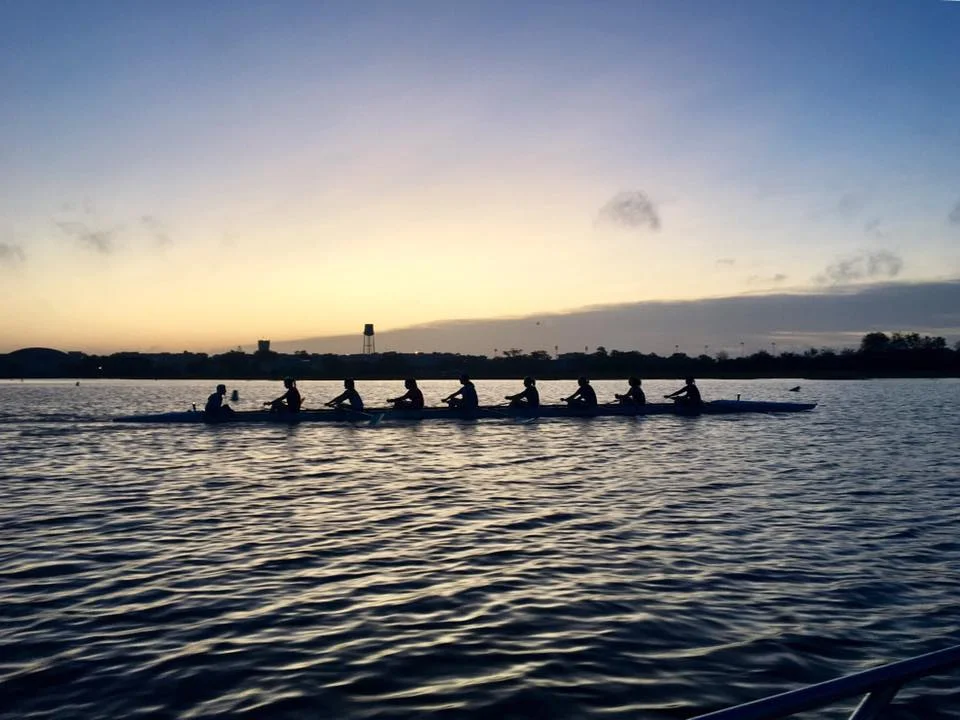
Clemson Sprints Weekend
Coverage and results from the team's trip to Clemson Sprints on Lake Hartwell.
Read More
A non-profit rowing team at the College of Charleston in Charleston, South Carolina.
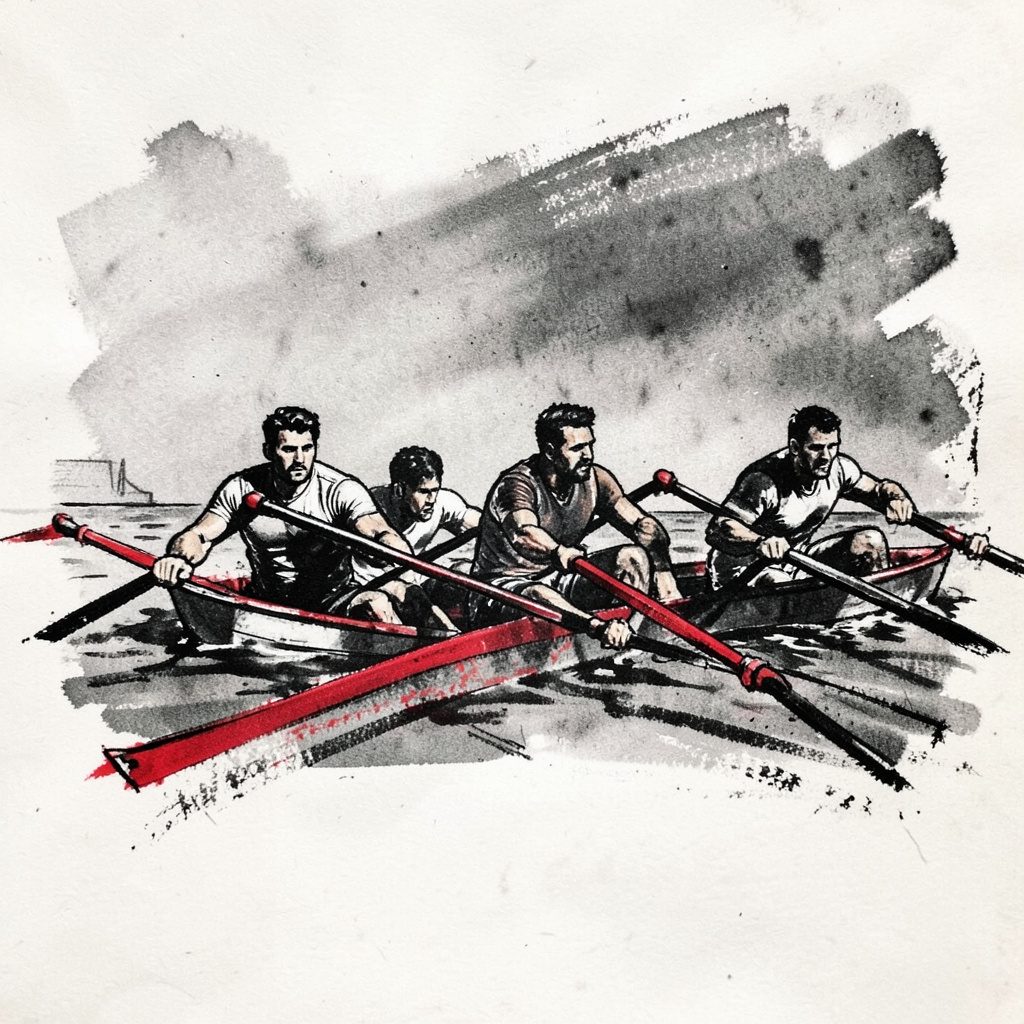
In a sweep eight, the stroke seat is the crew’s rhythmic reference point. Eight rowers can feel boat speed differently, so the stroke translates that shared sensation into calls. The aim is a common tempo rather than eight separate efforts.
The job combines technique, judgement and trust. The coxswain steers and manages safety; the stroke seat organises power, length and timing around those priorities, giving the crew a stable pulse from start to finish.
At the College of Charleston, that discipline supports a programme for experienced oarsmen and beginners. As the team races across the Southeast and along the East Coast, rhythm becomes both a competitive asset and a daily habit of belonging to the boat.
The stroke seat’s authority comes from consistency. A crew learns to trust a rate that can rise under pressure, soften after a poor start and return when the race becomes uncomfortable. Calls such as “settle”, “more” and “easy” stay short because delay breaks coordination.
Rate is not speed. A fast stroke can waste energy if the blades skid, the finish breaks or the boat surges between efforts. The stroke seeks efficient boat speed through clean length, connected pressure and recovery that keeps the shell moving.
Australian rowing clubs, from Melbourne to Sydney, often value that direct style. A strong piece earns “good on you”; a wobbled one draws “no worries, settle again” before the crew looks for the next improvement.
The technical job begins at the catch, where hands move away and the blade enters without a slap. Through the drive, legs and body deliver force before the arms. A complete finish and smooth recovery preserve the shape established earlier in the stroke.
The stroke watches those details without chasing them. Asking for length can produce a faster boat only if the crew stays connected. A call for drive may suit a headwind; a request for easy can stop fatigue from becoming a technical collapse.
The College of Charleston Crew Team’s team history places this responsibility within a collegiate tradition where practice, coaching and crew culture develop together. A stroke seat learns to lead through rowing technique first and personality second.
Calls work best when the crew hears one instruction at a time. The language of a moving boat is short, specific and calm. During a race, the stroke must preserve rhythm while the cox responds to a lane, buoy or passing crew.
Australian clubs frequently use straightforward directions. “Pick it up” means raise the rate, “give it a rest” means reduce it, and “steady” means recover control. The vocabulary travels easily between local regattas and international crews.
Tone matters as much as wording. A stroke who snaps after a missed stroke frightens the crew; one who stays measured gives them time to rebuild. Clear calls, backed by rowing that demonstrates the intended change, build confidence quickly.
Training turns the seat into a decision-maker. Video, ergometer pieces and repeated starts teach the stroke to compare effort with boat speed. When the race schedule stretches across several regattas, preparation also includes travel planning, recovery and knowing when practice should be shortened.
Regattas in America and Australia share practical features: formal entry systems, dedicated volunteer committees, and clubs using memberships, donations and fundraising for travel, boats and race fees. That volunteer base matters to collegiate programmes, whose students may graduate before a campaign ends.
The water sets the terms. Australian crews learn this around venues such as Melbourne’s Yarra River and Sydney Harbour, where wind, current and tidal timing can alter a race plan. Charleston crews face their own variables, so athletes must adjust rhythm without confusing conditions with poor form.
The best stroke seats combine authority with restraint. They prepare the kit, listen to the cox and make decisions for the whole shell. They can lead a fast start, settle a nervous crew and stay quiet when the boat is already running well.
Several habits consistently distinguish a trusted leader:
A crew moves as one when its rhythm is clear, patient and shared. The stroke seat earns that unity through hundreds of ordinary repetitions, giving teammates a standard they can trust and a boat they can hear as one.
College of Charleston Crew fields competitive eights and fours in both Fall head races and Spring sprint regattas across the Southeast.
Learn MoreRecent news, recaps, and announcements from the team.
Coverage and results from the team's trip to Clemson Sprints on Lake Hartwell.
Read More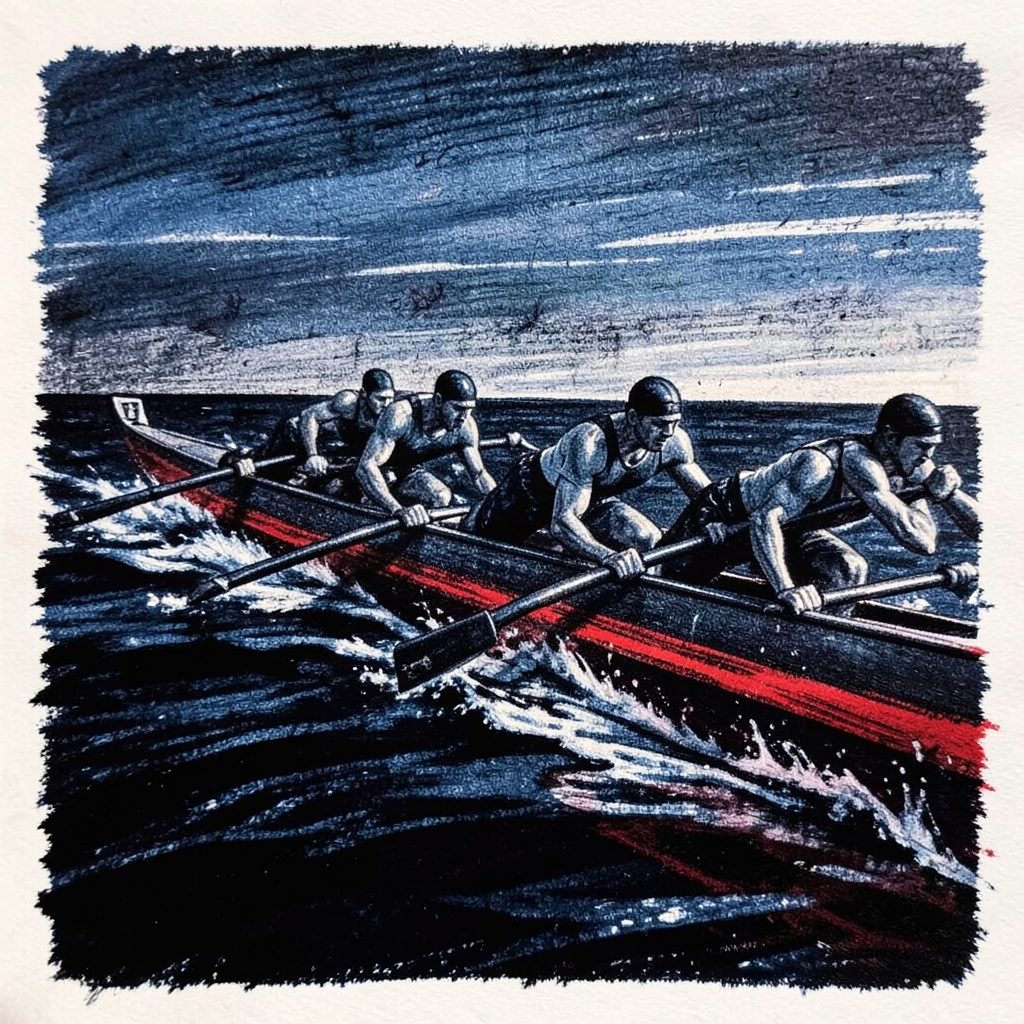
Spring lineup including Clemson Sprints, SIRA, Dad Vail, and ACRA National Championship.
Read More
Previews and recap of past Head of the Charles appearances, including the 50th annual regatta in 2014.
Read MoreTeam practice, regatta dates, and meetings are listed on the team calendar. Coaches post weekly schedules and travel details for upcoming race weekends.
Charleston Crew / CCAA
PO Box 12941
Charleston, SC 29422
Email: info@cofccrew.org
Phone: 843.513.5900
Phone: 843.276.4241
Interested in joining the team? Fill out the recruitment form and the coaches will follow up.