Clemson Sprints Weekend
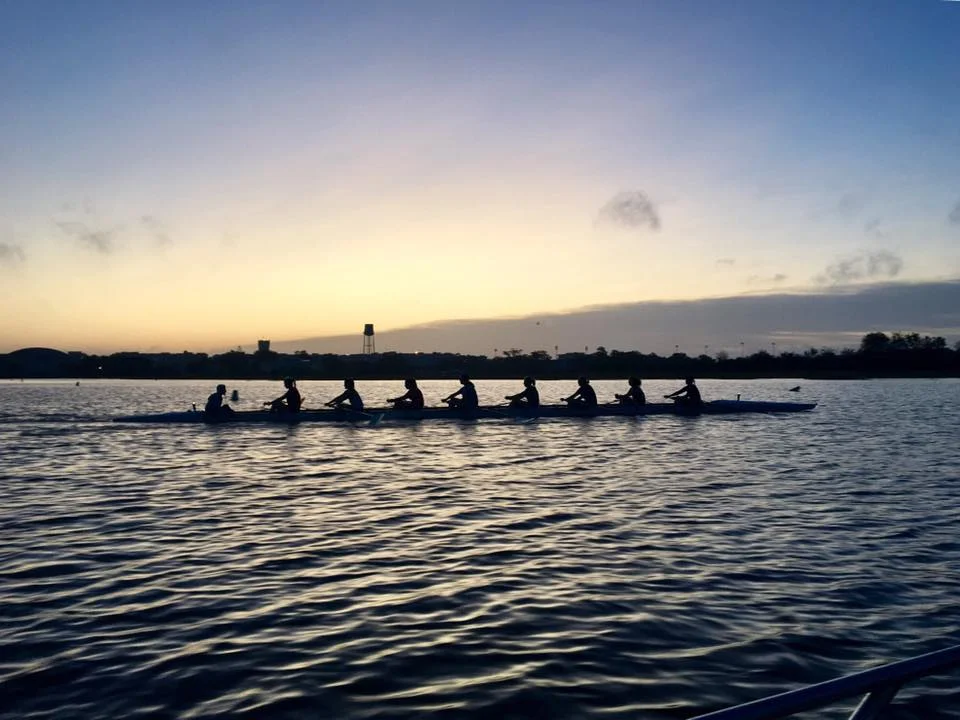
Coverage and results from the team's trip to Clemson Sprints on Lake Hartwell.
Read More
A non-profit rowing team at the College of Charleston in Charleston, South Carolina.
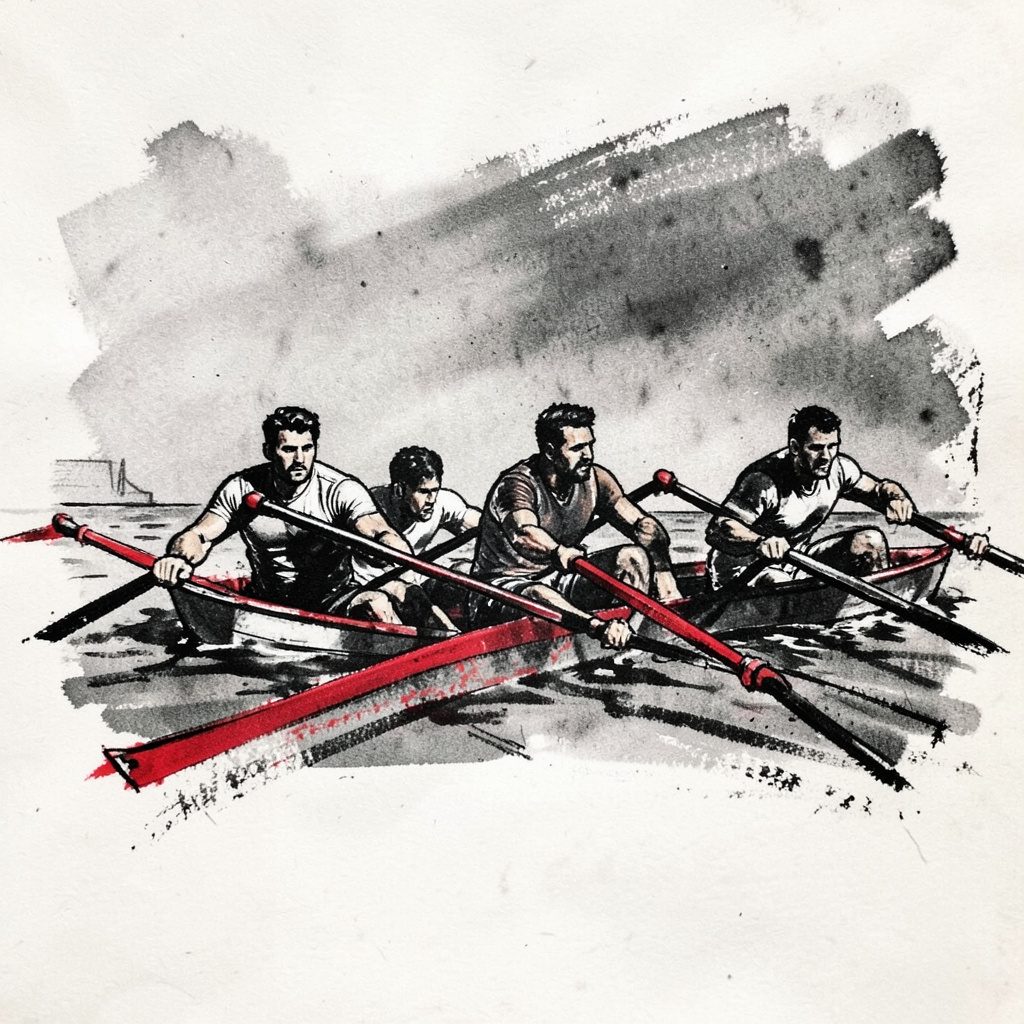
Most rowers will tell you that the stroke seat is the most important seat in the boat, and they are not far off the mark. Positioned at the very back of an eight, directly in front of the coxswain, the stroke rower sets the rhythm that every other oar follows, stroke for stroke. For a club like the Cougar crew programme, where athletes often join with vastly different levels of experience, this role becomes even more defining. The stroke seat acts as both metronome and motivator, translating a coach's plan into something the crew can feel through their hands and their blades.
Australian rowing culture has long understood this truth. On the Murray River, where the famous Henley-on-Murray regatta draws crews from across the country each January, old hands in the boat sheds will say that you do not win a race in the engine room — you lose it there. The stroke seat decides whether the boat feels like one living organism or eight separate people rowing at the same time. When it works, the hull glides as if on rails and the catches arrive together without anyone having to think about it.
The stroke seat also carries the job of absorbing whatever the water and weather throw at the shell. Headwinds, chop, and cross-currents all hit the back of the boat first, and the stroke rower must hold the rate steady while the crew behind fights to match. It is a position that demands a particular blend of physical capacity and emotional control, which is why it is rarely handed to a first-year rower.
At its simplest, the stroke seat is the pace-setter. Every rating the coach calls — a 28, a 32, a 36 — is anchored by the person in that seat. The blade enters the water a fraction of a second before everyone else's, giving the rest of the crew a target to chase. If the timing is clean, the boat accelerates as if the catches are linked by an invisible chain. If it is sloppy, the shell loses speed with every missed millisecond.
Beyond pace, the stroke seat holds the technical standard for the crew. When a coach yells "lengthen at the front" or "tall at the finish", it is the stroke rower who is expected to embody that change first. Other seats look to the back of the boat for reference, the same way cyclists in a city spin class will watch the rider at the front to hold a steady cadence. The stroke seat is the front of the boat, and everything behind mirrors what they do.
For a collegiate program, this responsibility often falls on someone still learning the sport themselves. Many stroke seats are juniors or seniors who have spent three or four seasons absorbing technique and culture before being trusted with the role, and they carry the lessons of past crews into each new year.
There is a real difference between rating and rhythm, and the stroke seat must master both. Rating is the figure flashing on the speed coach — strokes per minute. Rhythm is harder to pin down. It is the feel of the boat, the way each stroke flows into the next with a consistent ratio of drive to recovery. A crew can be rowing at a 30 and feel as though they are plodding, or they can be at a 28 and feel as if the boat is humming along like a freight train.
Australian crews who train on the Nepean or race the Head of the Yarra often talk about "finding the groove", and the same phrase applies on any stretch of water. When the rhythm is right, the boat runs level, the run between strokes feels long, and the catches come together as if on cue. The stroke seat is responsible for finding that groove and protecting it when wind, waves, or fatigue threaten to break it.
When a race kicks into its final 500 metres and legs are burning, the rate often wants to climb on its own. The stroke seat must hold the boat in the right place — not too fast, which leads to a rushed stroke and a quick fade, and not too slow, which surrenders water to the crew alongside. They are constantly adjusting, listening to the coxswain, reading other boats, and feeling what the hull is telling them.
The stroke seat is also usually one of the stronger rowers in the boat, but brute strength is not enough on its own. A powerful stroke rower who catches early and rushes the slide will wreck the timing of the whole crew. The job demands clean technique applied with consistent pressure, so the boat feels the same whether the rating is 26 in a steady piece or 36 in a sprint.
Coaches look for a stroke seat whose drive sequence is repeatable and whose hands stay level. A wobbly finish or a deep catch at the back of the boat sends ripples through the rigging that the bow pair feels a second later. The stroke seat also needs to know how to handle the boat when conditions turn nasty — a southerly buster sweeping across Sydney Harbour, for instance, can stack chop against the stern and make every stroke feel heavier than it should.
At the College of Charleston, where the team races up and down the East Coast against varied conditions, the stroke seat learns to adapt. A regatta in flat water on Charleston Harbour is a different animal from a head race in chop on the Cooper River or a windy weekend further north. The technical base has to be strong enough to absorb those changes.
Sitting at stroke is as much a mental job as a physical one. The rower in that seat hears the coxswain, feels the crew's energy, and sees the other boats — all at once. On a calm morning when the water looks like glass and the rating sits at a comfortable 22, the mind wanders. The stroke seat must bring it back.
A shed saying in Aussie clubs goes something like "if your head's not in the boat, your blade's not in the water", and it is doubly true at stroke. A distracted stroke rower is a slow stroke rower. The mental load includes remembering the race plan, reacting to the coach's launch, staying aware of lane lines, and managing nerves during a start when the heart is pounding and the eyes are watering from exertion. The best stroke seats learn to quiet their thoughts once the race begins and let the body do the work they have practised thousands of times.
It is a skill that takes seasons to build, and one that transfers well to whatever someone does after their time in the boat.
The stroke seat sits close enough to the rest of the crew to feel their timing, but separated enough that direct conversation is hard. Communication happens through the boat itself — through the swing of the hull, the pressure on the footplate, the sound of the catches. The stroke seat adjusts in real time, and the rest of the crew responds.
Before the start, the stroke seat often sets the tone of the boat by how they speak to the crew. A calm "we've got this, focus on the catch" lands very differently from a frantic scramble. Experienced stroke seats read the energy and match it. A crew that needs fire gets a sharp call, while a crew that is wound too tight gets a slower reminder to relax.
Coxswains and stroke seats develop a particular shorthand over a season. The cox calls a piece, the stroke seat nods, and the crew moves. It is a partnership built on hundreds of kilometres together, and when it clicks, the boat feels as though it has one mind.
Coaches do not simply pick the strongest rower for stroke. They look for a combination of technical consistency, mental composure, and the ability to handle pressure. A rower who trains beautifully at a 20 but freezes at race pace is not the right fit for the seat.
Selection usually happens gradually. A rower might spend a season in the seven seat, learning the rhythm of the boat without the responsibility of leading it. From there, they may move to stroke in smaller boats — a pair, a four, a single at times — to get used to setting the pace from the back. By the time they sit at stroke in an eight, they have already learned how the boat moves under their hands.
For the Cougars, this developmental approach is part of the culture. Novice rowers learn the role by watching seniors embody it, and they carry those lessons forward when their own turn comes. Following the latest team news shows how often current stroke seats credit older crews for shaping the way they row today.
The habits built in the stroke seat travel well past the boat ramp. Setting a rhythm, holding composure under pressure, communicating without words, and being accountable to a team all show up later in life — in classrooms, workplaces, and family settings.
Plenty of former stroke seats go on to lead teams, run projects, or coach the next generation of rowers. The discipline of holding a boat together at 35 strokes a minute, day after day, leaves a lasting mark. For anyone considering trying out for a collegiate crew team, the stroke seat is a goal worth aiming for. It is the seat where rowing stops being something you do and becomes something you shape.
Traits of an effective stroke seat:
Common mistakes new stroke seats make:
College of Charleston Crew fields competitive eights and fours in both Fall head races and Spring sprint regattas across the Southeast.
Learn MoreRecent news, recaps, and announcements from the team.
Coverage and results from the team's trip to Clemson Sprints on Lake Hartwell.
Read More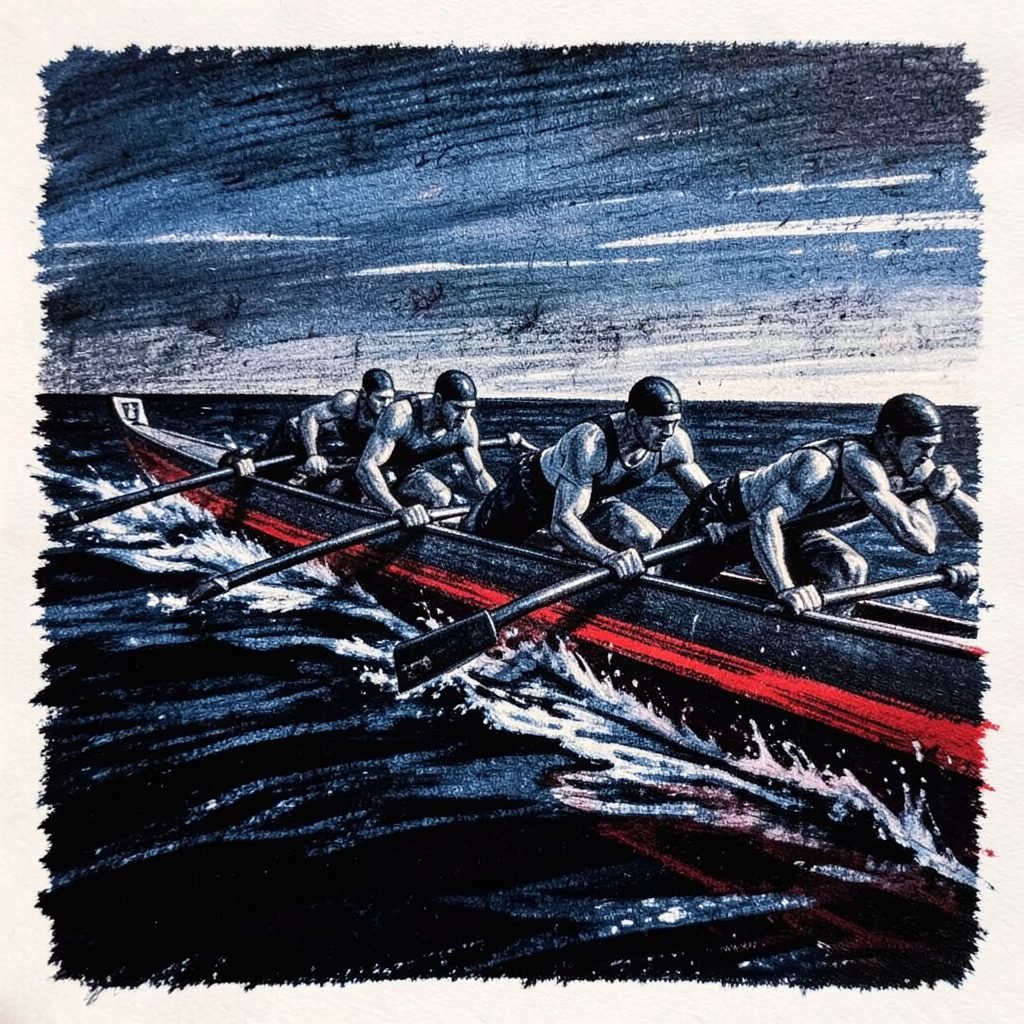
Spring lineup including Clemson Sprints, SIRA, Dad Vail, and ACRA National Championship.
Read More
Previews and recap of past Head of the Charles appearances, including the 50th annual regatta in 2014.
Read MoreTeam practice, regatta dates, and meetings are listed on the team calendar. Coaches post weekly schedules and travel details for upcoming race weekends.
Charleston Crew / CCAA
PO Box 12941
Charleston, SC 29422
Email: info@cofccrew.org
Phone: 843.513.5900
Phone: 843.276.4241
Interested in joining the team? Fill out the recruitment form and the coaches will follow up.