Clemson Sprints Weekend
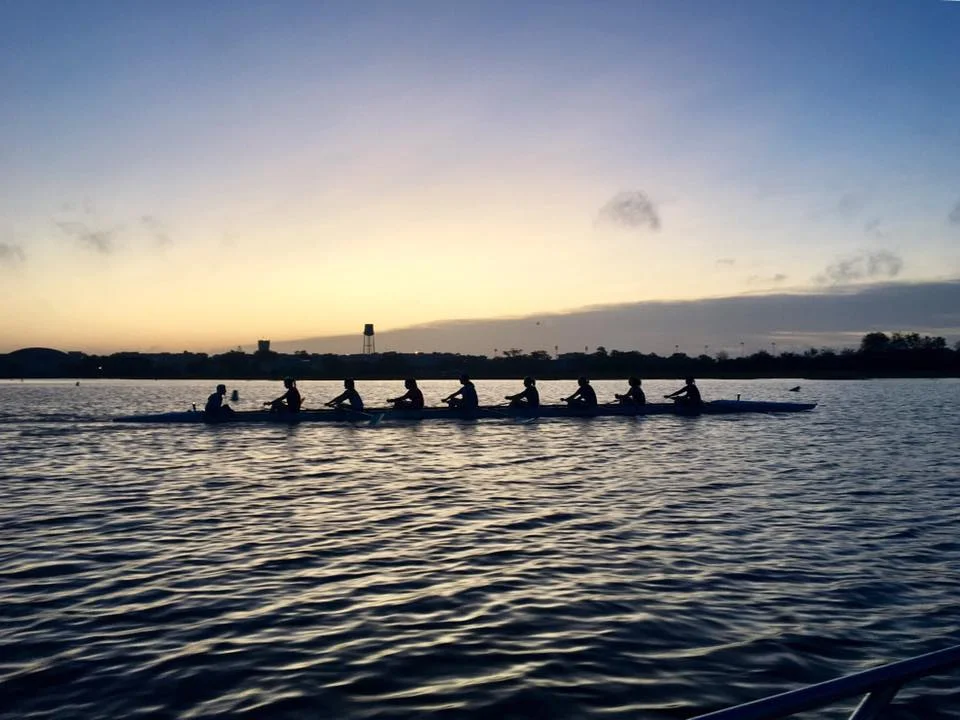
Coverage and results from the team's trip to Clemson Sprints on Lake Hartwell.
Read More
A non-profit rowing team at the College of Charleston in Charleston, South Carolina.
Sculling and sweep rowing are two ways of propelling a racing shell, and the difference extends beyond where the oars sit. In sculling, a rower carries two smaller oars, one in each hand. In sweep rowing, every rower carries one longer oar. The boat, the crew and the race terminology all change with that choice. Learn more about Coaches.
Australian club rowers often encounter both styles without much fuss. A beginner might have a go in a single scull, then spend a season in a coxed four, while an experienced sweep rower learns to scull during a skills session. Regattas on Melbourne’s Yarra River, Sydney Harbour and Adelaide’s Torrens River commonly bring together eights, quads, doubles and singles. Learn more about Cofccrew.org.
Our take is simple: neither style is automatically better. Each rewards different skills, and the right choice depends on the athlete, the boat available and what the crew wants to achieve. A flexible squad gives rowers more ways to contribute, which matters for a collegiate club built around performance, participation and a genuine social crew.
In sculling, each rower holds a scull in each hand. The handles remain above the water while the blades enter in pairs, giving the rower control over both sides of the boat. A sweep rower holds one oar and rows on an assigned side, with the blades working on alternating port and starboard sides.
Sculling therefore requires symmetrical blade work and careful timing across the boat. Sweep rowing spreads the load between port and starboard athletes and often creates a strong collective feel in an eight, where four rowers contribute to each side. The basic stroke sequence remains the same in both styles: catch, drive, finish and recovery.
Sweep boats include the pair, four and eight. Most are steered and organised by a coxswain, who faces the crew, calls the stroke and helps maintain boat balance. Sculling boats range from the single and double to the quad, with most competitive racing sculls being coxless. A quad still needs four athletes to coordinate two oars each.
Australian race sheets may use familiar shorthand such as eight, quad, double and single, while club competitions can separate entries into A, B or C grade. “Head of the river” racing is also part of local rowing language, particularly around larger regattas. For prospective rowers, talking with the coaching team can clarify how boat type, crew size and experience affect collegiate training.
Handling is the biggest practical distinction. A sweep shell runs naturally straight only when power and timing on both sides match. A small imbalance can pull the boat away from its line, which explains the importance of the coxswain and clear commands. In a scull, the rower can adjust either handle, but both hands remain occupied, making rhythm, blade angle and steering even more demanding.
Conditions influence how noticeable these differences become. Sydney Harbour’s tide and wind can expose small steering errors, while the Yarra offers a narrower and often more sheltered course. Perth’s Swan River provides broad racing lanes where tiny balance changes have room to develop. Rowers still need to adapt their steering, pressure and race plans to the water rather than treating one boat or venue as universal.
A supervised trial gives a new rower useful information before committing to a regular crew. Australian coaches may describe an enthusiastic beginner as a “good keen rower” and encourage them to “have a go” in a safe session. The purpose is to compare boat handling and crew dynamics, not to identify a permanent label.
Most Australian rowing clubs operate through memberships, volunteer support, fundraising and shared equipment, so taking part in a variety of sessions is normal. These trials also reveal whether an athlete prefers the direct responsibility of sculling or the teamwork and cox communication of sweep rowing.
Sculling develops fine blade control and independent steering, while sweep rowing builds power through shared sides and close communication. Athletes can transfer useful skills between them, even if they eventually specialise. Scull technique can improve a sweep rower’s balance, and sweep timing can sharpen a sculler’s sense of connection with the boat.
That transfer is valuable within a collegiate team. At College of Charleston crew, experienced rowers and beginners have different ways to contribute, and competition throughout the Southeast and along the U.S. East Coast provides goals for both groups. A varied programme lets more athletes find suitable boats, fill more seats and take part in the same crew culture.
Our preference is for rowers to cross between disciplines rather than remain confined by them. The strongest teams treat sculling and sweep rowing as complementary skills, creating a broader training base and a more adaptable squad.
College of Charleston Crew fields competitive eights and fours in both Fall head races and Spring sprint regattas across the Southeast.
Learn MoreRecent news, recaps, and announcements from the team.
Coverage and results from the team's trip to Clemson Sprints on Lake Hartwell.
Read More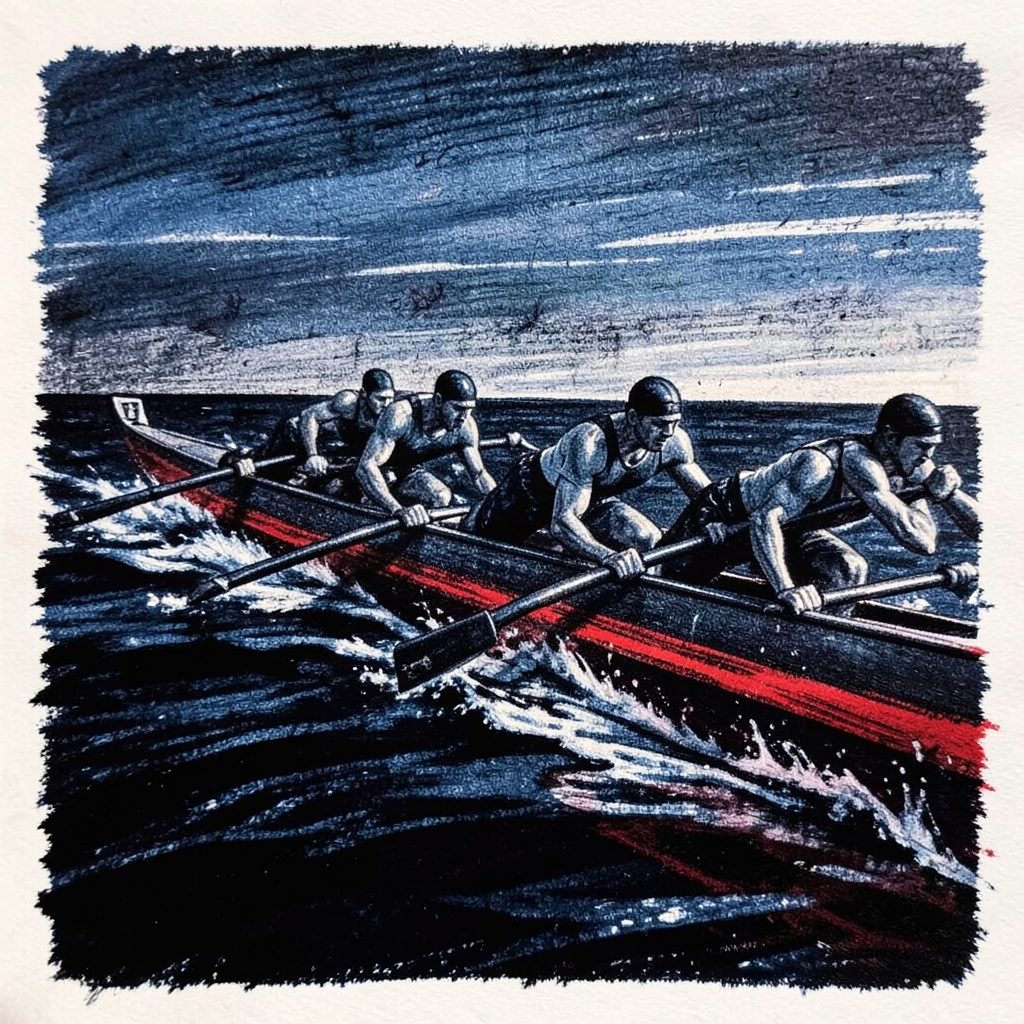
Spring lineup including Clemson Sprints, SIRA, Dad Vail, and ACRA National Championship.
Read More
Previews and recap of past Head of the Charles appearances, including the 50th annual regatta in 2014.
Read MoreTeam practice, regatta dates, and meetings are listed on the team calendar. Coaches post weekly schedules and travel details for upcoming race weekends.
Charleston Crew / CCAA
PO Box 12941
Charleston, SC 29422
Email: info@cofccrew.org
Phone: 843.513.5900
Phone: 843.276.4241
Interested in joining the team? Fill out the recruitment form and the coaches will follow up.