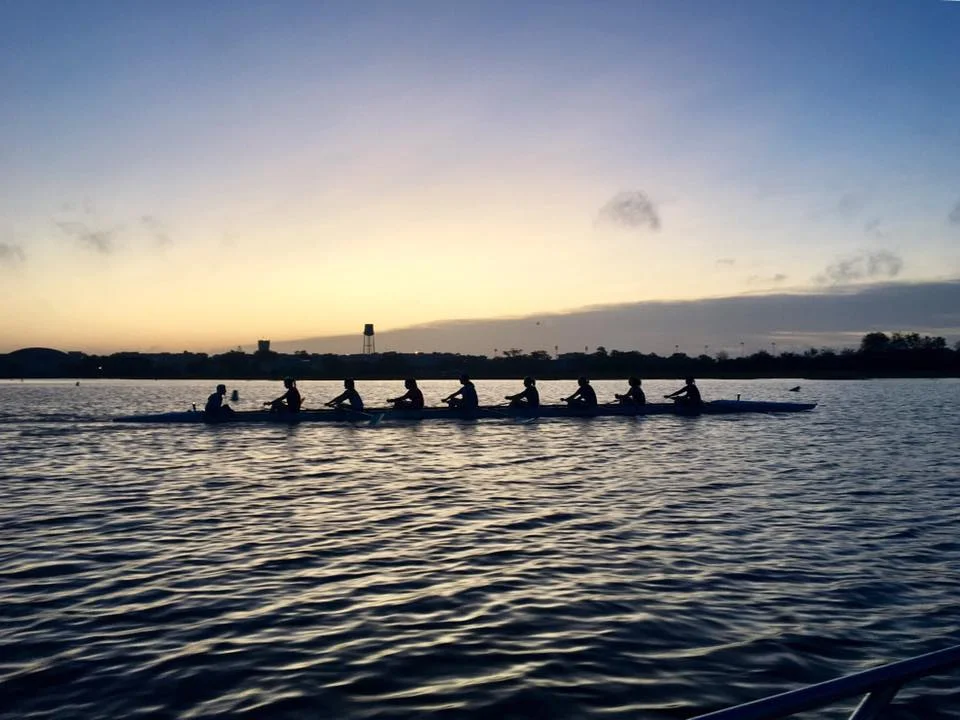
Clemson Sprints Weekend
Coverage and results from the team's trip to Clemson Sprints on Lake Hartwell.
Read More
A non-profit rowing team at the College of Charleston in Charleston, South Carolina.
Missing a practice can leave a College of Charleston rower wondering whether fitness, boat skills or crew trust have slipped. A useful catch-up restores those elements gradually instead of trying to replace every missed minute with punishment on the erg or water.
Both experienced athletes and beginners can miss training because of illness, work, classes or travel. The priority is a safe return, followed by a clear progression agreed with the coaches and enough consistency to regain rhythm before the next race.
Start with a simple message to the coaching staff. The official team website is the best place to check current practice times, regatta information and the right contact for an absence. Explain what you missed and what conditioning you have completed since your last session.
A coach can then tailor the response to your experience and the crew’s needs. Australian rowers may also be used to state and territory work health and safety laws and sport safeguarding codes. Those obligations apply to Australian clubs; they do not replace the college’s U.S. requirements for medical clearance, supervision or boat access.
Begin with easy aerobic work and gentle mobility, then add rowing-specific intervals only at a sensible level. If several sessions were missed, an unsupervised attempt to match the previous weekly volume could create avoidable fatigue or strain. The coaching staff can help set a realistic entry point.
Keep the first catch-up sessions shorter than you think necessary, and leave room for recovery. Fitness returns more reliably when the body has time to adapt; one hard test piece rarely rebuilds an entire training block.
Technique often fades quickly after time away from the boat. Ask whether a supervised land session can cover the stroke, balance and steering drills you need. Beginners should revisit safety briefings, while more experienced rowers can focus on the calls and boat roles affected by their absence.
Crew strength also needs attention. Names, seat positions and feedback routines are easier to recover by speaking with teammates than by solitary training. Looking through the crew photo gallery can prompt a quick review of familiar line-ups and roles, but on-water coaching remains more valuable than any photograph.
Let the coaches decide when you are ready to rejoin the boat and whether that return should be steady rowing or a smaller technical piece. The team competes across the Southeast and the U.S. East Coast, so race preparation includes starts, pace changes and clear commands as well as raw fitness.
For anyone training in Australia, Brisbane’s summer heat and humidity deserve special attention: dawn sessions can still be muggy, and water, sunscreen and shade matter. Sydney and Melbourne rowers are used to reaching training by train or tram, often arriving early before work or class and joining a coffee after the session. Those familiar routines can support a smooth return.
A catch-up plan should survive an ordinary Australian week, not assume spare hours around a university boat shed. Combine a short technical session with one manageable aerobic session, then check with your coach before adding intensity.
A practical plan can include:
A written schedule helps when the next train is delayed or a shift changes. Keep the plan flexible, but keep the goal steady: consistent technique, gradual conditioning and no hidden extra mileage.
Turning up for the next practice restores more than fitness. Listen for the crew’s priorities, learn the race plan and make time for teammates outside the boat. A missed session can otherwise leave a new rower isolated or an experienced member out of the informal conversations that hold a team together.
A smooth return can include:
The College of Charleston program welcomes experienced rowers and beginners, so nobody should feel embarrassed about asking for a refresher. It also helps to take part in team activities, fundraising and the wider regatta calendar when possible, because those connections make returning to training less awkward.
Keep a simple record of each catch-up session: duration, pieces completed, technique focus and how you felt afterwards. Review it after two sessions with your coach, then adjust the next week. This gives both athlete and staff a shared picture of readiness without turning recovery into a guessing game.
Use the team’s published schedule and competition plans to work backwards from the next event. If work, travel or illness interrupts training again, contact the coaches early and repeat the same steady process. Missing a practice becomes a manageable detour when communication, gradual loading and crew connection remain intact.
College of Charleston Crew fields competitive eights and fours in both Fall head races and Spring sprint regattas across the Southeast.
Learn MoreRecent news, recaps, and announcements from the team.
Coverage and results from the team's trip to Clemson Sprints on Lake Hartwell.
Read More
Spring lineup including Clemson Sprints, SIRA, Dad Vail, and ACRA National Championship.
Read More
Previews and recap of past Head of the Charles appearances, including the 50th annual regatta in 2014.
Read MoreTeam practice, regatta dates, and meetings are listed on the team calendar. Coaches post weekly schedules and travel details for upcoming race weekends.
Charleston Crew / CCAA
PO Box 12941
Charleston, SC 29422
Email: info@cofccrew.org
Phone: 843.513.5900
Phone: 843.276.4241
Interested in joining the team? Fill out the recruitment form and the coaches will follow up.