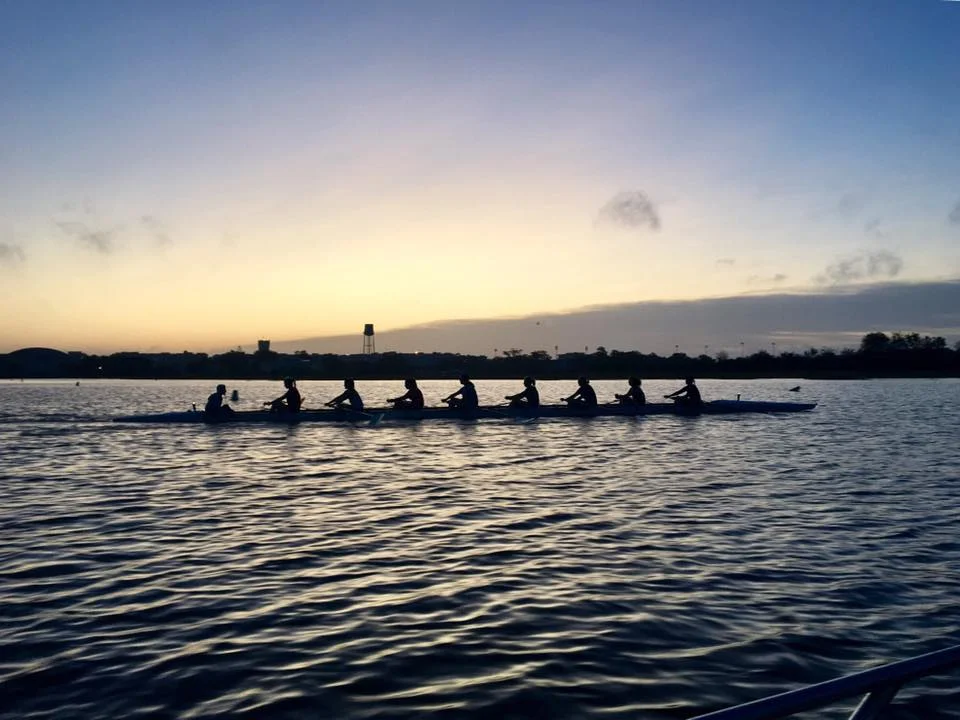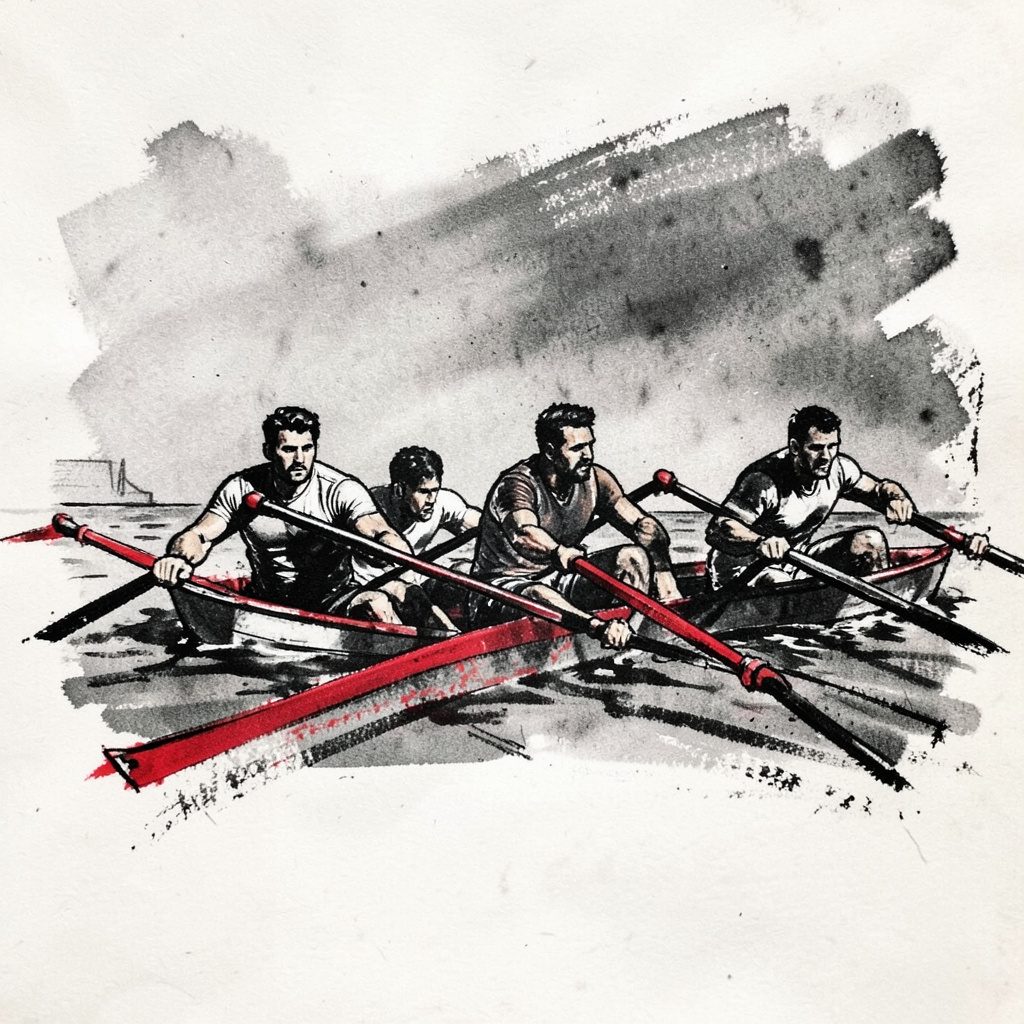
Clemson Sprints Weekend
Coverage and results from the team's trip to Clemson Sprints on Lake Hartwell.
Read More
A non-profit rowing team at the College of Charleston in Charleston, South Carolina.
The Stono River gives the College of Charleston Crew Team a distinctive training ground shaped by tidal water, maritime history and the broad coastal landscape of South Carolina. It is more than a scenic backdrop: the river tests timing, steering, endurance and concentration in ways that prepare rowers for demanding regattas across the Southeast and the U.S. East Coast.
For Australian readers, the setting may feel familiar in some ways. Like rowing on the Brisbane River, the Yarra or Sydney Harbour, the Stono combines natural beauty with boat traffic, changing conditions and a strong local connection to the water. Its character, however, comes from Charleston’s sea islands, tidal creeks and centuries-old coastal history.
| Feature | Stono River, South Carolina | Comparable Australian Setting |
|---|---|---|
| Water movement | Tidal flow and changing currents | Tidal rivers and harbour waters |
| Landscape | Marshes, creeks and wooded shoreline | Estuaries, mangroves and riverbanks |
| Training value | Steering, rhythm and current awareness | Similar demands on busy waterways |
| Climate | Warm, humid coastal conditions | Comparable summer heat in Brisbane or Sydney |
| Club culture | Collegiate racing and volunteer support | University and community rowing clubs |
The Stono River runs through a landscape closely tied to Charleston’s colonial, agricultural and maritime past. Its waterways once supported transport, trade and plantation economies, while its surrounding marshes remain important habitats for birds, fish and other coastal wildlife. Rowing through this environment connects athletes with a place where water has always influenced daily life.
That history also gives training sessions a strong sense of location. The river is quieter and more open than an urban course, yet it is never entirely predictable. Creeks, bends, marsh edges and tidal channels create visual reference points that help crews develop precise steering habits.
The team’s own development reflects that connection between place and identity. A detailed team history shows how CofC Crew grew from a club programme into a competitive collegiate organisation.
Tidal rowing rewards crews that can adapt. A favourable current may help a boat cover distance efficiently, while an opposing flow exposes weaknesses in rhythm, power application and boat run. Coxswains must read the water and communicate clearly, particularly when crews are turning, passing or approaching a busy section.
This is familiar territory for Australian rowers used to tidal courses. A crew training on Sydney Harbour, the Brisbane River or Melbourne’s Yarra already understands that water speed can change the feel of every stroke. The practical habits are similar: check weather forecasts, allow extra time, carry sun protection and treat marine traffic rules seriously.
The Stono also encourages a balanced training approach. Continuous pieces build aerobic strength, while short technical drills sharpen catches, finishes and crew synchronisation. Rather than relying on a perfectly uniform course, rowers learn to maintain form while conditions shift around them.
Salt marshes are a defining feature of the Stono landscape. Grasses, tidal creeks and low wooded shores create a broad, open view that can make a training session feel removed from the university campus. The environment also demands care: crews share the water with wildlife, recreational boaters and working vessels.
For Australian visitors, the scenery may recall an estuary near Brisbane or the wetlands around Adelaide, though the species and coastal ecology differ. In both countries, waterways are living systems rather than empty sporting venues. Respecting wildlife, avoiding unnecessary shoreline disturbance and following local access rules are essential parts of responsible rowing.
The team’s visual record captures this relationship with the river. Its crew photo gallery offers a closer look at boats, athletes and the coastal setting in which the programme trains.
A historic river is valuable because it offers variety without losing the discipline of regular training. Crews can work on starts, race pace, long endurance pieces and technical recovery in the same broad water system. The experience helps athletes become comfortable with changing wind direction, glare, humidity and current.
Charleston’s warm coastal climate also affects preparation. Hydration, breathable layers and careful recovery matter during hot sessions, much as they do for crews training through a Brisbane summer. Australian athletes would recognise the value of applying sunscreen before launching, carrying water and planning hard work around the day’s heat.
The wider collegiate rowing calendar adds another layer. Racing throughout the Southeast and along the East Coast requires crews to transfer the skills learned on the Stono to unfamiliar courses. Strong steering and adaptable rhythm can be just as important as raw fitness when a regatta brings tight lanes, crosswinds or a fast-moving current.
CofC Crew’s location supports a club culture that can include athletes with years of experience as well as beginners learning their first stroke. A river environment offers room for steady progression: new rowers can focus on balance and movement, while experienced athletes refine race strategy and power.
That accessibility has clear parallels with Australian university clubs, where students often discover rowing after trying football, swimming, athletics or another sport. The local market also shapes participation. Second-hand rowing shells, oars and technical clothing can reduce costs, while Australian buyers should remember that GST, shipping and import charges may affect equipment ordered from the United States.
Safety expectations should travel with the athlete. Australia’s boating legislation varies between states and territories, so a rower moving from Melbourne to Queensland or New South Wales must check the relevant marine authority’s rules on navigation, lights and lifejackets. The same principle applies in Charleston: local waterway requirements and crew instructions take priority over assumptions brought from home.
Practical habits help visiting or new rowers settle quickly:
The College of Charleston Crew website brings together the programme’s activities, contacts, officers, competition information and ways to support the team. Through that combination of history, environment and training opportunity, the Stono River becomes more than a practice venue: it is part of what makes CofC Crew distinctive.
College of Charleston Crew fields competitive eights and fours in both Fall head races and Spring sprint regattas across the Southeast.
Learn MoreRecent news, recaps, and announcements from the team.
Coverage and results from the team's trip to Clemson Sprints on Lake Hartwell.
Read More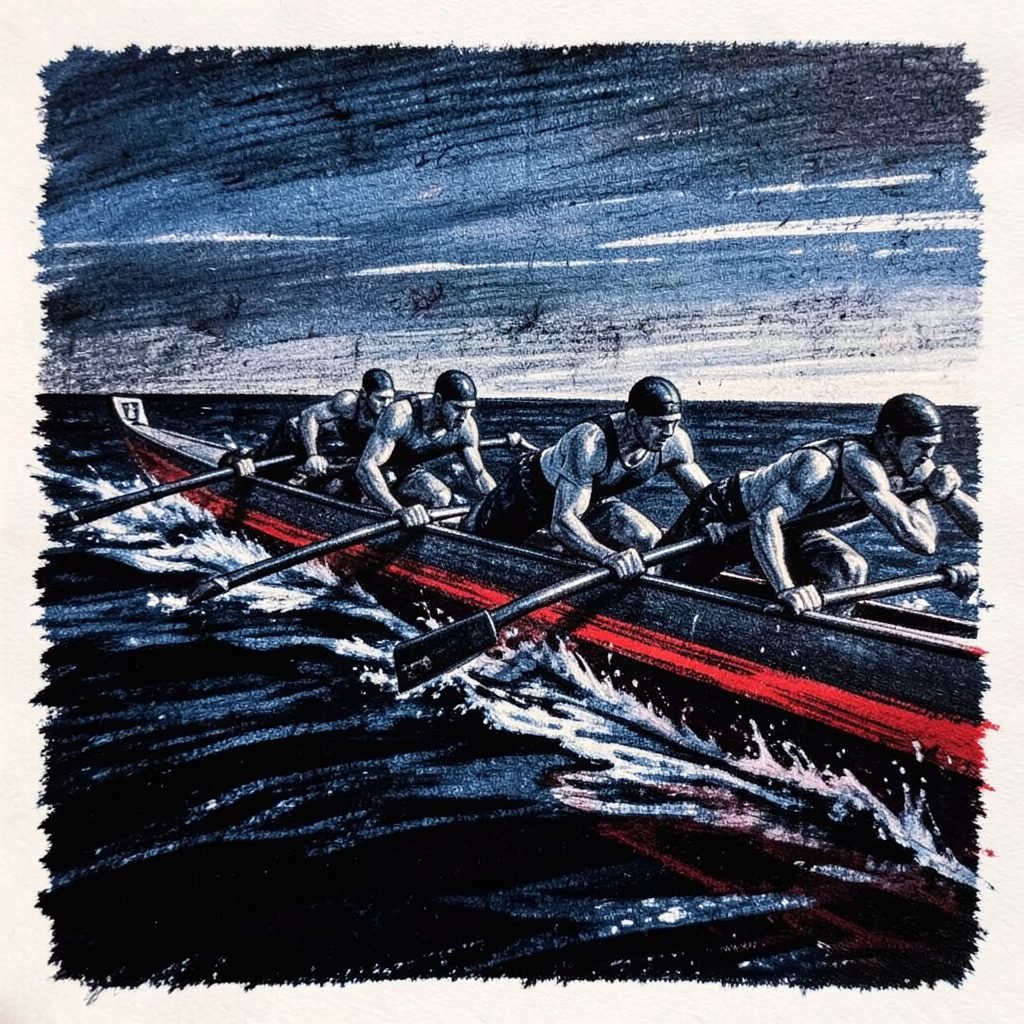
Spring lineup including Clemson Sprints, SIRA, Dad Vail, and ACRA National Championship.
Read More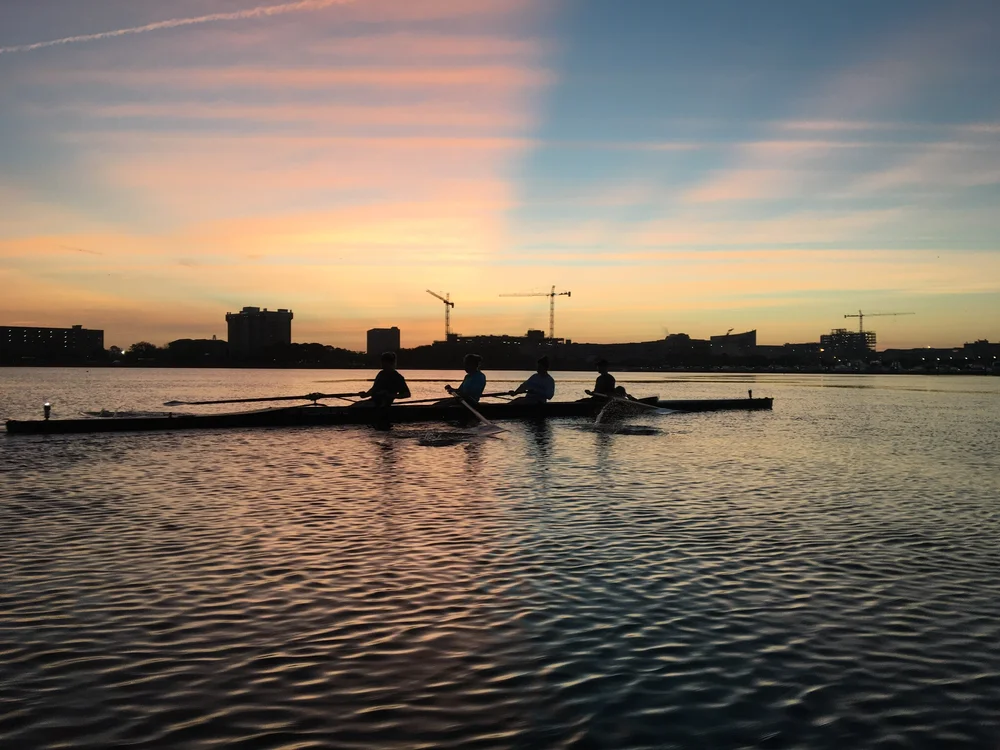
Previews and recap of past Head of the Charles appearances, including the 50th annual regatta in 2014.
Read MoreTeam practice, regatta dates, and meetings are listed on the team calendar. Coaches post weekly schedules and travel details for upcoming race weekends.
Charleston Crew / CCAA
PO Box 12941
Charleston, SC 29422
Email: info@cofccrew.org
Phone: 843.513.5900
Phone: 843.276.4241
Interested in joining the team? Fill out the recruitment form and the coaches will follow up.