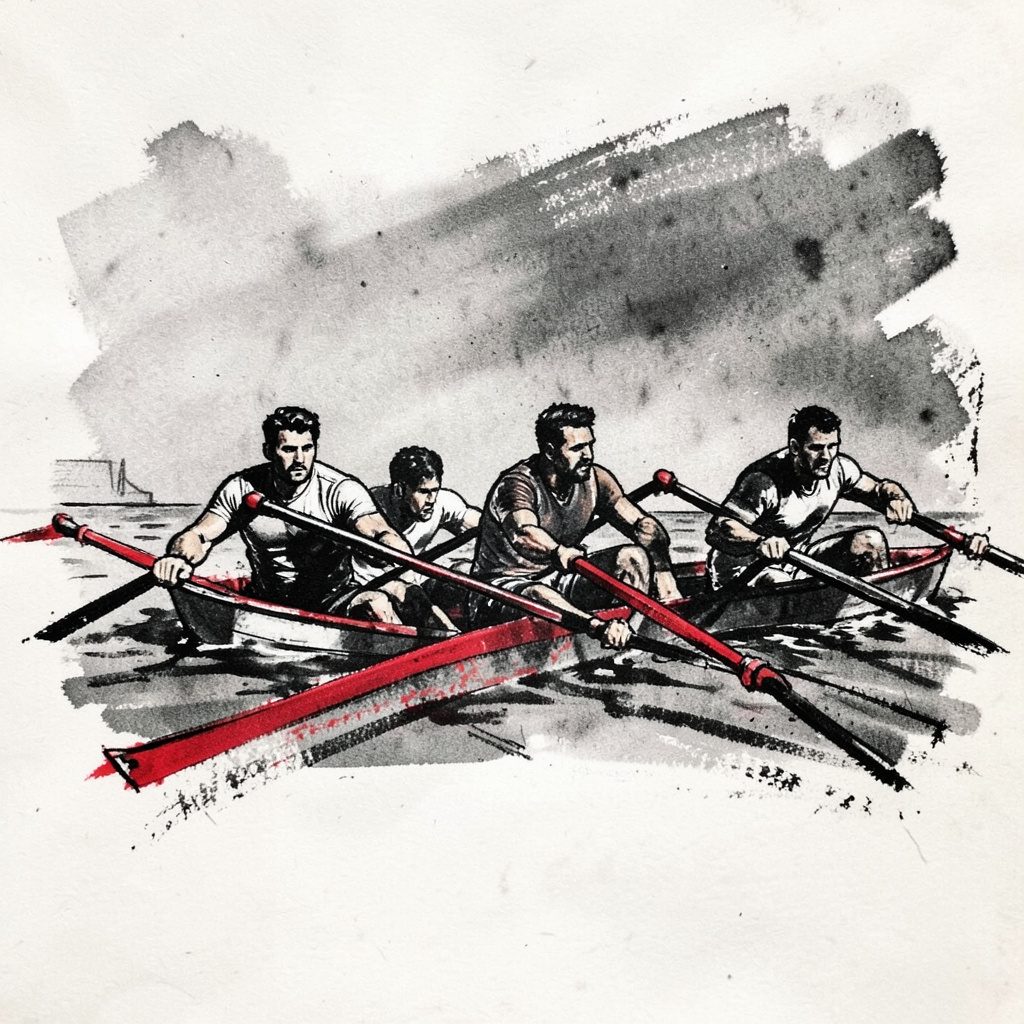
Clemson Sprints Weekend
Coverage and results from the team's trip to Clemson Sprints on Lake Hartwell.
Read More
A non-profit rowing team at the College of Charleston in Charleston, South Carolina.
A rowing unisuit is far more than matching race clothing. Its close-fitting design helps athletes move efficiently, keeps loose fabric away from the oar handles, and gives a crew a shared visual identity on the start line. For the College of Charleston Crew Team, the kit connects daily training in South Carolina with regattas across the Southeast and along the U.S. East Coast.
Australian rowers will recognise the same balance between performance and belonging at clubs and universities in Sydney, Melbourne, Brisbane and Perth. Whether a crew is racing on the Yarra, preparing for a regatta on the Nepean or training through a hot Queensland summer, the right uniform needs to work with the body, the weather and the traditions of the sport.
A rowing unisuit, sometimes called a zoot suit or race suit, is cut to sit close against the torso and legs. That streamlined shape reduces fabric drag and prevents clothing from catching on seats, riggers or oar handles. The shoulder straps also leave the arms free, allowing a full recovery and consistent stroke length.
Comfort matters over a 2,000-metre race and during long training sessions. Breathable technical fabric draws sweat away from the skin, while flat seams reduce rubbing around the shoulders and thighs. A properly fitted suit should feel secure when the rower is compressed at the front of the slide without restricting the hips, ribs or breathing.
The uniform also makes boat crews easier to identify. At a busy regatta, matching colours help coaches, officials and supporters recognise a crew quickly as it moves from the pontoon to the marshalling area.
A unisuit carries the colours, crest and history of a rowing programme. For a collegiate club such as College of Charleston Crew, it marks membership in a student community that includes novice rowers, experienced athletes, coaches and officers. Wearing the same design can help a new athlete feel part of the crew before their first race.
Uniforms also create continuity between generations. A current rower may race in a modern technical fabric while still wearing colours linked to earlier crews. The garment becomes part of photographs, regatta memories and team traditions, including the familiar group gathering after racing for food and conversation.
For students moving from school rowing into university competition, the shift in expectations can be significant. This account of moving into college rowing gives useful context for how club sport differs from high school programmes, including the independence that comes with managing equipment and race preparation.
Heat, glare and changing weather make fabric selection important in Australia. A lightweight, quick-drying material suits summer training in Brisbane, while a rower in Melbourne may appreciate a warm base layer for early mornings. On exposed water in Adelaide or Canberra, a breathable unisuit should be paired with sun protection rather than treated as a complete barrier against ultraviolet light.
Sizing should be based on measurements, not a preferred casual-clothing size. Check the manufacturer’s chest, waist, hip and inseam guide, then consider how the fabric stretches while rowing. A suit that rides up, pulls across the shoulders or becomes transparent when wet is unsuitable for racing.
Before ordering from the local market, compare club bulk pricing with individual retail costs. Australian rowers may pay more for imported custom kit once shipping and currency conversion are included, so it is worth checking delivery times, replacement policies and whether the supplier can reproduce team colours accurately.
The unisuit is the centrepiece of race clothing, but it works best as part of a complete system. Layering allows athletes to adapt between a cool dawn warm-up, a sunny race and a windy wait near the start. Regulations can vary between competitions, so the crew should follow its event instructions and maintain a consistent appearance.
Useful items include:
Footwear is usually kept simple because rowing shoes are fixed in the boat. Slides or thongs can be useful around the trailer and pontoon, while sturdy trainers are better for land warm-ups and carrying equipment. In Australia, a broad-brimmed hat and high-SPF sunscreen are practical additions for long regatta days, particularly at open river venues.
Technical racewear lasts longer when it is washed soon after training or competition. Sweat, sunscreen, river water and grass stains can weaken fibres and leave odours if a damp suit is sealed inside a kit bag. Rinse it in cool water, follow the care label and avoid fabric softener, which can affect moisture-wicking performance.
A simple care routine includes:
Do not leave a unisuit in a hot car after racing in places such as Sydney or Perth, where interior temperatures can rise quickly. Fold it loosely once dry and store it away from sharp zips, Velcro and damp towels. The team’s latest news can also help athletes keep track of regatta plans, fundraising activity and occasions when official kit may be needed.
A well-made rowing uniform supports efficient movement, protects team identity and makes preparation more straightforward. It is a small piece of equipment with a visible role in the discipline, community and shared pride of collegiate rowing.
College of Charleston Crew fields competitive eights and fours in both Fall head races and Spring sprint regattas across the Southeast.
Learn MoreRecent news, recaps, and announcements from the team.
Coverage and results from the team's trip to Clemson Sprints on Lake Hartwell.
Read More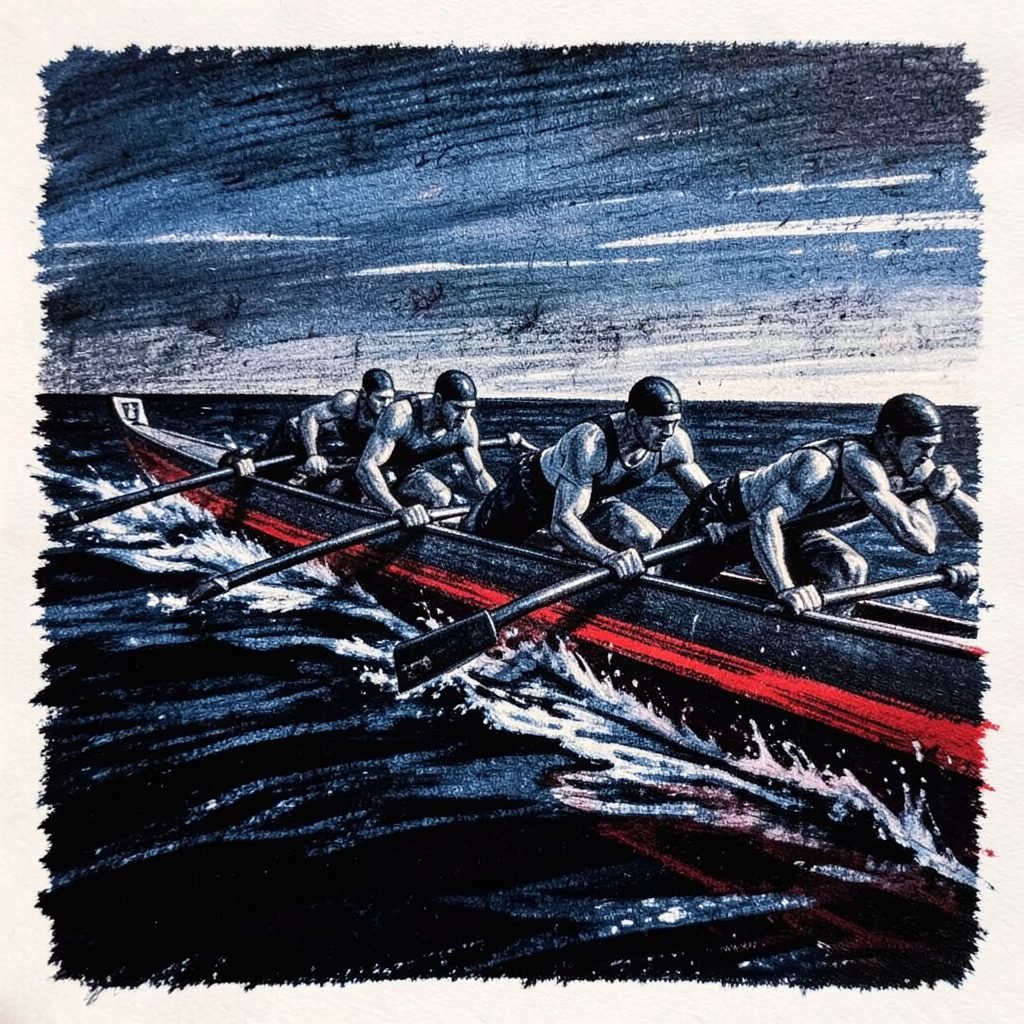
Spring lineup including Clemson Sprints, SIRA, Dad Vail, and ACRA National Championship.
Read More
Previews and recap of past Head of the Charles appearances, including the 50th annual regatta in 2014.
Read MoreTeam practice, regatta dates, and meetings are listed on the team calendar. Coaches post weekly schedules and travel details for upcoming race weekends.
Charleston Crew / CCAA
PO Box 12941
Charleston, SC 29422
Email: info@cofccrew.org
Phone: 843.513.5900
Phone: 843.276.4241
Interested in joining the team? Fill out the recruitment form and the coaches will follow up.