Fall Season
- Head of Charles
- Head of HOOCH
- Lake Lanier Head Race
- Head of Tennessee
- First Coast Head Race
- Head of the South
- Head of Cape Fear
Past and present regatta calendars for the College of Charleston Crew, a non-profit rowing team based in Charleston, South Carolina. Use this page to track fall head races and spring sprint regattas.
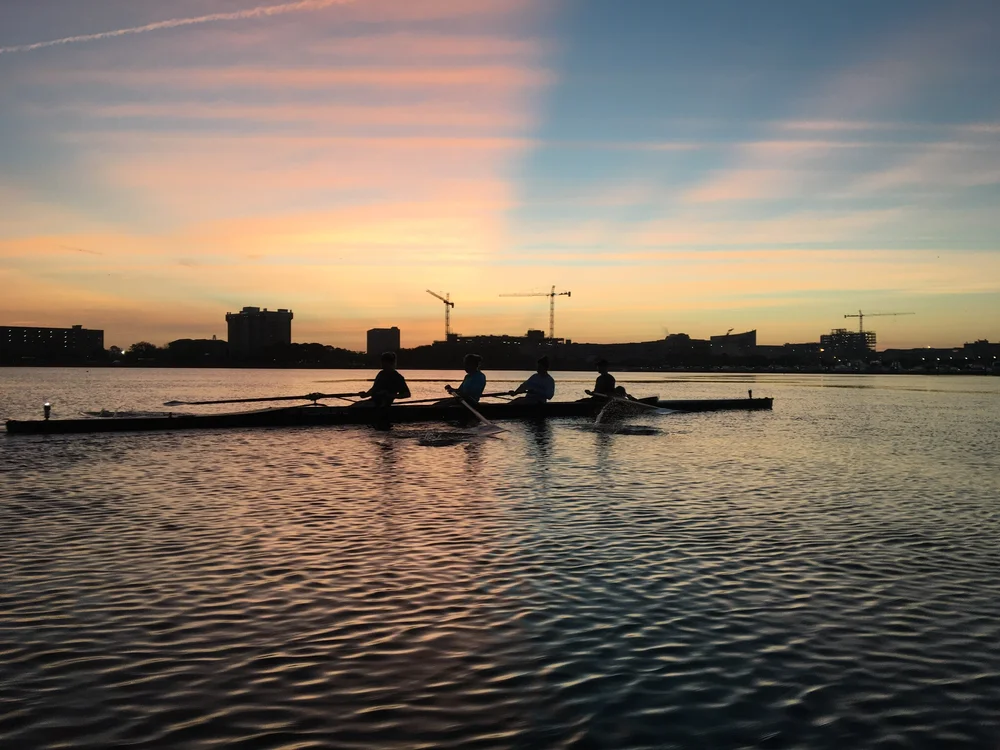
The team competes across two seasons each year. Below are the recurring fall and spring regattas the program has attended in past years.
A look back at a recent season of competition. Past schedules, including 2008, are archived on this page for reference.
| Date | Event | Location |
|---|---|---|
| Sept. 27, 2008 | Head of Jacksonville | Gainesville, TN |
| Oct. 4, 2008 | Secret City Head Race | Oak Ridge, TN |
| Oct. 18–19, 2008 | Head of the Charles (Varsity Only) / Gator Head Regatta | Boston, MA |
More historical race dates — including John Hunter Regatta (March 28, 2015), Lake Lanier Sprints (March 29, 2015), Clemson Sprints Regatta (April 11, 2015), SIRA Championship Regatta (April 18–19, 2015), Dad Vail Regatta (May 8–9, 2015), and the ACRA National Championship (May 2015) — appear in the team news archive.
The regatta calendar is the heartbeat of a collegiate rowing program, shaping how athletes train, travel, and peak across the academic year. For a club team based in the Lowcountry, the schedule reflects the rhythm of two distinct seasons, with autumn devoted to endurance-building head races over long, winding courses and spring reserved for high-intensity sprint battles against neighboring conference rivals and visiting programs. Coordinating that calendar requires balancing travel logistics, equipment availability, and academic commitments, and the page itself acts as a living record of where the team has gone and where it is headed next. Reviewing past dates also helps newcomers understand the time commitment involved in joining a competitive rowing team that travels throughout the region.</item> <item>Fall head races are a particular kind of challenge, asking crews to settle into a steady rhythm over multi-mile courses against the clock rather than a side-by-side opponent. These autumn regattas typically reward consistent pacing, efficient stroke technique, and the ability to stay composed when conditions shift from glassy water to stubborn headwind. The team uses the fall calendar to introduce novice rowers to their first taste of competition, giving them the chance to experience the atmosphere of a large regatta without the pressure of head-to-head matchups. Coaches often build the schedule around established southeastern venues that the program has attended for years, while also keeping space open for newer events that offer strong competition and a welcoming environment for emerging collegiate clubs.</item>
Spring sprint season brings a completely different energy, with boats launched side by side at stake boats and the outcome decided in a matter of minutes. Short, head-to-head racing demands raw power, sharp starts, and disciplined finishes, and the spring calendar is typically stacked with weekend events that test the team against a wide cross-section of college programs. Local and regional sprints offer the chance to race close to home, reducing travel strain and letting friends and family cheer from the shoreline. Away regattas extend the team's reach across the southeast, giving rowers exposure to larger fields, faster courses, and the kind of competitive depth that pushes the program to keep raising its standard year after year.</item> <item>Beyond the headline races listed on the calendar, the regatta schedule is also shaped by a network of recurring relationships with host organizations, officiating crews, and other collegiate clubs. Many of the events the team attends each year are run by longstanding regatta associations whose traditions stretch back decades, and returning to familiar venues builds institutional knowledge that benefits coxswains and bow persons alike. Volunteer support from parents and alumni often determines how smoothly a regatta weekend unfolds, from launching shells at sunrise to rigging tents along the team village. Over time, the program accumulates small traditions attached to particular regattas, such as preferred arrival windows, favorite post-race meals, and informal rivalries that make each spring or fall trip feel like a reunion as much as a competition.</item> <item>The schedule page ultimately serves more than a logistical purpose, doubling as a snapshot of the program's competitive identity and ambitions. By tracking which regattas appear year after year, supporters can follow the team's progression from local sprints to larger regional championships, and prospective members can get an honest preview of the time and travel involved. Some entries may shift from year to year based on bids, qualification pathways, or coaching priorities, while core events remain anchors of the season. Updating the calendar is itself a continuous project, one that mirrors the preparation happening on the water long before the first shell is loaded onto a trailer. In that sense, the regatta schedule is less a static list and more a living plan that guides an entire year of training.</item>
The regatta schedule is the heartbeat of a collegiate rowing season, marking the weekends when training translates into starts on the water. For a team based on a tidal river, the calendar shifts between fall head races, where crews race against the clock over long stretches, and spring sprint regattas, where side-by-side heats reward raw speed and synchronization. Between those bookend seasons, rowers log countless hours on erg machines, refine boat handling, and build the endurance needed to compete at the collegiate club level. The schedule doubles as a public ledger of progress, showing where the program has lined up alongside other schools and where it plans to push next. Browsing past and present calendars helps families, alumni, and recruits follow the arc of a typical year, from the first cold morning launches to the late-spring championship push, and understand how a club team organizes its travel, taper, and recovery around a handful of major weekends on the water each year.
Fall head races form the opening chapter of the rowing year, trading the noise of sprint sprints for a quieter test of pacing, technique, and aerobic capacity over multi-mile courses. Crews launch in singles, doubles, fours, and eights, passing through narrows, bridges, and turning landmarks while volunteers call splits from shore. These events, often held on reservoirs, rivers, and lakes in the surrounding region, give novices their first taste of travel competition and let returning rowers benchmark early-season fitness against familiar opponents. Coaches use the results to set lineup priorities for the spring, while captains study the field to identify crews the program will likely meet again in warmer weather. The atmosphere at a head race tends to be unhurried but focused, with launches idling in mist, oars tapping gunwales, and tents lined along the bank as parents and alumni watch the season quietly take shape.
Spring sprint regattas shift the energy from endurance to outright speed, staging crews in lanes over a short, straight course where every stroke matters. Lanes fill with eights, fours, and pairs from programs across the region, and heats feed into petite finals and grand finals that decide medals and trophies for the weekend. Between races, athletes cool down on the water, swap stories with rowers from other schools, and study video or splits to refine the next start. The spring calendar typically travels from early-season local races through conference-level events and culminates in a championship weekend where seasons of lifting, logging, and technical work come together in a single two-thousand-meter test. Hosting a regatta adds another layer, turning a normal race day into a full community event with launches, vendors, volunteers, and visiting crews filling the local marina and surrounding park, all converging on a few bright mornings that define the year for everyone involved.