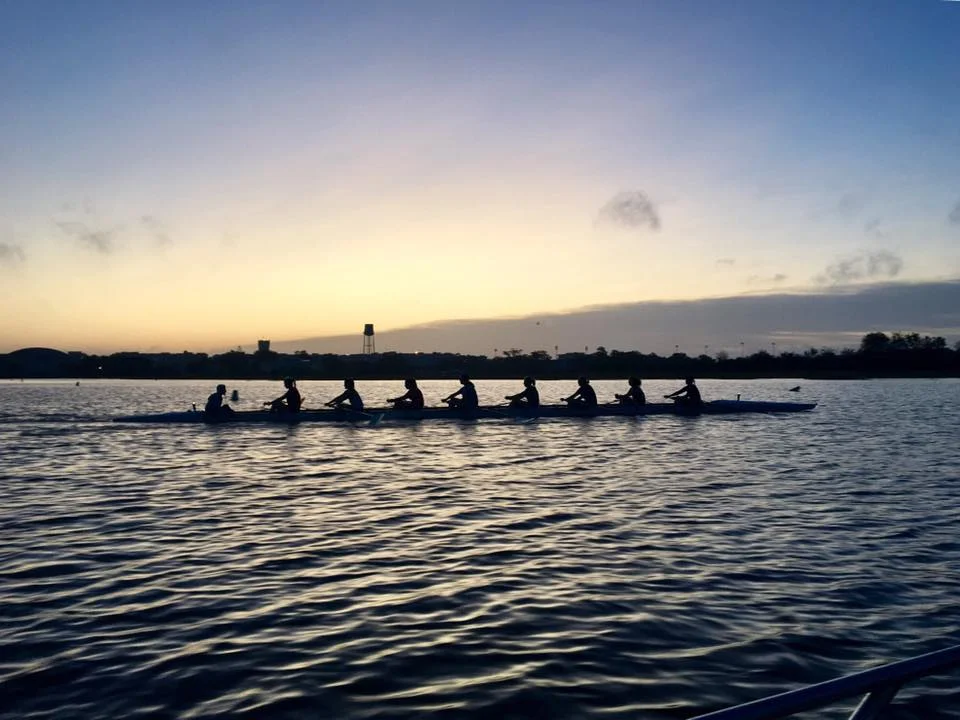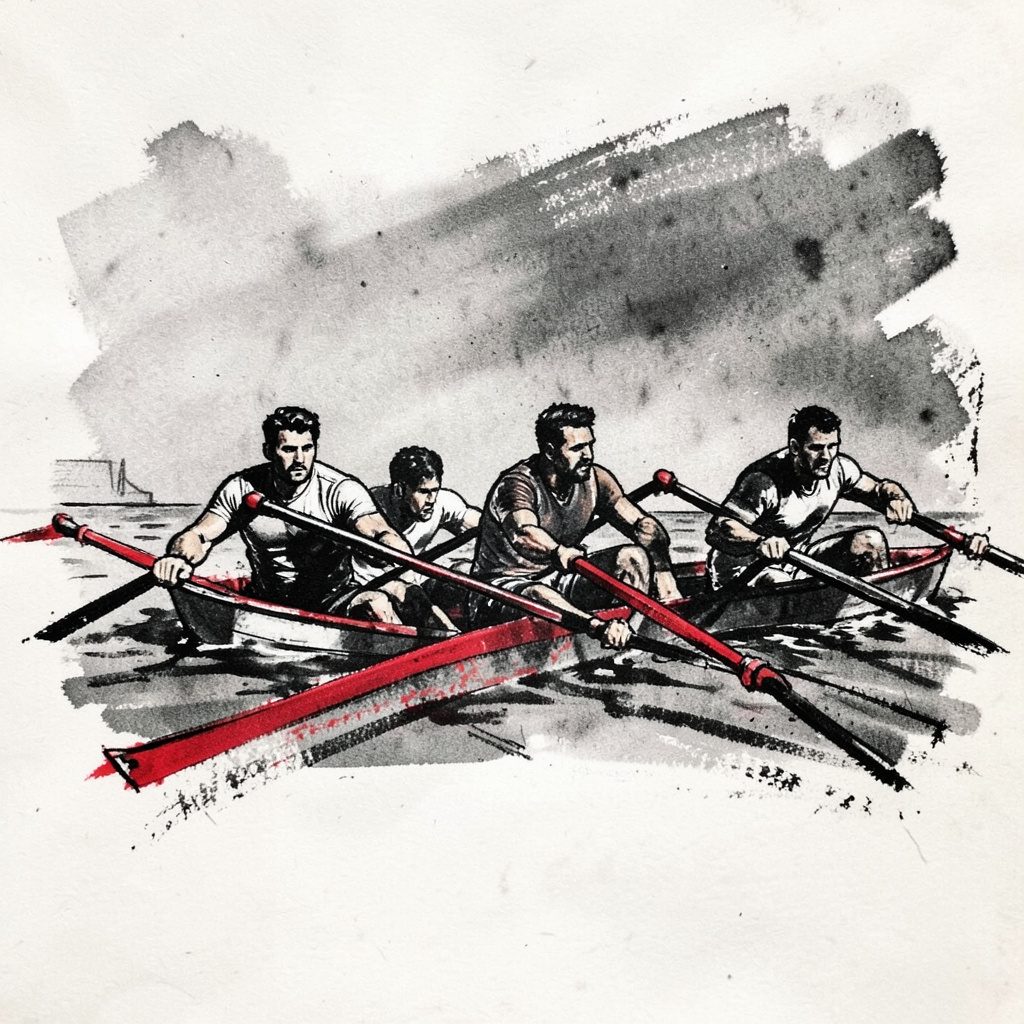
Clemson Sprints Weekend
Coverage and results from the team's trip to Clemson Sprints on Lake Hartwell.
Read More
A non-profit rowing team at the College of Charleston in Charleston, South Carolina.
Joining a university rowing squad is a significant commitment, whether you have raced in Sydney or have only tried an erg at a local gym. The College of Charleston Crew Team welcomes experienced athletes and beginners, but a roster place involves training, travel, teamwork and regular communication.
For Australian students, the decision also includes practical matters such as visa conditions, flights from Melbourne or Brisbane, exchange rates and health cover in the United States. Asking clear questions early can prevent surprises after arrival in Charleston, South Carolina.
A collegiate club program may feel different from rowing in Australia. Training times, regatta formats, boat classes, fundraising expectations and student leadership can vary from what you know through Rowing Australia or a state association.
The questions below are designed to help you assess fitness demands, costs, academic balance and team culture before committing your name to the squad.
1. What fitness level is expected at selection? Ask whether new members complete a 2,000-metre erg test, water assessment, running session or general fitness screening. A beginner-friendly policy does not necessarily mean the weekly workload is easy.
2. Can beginners join the same boats as experienced rowers? Find out how novices are taught blade work, boat handling, safety commands and rowing technique. A structured learn-to-row pathway is especially valuable if your background is in surf lifesaving, dragon boating or another endurance sport rather than sweep rowing.
Ask about the weekly timetable, including early-morning water sessions, gym work and weekend training. Australians accustomed to a pre-work coffee and an early start may adapt quickly, but the schedule still needs to fit lectures, employment and recovery.
3. How many hours does the team expect each week? Request an ordinary training week and a regatta week rather than relying on a general estimate. Travel can turn a short competition into a full weekend away, particularly when events are held across the Southeast or along the East Coast.
4. What happens when coursework conflicts with rowing? A strong answer should explain how athletes communicate absences, manage exams and respond to missed sessions. This matters for international students balancing unfamiliar academic systems with a demanding sport.
Australian students should also check their visa and enrolment conditions before accepting paid work around training. F-1 and J-1 rules differ, and permission to work in the United States should never be assumed from Australian experience under the Fair Work Act.
5. What costs are included in membership? Ask for a realistic estimate covering dues, uniforms, regatta entry, transport, accommodation, meals, equipment and fundraising. Convert the figures into Australian dollars and allow for exchange-rate movement rather than using a single optimistic conversion.
6. What equipment must I provide? Clarify whether the club supplies boats, oars, ergs, racing kit and safety gear. You may still need personal layers, suitable shoes, a water bottle and weather protection. Charleston’s heat and humidity call for different clothing from a winter session on the Yarra or Parramatta River.
| Cost area | Question to ask | Australian planning note |
|---|---|---|
| Membership | Are fees paid once or by semester? | Keep a buffer in AUD for exchange-rate changes |
| Racing | Are entries and transport covered? | Ask about flights, buses and accommodation |
| Clothing | Is racing kit compulsory? | Compare US sizing and delivery costs |
| Health | What insurance is required? | Check that rowing and sports injuries are covered |
| Fundraising | Is participation expected? | Budget time as well as money |
7. How much travel is involved? Confirm the likely number of away regattas, departure times and accommodation arrangements. A student flying from Perth or Adelaide may need extra recovery time and a careful plan for domestic connections before returning to classes.
8. What safety training and medical support are available? Ask who supervises sessions, what happens during storms or strong currents, and whether coaches hold current first-aid qualifications. You should also understand the procedure for reporting concussion, heat illness, back pain or an injury caused by repetitive rowing.
Find out whether a swim test is required and how the team handles athletes who are new to open-water conditions. Charleston’s coastal environment can involve heat, glare and changing weather, so hydration and sun protection are routine parts of preparation.
Medical arrangements deserve specific attention. Check the university’s insurance requirements, whether your policy covers club sport and how referrals work if you need physiotherapy. Australian private health cover may not pay US medical bills, so international coverage and emergency procedures need to be clear.
The roster is also a social commitment. 9. How would current rowers describe the team culture? Look for information about inclusion, communication, leadership, alcohol expectations, training etiquette and how disagreements are handled. A team can be competitive without making beginners feel isolated.
Ask whether student officers, coaches or captains make roster decisions, and how feedback is given. Review the CofC Crew website for current information about coaches, officers, activities, contact details and the wider identity of the program.
Daily logistics matter for international students. Check transport to the boathouse, access to affordable groceries, laundry arrangements and whether teammates commonly share rides. Habits such as meal prepping rice, yoghurt and fruit for several sessions a week can help control US food costs, just as they do for students in Melbourne or Canberra.
10. What support exists for recovery and performance? Ask whether the program provides strength guidance, mobility sessions, nutrition advice and access to athletic trainers. You should know who to contact when fatigue, poor sleep or recurring soreness starts affecting performance.
Nutrition does not need to be complicated. After training, a practical snack with carbohydrate, fluid and protein can be easier than relying on takeaway food. The team’s post-practice smoothie ideas may help you plan affordable options around classes and training.
Finally, ask what progression looks like after your first semester. You may want racing seats, coaching experience, student officer responsibilities or a pathway into another rowing club after graduation. The right roster is one that supports your health, studies and goals while giving you a realistic place in the crew.
Use these final checks when comparing written information with what coaches and current rowers tell you:
College of Charleston Crew fields competitive eights and fours in both Fall head races and Spring sprint regattas across the Southeast.
Learn MoreRecent news, recaps, and announcements from the team.
Coverage and results from the team's trip to Clemson Sprints on Lake Hartwell.
Read More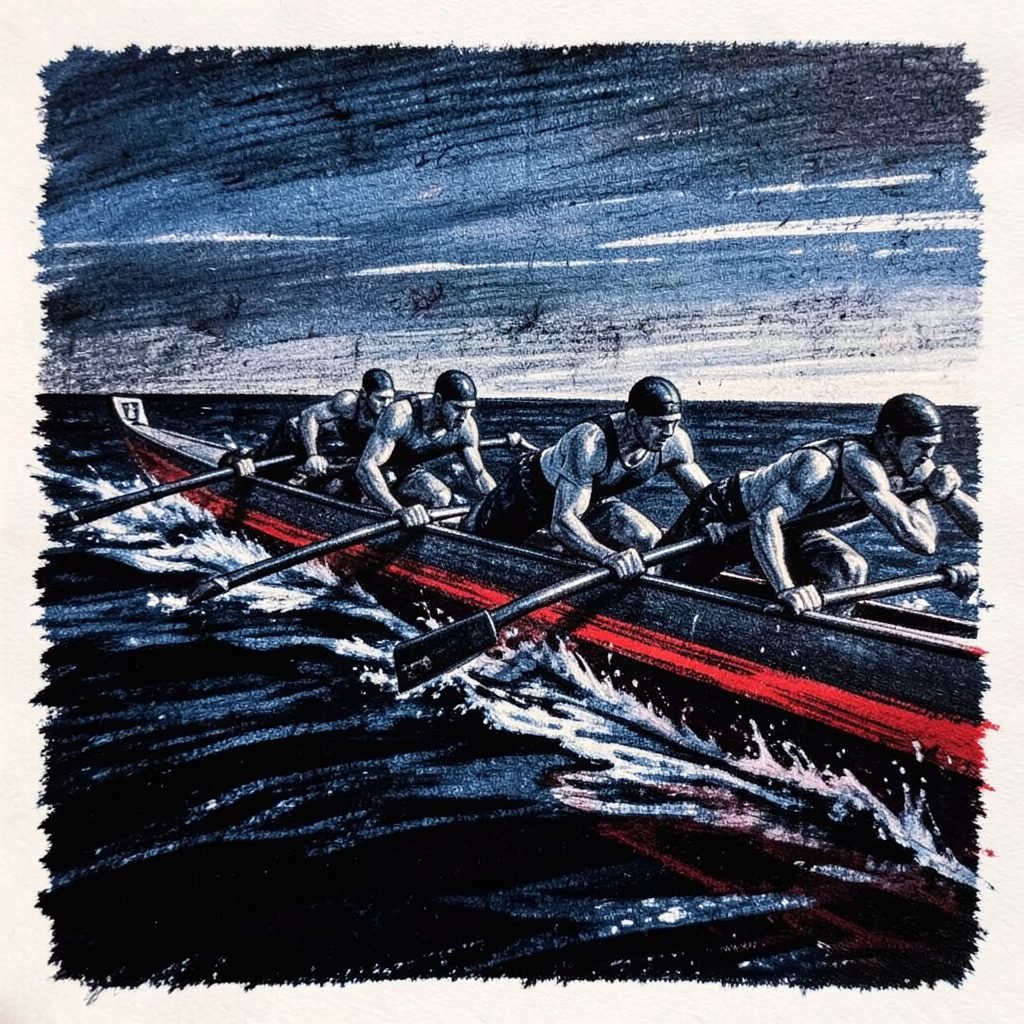
Spring lineup including Clemson Sprints, SIRA, Dad Vail, and ACRA National Championship.
Read More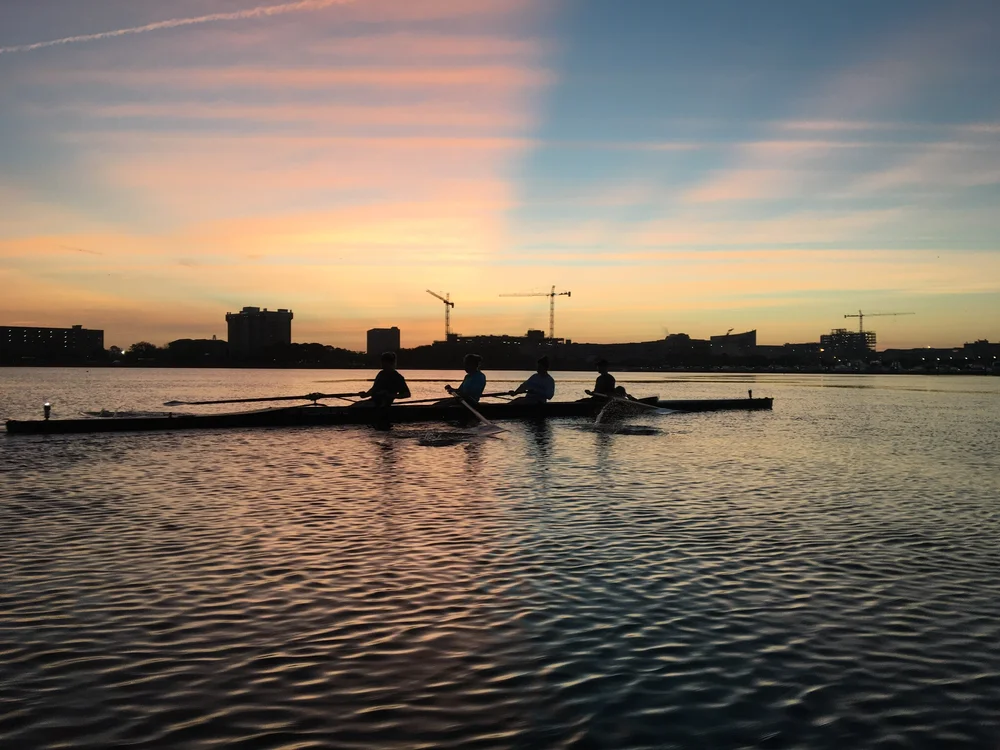
Previews and recap of past Head of the Charles appearances, including the 50th annual regatta in 2014.
Read MoreTeam practice, regatta dates, and meetings are listed on the team calendar. Coaches post weekly schedules and travel details for upcoming race weekends.
Charleston Crew / CCAA
PO Box 12941
Charleston, SC 29422
Email: info@cofccrew.org
Phone: 843.513.5900
Phone: 843.276.4241
Interested in joining the team? Fill out the recruitment form and the coaches will follow up.