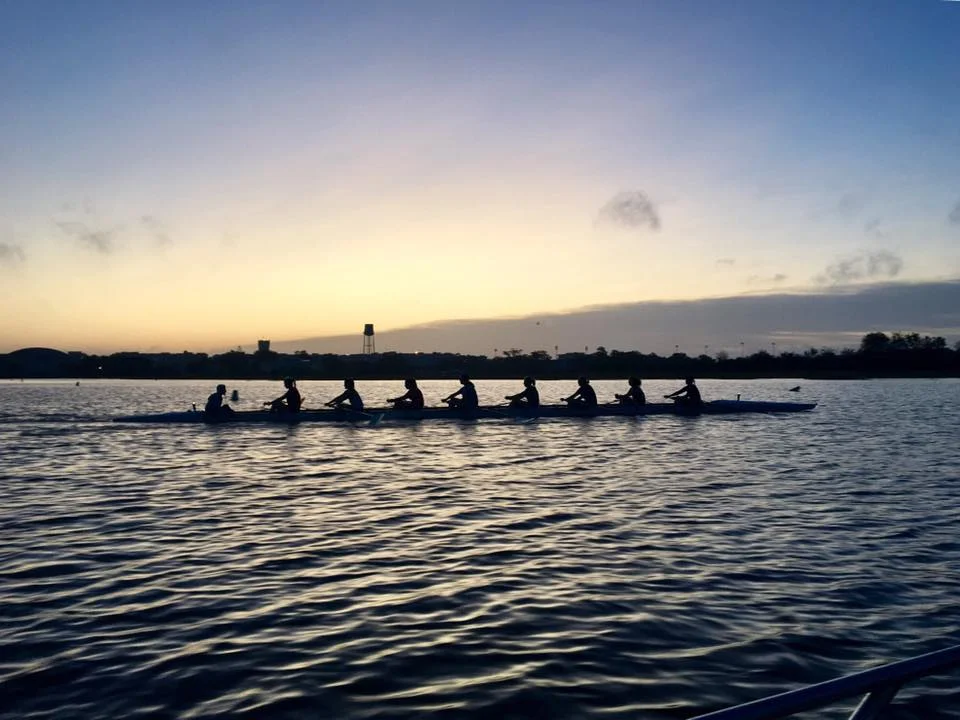
Clemson Sprints Weekend
Coverage and results from the team's trip to Clemson Sprints on Lake Hartwell.
Read More
A non-profit rowing team at the College of Charleston in Charleston, South Carolina.
After a demanding rowing session, a well-made smoothie can be an easy way to replace fluids, carbohydrates and protein. The best blends are quick to drink between classes, simple to prepare in a shared kitchen and flexible enough for both experienced rowers and newcomers.
These recipes suit the energy demands of a collegiate crew environment, from early morning erg sessions to long regattas. They also translate easily to Australian kitchens, where mangoes, passionfruit, Greek yoghurt and supermarket staples are available year-round.
Rowing uses large muscle groups and can leave athletes ready for both hydration and a proper meal. A smoothie containing fruit, milk or yoghurt, and an optional protein source provides a practical recovery snack without requiring much cooking.
The College of Charleston Crew Team welcomes rowers with different levels of experience, and its team background reflects a programme built around training, competition and community. A shared blender station can support that same spirit after practice, especially when everyone is racing to a lecture or tutorial.
For a dependable all-rounder, blend 250 ml of milk, 150 g of frozen berries, half a banana, 40 g of rolled oats and 150 g of Greek yoghurt. Add a teaspoon of honey if the berries are especially tart. The oats provide carbohydrates and texture, while yoghurt contributes protein and calcium.
Australian berries can be expensive when out of season, so frozen blueberries and mixed berries from Coles or Woolworths are a sensible choice. The recipe works equally well with frozen cherries, and it can be prepared the night before if it is stored cold and shaken before drinking.
A tropical version combines one cup of chopped mango, 200 ml of coconut water, 120 g of Greek yoghurt, half a lime and a small piece of fresh ginger. Blend until smooth, then add ice if the weather is warm. This is particularly refreshing after a humid summer session.
Fresh Kensington Pride or Calypso mangoes are ideal when Australian mango season is in full swing. Outside that period, frozen mango keeps the drink affordable and cold. The lime and ginger give the smoothie a bright finish rather than the heavy sweetness of a dessert drink.
For a lighter option, blend one kiwifruit, half a banana, a handful of baby spinach, 200 ml of milk and 100 g of yoghurt. Add a tablespoon of chia seeds for extra fibre and a little more texture. The banana softens the spinach flavour, while kiwifruit brings acidity and vitamin C.
This recipe suits rowers who prefer a fresh, sharp flavour after training. In Australia, baby spinach is easy to find in pre-washed bags, making it useful for quick post-practice preparation. Keep the serving moderate if a full meal is due soon, since the chia seeds and spinach add bulk.
The best combination depends on the length and intensity of practice. A short technical session may call for a smaller fruit-and-yoghurt drink, while a long water session or race simulation benefits from extra oats, banana or milk.
| Training need | Useful ingredients | Texture and flavour |
|---|---|---|
| Quick refreshment | Coconut water, lime, berries | Light and sharp |
| Carbohydrate recovery | Banana, mango, oats | Naturally sweet and filling |
| More protein | Greek yoghurt, milk, silken tofu | Creamy and smooth |
| Hot-weather hydration | Ice, watermelon, coconut water | Cold and fluid-rich |
| Budget-friendly option | Frozen fruit, rolled oats, milk | Thick and satisfying |
Rowers training near Sydney’s Parramatta River, Melbourne’s Yarra River or Brisbane’s waterways may face very different weather, yet the same principle applies: chill ingredients beforehand and carry the finished drink in an insulated bottle. A smoothie is a snack, not a replacement for a balanced meal across the day.
For early starts, blend a banana, 200 ml of milk, 100 g of Greek yoghurt, 30 g of oats, one teaspoon of cocoa and a small shot of cooled espresso. Decaf works well if caffeine affects sleep. The result tastes like a mild iced mocha while supplying carbohydrate and protein.
This option can feel especially welcome after a dawn session when a full brekkie seems too much effort. Australian instant coffee can be used in a pinch, but cooled brewed coffee gives a smoother flavour. Avoid making the drink overly strong before racing, as caffeine tolerance varies widely.
Blend half a cooked beetroot, one cup of frozen berries, half a banana, 200 ml of apple juice and 100 g of yoghurt. The earthy beetroot flavour is balanced by berries and banana. Cooked beetroot from the fridge is less messy than raw beetroot and blends quickly.
Beetroot is popular among endurance athletes, though it should be treated as a food rather than a guaranteed performance shortcut. Anyone testing it before competition should do so during regular training, since the flavour and natural pigments can affect different people in different ways.
A team smoothie works best when preparation is organised. Wash reusable bottles, portion frozen fruit into containers and label any shared ingredients. In hot Australian conditions, keep dairy-based drinks chilled and avoid leaving them in a warm car or boat shed.
The social side matters as much as the recipe. Coaches and senior rowers can help newer athletes understand how food fits around training, while experienced leaders can share practical habits from regatta days. The team’s coaching leadership offers a useful reminder that consistency and shared standards shape a strong crew.
A smoothie can be made dairy-free with soy milk or silken tofu, while lactose-free milk works for athletes who need it. Nut butter adds energy and creaminess, although shared kitchens should clearly label allergens. Water or extra ice can thin a drink without changing its flavour too much.
The stroke seat has a special role in setting rhythm, and athletes in every boat benefit from a recovery routine they can repeat reliably. A stroke seat guide explains that connection between rhythm and crew performance; the same idea applies after practice, when simple habits keep the whole squad ready for the next row.
College of Charleston Crew fields competitive eights and fours in both Fall head races and Spring sprint regattas across the Southeast.
Learn MoreRecent news, recaps, and announcements from the team.
Coverage and results from the team's trip to Clemson Sprints on Lake Hartwell.
Read More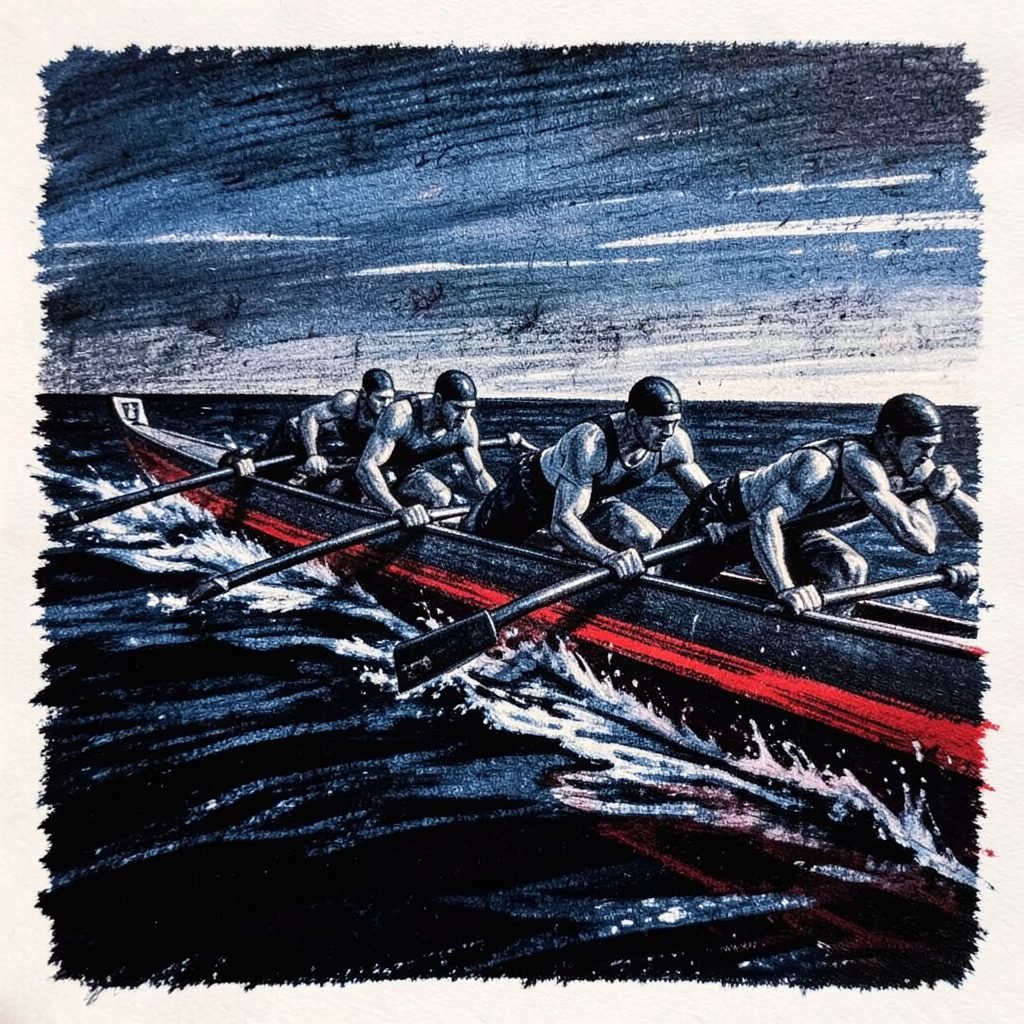
Spring lineup including Clemson Sprints, SIRA, Dad Vail, and ACRA National Championship.
Read More
Previews and recap of past Head of the Charles appearances, including the 50th annual regatta in 2014.
Read MoreTeam practice, regatta dates, and meetings are listed on the team calendar. Coaches post weekly schedules and travel details for upcoming race weekends.
Charleston Crew / CCAA
PO Box 12941
Charleston, SC 29422
Email: info@cofccrew.org
Phone: 843.513.5900
Phone: 843.276.4241
Interested in joining the team? Fill out the recruitment form and the coaches will follow up.