Clemson Sprints Weekend
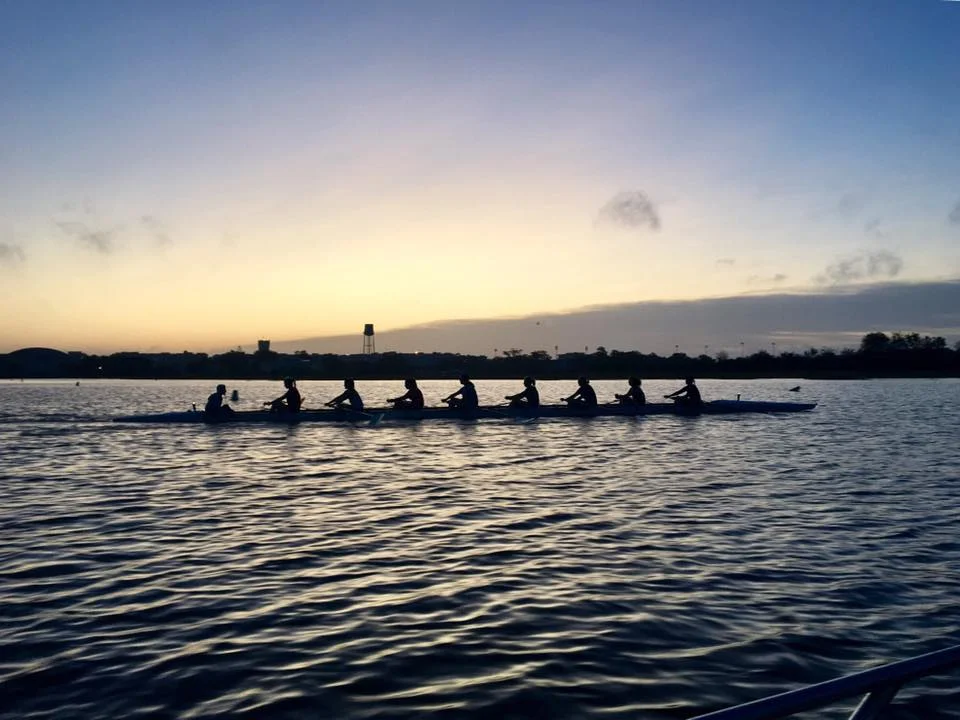
Coverage and results from the team's trip to Clemson Sprints on Lake Hartwell.
Read More
A non-profit rowing team at the College of Charleston in Charleston, South Carolina.
The Charleston Invitational brought together crews from across the Southeast and the U.S. East Coast for a weekend of tight racing, shifting winds, and hard-won lessons on the Cooper River. For the College of Charleston Crew Team, the spring regatta served as both a measuring stick and a celebration of a season's worth of seat miles and erg sessions. The team arrived early, rigged shells in the soft dawn light, and walked the boathouse dock before the heats began.
Rowing sits deep in the bones of Australian sporting culture, where clubs along the Murray River and crews training on Sydney Harbour treat every regatta like a community event. That same blend of discipline and camaraderie followed the CofC squad through a weekend where friendships with visiting programs mattered as much as lane placements. The Invitational offered a clear snapshot of where the team stands heading into the busy summer racing calendar.
Saturday morning opened with a glassy Cooper River, the kind of flat water that rewards clean catches and patient acceleration. A light southerly breeze picked up by mid-morning, pushing chop into the lane lines and forcing coxswains to make quick calls on steering. Several visiting clubs commented on how the tide swings at Charleston demand a flexible race plan, a feature that mirrors the tidal challenges rowers face on the Parramatta River in western Sydney.
The course stretched the standard 2,000 metres, marked by buoys that grew familiar by the second time through the start line. Coaches walked the shoreline in clusters, binoculars trained on bow balls and finishers. Between heats, the CofC squad rotated through active recovery stations and kept warm with steady-state pieces along the warm-up stretch.
The team fielded entries in the men's and women's collegiate eights, the novice fours, and a mixed double sculls pairing. Across those races, the standings told a story of steady progress through a stacked field. The summary below outlines where the boats landed against the strongest clubs on the day.
| Division | Placing | Margin to winner | Notable split |
|---|---|---|---|
| Men's collegiate eight | 4th of 12 | +5.2 seconds | Strongest 500m push |
| Women's collegiate eight | 3rd of 10 | +3.1 seconds | Best mid-race rhythm |
| Novice men's four | 2nd of 8 | +1.4 seconds | Sharp closing 500m |
| Mixed double sculls | 5th of 9 | +6.0 seconds | Solid technical outing |
These results sit comfortably against a competitive regional circuit that includes programs with far deeper recruiting pools. The novice four's silver medal stood out as the highlight of the weekend, particularly given the crew had only learned to row together eight weeks before the regatta.
Every successful eight relies on the engine room at the back of the boat, and the Charleston Invitational put the team's stroke seat decisions under a clear microscope. A recent review on the role of the stroke seat setting the rhythm for the boat explored how rhythm influences the whole hull. Theon Roberts, who took the stroke seat in the men's eight, set a 34-stroke cadence in qualifying and held it steady through headwind sections where crews around him surged and faded.
Stroke rowers carry more responsibility than the position suggests. They set the rate, dictate the length, and absorb the small wobbles from the seven seats in front. The women's boat ran a slightly higher cadence at 36, a choice that matched the lighter conditions in their afternoon heat and reflected the rhythm coaches had drilled all spring.
Coaches used the regatta as a live laboratory for technical experiments. Coxswains worked on aggressive starts, aiming to clear the 100-metre mark with a clear boat-length lead before settling into race tempo. That approach echoed strategies seen in Melbourne club racing, where early aggression often pays off on the Yarra's twisting course.
Lineup changes between heats allowed coaches to test new combinations and give developing athletes a feel for race-day pressure. The novice four raced twice on Saturday with slightly different seat orders, a deliberate choice to build adaptability. By Sunday morning, the squad had logged more race pieces in a single weekend than in the previous month of training.
A regatta is rarely just about times on a results sheet. Parents travelled from across the Lowcountry to set up the team tent, alumni drove down from college campuses to cheer bow balls across the line, and local Charleston businesses donated food for the athletes. That community spirit echoes the volunteer-driven culture of Australian regattas, where clubs along the Brisbane River rely on parents and alumni to keep the boats on the water.
Coaches credit the team's culture as the single biggest factor in the spring results. New rowers learned the language of the boat, returning athletes refined their feel for the water, and everyone spent long afternoons scrubbing shells and coiling lines. The full crew roster reflects the depth of that commitment, with nearly forty athletes contributing across the season.
The Charleston Invitational closed the spring season on a confident note, but the team is already eyeing the next regatta on the schedule. Coaches plan to maintain the aerobic base built through winter and add more race-pace work for the summer schedule, including a trip to an East Coast invitational and a regional championship in May. Fundraising efforts are ramping up to cover travel costs and new equipment.
Athletes return to the boathouse with notebooks full of split times and stroke-rate targets. The lessons of the Charleston Invitational, from the value of a calm stroke seat to the importance of community support, will carry the team into the next chapter of the season. With novice crews gaining confidence and varsity boats tightening their rhythm, the foundation looks strong.
College of Charleston Crew fields competitive eights and fours in both Fall head races and Spring sprint regattas across the Southeast.
Learn MoreRecent news, recaps, and announcements from the team.
Coverage and results from the team's trip to Clemson Sprints on Lake Hartwell.
Read More
Spring lineup including Clemson Sprints, SIRA, Dad Vail, and ACRA National Championship.
Read More
Previews and recap of past Head of the Charles appearances, including the 50th annual regatta in 2014.
Read MoreTeam practice, regatta dates, and meetings are listed on the team calendar. Coaches post weekly schedules and travel details for upcoming race weekends.
Charleston Crew / CCAA
PO Box 12941
Charleston, SC 29422
Email: info@cofccrew.org
Phone: 843.513.5900
Phone: 843.276.4241
Interested in joining the team? Fill out the recruitment form and the coaches will follow up.