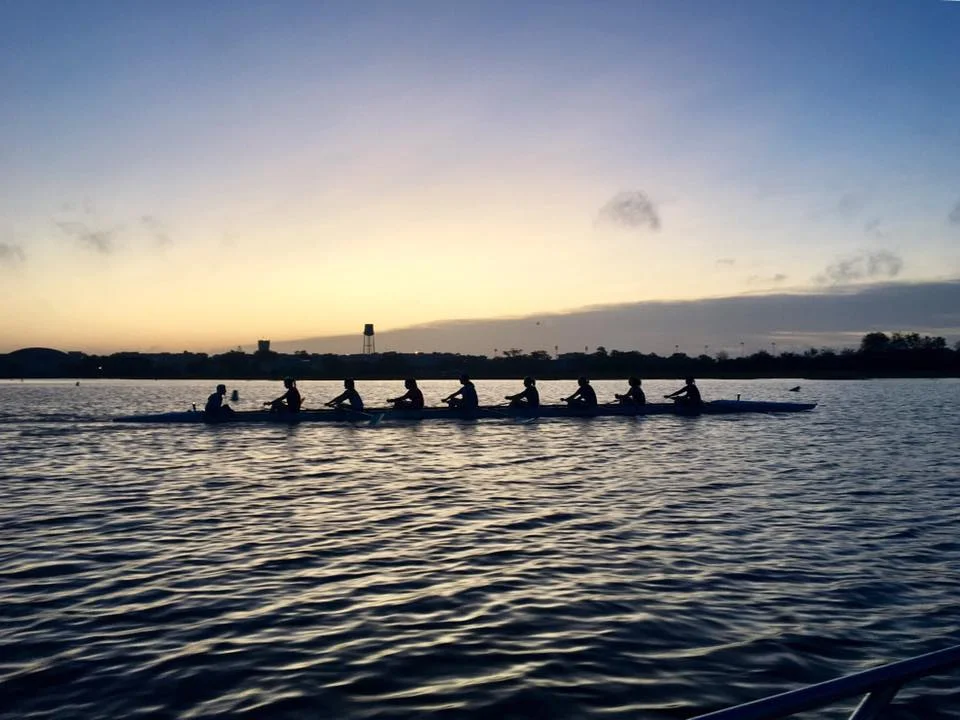
Clemson Sprints Weekend
Coverage and results from the team's trip to Clemson Sprints on Lake Hartwell.
Read More
A non-profit rowing team at the College of Charleston in Charleston, South Carolina.
A square blade enters the water with its face already perpendicular to the surface, creating a clean catch and an immediate connection between the rower and the hull. It is a demanding skill because small errors in hand height, blade angle or body preparation become visible straight away.
For collegiate rowers, squaring is more than a technical flourish. It improves timing, keeps the catch consistent and helps the boat accelerate together. At the College of Charleston, where crews train on tidal waterways and race across the Southeast and East Coast, this precision can make a noticeable difference in changing conditions.
Australian rowers will recognise the same demands on waterways such as the Yarra River, Brisbane River and Sydney Harbour. Tide, wash, crosswind and busy traffic mean that a blade must be controlled rather than simply placed in the water. A tidy square at the catch gives the crew a reliable starting point every stroke.
The square begins during the recovery, not at the instant before the catch. As the hands move away, the rower should maintain a relaxed grip and allow the wrists to rotate gradually. The outside hand usually controls the feather and square, while the inside hand guides height and direction. Avoid twisting the whole forearm or clenching the handle.
The blade should reach the square position before the final part of the recovery. This gives the rower time to check that the face is vertical and that the handle is travelling at the correct height. A rushed rotation often produces a slight angle, which can cause the blade to slap, dive or miss the water altogether.
A useful cue is to keep the knuckles level and the blade face quiet as the body moves forward. Coaches may describe this as “setting the blade early”. On a cold Melbourne morning or during a breezy arvo session, that extra preparation makes the catch far more dependable.
At full slide, the rower should arrive with the shins near vertical, the body stable and the arms long. The blade enters the water through a controlled drop of the hands, rather than by reaching down with the shoulders. The square face should be buried cleanly before the legs begin to push.
The most important moment is the connection between blade and water. If the legs drive before the blade is covered, the handle moves faster than the water can support and the blade may wash out. If the rower drops the hands too deeply, the blade can become buried and slow the boat. The ideal catch is quick, quiet and firm.
Practise this sequence at low rates first. Pause at the front end, square fully, place the blade, then begin the drive. Once the movement is repeatable, remove the pause while preserving the same order. This approach is particularly useful when comparing the short, sharp rhythm required on a river race course with the longer rhythm used in distance training.
A perfect square is not maintained by rigid wrists. The handle should remain supported by relaxed fingers, with the outside hand controlling the blade’s orientation. During the drive, the rower should feel pressure through the feet and the handle while keeping the blade buried at a consistent depth.
Watch for common faults: washing out at the finish, digging too deeply at the catch, and allowing the outside shoulder to collapse. Each fault changes the blade’s leverage and can disturb the set. Video from the side or from the coach’s launch often reveals movements that are difficult to feel from inside the boat.
Crews can use short bursts of square-blade rowing between normal pieces. Six to ten strokes at half slide, followed by full-slide strokes, helps isolate the catch without creating excessive fatigue. In sweep boats, the same principle applies, although the handle path and outside-hand role require careful attention from the coach.
Wind and current alter how a square blade behaves. On Sydney Harbour, ferry wash can arrive after the crew has prepared for the catch, while a bend in the Brisbane River may change the apparent wind within a few strokes. Rowers should keep the blade controlled and avoid lifting the hands in response to every ripple.
Australian club rowing is often volunteer-led, with crews sharing boats, oars and training water around university timetables. That makes simple technical drills valuable: they can be completed in an eight, four or single without specialised equipment. At a regatta such as Henley-on-Yarra, consistent squaring also helps a crew respond quickly when the rhythm changes near the finish.
Training partners can call “square”, “place” and “drive” to reinforce the sequence. The language should stay brief, especially when crews are working in traffic or preparing for a start. For broader context on how local water conditions affect effort, read this Ashley and Cooper comparison, which considers two Charleston waterways with different demands.
Start with arms-only and arms-and-body rowing, using a deliberate square before every catch. Progress to quarter slide, half slide and full slide while keeping the blade face vertical. The coach should listen for a quiet entry and watch whether every blade disappears at the same depth.
A useful test is to row several strokes square, then return to feathered recovery. If the square work has improved control, the feather should feel lighter and the catch should arrive with less hesitation. If the boat becomes heavy or unstable, reduce the rate and revisit hand height, body preparation and the timing of the leg drive.
| Technical feature | Correct execution | Common error |
|---|---|---|
| Rotation | Square gradually before the catch | Last-second wrist twist |
| Entry | Drop the hands and bury the blade cleanly | Reaching down or stabbing |
| Drive | Legs connect after the blade is covered | Legs fire before connection |
| Depth | Maintain a stable, shallow working depth | Blade digs or washes out |
| Finish | Remove the blade cleanly before feathering | Hands rise and blade lingers |
A square blade should make the boat feel more connected, not more tense. Crews looking for structured training, race information and club rowing opportunities can explore the College of Charleston Crew site, where technical development sits alongside competition and team life.
College of Charleston Crew fields competitive eights and fours in both Fall head races and Spring sprint regattas across the Southeast.
Learn MoreRecent news, recaps, and announcements from the team.
Coverage and results from the team's trip to Clemson Sprints on Lake Hartwell.
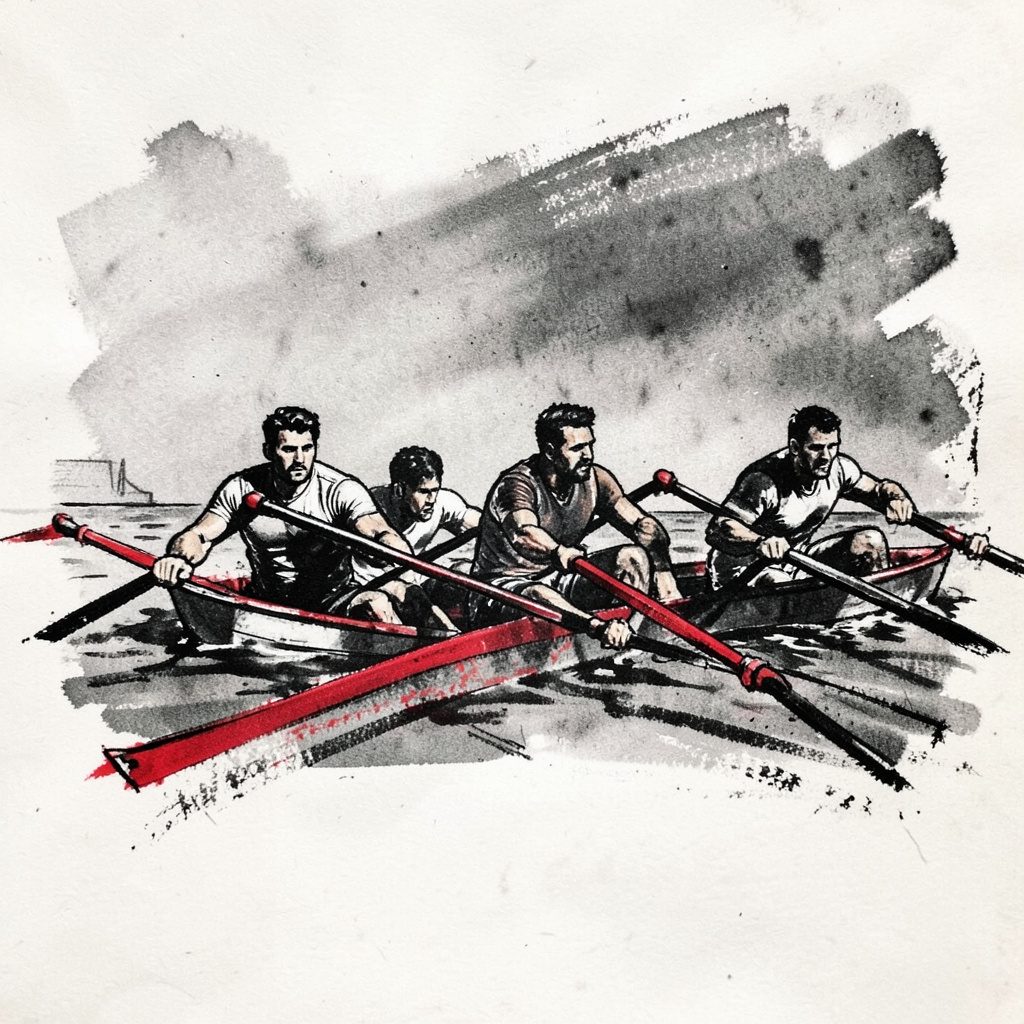
Read More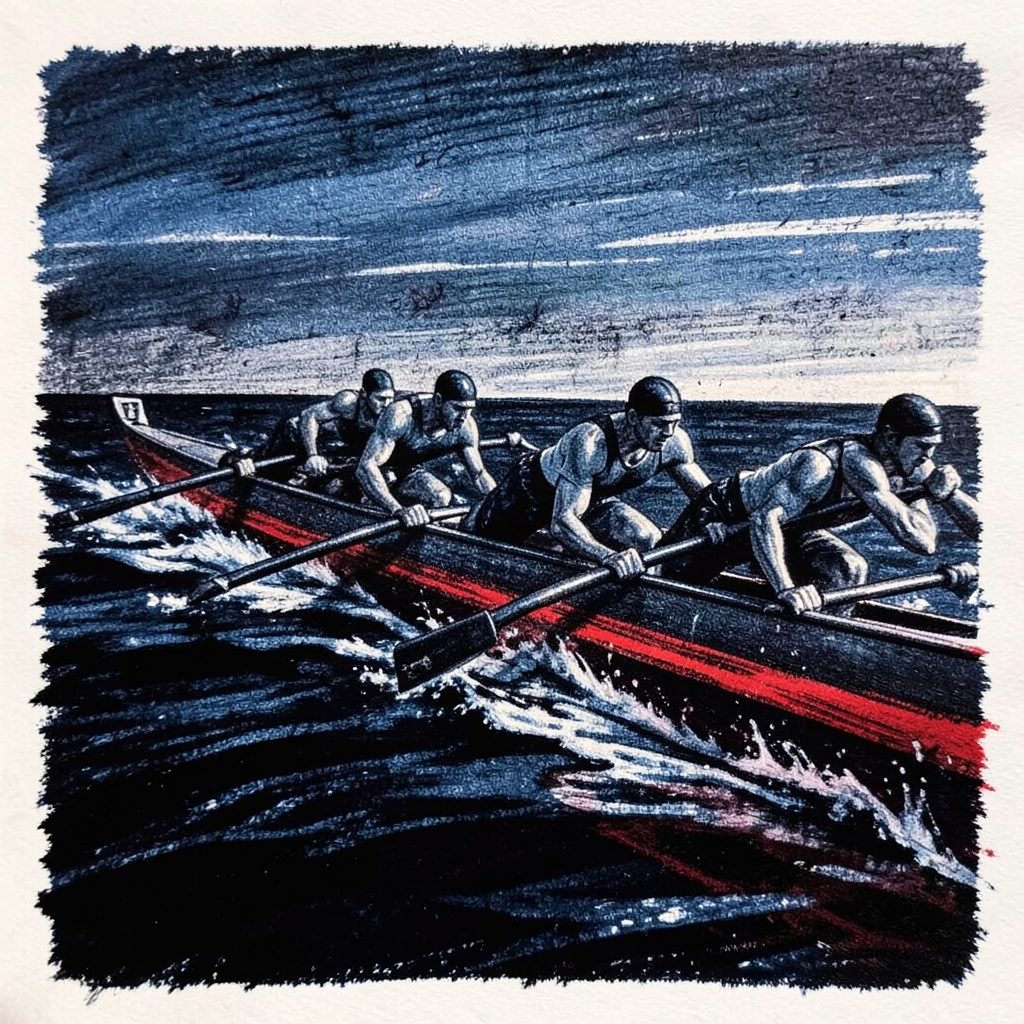
Spring lineup including Clemson Sprints, SIRA, Dad Vail, and ACRA National Championship.
Read More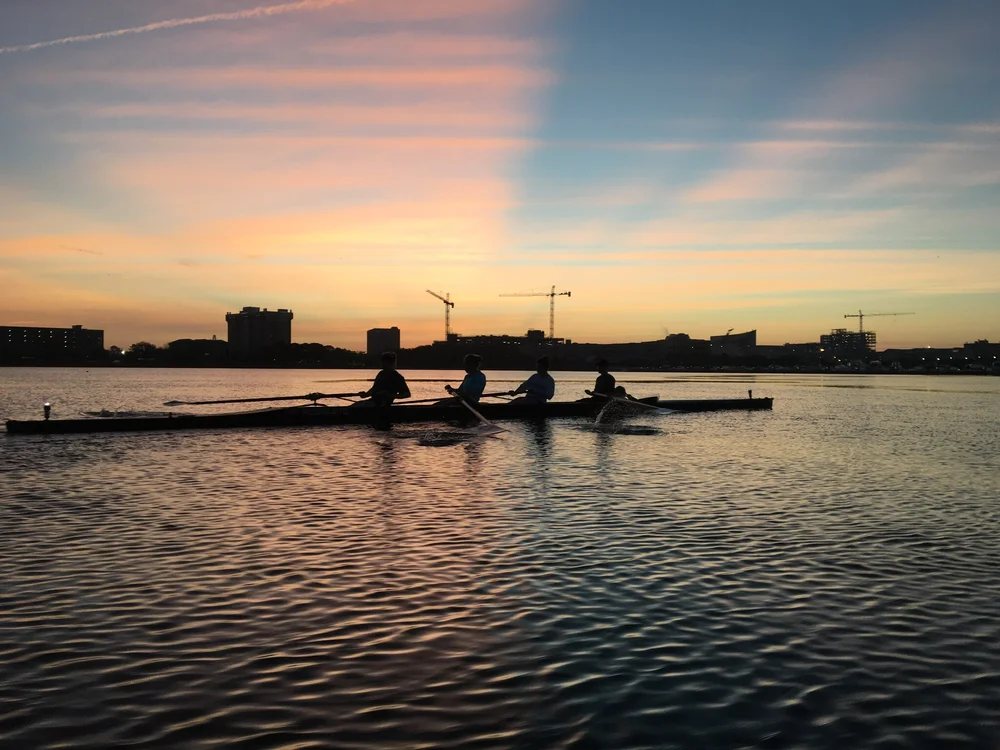
Previews and recap of past Head of the Charles appearances, including the 50th annual regatta in 2014.
Read MoreTeam practice, regatta dates, and meetings are listed on the team calendar. Coaches post weekly schedules and travel details for upcoming race weekends.
Charleston Crew / CCAA
PO Box 12941
Charleston, SC 29422
Email: info@cofccrew.org
Phone: 843.513.5900
Phone: 843.276.4241
Interested in joining the team? Fill out the recruitment form and the coaches will follow up.