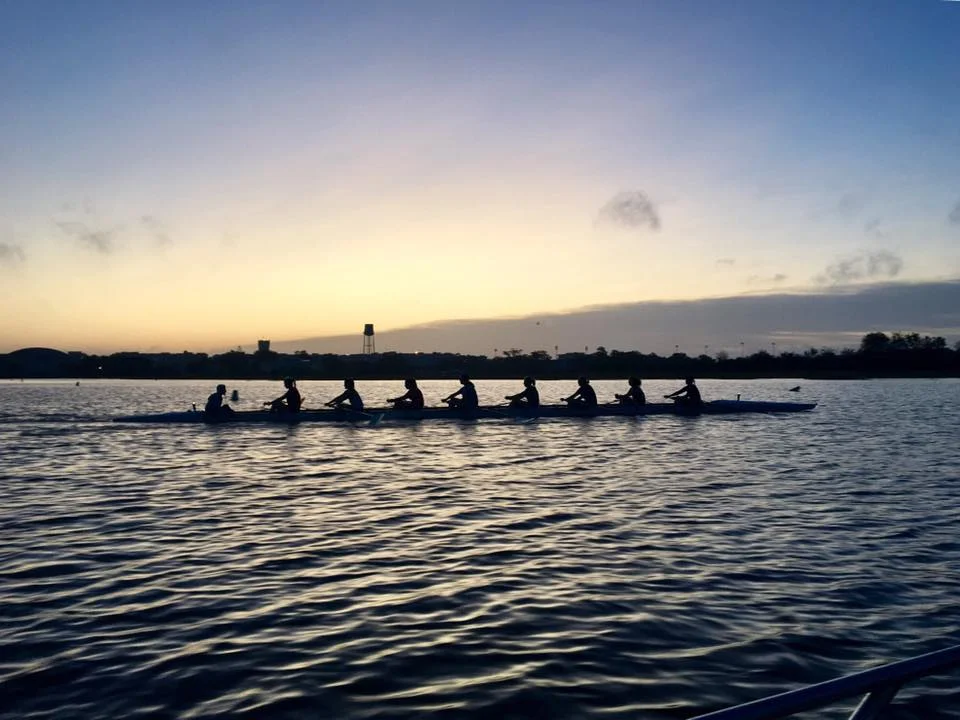
Clemson Sprints Weekend
Coverage and results from the team's trip to Clemson Sprints on Lake Hartwell.
Read More
A non-profit rowing team at the College of Charleston in Charleston, South Carolina.
Charleston, South Carolina rests where two very different waterways meet, the slow-winding Ashley River and the brisk tidal Cooper River. Rowers launching from the College of Charleston boathouse quickly learn which stretches feel forgiving and which fight back, with daily routes swinging between these arteries depending on wind, tide, and season. Learn more about How To Clean And Care For The Team S Rowing Shells.
For Australian rowers tuning in from Sydney Harbour or the Brisbane River, the comparison shares some echoes with the salt-washed estuaries back home. The Ashley meanders inland with a soft feel, while the Cooper surges toward the open harbour at a faster tempo. Anyone used to the rip currents of the Yarra in Melbourne will recognise how tidal pull reshapes a session the moment oars ship.
Both rivers are tidal, and the difference between high and low water can turn an ordinary outing into something wildly more technical. Charleston Harbor experiences semi-diurnal tides similar to Moreton Bay near Brisbane, with a range that regularly pushes past 1.5 metres. On the Ashley, the current softens as crews push upstream past the marshes, leaving breathing room for steady-state pieces and technique drills.
The Cooper behaves differently. Its current pulls steadily toward the harbour mouth and accelerates beneath the shadow of the Ravenel Bridge, the same cable-stayed span that towers over the famous bridge run each spring. Out-of-towners expecting something gentler feel caught off-guard when the boat seems to sprint backward on the return leg. Local crews plan intervals around slack water, the brief window near high and low tide when the river settles, because rowing against a full Cooper current is a workout nobody volunteers for twice.
The Ashley rewards patience. Training routes tend to follow bends past Pickett Bridge into quieter marshland, a setting coastal rowers from Noosa might recognise through their own mangrove-fronted stretches. Crews who grew up racing on flat inland lakes sometimes find the narrow, twisting channel jarring, but the mirror-still water and looming cypress trees settle nerves within the first week.
The Cooper offers long, straight, sculling-friendly stretches framed by industrial relics from the old Naval base and quiet residential docks. The course under the Ravenel Bridge is dramatic, and boats passing beneath that enormous span get buffeted by wind swirling through the cables. A quick rundown helps set expectations before rowers pick a route:
Wind behaves very differently on each river because the landscape frames them so unevenly. The Ashley's tall cypress stands cut crosswinds down to soft breezes, which is why drills on that water feel relaxed. Many crews treat the Ashley as a chess match where every blade must stay at the same height, and sloppy timing shows up clearly against the mirror backdrop.
On the Cooper, sudden gusts funnel through the harbour and ricochet off old concrete pilings, producing chop that catches a bow pair off-guard. Bunkering down for an eight-person shell in crosswind demands technical concentration that an Australian visitor trained on calmer waters like Lake Barrington in Tasmania may not have practised regularly. Coaches pair new eights with veterans who can call wind corrections before the boat drifts too far off-line.
Rowers consistently describe the Cooper as a harder physical workout per kilometre, since the river keeps the boat honest about rating and timing. A missed stroke shows up immediately when the current tries to push the bow off-line, similar to the demands placed on crews chasing Head of the Yarra times back in Melbourne. Sessions here build raw aerobic capacity quickly.
The Ashley produces a different toughness. With less current to hide mistakes, rowers must hold clean catches and even pressure across the entire length of the boat. Coaches use the quieter stretches for technical review, and shells come back lighter partly because the protected water makes it easier to learn how to clean and care for the team's rowing shells between outings. The mental task of keeping rhythm on a glassy river taxes concentration in ways heavy current never does.
Practices through the academic year drift between the two rivers depending on conditions. Coaches check tide charts obsessively, much like Adelaide-based clubs along the Port River consult marine forecasts before weekend regattas. Beginners usually start on the Ashley for its forgiving flow, then graduate to the Cooper once their stroke has firmed up.
Anyone stepping into a CofC Crew shell for the first time should introduce themselves to the student officers running CofC Crew, who match newcomers with crews and explain the unspoken rules of each river. Most captains recommend pairing with veterans for at least a fortnight, since local knowledge of how the Cooper behaves near slack tide can shave minutes off an unfamiliar erg score.
Packing a few basics makes the transition smoother, whether the launch point is Charleston or a quiet stretch of the Huon River in Tasmania:
Both rivers shape a rower's season in different ways. The Cooper sharpens fitness and race pace, while the Ashley polishes technique and mental endurance. Choosing between them is less about which is harder and more about what skills a crew needs on race day, and crews that rotate between the two consistently turn out faster, smarter athletes ready for whatever the East Coast regatta calendar sends their way.
College of Charleston Crew fields competitive eights and fours in both Fall head races and Spring sprint regattas across the Southeast.
Learn MoreRecent news, recaps, and announcements from the team.
Coverage and results from the team's trip to Clemson Sprints on Lake Hartwell.
Read More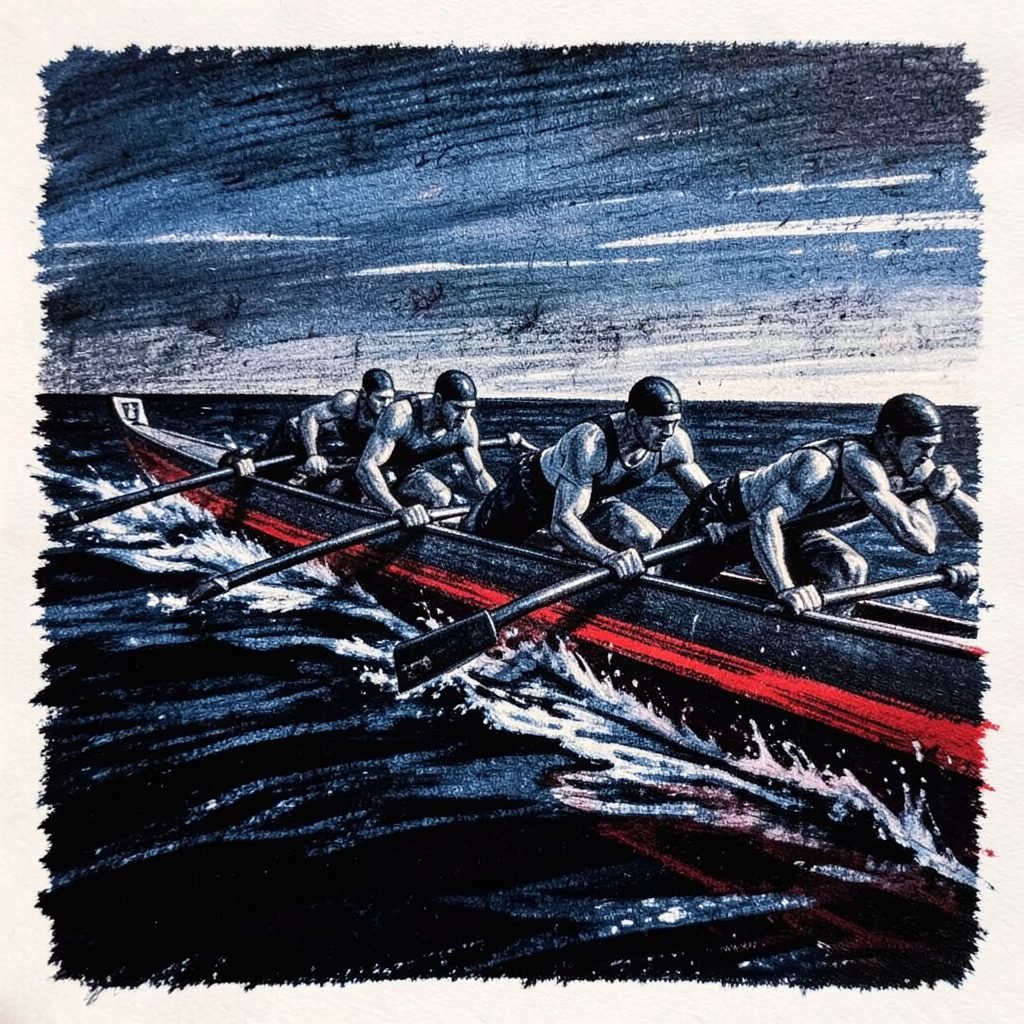
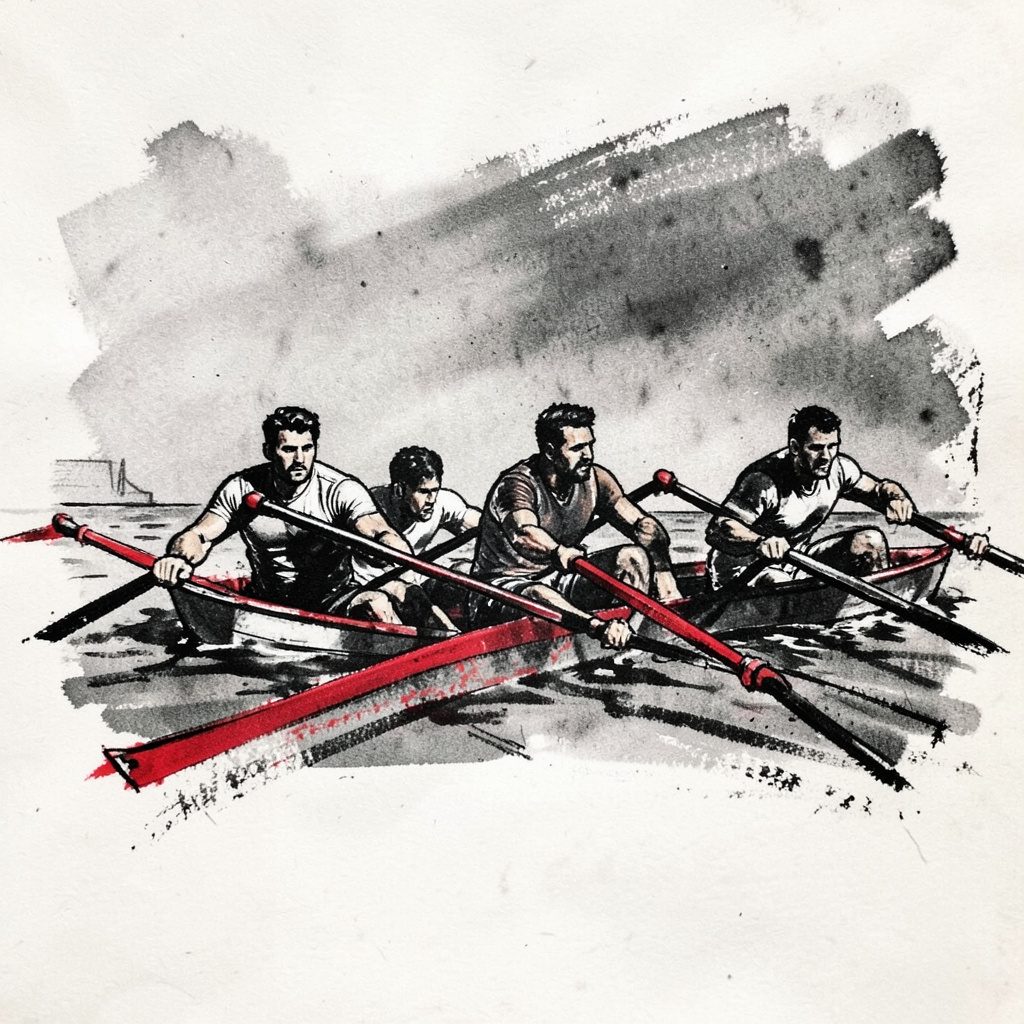
Spring lineup including Clemson Sprints, SIRA, Dad Vail, and ACRA National Championship.
Read More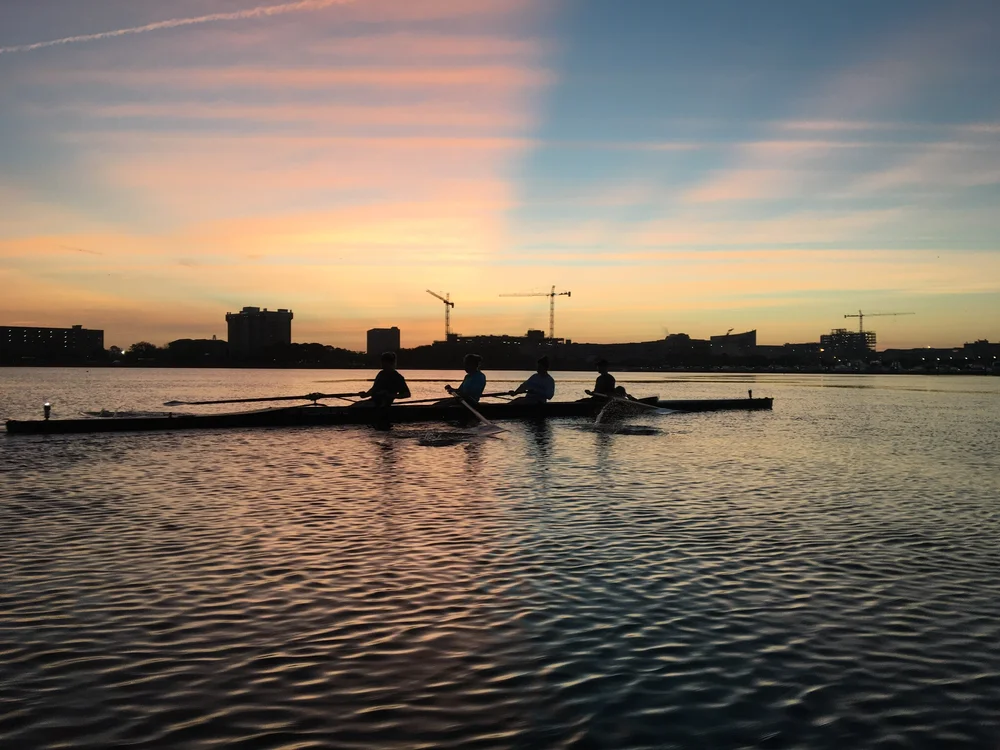
Previews and recap of past Head of the Charles appearances, including the 50th annual regatta in 2014.
Read MoreTeam practice, regatta dates, and meetings are listed on the team calendar. Coaches post weekly schedules and travel details for upcoming race weekends.
Charleston Crew / CCAA
PO Box 12941
Charleston, SC 29422
Email: info@cofccrew.org
Phone: 843.513.5900
Phone: 843.276.4241
Interested in joining the team? Fill out the recruitment form and the coaches will follow up.