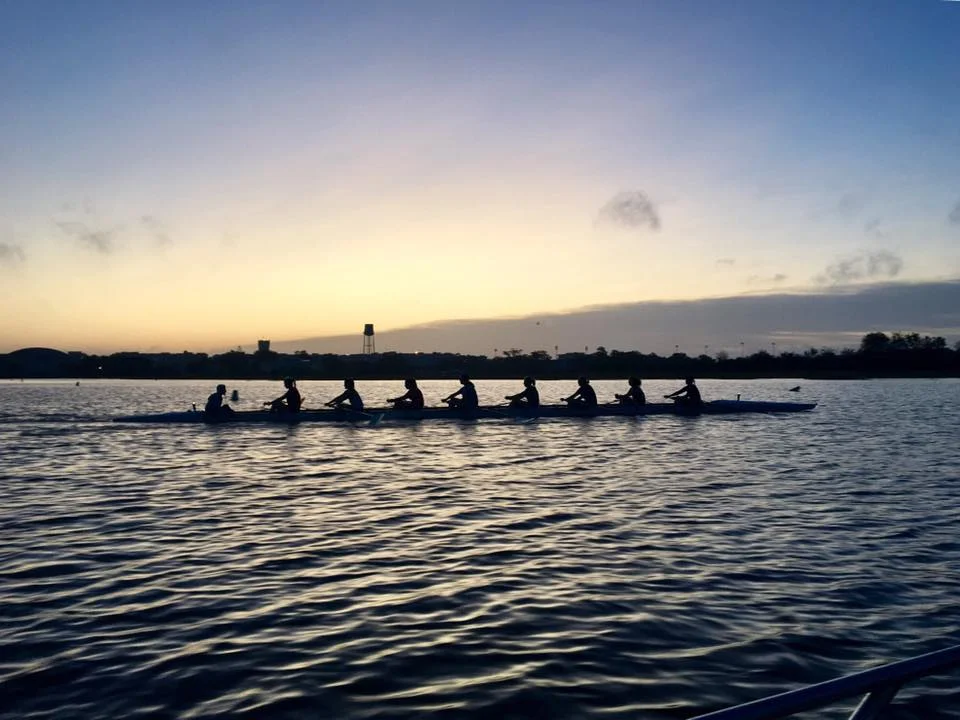
Clemson Sprints Weekend
Coverage and results from the team's trip to Clemson Sprints on Lake Hartwell.
Read More
A non-profit rowing team at the College of Charleston in Charleston, South Carolina.
College rowing and Greek life can both shape your university experience. Crew demands early starts, technical focus, fitness and travel, while a fraternity or sorority brings recruitment, chapter meetings, philanthropy and a busy social calendar. The combination is manageable when you treat both as commitments that need structure.
For Australian students joining an exchange programme or comparing American campus life with experiences at universities in Sydney, Melbourne or Brisbane, the rhythm may feel unfamiliar. O-Week events, shared accommodation, casual work shifts and long travel times can quickly fill a calendar, so planning needs to begin before the first regatta or chapter event.
Start by listing fixed commitments rather than trying to fit everything in day by day. Crew training, lectures, laboratories, chapter meetings and major assessments should be placed in a calendar first. The College of Charleston Crew website can help new and returning athletes understand the team’s activities, competition schedule and expectations.
| Commitment | Typical demand | Best planning approach |
|---|---|---|
| Rowing training | Early mornings and conditioning | Protect sleep and prepare equipment the night before |
| Regattas | Full weekends and travel | Block dates before accepting social invitations |
| Fraternity or sorority events | Meetings, recruitment and service | Attend priority events and communicate absences |
| Academic work | Weekly reading and assessment peaks | Use short study blocks throughout the week |
| Paid work | Fixed or variable shifts | Keep shifts away from training and race weekends |
Decide what success looks like in each area. You may aim for a racing seat, meaningful chapter involvement, strong grades or a balanced mix. A clear priority order prevents a last-minute social event from taking precedence over a commitment that affects the whole boat.
A reliable weekly routine is more useful than occasional bursts of effort. Set aside time for training, classes, meals, laundry, study and social activities. If morning water sessions begin before sunrise, prepare breakfast, clothing and transport the night before instead of sacrificing sleep.
Use a shared digital calendar with your boat group or chapter committee. Mark regattas, formal dinners, philanthropic events, exams and travel days in different colours. Australian students may already be familiar with balancing a long commute from suburbs such as Parramatta or Geelong; the same principle applies in Charleston, where travel between campus, housing and boathouse can quietly consume time.
Joining a fraternity or sorority does not require attending every gathering. Ask about the chapter’s attendance expectations, recruitment periods, leadership responsibilities and service commitments before accepting a role. A chapter that respects training and academic obligations will be a better fit than one that treats every event as compulsory.
Select a small number of meaningful activities. A philanthropy project, mentoring role or regular chapter meeting may provide stronger connections than attending several late-night social events. Explain your rowing schedule early, especially when races take place on weekends or require travel along the Southeast and East Coast.
Rowing performance depends on recovery, and social commitments can make tiredness seem normal. Aim for consistent sleep, regular meals and sufficient hydration. Keep alcohol away from training and racing periods, and avoid treating a missed meal as an acceptable trade for a chapter event.
Study time should be scheduled before deadlines become urgent. Short sessions after class can handle readings and revision, while longer blocks can be reserved for essays or laboratory reports. For Australian students managing the cost of flights, accommodation and everyday expenses, planning meals and transport also helps prevent financial stress from undermining both sport and study.
Regattas often occupy an entire day, even when racing itself lasts only a few minutes. Include bus departures, rigging, warm-ups, meals and return travel in your calculation. Tell chapter leaders about race weekends as soon as the schedule is released, then offer alternative ways to contribute when you cannot attend.
A practical balance may look like this:
The Australian university market has its own pressures, including casual hospitality work, rising rent and long intercity journeys. Whether you are travelling between Melbourne and regional Victoria or arranging a semester in the United States, include work hours and travel costs in the same plan as sport and Greek life.
The healthiest arrangement allows you to be a rower, chapter member and student without letting one identity consume the others. Teammates can provide accountability for training, while fraternity or sorority friends may offer academic support and a social network away from the boathouse.
Speak with a coach, captain or chapter officer when commitments collide. Early communication gives people time to adjust rosters, share responsibilities or identify a suitable substitute. Rowing also offers experiences that strengthen group connection beyond competition; the team’s account of wildlife encounters shows how time on the water can become a memorable part of campus life.
Balance is a series of deliberate choices: protect the essentials, communicate early and leave room for genuine friendships. With that foundation, rowing and Greek life can reinforce rather than compete with each other.
College of Charleston Crew fields competitive eights and fours in both Fall head races and Spring sprint regattas across the Southeast.
Learn MoreRecent news, recaps, and announcements from the team.
Coverage and results from the team's trip to Clemson Sprints on Lake Hartwell.
Read More
Spring lineup including Clemson Sprints, SIRA, Dad Vail, and ACRA National Championship.
Read More
Previews and recap of past Head of the Charles appearances, including the 50th annual regatta in 2014.
Read MoreTeam practice, regatta dates, and meetings are listed on the team calendar. Coaches post weekly schedules and travel details for upcoming race weekends.
Charleston Crew / CCAA
PO Box 12941
Charleston, SC 29422
Email: info@cofccrew.org
Phone: 843.513.5900
Phone: 843.276.4241
Interested in joining the team? Fill out the recruitment form and the coaches will follow up.