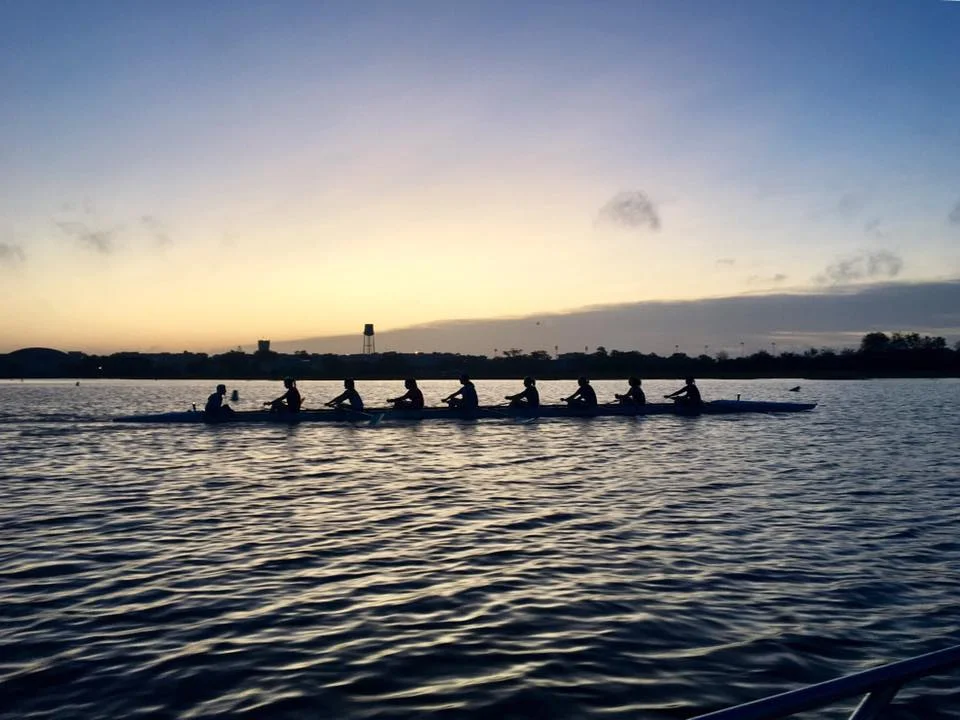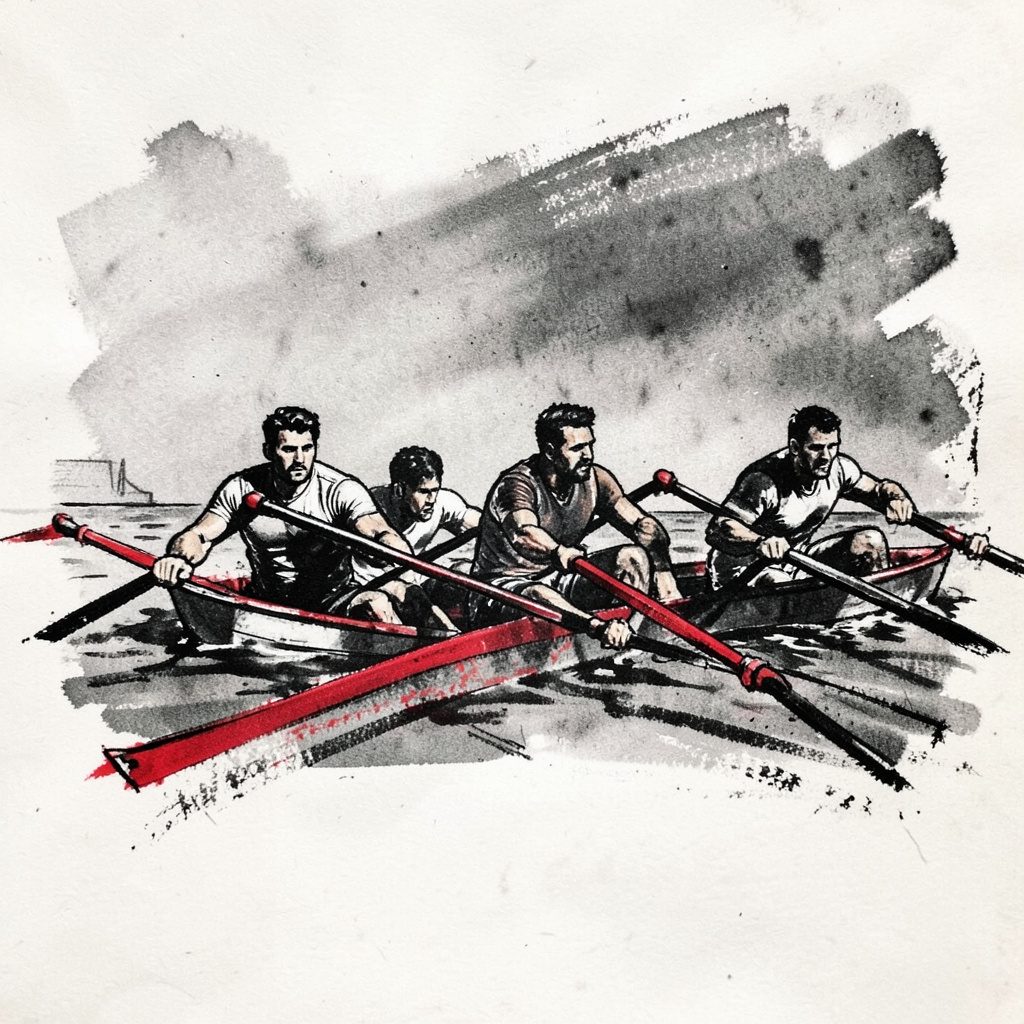
Clemson Sprints Weekend
Coverage and results from the team's trip to Clemson Sprints on Lake Hartwell.
Read More
A non-profit rowing team at the College of Charleston in Charleston, South Carolina.
College rowing can fill early mornings, weekends and race travel, while a part-time job or internship adds shifts, deadlines and commutes. Australian students often struggle less to find time than to preserve enough energy for quality training. Learn more about The Joy Of Rowing Through Charleston S Historic Battery.
The College of Charleston Crew Team provides a useful model: beginners and experienced rowers share demanding sessions, regattas and club responsibilities. Those habits help students in Australia balance crew with paid work.
Treat work, study and rowing as one shared commitment. Set training priorities, match them to a realistic work pattern and review the arrangement when classes, shifts or race dates change.
List the hours you cannot move: paid shifts, classes, internship deadlines and crew meetings. Include travel time, particularly when work is in another suburb, and put the fixed items in one calendar before filling the gaps.
Protect one or two training blocks before accepting extra shifts. An early erg session might suit a fixed weekday roster, while weekend water sessions can fit a Monday-to-Friday casual job. If you miss a session, replace it with mobility or recovery work and resume the plan without treating one miss as failure.
Shell work can feel intimidating when employment already brings stress. The crew team's guide to overcoming fear of capsizing offers a sensible starting point: learn the boat, trust coaching and practise controlled skills before adding race pressure.
Ask your coach to connect progression to your schedule. Beginners can start with land technique, balance drills and supervised ergometer work, then move onto the water. Tell the coach about long shifts or poor sleep so technique, not panic, carries you through a difficult session.
Recovery is part of work and study, not spare time. Keep a consistent sleep window, eat around demanding shifts and avoid turning a night shift into an extra training slot. Reduce intensity if you feel dizzy, unusually sore or unusually slow.
Weather changes the plan. Brisbane's summer heat and humidity make hydration and shaded recovery essential, while Melbourne's changeable conditions may turn an outdoor row into an indoor erg session. Sydney crews also need sun protection and realistic commute buffers.
Because tips are not routine in Australian hospitality, budget the full hourly income for food, transport and equipment. Treat caffeine as a tool rather than a substitute for sleep, especially before a dawn session.
Speak with your manager before the roster fills. Give clear availability around crew sessions and regattas, then ask which shifts can be swapped or shared. A predictable request is usually easier to accommodate than a repeated last-minute change.
Check the relevant award or enterprise agreement and the National Minimum Wage rather than guessing. If you hold a Student visa, confirm its work conditions and course-load expectations. Ordinary part-time work may include superannuation, so read the payslip and protect long-term savings as well as this month's budget.
Account for the roster you actually have. An Opal trip in Sydney or a Myki journey across Melbourne can consume time that a late finish makes scarce. Track work and travel separately so commuting does not quietly replace sleep or training.
If you are considering a U.S. crew programme or comparing race-week demands with an Australian placement, you can contact the crew team for details about training and competition commitments.
No work pattern suits every rower. Compare sleep, travel, deadlines and selection rather than hours alone. A schedule with one reliable training block may suit a competitive rower better than a busier job with unpredictable sessions.
| Work pattern | Australian example | Rowing fit | Main risk |
|---|---|---|---|
| Fixed weekday shifts | Retail job in a Sydney suburb | Fits weekend water sessions | Overtime and Opal travel reduce recovery |
| Evening roster | Hospitality work in Melbourne | Restricts Saturday racing | Late finishes reduce sleep |
| Remote internship | Australian employer with U.S. calls | Supports focused work blocks | Evening meetings blur the workday |
| Placement project | Adelaide assignment | Flexible but hard to predict | Deadlines can collide with trials |
Treat this comparison as a starting point, then adjust it with your coach and employer. A one-month trial on a shared calendar can reveal which evening or weekend breaks your routine before a new roster or selection commitment begins.
Rowing for the College of Charleston means joining a programme with a strong sense of place. Charleston's historic Battery shows how water routes can connect training with local history, while race days add teamwork and travel to the weekly load.
Australian rowing clubs share familiar traditions: early starts, shared equipment, volunteer support and crews that build trust off the water. Whether you train in Adelaide, Brisbane, Melbourne or Sydney, seek a coach who understands beginners and a squad that respects work boundaries.
Programme information on history, coaches, student officers, competitions and the regatta calendar helps prospective rowers judge the commitment. Fundraising and social links reveal how members share duties beyond training, which matters when paid work already occupies much of your week.
Decide what rowing most benefits you: fitness, competition, friendships or routine. Protect that priority and keep the others flexible. A sustainable season includes rest, occasional missed sessions and enough time to switch off from work and crew.
Review the arrangement every two weeks. If sleep, concentration or mood decline, change one commitment at a time so you can see what helps. Dropping an extra shift may protect performance at work and on the water better than adding another early alarm.
College of Charleston Crew fields competitive eights and fours in both Fall head races and Spring sprint regattas across the Southeast.
Learn MoreRecent news, recaps, and announcements from the team.
Coverage and results from the team's trip to Clemson Sprints on Lake Hartwell.
Read More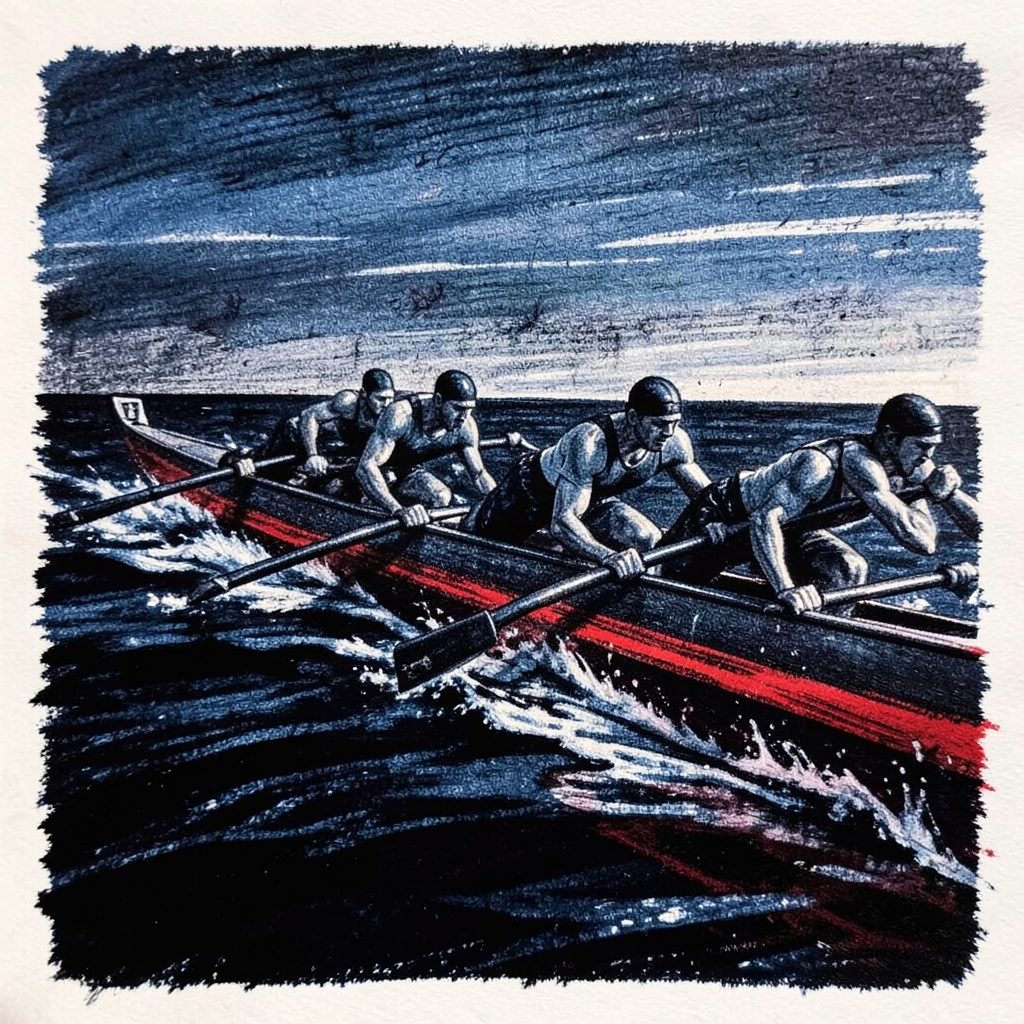
Spring lineup including Clemson Sprints, SIRA, Dad Vail, and ACRA National Championship.
Read More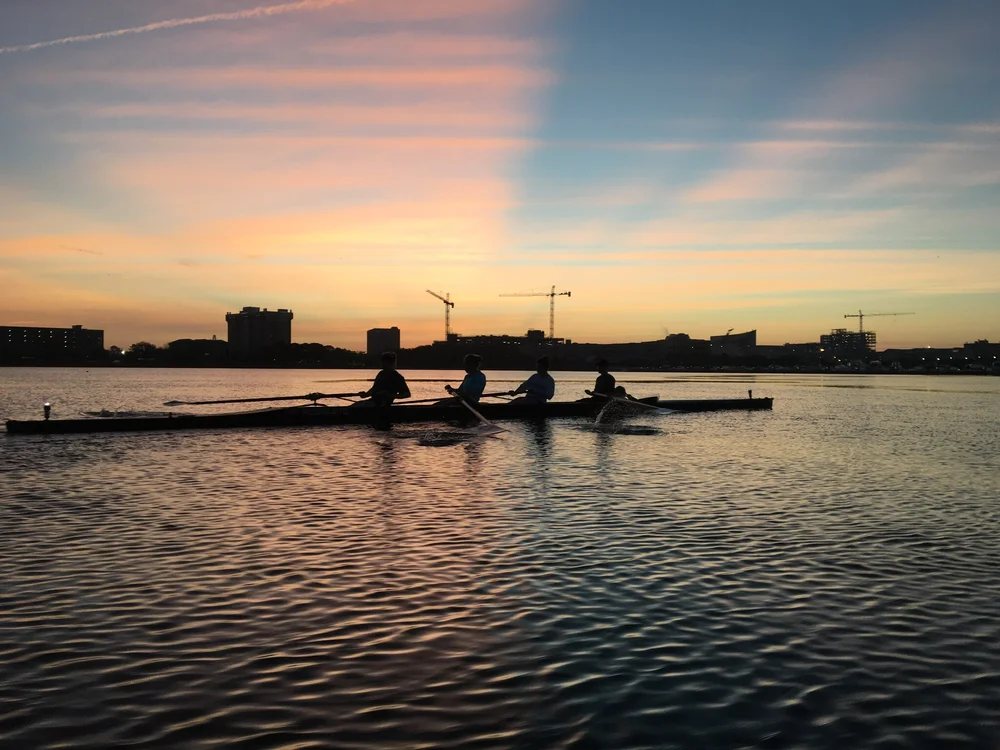
Previews and recap of past Head of the Charles appearances, including the 50th annual regatta in 2014.
Read MoreTeam practice, regatta dates, and meetings are listed on the team calendar. Coaches post weekly schedules and travel details for upcoming race weekends.
Charleston Crew / CCAA
PO Box 12941
Charleston, SC 29422
Email: info@cofccrew.org
Phone: 843.513.5900
Phone: 843.276.4241
Interested in joining the team? Fill out the recruitment form and the coaches will follow up.