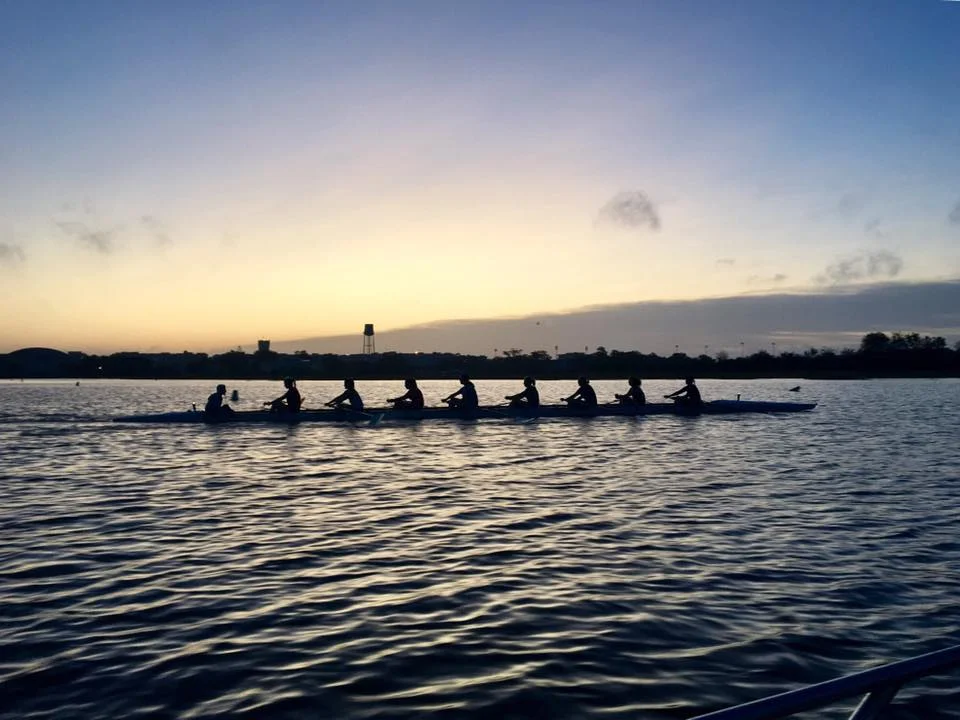
Clemson Sprints Weekend
Coverage and results from the team's trip to Clemson Sprints on Lake Hartwell.
Read More
A non-profit rowing team at the College of Charleston in Charleston, South Carolina.
Fear of capsizing is common among new rowers, even when they are strong swimmers or comfortable around water. A racing shell looks narrow and delicate, so the first outing can create tension in the hands, shoulders and stomach. That reaction is understandable, but it does not have to define your rowing experience.
Learning the sport through a supportive crew, qualified coaches and gradual exposure makes the boat feel predictable. College of Charleston Crew welcomes beginners as well as experienced athletes, and its training environment offers a useful model: build technical confidence first, then let speed and competition develop naturally.
A shell is designed to move efficiently, not to feel like a stable fishing boat. The hull responds to weight shifts, uneven blade work and sudden movements. When a novice grips the oar tightly or leans away from a wobble, the movement can become larger. Understanding this response helps replace panic with observation.
The boat is also less vulnerable than it may appear. A balanced crew, relaxed hands and controlled recovery keep the shell level. Rowers are taught how to place their blades, adjust their posture and follow the rhythm of the boat. These skills matter whether training takes place on a calm lake near Melbourne or in a tidal river around Sydney.
Early sessions should focus on balance drills, stopping safely and practising basic commands. A coach may ask the crew to square and feather blades, pause at different points in the stroke, or hold the boat steady while everyone listens. Repetition turns unfamiliar sensations into recognisable ones.
Swimming ability is useful, but water confidence should be paired with sensible preparation. Wear suitable layers, follow local club safety rules and learn where flotation equipment is stored. In Australia, sun protection is part of the routine too: a hat, water-resistant sunscreen and regular hydration are important during long sessions on exposed waterways in Brisbane, Perth or Adelaide.
A tense rower often holds their breath and locks their arms. Slow breathing softens the grip and allows the body to follow the crew’s rhythm. Try inhaling during the recovery and exhaling through the drive, while keeping the shoulders low and the wrists relaxed. The goal is not perfect calm; it is enough control to make the next movement safely.
Communication is equally important. Call out if you feel unsteady, lose contact with the foot stretcher or need a moment to reset. Coaches and coxswains can adjust the exercise, stop the boat or explain what is happening. A clear command is more useful than silent embarrassment, particularly in a busy training group or during an unfamiliar regatta.
A supervised capsize drill can remove much of the mystery. The crew learns how to stay with the shell, account for every person, right the boat and return safely. Practising these actions in controlled conditions gives the brain a reliable sequence to recall if an accident occurs.
Exposure should remain gradual. Start by sitting comfortably in the boat, then practise leaning slightly, recovering balance and responding to instructions. Later, a coach may introduce more realistic scenarios. Reviewing an upcoming event through the regatta preview can also help rowers understand conditions, course demands and the value of preparation before race day.
Confidence grows when each session has a clear purpose. Check the forecast, arrive early, inspect your equipment and ask about water conditions. Australian waterways can change quickly with wind, boat traffic and tide, so preparation is especially valuable for crews training on estuaries or open sections of river. Reviewing a club’s rowing schedule can help athletes plan recovery, travel and attendance around regular sessions.
Use these habits to make every outing more predictable:
Capsizing is a possibility in rowing, but it is not an automatic sign of failure. With instruction, communication and repeated safety practice, the sensation becomes manageable. The same disciplined approach that helps a beginner settle into a shell also builds the composure needed for intervarsity racing, coastal travel and regattas across the Southeast and the U.S. East Coast.
College of Charleston Crew fields competitive eights and fours in both Fall head races and Spring sprint regattas across the Southeast.
Learn MoreRecent news, recaps, and announcements from the team.
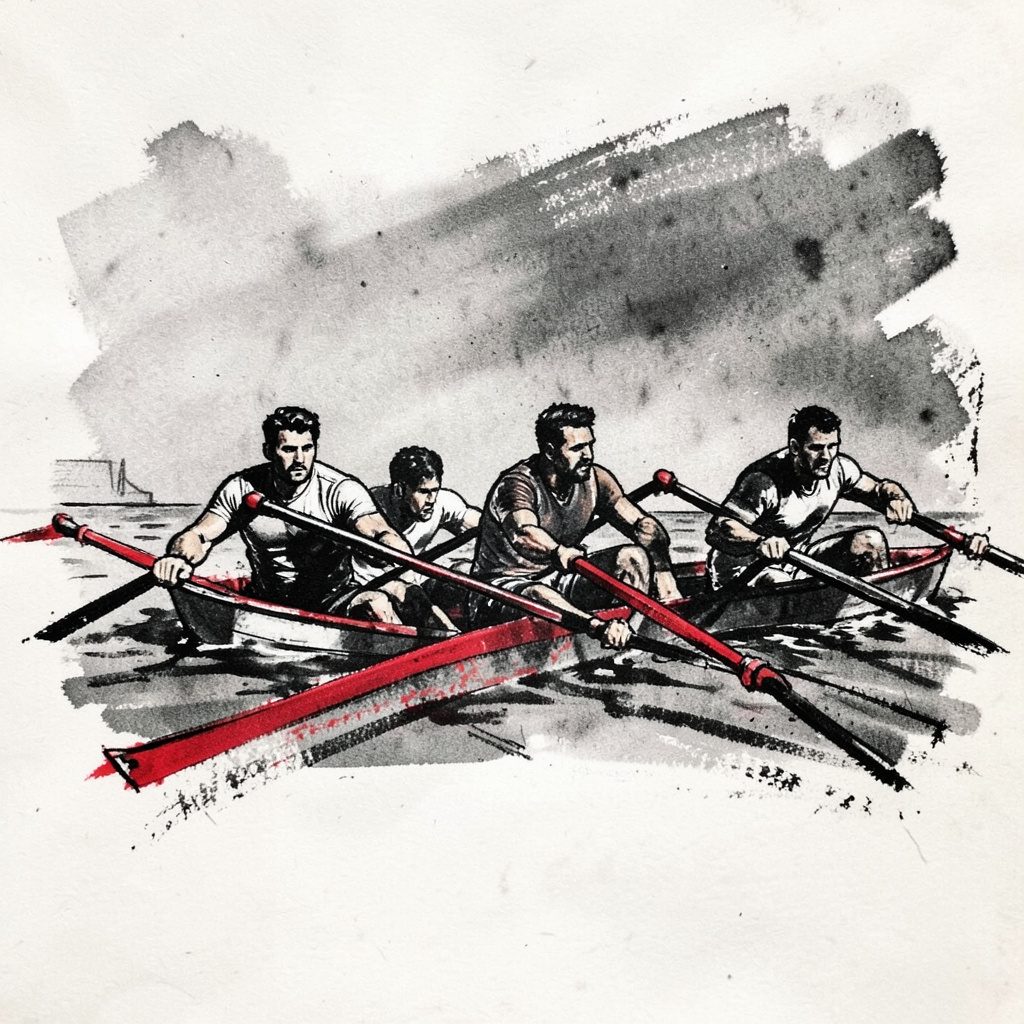
Coverage and results from the team's trip to Clemson Sprints on Lake Hartwell.
Read More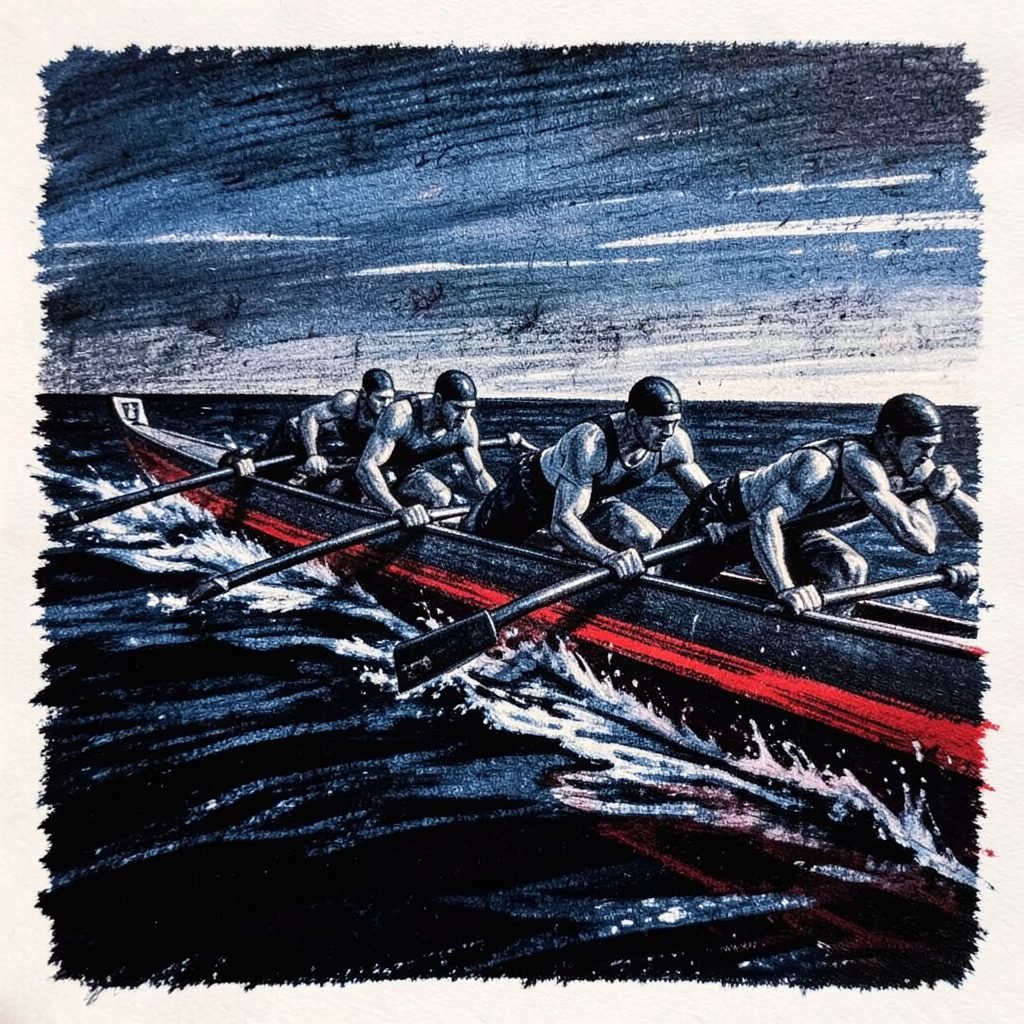
Spring lineup including Clemson Sprints, SIRA, Dad Vail, and ACRA National Championship.
Read More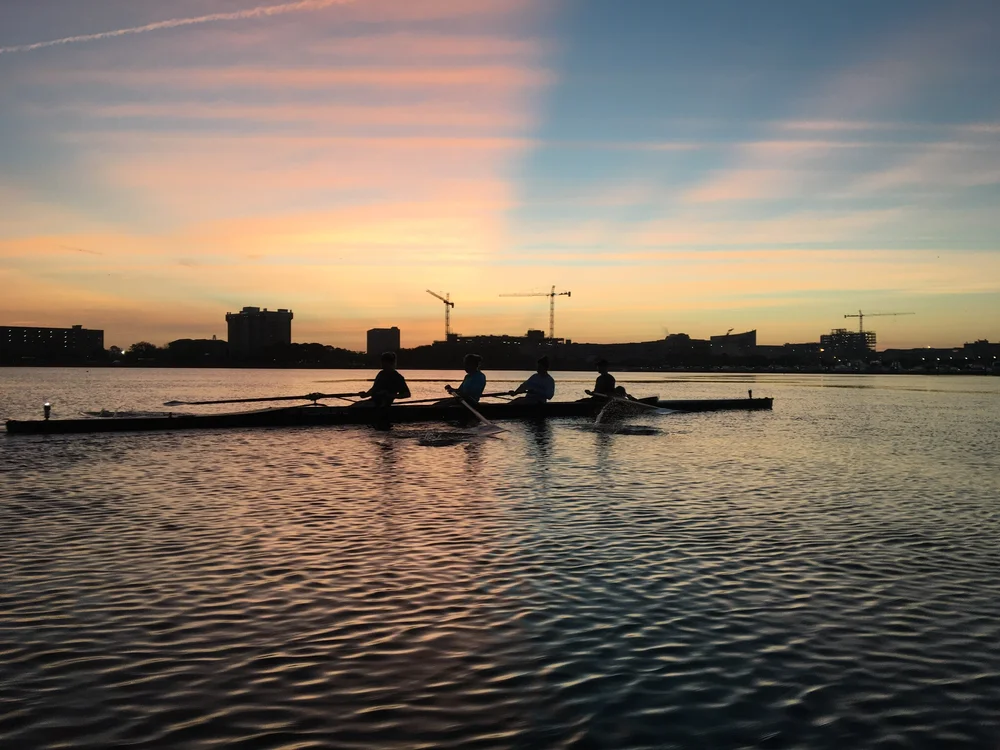
Previews and recap of past Head of the Charles appearances, including the 50th annual regatta in 2014.
Read MoreTeam practice, regatta dates, and meetings are listed on the team calendar. Coaches post weekly schedules and travel details for upcoming race weekends.
Charleston Crew / CCAA
PO Box 12941
Charleston, SC 29422
Email: info@cofccrew.org
Phone: 843.513.5900
Phone: 843.276.4241
Interested in joining the team? Fill out the recruitment form and the coaches will follow up.