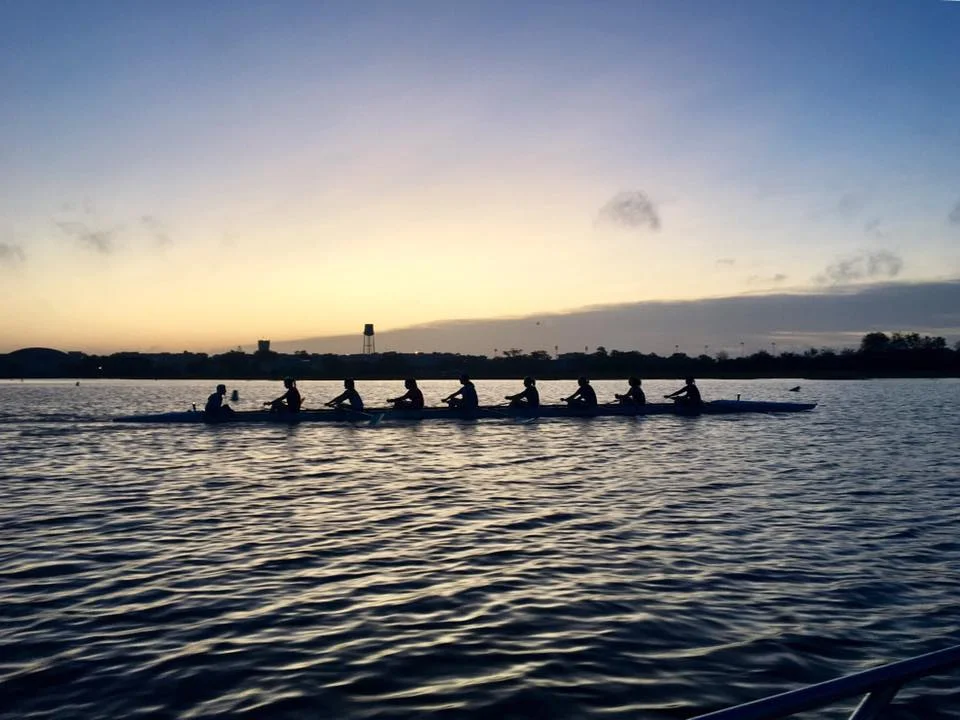
Clemson Sprints Weekend
Coverage and results from the team's trip to Clemson Sprints on Lake Hartwell.
Read More
A non-profit rowing team at the College of Charleston in Charleston, South Carolina.
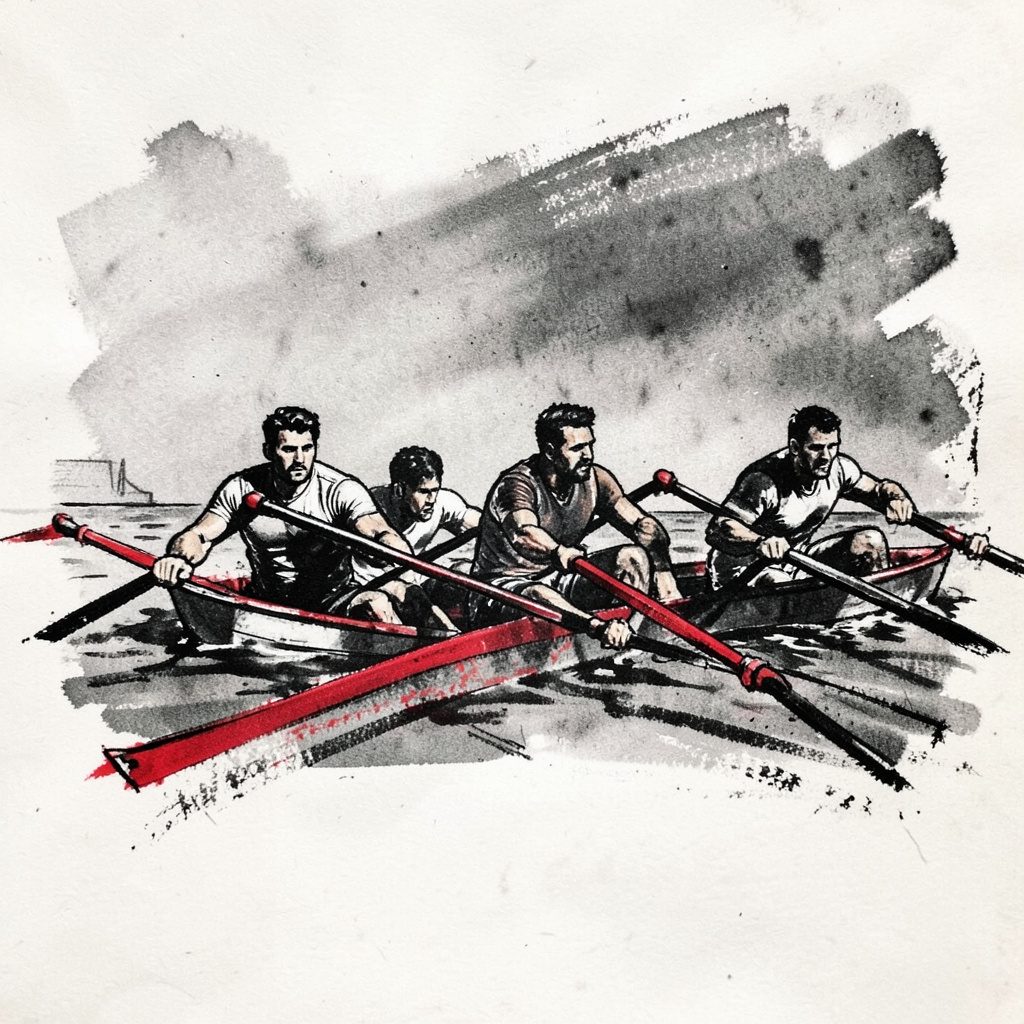
A four-person boat magnifies every decision. Four athletes must share a rhythm, respond to small changes in pressure and stay composed when the water becomes messy. The strongest crews develop chemistry through deliberate habits, clear communication and a common idea of what a good row feels like.
This applies whether the crew is a coxed four, a coxless four or a quad. A university club in Charleston may race across the Southeast and along the U.S. East Coast, while an Australian crew might prepare for headwinds on the Yarra, a regatta at the Sydney International Regatta Centre or a long training session before an early-morning Saturday race.
Chemistry begins before the shell leaves the pontoon. The crew should agree on a few simple standards: arrive prepared, listen during technical work, keep effort consistent and address problems early. These expectations remove guesswork and help four different personalities pull towards the same outcome.
A useful crew identity is specific rather than dramatic. “Long, controlled and connected” gives rowers something they can feel during a session. Australian crews might describe a good outing as “smooth as” or “no worries”, yet relaxed language should still lead to precise behaviour: matching the catch, holding posture and finishing together.
In a small boat, too much talking can disturb concentration. Short calls are more effective than emotional speeches. Words such as “length”, “together”, “steady” and “hold” should have agreed meanings, allowing the crew to correct timing without blame. The coxswain, if present, can reinforce the plan, while the rowers provide useful technical feedback between pieces.
The best communication is calm under pressure. If one athlete misses a catch, a teammate can describe the adjustment rather than criticise the person. After a hard piece, spend two minutes identifying one thing that held together and one detail to improve. This creates psychological safety while keeping standards high.
Boat chemistry does not require four identical temperaments. A naturally vocal athlete may help set intensity, while a quieter rower may notice timing changes others miss. Seat-specific responsibility gives each person a meaningful contribution beyond simply pulling hard. The stern pair can protect rhythm, the middle pair can maintain power and the bow can monitor balance and flow.
Leadership should be shared without becoming vague. A boat captain can coordinate attendance, mediate small tensions and model reliable preparation; these responsibilities are explained further in captaincy responsibilities. Rotating technical leadership during drills can also build confidence, especially for beginners who may eventually race beside experienced athletes.
Trust develops when teammates repeatedly do what they said they would do. Arriving on time, checking rigging, carrying the shell carefully and completing recovery work may seem ordinary, yet these actions tell the crew that everyone can be relied upon. A short pre-row routine—weather check, equipment check and shared focus cue—can settle the group before pressure rises.
Use drills that expose timing without turning errors into personal failures. Pause rowing, square-blade exercises and low-rate technical pieces make mismatches easier to identify. On the Yarra or at a busy coastal venue, crews may face wakes, current and changing wind, so learning to stay composed together matters as much as fitness. A quick “arvo” debrief after training can preserve useful observations while they are fresh.
Race preparation should include practical care for the people around the boat. Check hydration, layers, nutrition, transport and equipment before discussing split targets. A crew that feels looked after is more likely to communicate honestly when someone is anxious, sore or unsure. The same principle applies to club fundraising: recognise the people who make travel and competition possible with a sincere thank-you message.
A four-person boat can use a simple race plan with three stages: settle into length, build pressure through the middle and commit together in the final drive. Each athlete should know the calls, the expected response and the cue that brings the crew back to rhythm. The comparison below shows how each seat can contribute to a balanced crew culture.
| Seat or role | Main chemistry contribution | Useful focus |
|---|---|---|
| Bow | Protects balance and boat feel | Quiet observation and clean finishes |
| Two seat | Connects bow timing to the middle | Consistent catches and relaxed recovery |
| Three seat | Helps transmit power through the hull | Pressure, posture and rhythm |
| Stroke | Sets the movement pattern | Clear rhythm and calm under pressure |
| Coxswain, when used | Coordinates calls and race strategy | Concise communication and awareness |
College of Charleston Crew fields competitive eights and fours in both Fall head races and Spring sprint regattas across the Southeast.
Learn MoreRecent news, recaps, and announcements from the team.
Coverage and results from the team's trip to Clemson Sprints on Lake Hartwell.
Read More
Spring lineup including Clemson Sprints, SIRA, Dad Vail, and ACRA National Championship.
Read More
Previews and recap of past Head of the Charles appearances, including the 50th annual regatta in 2014.
Read MoreTeam practice, regatta dates, and meetings are listed on the team calendar. Coaches post weekly schedules and travel details for upcoming race weekends.
Charleston Crew / CCAA
PO Box 12941
Charleston, SC 29422
Email: info@cofccrew.org
Phone: 843.513.5900
Phone: 843.276.4241
Interested in joining the team? Fill out the recruitment form and the coaches will follow up.