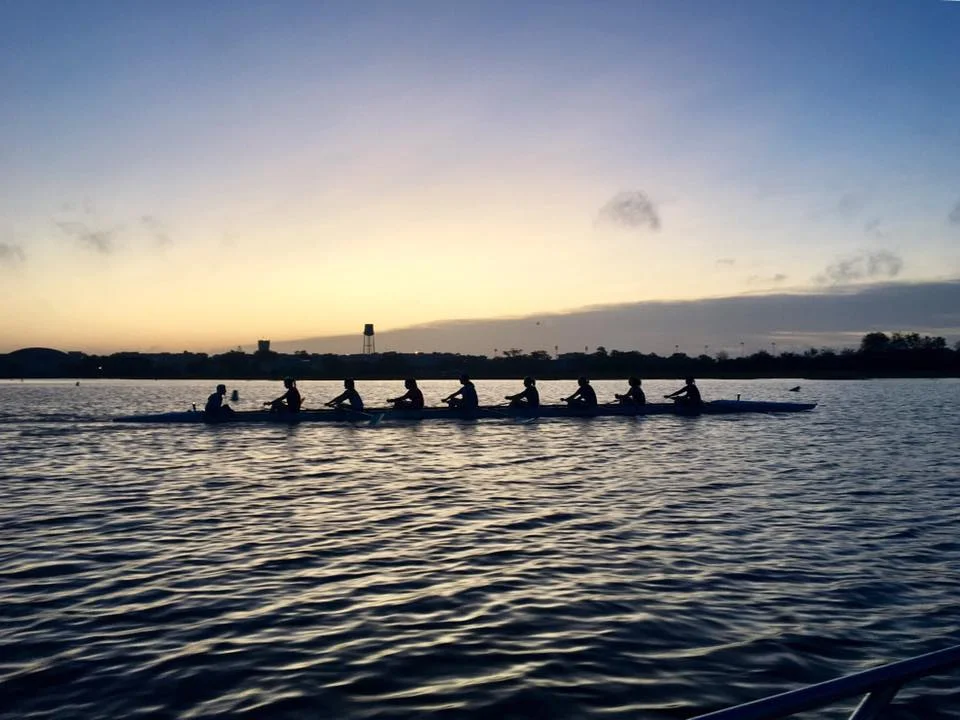
Clemson Sprints Weekend
Coverage and results from the team's trip to Clemson Sprints on Lake Hartwell.
Read More
A non-profit rowing team at the College of Charleston in Charleston, South Carolina.
College of Charleston rowers juggle demanding training schedules with lectures, assignments, campus jobs, team meetings and the limited energy needed to recover between sessions. Time management works best when it treats rowing, study and personal life as connected parts of the same week rather than separate demands competing for attention.
A practical routine can travel from Charleston to an Australian campus. The same principles suit a rower moving between the College of Charleston and a university in Melbourne or Sydney, or an athlete applying them to a local club while planning a future move to the United States.
Begin by listing the anchors that cannot move: classes, on-water sessions, strength training, team obligations and sleep. Repeat them across the semester, then add deadlines, travel and recovery appointments as dated commitments. This turns an enormous list into a weekly view that reveals where clashes are actually occurring.
Give high-value tasks short, protected blocks instead of relying on long sessions that are easily displaced. Reserve a small buffer before and after practice for changing kit, checking messages and unexpected delays. A brief Sunday review is enough to confirm the week’s priorities, arrange equipment and warn teammates about known absences.
Class periods are fixed anchors, so place demanding reading and problem-solving tasks in the clearest daytime gaps. Use focused blocks of roughly forty-five to sixty minutes, followed by a short break, and keep the phone out of reach. Professor deadlines belong in the calendar early, with a personal finishing date several days before submission.
When the team schedule changes, reverse-plan the rest of the week rather than compressing every obligation into what remains. Compare erg, water and weight-training loads before adding extra gym time. If coursework rises, adjust the training detail with a coach instead of hiding missed sessions and hoping to catch up later.
Sleep is a non-negotiable part of the plan. Most collegiate athletes need eight or more hours, with consistent sleep and wake times across weekdays and weekends. Australian athletes accustomed to Melbourne’s tram network or Sydney’s trains know that a commute can consume time; build that travel into the day rather than treating it as a free interval.
Meal preparation protects training energy. A simple shopping pattern at Woolworths or Coles—oats, fruit, eggs, rice, vegetables and a protein source—can produce breakfasts and lunches that require little time. Batch-cook on a lighter evening, carry a snack to class and avoid making a drive-through coffee purchase the only food before an afternoon session.
A spring regatta recap shows how a normal training week can expand into travel, racing, extended social time and recovery. Once entries are confirmed, create one master itinerary with departure, call times, equipment, meals and return travel. Pack according to the actual forecast, because Charleston heat and an unfamiliar venue can change the recovery plan.
Budget competition weekends separately from ordinary living costs. In the Australian market, compare the AUD exchange rate with the US dollar, remember local retail prices generally include GST, and allow for transport or race-entry charges. That awareness prevents a surprise fee from forcing an athlete to skip food, equipment or a return journey.
Australian students who take casual work should keep paid shifts from displacing essential training or study. The Fair Work Act 2009 and the National Employment Standards set baseline employment conditions, including agreed hours and rest provisions. Keep a copy of each roster, request changes in good time and record actual hours so an employer’s urgent message cannot quietly consume every free period.
At CofC, confirm training and competition commitments with the coaching staff and keep NCAA eligibility questions with the compliance office. Australian students in the United States should also review visa conditions through international student services, especially when employment, prize money or a change in enrolment could affect status.
Rowing gear, race fees, travel and fundraising all draw on a limited pool. Decide which costs can wait and keep a small emergency reserve rather than planning every dollar to the last cent. Volunteering also needs a boundary: the crew’s local charity support is valuable, yet it should fit around coursework and agreed training hours.
Use a monthly review to compare income, fixed commitments and discretionary spending, then set a cap for unofficial team events. When funds are tight, speak early with coaches and club officers about travel support or fundraising options. A transparent budget reduces last-minute stress and keeps personal obligations from competing with rowing.
Track a few signals rather than grading every hour: sleep, class attendance, training quality, assignment completion and stress. If two classes suffer after a heavy week, protect study blocks first and ask a coach whether the training load can be adjusted. If exhaustion persists, seek support from a physician, counsellor or campus wellbeing service.
Run the schedule for four weeks, then revise it around what actually happened. Keep the successful routines, remove low-value tasks and leave room for illness, family obligations and unexpected opportunities. A strong student-athlete timetable is not the one with no gaps; it is the one that makes dependable choices possible when College of Charleston rowing, study and personal life all demand attention.
College of Charleston Crew fields competitive eights and fours in both Fall head races and Spring sprint regattas across the Southeast.
Learn MoreRecent news, recaps, and announcements from the team.
Coverage and results from the team's trip to Clemson Sprints on Lake Hartwell.
Read More
Spring lineup including Clemson Sprints, SIRA, Dad Vail, and ACRA National Championship.
Read More
Previews and recap of past Head of the Charles appearances, including the 50th annual regatta in 2014.
Read MoreTeam practice, regatta dates, and meetings are listed on the team calendar. Coaches post weekly schedules and travel details for upcoming race weekends.
Charleston Crew / CCAA
PO Box 12941
Charleston, SC 29422
Email: info@cofccrew.org
Phone: 843.513.5900
Phone: 843.276.4241
Interested in joining the team? Fill out the recruitment form and the coaches will follow up.