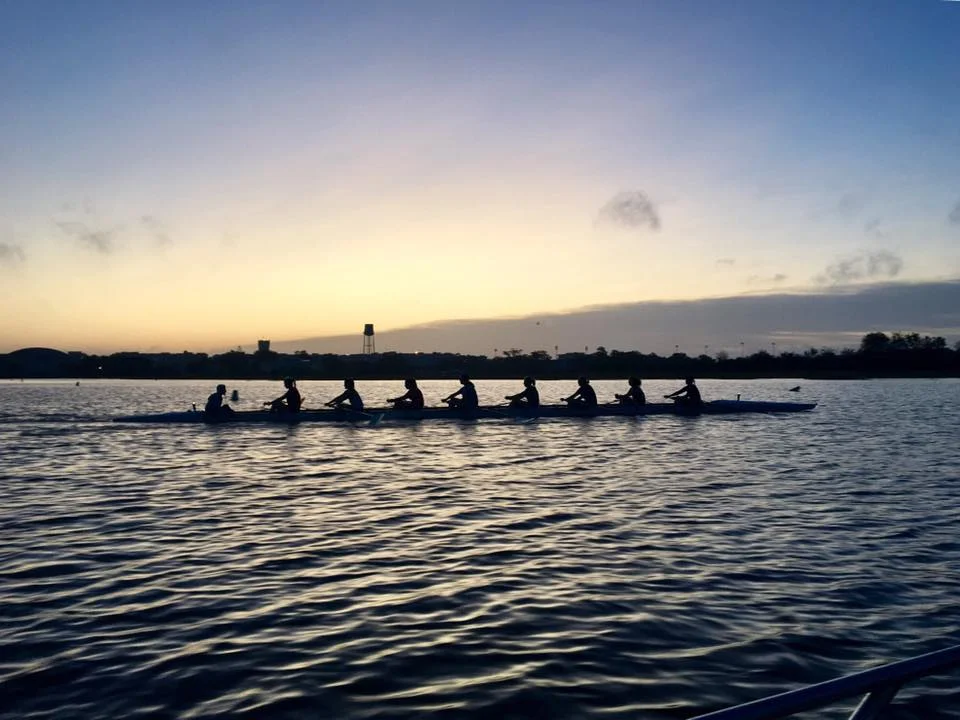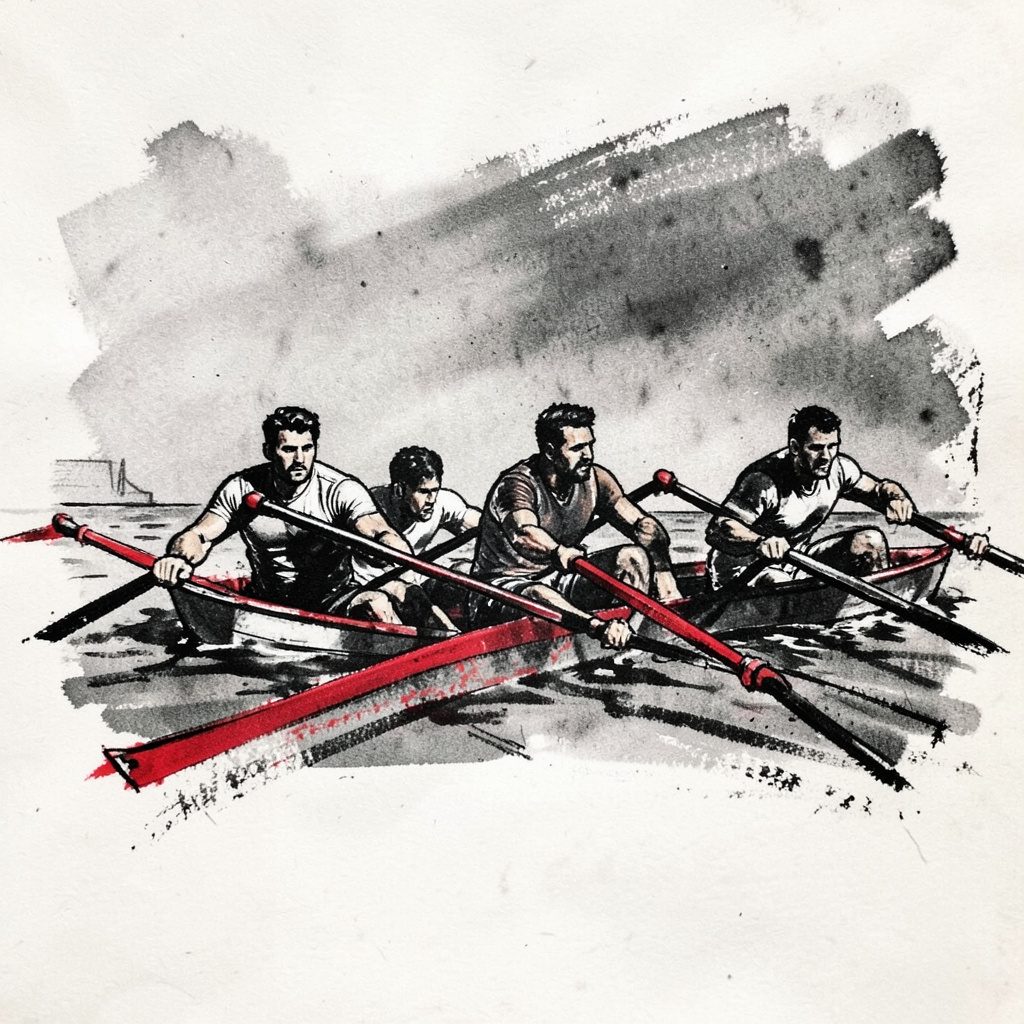
Clemson Sprints Weekend
Coverage and results from the team's trip to Clemson Sprints on Lake Hartwell.
Read More
A non-profit rowing team at the College of Charleston in Charleston, South Carolina.
Crowdfunding can help a rowing team pay for race entries, boat maintenance, travel, equipment and coaching without relying on a single sponsor. A well-organised campaign gives supporters a clear reason to contribute and lets them see how their money strengthens student sport.
For a collegiate crew program such as the College of Charleston Crew Team, the strongest appeal will combine athletic ambition with a human story. Supporters may donate because they love rowing, remember university sport, or want to help students access opportunities that would otherwise be out of reach.
Australian supporters are familiar with digital payments, QR codes and community fundraising. Whether your audience is in Melbourne, Sydney, Brisbane or regional New South Wales, a campaign can reach former students, family networks, local businesses and rowing communities across the country.
Begin with one specific financial goal rather than asking for general support. Explain that a set amount in Australian dollars could cover boat transport to a regatta, replacement oars, safety equipment or accommodation for a race weekend. A target of $8,000 for travel feels more tangible than a vague request to “support the team”.
Break the total into useful milestones. For example, $25 might help with fuel, $75 could contribute to race fees, and $250 might support equipment repairs. This gives people with different budgets a meaningful way to participate while making progress easy to display on the campaign page.
Use a platform that accepts Australian payments and clearly displays processing charges. PayPal, card payments and familiar options such as PayID can reduce hesitation. Before launch, check how the platform handles refunds, currency conversion and receipts so your public target reflects the amount the team actually needs.
A fundraising page should show who the rowers are, what they are working towards and why the expense matters now. Include a short video from training, a team photograph and a practical explanation of the season ahead. A supporter should understand the campaign within a few seconds on a mobile phone.
Stories become stronger when they include evidence of preparation. Link to useful training material such as these stroke drills to demonstrate that the team takes development seriously. Mention beginners as well as experienced athletes, since an inclusive club gives donors a broader reason to care.
Avoid promising guaranteed results. Rowing involves weather, injuries, crew changes and close racing. Explain that donations fund preparation and participation rather than a certain medal. Honest language builds credibility and aligns with Australian Consumer Law, especially when a campaign offers rewards or makes specific claims.
Small rewards can make a campaign memorable without consuming the funds you are trying to raise. Digital acknowledgements, team updates and signed photographs are inexpensive, while a training visit or online technique session can provide genuine value. Keep every reward realistic to deliver after the regatta season.
Useful reward ideas include:
Consider Australian delivery costs before offering physical merchandise. Postage between Perth and Sydney can quickly reduce the value of a low-priced reward, and international fulfilment may be even more expensive. Set a limited number of premium rewards, state delivery timeframes clearly and avoid collecting personal information that is unnecessary for fulfilment.
If the team is not a registered charity, do not describe donations as tax-deductible. Australian tax treatment depends on the organisation and the type of contribution. A club should also check whether its state or territory requires a fundraising permit, particularly when the campaign includes raffles, public collections or commercial promotions.
Launch with a small group of committed supporters ready to donate and share on the first day. Early activity makes the campaign appear credible and gives later visitors confidence that their contribution will make a difference. Former rowers, parents, university societies and local businesses can form the first circle.
Use several channels, but adapt the message to each one. Instagram can carry short training clips, Facebook can reach family and alumni groups, and LinkedIn may suit professional contacts or local sponsors. Place a QR code on posters at rowing clubs, cafés and weekend community events, then direct it to a mobile-friendly donation page.
Create a simple publishing rhythm rather than posting repeatedly without new information. Share a training milestone, introduce a crew member, explain a cost and report progress. When contacting businesses, offer practical visibility such as a logo on team communications, while making clear that sponsorship terms will be agreed in writing.
Regular updates reassure supporters that the campaign is active and responsibly managed. Post the amount raised, the next milestone and a short explanation of how funds will be allocated. If a cost changes, explain why instead of quietly altering the target. Clear records protect the team’s reputation.
A campaign can also teach the wider community about resilience. Sharing lessons from defeat gives donors a more complete view of competition than a highlight reel. Supporters often stay engaged when they see reflection, teamwork and improvement alongside race results.
Thank contributors promptly and provide a final financial summary after the campaign. For questions about participation, donations or team activities, direct interested people through contact the team. A thoughtful follow-up can turn a one-off crowdfunding gift into long-term support for future seasons.
College of Charleston Crew fields competitive eights and fours in both Fall head races and Spring sprint regattas across the Southeast.
Learn MoreRecent news, recaps, and announcements from the team.
Coverage and results from the team's trip to Clemson Sprints on Lake Hartwell.
Read More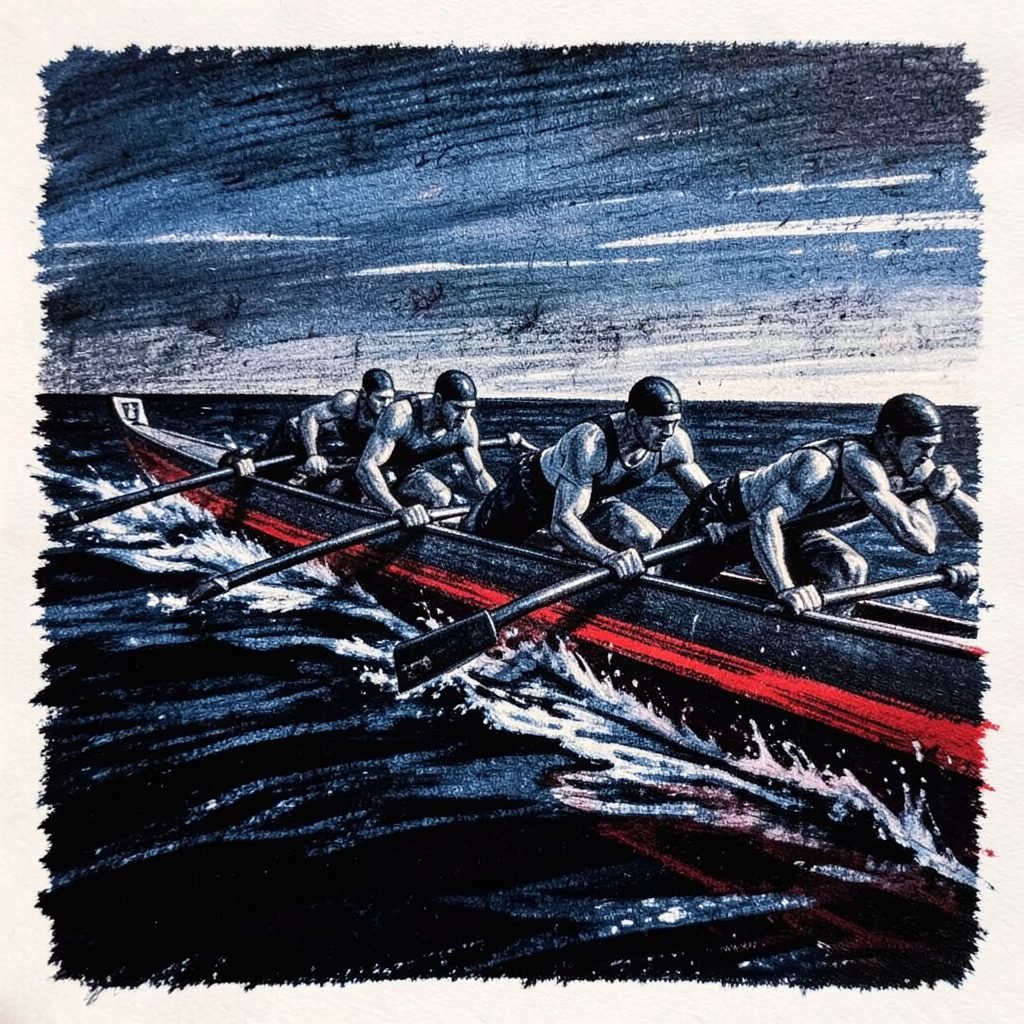
Spring lineup including Clemson Sprints, SIRA, Dad Vail, and ACRA National Championship.
Read More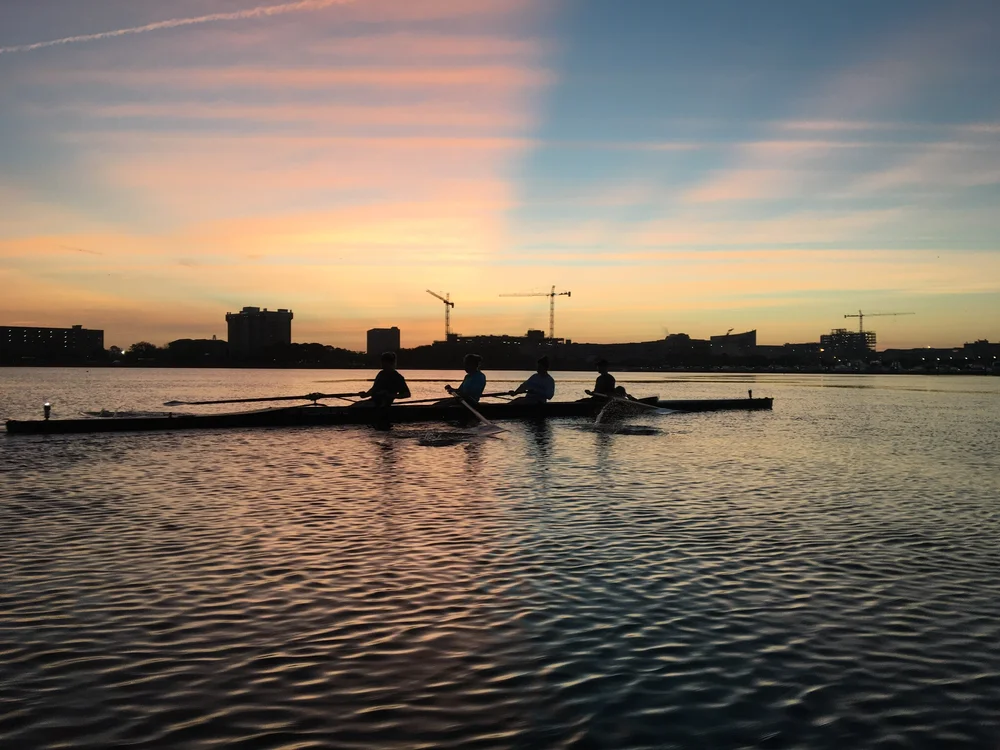
Previews and recap of past Head of the Charles appearances, including the 50th annual regatta in 2014.
Read MoreTeam practice, regatta dates, and meetings are listed on the team calendar. Coaches post weekly schedules and travel details for upcoming race weekends.
Charleston Crew / CCAA
PO Box 12941
Charleston, SC 29422
Email: info@cofccrew.org
Phone: 843.513.5900
Phone: 843.276.4241
Interested in joining the team? Fill out the recruitment form and the coaches will follow up.