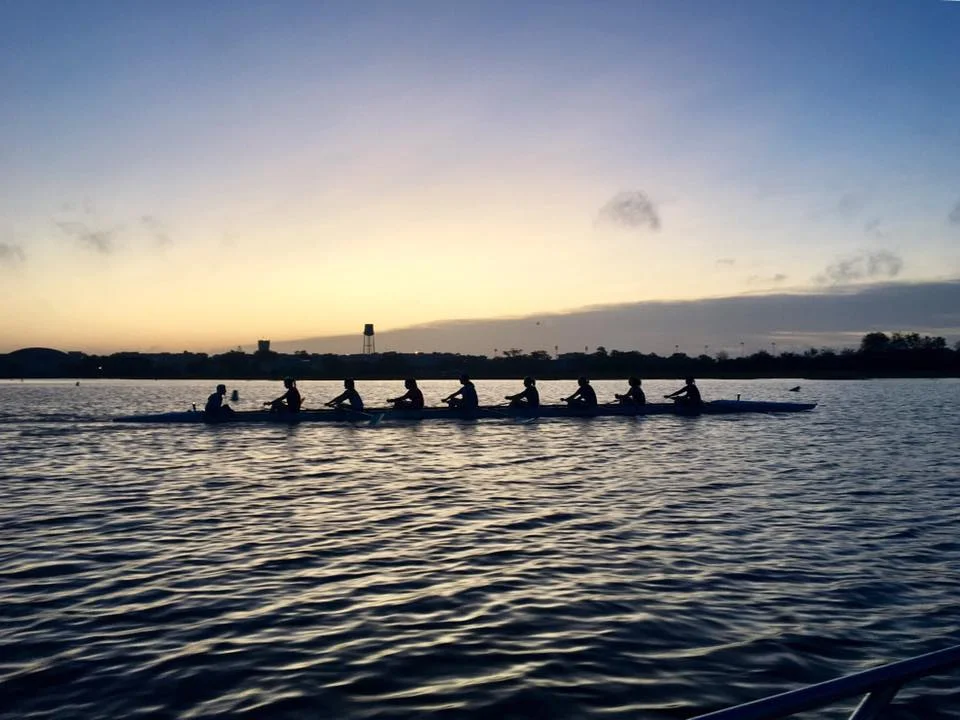
Clemson Sprints Weekend
Coverage and results from the team's trip to Clemson Sprints on Lake Hartwell.
Read More
A non-profit rowing team at the College of Charleston in Charleston, South Carolina.
A photo finish can make a strong race feel strangely unfinished. You may have rowed well for 2,000 metres, held your rhythm under pressure and crossed the line with nothing left, only to lose by a fraction of a second. The narrow margin does not erase the quality of the performance, but it can make the result difficult to accept.
For rowers in Australia, that feeling may follow a long trip to a regatta in Sydney, Melbourne, Brisbane or Perth, with early starts, shared accommodation and considerable travel costs. Recovery requires attention to the body, the evidence and the emotions, so the next race is shaped by learning rather than by one painful image.
Immediately after a close defeat, avoid making permanent judgements. Adrenaline, dehydration and exhaustion can turn a small technical error into a story about personal failure. Take a few minutes to breathe, cool down and drink water before discussing the result in detail.
A familiar Australian routine can help: sit in the shade, reapply sunscreen and have something simple to eat before reaching for the phone. A flat white and a quiet walk may be comforting later, but food, fluids and lowered heart rate come first.
The result is a fact; the interpretation is a choice. A crew that loses by centimetres may have improved its start, maintained a cleaner rhythm and executed its race plan under intense pressure. Review the complete performance rather than allowing the final photograph to dominate every memory.
Write down three things that worked and one moment that needs investigation. This keeps the account balanced. It also gives coaches and teammates something specific to discuss instead of a vague claim that the crew “choked”.
A finish-line image can reveal useful details, including boat alignment, blade placement, body position and whether the crew shortened the final strokes. Ask a coach or race official to interpret the image where possible. Spectators may see a dramatic lunge while missing a gradual loss of speed over the preceding 500 metres.
Avoid repeatedly refreshing social media or reading comments from strangers. If a photo includes identifiable athletes, remember that Australian privacy expectations and the Privacy Act 1988 make consent and responsible sharing important considerations. Analysis should support recovery, not turn a difficult moment into public entertainment.
A narrow loss becomes more useful when it produces a measurable adjustment. The issue might be a rushed start, a slight drop in rate during the middle section, weak steering, or an inconsistent final sprint. Choose one or two variables rather than redesigning the entire programme overnight.
A demanding conditioning benchmark can expose whether the crew has enough reserve for the closing strokes. The swim test guide shows how a broader fitness standard can support rowing readiness, especially when athletes need confidence in their ability to respond late in a race.
Confidence returns through evidence. Set short training targets such as holding a technical rhythm for a defined number of strokes, completing a controlled start sequence or finishing a piece without losing connection. Each completed target gives the mind a more accurate reference point than the photo finish.
Crews can also rehearse the final 250 metres under pressure. Rotate calls, practise clear communication and use video sparingly. The aim is to make the closing phase familiar, not to recreate the emotional intensity of the defeat every session.
A photo finish affects an entire boat, so recovery should be shared. Speak honestly about disappointment without assigning blame. One rower may be focused on the result, while another is worried about technique or selection; both responses deserve room.
Coaches can help translate emotion into priorities, and the CofC coaching staff provides an example of the expertise athletes can draw on within a structured collegiate programme. A calm review with experienced guidance is often more valuable than an isolated post-race verdict.
The next race should not depend on feeling completely healed. A repeatable routine gives rowers something practical to do when nerves return. Keep it brief enough for a crowded marshalling area, a wet jetty or a regatta morning after limited sleep.
Useful elements include:
Whether the next event is near Charleston or part of a long Australian racing calendar, the goal is the same: arrive prepared to row the next stroke well. A crushing defeat can remain painful while still becoming precise, manageable information for the crew’s next performance.
College of Charleston Crew fields competitive eights and fours in both Fall head races and Spring sprint regattas across the Southeast.
Learn MoreRecent news, recaps, and announcements from the team.
Coverage and results from the team's trip to Clemson Sprints on Lake Hartwell.
Read More
Spring lineup including Clemson Sprints, SIRA, Dad Vail, and ACRA National Championship.
Read More
Previews and recap of past Head of the Charles appearances, including the 50th annual regatta in 2014.
Read MoreTeam practice, regatta dates, and meetings are listed on the team calendar. Coaches post weekly schedules and travel details for upcoming race weekends.
Charleston Crew / CCAA
PO Box 12941
Charleston, SC 29422
Email: info@cofccrew.org
Phone: 843.513.5900
Phone: 843.276.4241
Interested in joining the team? Fill out the recruitment form and the coaches will follow up.