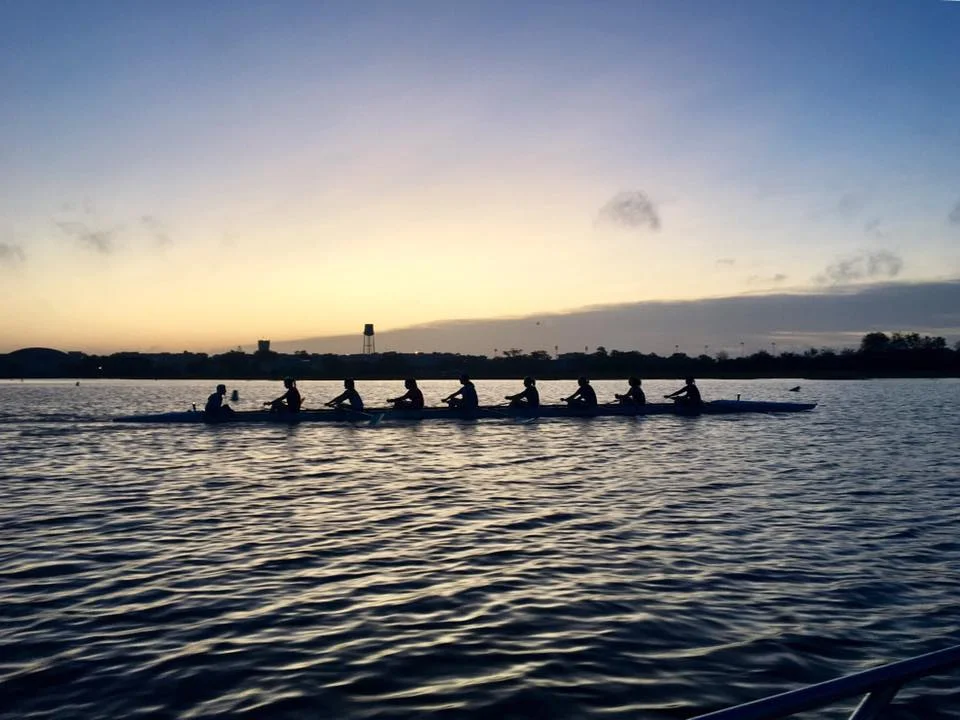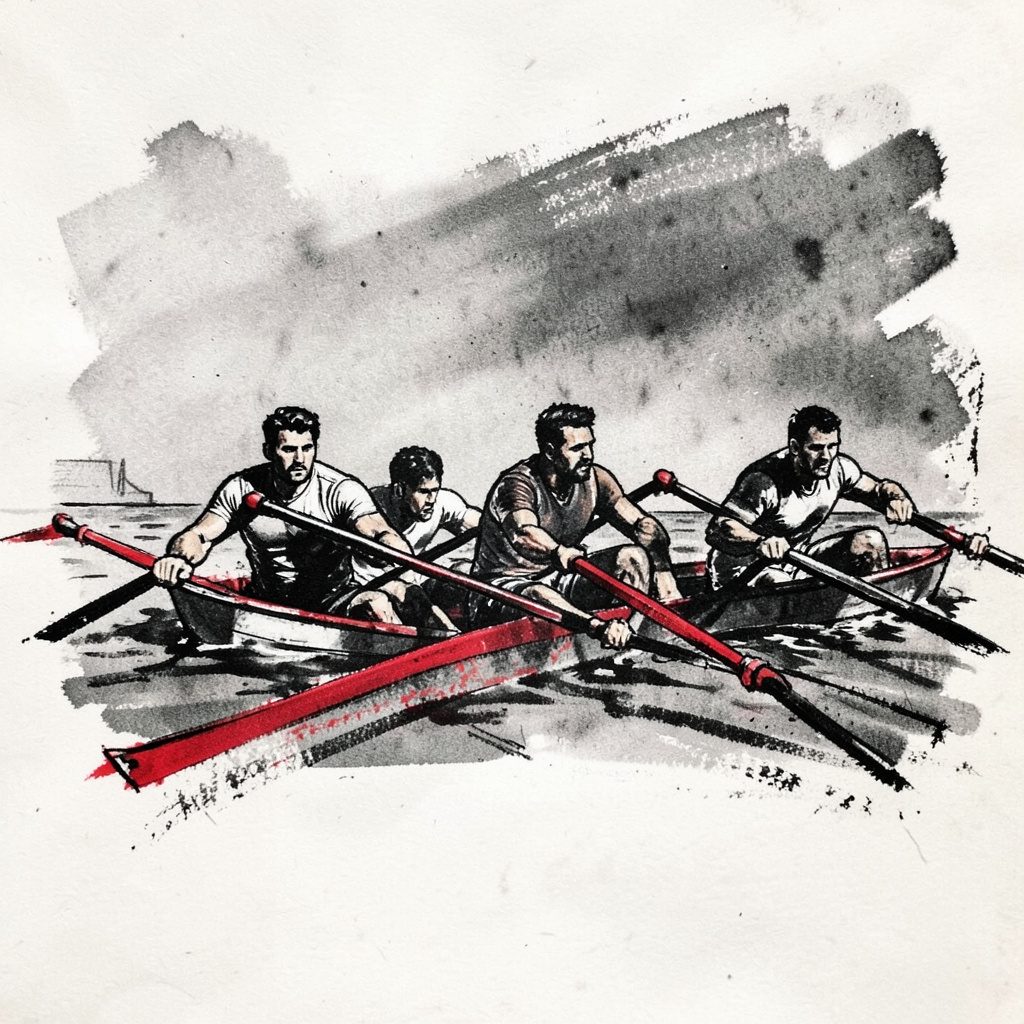
Clemson Sprints Weekend
Coverage and results from the team's trip to Clemson Sprints on Lake Hartwell.
Read More
A non-profit rowing team at the College of Charleston in Charleston, South Carolina.
The CofC Fall Involvement Fair is a valuable chance to introduce students to rowing before their semester fills with classes, work and social commitments. A successful stall should make the College of Charleston Crew Team feel approachable, energetic and easy to join, whether someone has raced before or has never sat in a boat.
For an Australian audience, the closest comparison may be a university clubs day at places such as the University of Melbourne, UNSW or UQ. The setting is similar: students wander between stalls, grab freebies and decide quickly which groups seem welcoming. At CofC, clear messaging, friendly team members and a simple next step can turn a brief conversation into a first training session.
A rowing display should communicate its purpose within a few seconds. Use a tall team banner, bright photos from Charleston waterways and an image that shows several athletes working together. A boat or oar can attract attention, but the visual message should remain uncluttered.
Australian students often respond well to a relaxed, direct style rather than a hard sell. A team member might say, “Ever thought about trying rowing?” or “We take beginners as well as experienced athletes.” That sounds more natural than launching into a long explanation about membership fees, training schedules and regatta travel.
Keep a small sign visible with three practical facts: who can join, when training happens and how to register for a novice session. Students from Australia may be familiar with “come-and-try” days and club sign-ups, so describe the first session in similarly straightforward terms.
The best recruiters do not wait silently behind the table. Position two or three members in front of the stall, where they can greet passing students without blocking foot traffic. Ask about sporting interests, academic subjects or what brought them to the fair, then connect the answer to rowing.
A student who enjoys swimming, surf lifesaving or distance running may appreciate the fitness side of crew. Someone who has played Australian Rules football, netball or hockey may be interested in the shared effort and team rhythm. Others may simply want a structured activity after lectures and a way to meet people outside their course.
Use short stories instead of a list of achievements. Explain how a beginner learned the stroke, made friends on the team or travelled to a regatta. The team’s road trip preparation can also show that rowing includes memorable travel, logistics and camaraderie beyond regular training.
Many potential recruits assume rowing requires strength, experience or expensive equipment. Address those concerns early. Explain that coaches teach the fundamentals, boats and essential gear are provided, and progress comes through regular practice rather than previous competition history.
A simple three-step pathway works well:
Place the QR code on both the table and the handout so students can save it while walking away. A digital form should request only essential details, such as name, email, previous rowing experience and preferred contact method. Too many fields can make a casual enquiry feel like a formal application.
Follow up promptly after the fair. Send a warm message with the first training date, meeting location, what to wear and whom to contact on arrival. For students used to Australian university clubs, terms such as “training session”, “come-and-try” and “club meeting” may be clearer than rowing-specific language.
Prospective members often judge a club by its people. Select recruiters who represent different experience levels, personalities and academic years. A confident senior athlete can explain competition, while a newer member can describe what it felt like to begin without technical knowledge.
Brief everyone before the fair. Agree on a short explanation of the club, accurate training information and answers to common questions about costs, fitness requirements and time commitments. Recruiters should know when to refer detailed questions to a coach rather than guessing.
Offer a small interactive feature, such as a grip demonstration, rowing video or compact ergometer challenge if the venue permits it. Keep the activity quick and inclusive. A timed test may appeal to competitive students, but a technique demonstration is less intimidating for beginners.
Recruitment does not finish when the fair closes. Add interested students to a dedicated email list or approved team communication channel, then share useful reminders rather than sending repeated generic promotions. Include practice updates, beginner explanations, team photographs and upcoming social events.
The official CofC Crew website can serve as the central reference point for coaches, officers, competition details, fundraising and contact information. Direct students there after the fair so they can explore the programme at their own pace.
A short comparison can help recruiters explain where different newcomers may fit:
| Student Type | Best Message | Useful Follow-Up |
|---|---|---|
| Complete beginner | No rowing experience is required | Invite them to a novice practice |
| Experienced rower | Build on existing technique and race experience | Connect them with a coach |
| Fitness-focused student | Training develops endurance, strength and coordination | Share a sample practice |
| Socially motivated student | Meet teammates and travel to competitions | Invite them to a team event |
For Australian students, mention practical details that feel familiar: training around a busy uni timetable, meeting people from different courses, and finding a club community similar to a local surf, footy or rowing association. That blend of clear information and genuine enthusiasm gives new members a reason to move from curiosity at the fair to their first session on the water.
College of Charleston Crew fields competitive eights and fours in both Fall head races and Spring sprint regattas across the Southeast.
Learn MoreRecent news, recaps, and announcements from the team.
Coverage and results from the team's trip to Clemson Sprints on Lake Hartwell.
Read More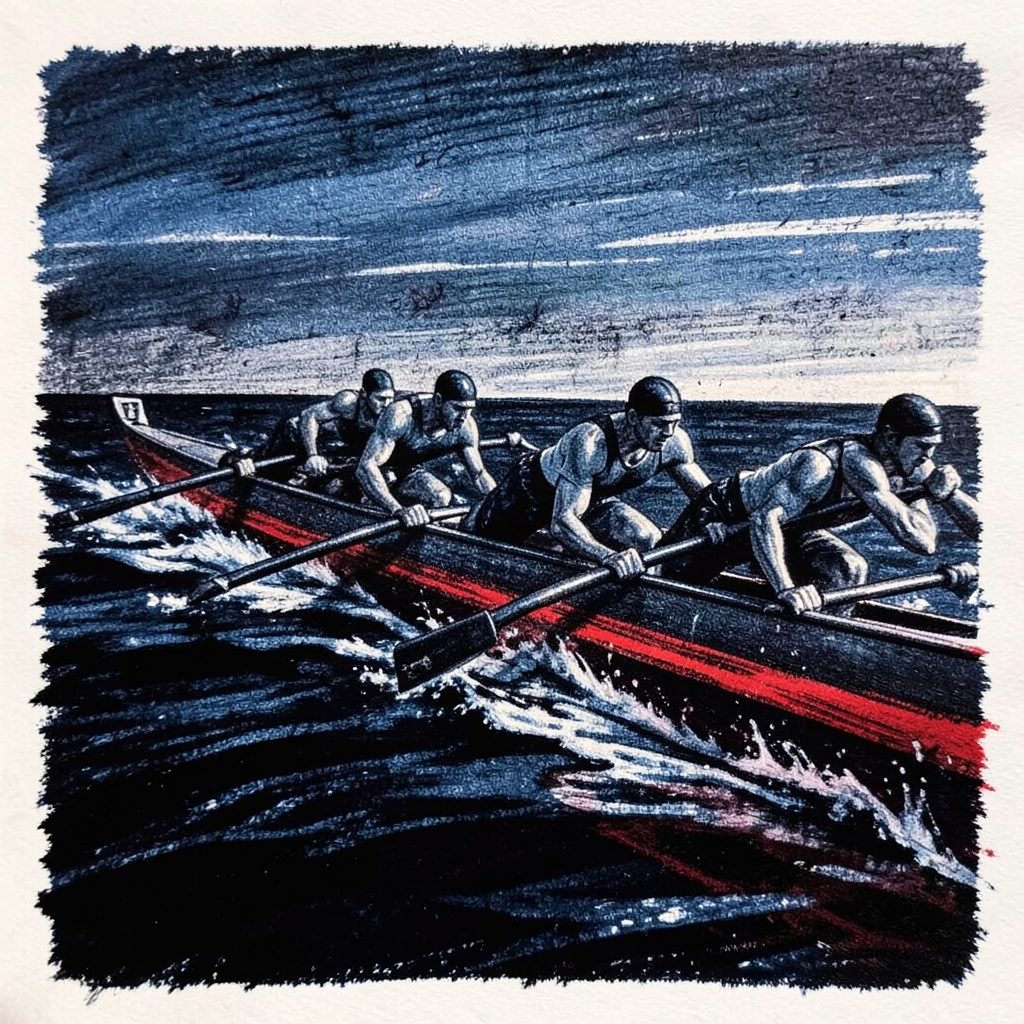
Spring lineup including Clemson Sprints, SIRA, Dad Vail, and ACRA National Championship.
Read More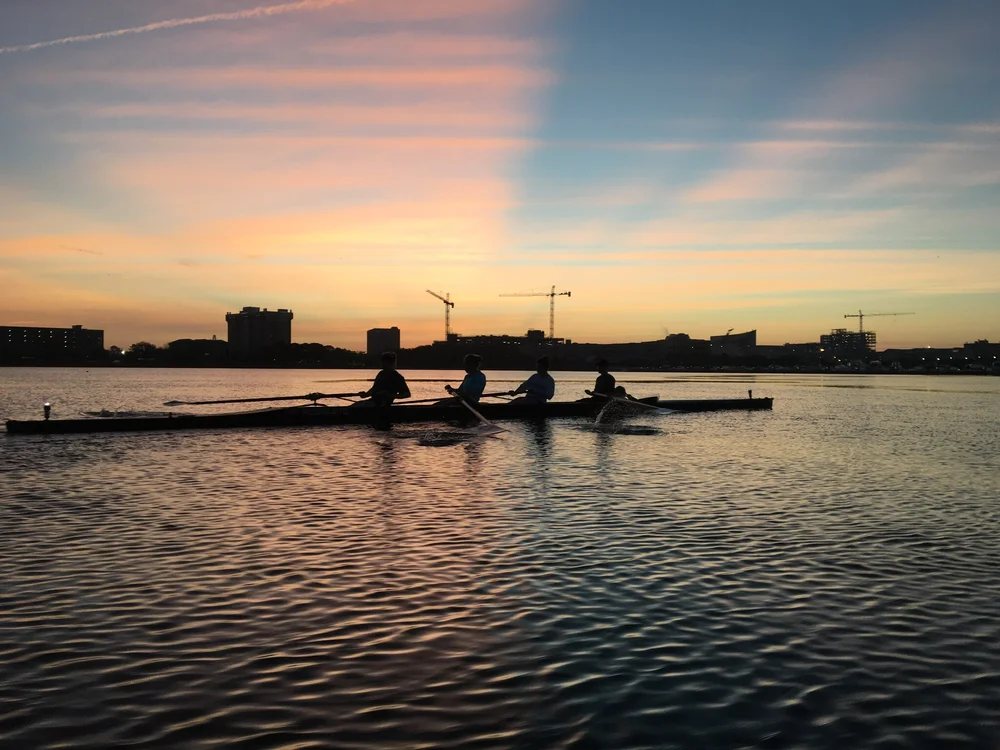
Previews and recap of past Head of the Charles appearances, including the 50th annual regatta in 2014.
Read MoreTeam practice, regatta dates, and meetings are listed on the team calendar. Coaches post weekly schedules and travel details for upcoming race weekends.
Charleston Crew / CCAA
PO Box 12941
Charleston, SC 29422
Email: info@cofccrew.org
Phone: 843.513.5900
Phone: 843.276.4241
Interested in joining the team? Fill out the recruitment form and the coaches will follow up.