Clemson Sprints Weekend
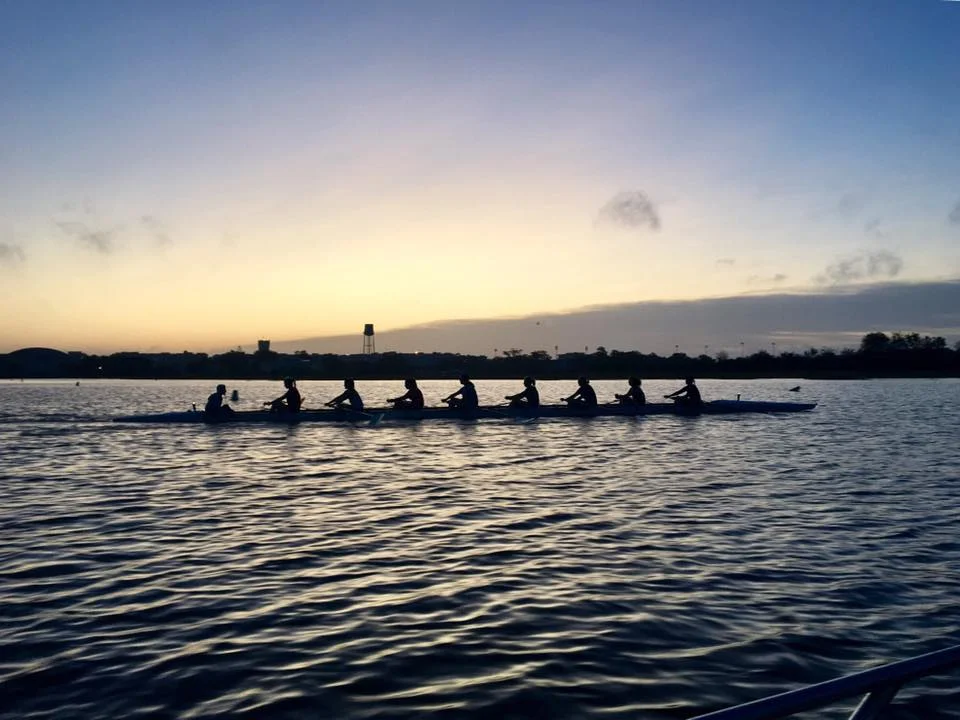
Coverage and results from the team's trip to Clemson Sprints on Lake Hartwell.
Read More
A non-profit rowing team at the College of Charleston in Charleston, South Carolina.
A road trip to a regatta starts well before the boats reach the water. At the College of Charleston, trailer preparation is a shared job that combines equipment knowledge, careful planning and the calm teamwork needed for a long day on the road. Every shell, oar and spare part must arrive safely and in usable condition.
For Australian readers, the process feels familiar even when the destinations differ. Whether a crew is travelling from Sydney to Newcastle, Melbourne to Ballarat or Brisbane to the Gold Coast, the same principles apply: inspect the vehicle, secure the load, allow extra time and keep fatigue out of the driver’s seat.
We begin by confirming the regatta location, launch time, check-in requirements and route. A trailer trip can take longer than expected because of roadworks, urban traffic or a slow-moving convoy, so the departure time includes room for fuel stops and unexpected delays.
The route is checked for low bridges, narrow access roads and suitable places to pull over. In Australia, that might mean planning around a busy Sydney motorway, a long regional stretch in Queensland or an early-morning servo stop outside Adelaide. We also confirm where the tow vehicle can park and whether the venue has a practical unloading area.
The tow vehicle receives a full inspection before the trailer is connected. We check tyre pressure, tread, wheel nuts, lights, mirrors, oil, coolant and fuel. The tow bar, safety chains and electrical plug must be in good condition, with no loose wiring or visible damage.
The driver also confirms the permitted towing capacity and the combined weight of the loaded vehicle and trailer. Australian road rules and trailer requirements vary by state and territory, so registration, brakes, lighting and load limits need to be current. A quick check of the relevant transport authority guidance is more reliable than relying on something a teammate remembers from last season.
The rowing shells are loaded according to size, weight and unloading order. The largest boats are positioned to keep the trailer balanced, while padded supports protect the hulls from pressure points. Straps are tightened firmly without crushing delicate surfaces, and every buckle is checked for movement.
Oars, riggers, slings, toolboxes and coxing equipment are packed into labelled containers. We keep frequently needed items accessible rather than burying them beneath heavy bags. New athletes learn why this matters through practical experience, much like the guidance in this beginner rowing guide, where good habits on land support confidence on the water.
Once everything is on the trailer, two people walk around it together. They check that each boat is supported, every strap is flat, and no loose cord, cover or piece of tape can catch the wind. Covers are secured carefully because highway speeds can turn a small flap into serious damage.
Weight distribution is reviewed from both sides and from the rear. The trailer should sit level behind the vehicle, with no unusual lean or sagging suspension. We photograph the completed load when useful, creating a simple reference for the return journey and helping the crew notice if anything has shifted.
A practical road kit includes spare straps, tie-down protectors, electrical tape, zip ties, basic hand tools, a tyre inflator, a jack suited to the trailer and replacement light globes where appropriate. We also carry first-aid supplies, drinking water, high-visibility clothing and printed contact details in case phone coverage is unreliable.
Food and hydration are planned rather than left to chance. A cooler with fruit, sandwiches and electrolyte drinks works better than depending on the next town’s takeaway shop. Drivers rotate when possible, take proper breaks and avoid pushing through the arvo when tired. “No worries” is a good attitude, but it is not a substitute for a safe rest stop.
The last inspection happens after the trailer is attached and again just before leaving campus. We test the indicators, brake lights and running lights, confirm the safety chains are crossed correctly, and check that the jockey wheel is raised and locked. The coupling is secured, and the trailer handbrake is released.
Responsibility is shared across the crew, with officers and experienced members assigning tasks clearly. The student officers help keep communication organised, especially when several boats and vehicles are travelling together. After the first short section of road, we stop in a safe place to inspect the straps, wheels and load once more.
A consistent checklist keeps preparation efficient and prevents small oversights from becoming expensive problems.
College of Charleston Crew fields competitive eights and fours in both Fall head races and Spring sprint regattas across the Southeast.
Learn MoreRecent news, recaps, and announcements from the team.
Coverage and results from the team's trip to Clemson Sprints on Lake Hartwell.
Read More
Spring lineup including Clemson Sprints, SIRA, Dad Vail, and ACRA National Championship.
Read More
Previews and recap of past Head of the Charles appearances, including the 50th annual regatta in 2014.
Read MoreTeam practice, regatta dates, and meetings are listed on the team calendar. Coaches post weekly schedules and travel details for upcoming race weekends.
Charleston Crew / CCAA
PO Box 12941
Charleston, SC 29422
Email: info@cofccrew.org
Phone: 843.513.5900
Phone: 843.276.4241
Interested in joining the team? Fill out the recruitment form and the coaches will follow up.