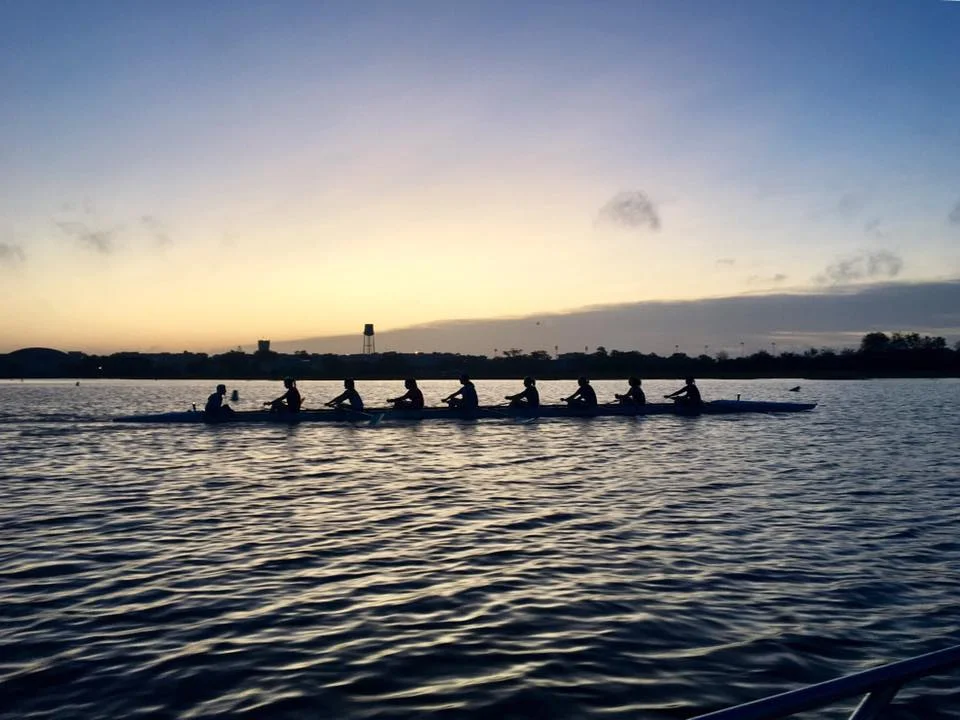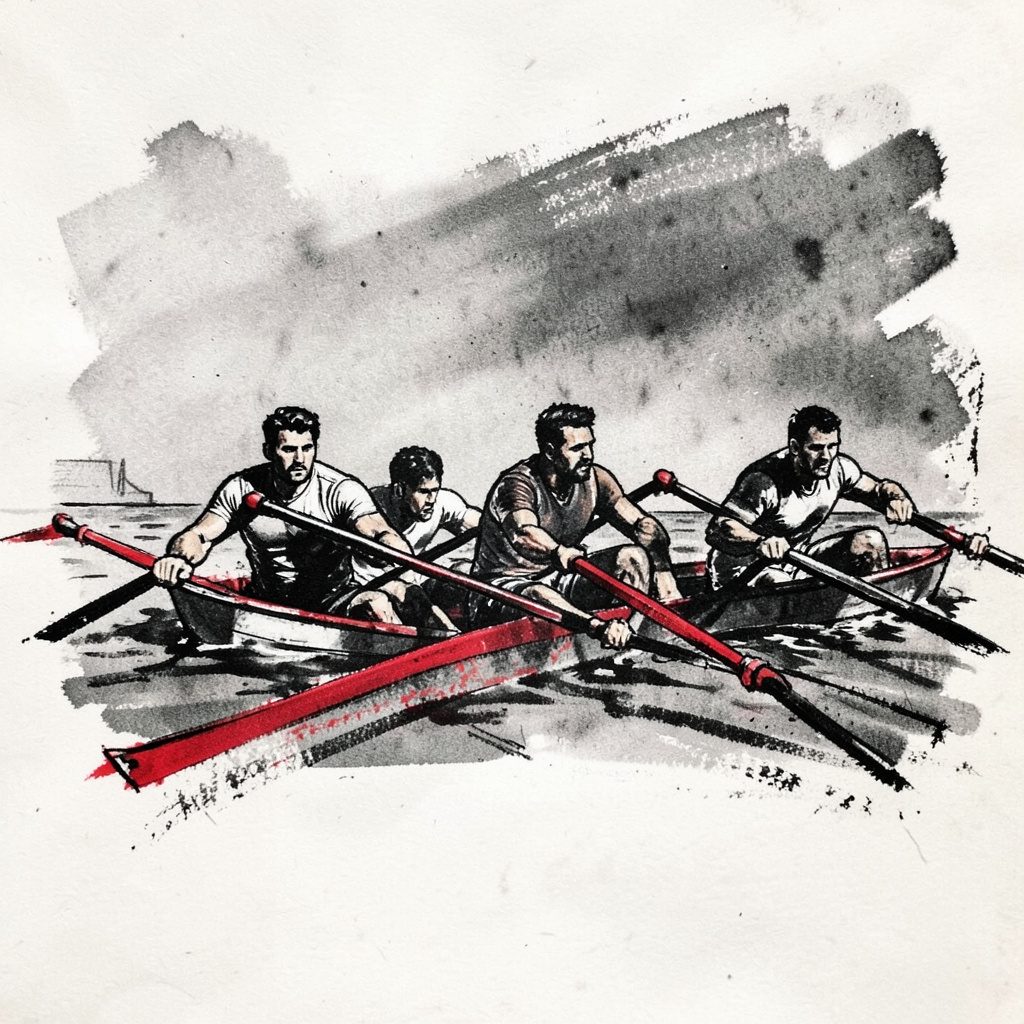
Clemson Sprints Weekend
Coverage and results from the team's trip to Clemson Sprints on Lake Hartwell.
Read More
A non-profit rowing team at the College of Charleston in Charleston, South Carolina.
On the afternoon a hurricane warning tightened over Charleston, the College of Charleston Crew Team boathouse became an awkward racecourse. Twenty-seven ergometers stood in rows, their long rails and black monitors silhouetted against the windows. A text from the head coach had turned practice into an emergency: everything portable had to move above ground level before evening traffic thickened.
Mia Patel, an exchange student from Brisbane, was already sorting packing tape by colour. She had rowed beside the Brisbane River and watched Bureau of Meteorology warnings arrive through one Queensland summer, so she knew a warning meant work, not panic. The Australian cyclone scale does not map neatly onto the U.S. hurricane scale, but the practical lesson travelled well: secure loose parts early, protect electronics, and assign one person to every task.
The first task was triage, not wrapping. The head coach marked rooms by level: upper storage for complete ergs, a dry office for electronics, and ground-floor holding for parts that would travel with their owners. Experienced rowers paired with beginners, while student officers kept a paper inventory of every machine and its destination.
The club’s archived crew photographs reveal the crowded reality of the programme, with shell boats, oars and athletes sharing narrow lanes and work areas. The same crowding made careless stacking dangerous. No one treated the ergs as decorative: a race machine stored in the wrong place could delay spring training and cost the crew valuable seat time.
Wrapping rowing ergs for a hurricane was less about speed than creating a bundle that would survive handling, rain and a hurried stairwell. Monitors came off where the model allowed, were unplugged, received a quick electrical check and went into dry sleeves with silica packets. Flywheel covers were secured, shock cords coiled loosely, and handle chains bundled without crushing their links. The sliding seat was locked at one end of the rail; footplates and handles were padded where they projected beyond the frame.
After padding the painted surfaces with towels, the crew pulled light tarps over the frames and tied them to pallets. The wraps were snug rather than tight, leaving inspection points visible and allowing water to drain away rather than collect against the machine. Mia’s Brisbane kit still held rolls of green gaffer tape and cable ties bought at Bunnings, plus cloth tape carried from Queensland. In Charleston, gaffer tape closed the dry bags, cable ties secured tags to frame uprights, and cloth tape held towels around the rails. She had brought the materials for a cyclone, but the crew turned them into a careful hurricane kit.
By late afternoon, coaches were checking straps while students worked in pairs. One person carried a machine towards the stairs; another read the tag aloud and logged its destination. The method gave the newest rower a clear job and the returning athletes a chance to explain why small details mattered. When a strap began to slip, no one blamed the person holding it. They reset, checked and moved on.
Water safety remained on the wall beside the packing list, because rowing began with swimming rather than machinery. A swim test review explains why the club insists on that standard even for experienced athletes. Near the boathouse door, the team’s fundraiser sign was turned around and used to post room numbers. Beside it sat a tray of barbecue sausages; Mia called the setup a sausage sizzle, the Australian club tradition familiar from Brisbane, although Charleston called it simply a fundraiser lunch.
By early evening, the crew had a repeatable routine. It began with identification, moved through disassembly, and ended only when two members signed off each bundle. No machine moved upstairs until its tag, straps and protection had been checked by someone other than the person who packed it.
When the last pallet was gone, Mia checked the empty floor. A boot scraper, one loose pedal and a pool noodle had survived the evacuation unnoticed. The pool noodle belonged to a novice learning to balance; the pedal belonged to a varsity crew member. By carrying both, the team had protected more than equipment. It had preserved the personalities attached to it.
The hurricane arrived after midnight with rain ticking against the brick walls. The surge stopped short of the building, no glass fell, and the machines stayed dry in the upper room. At first light, students inspected straps, wiped condensation from a monitor and opened the doors to a washed, wind-scoured Charleston. The Cooper River carried branches past the boathouse, and the regatta calendar became the next thing they wanted to protect.
Mia sent a short message to her Melbourne friends, who had raced on the Yarra, then joined the crew carrying an erg back towards the water. In Brisbane, her family understood the photo she sent: a room full of careful labels, empty corners and a training programme ready to row again.
College of Charleston Crew fields competitive eights and fours in both Fall head races and Spring sprint regattas across the Southeast.
Learn MoreRecent news, recaps, and announcements from the team.
Coverage and results from the team's trip to Clemson Sprints on Lake Hartwell.
Read More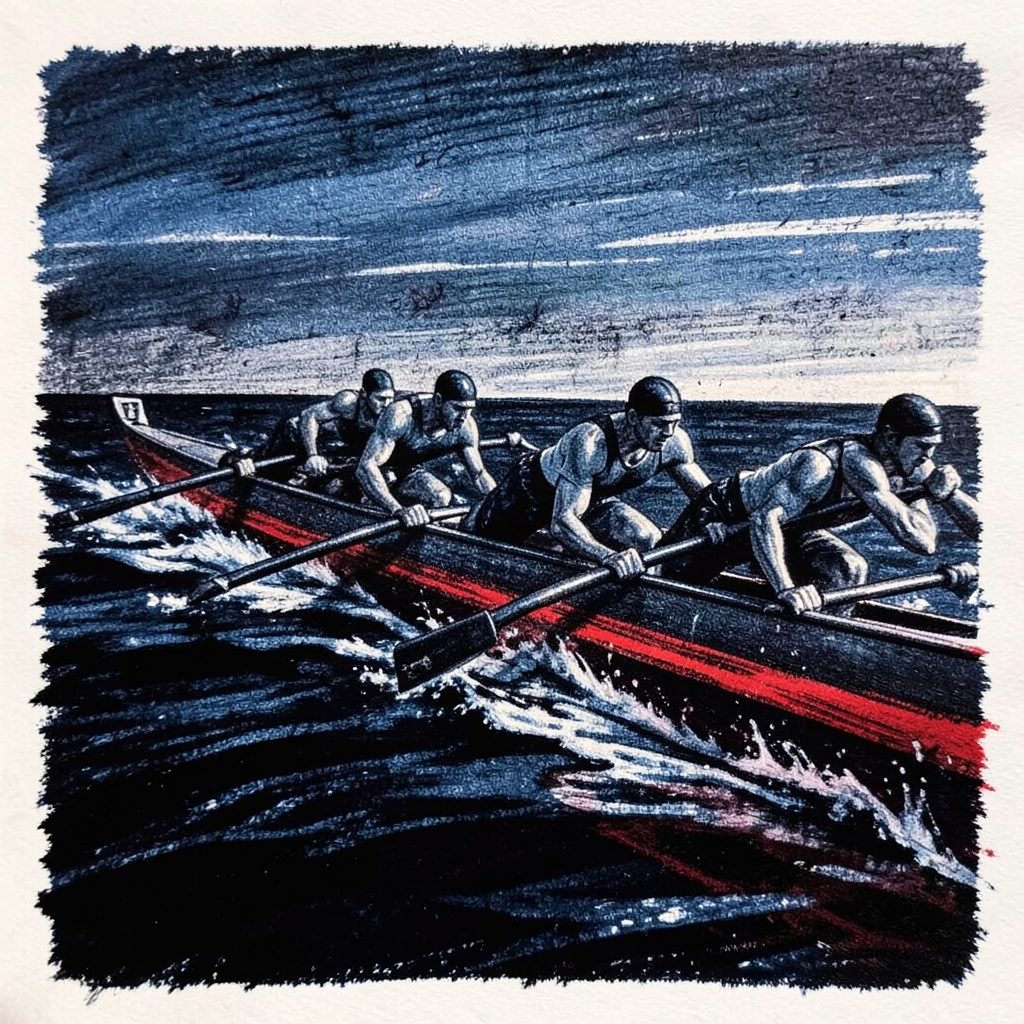
Spring lineup including Clemson Sprints, SIRA, Dad Vail, and ACRA National Championship.
Read More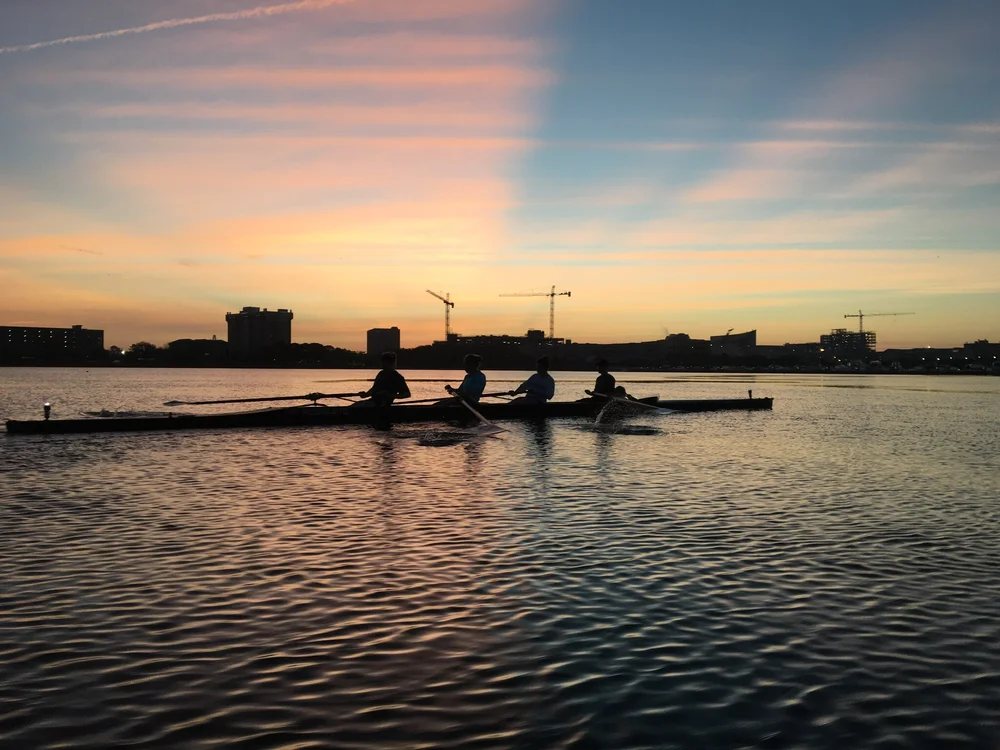
Previews and recap of past Head of the Charles appearances, including the 50th annual regatta in 2014.
Read MoreTeam practice, regatta dates, and meetings are listed on the team calendar. Coaches post weekly schedules and travel details for upcoming race weekends.
Charleston Crew / CCAA
PO Box 12941
Charleston, SC 29422
Email: info@cofccrew.org
Phone: 843.513.5900
Phone: 843.276.4241
Interested in joining the team? Fill out the recruitment form and the coaches will follow up.