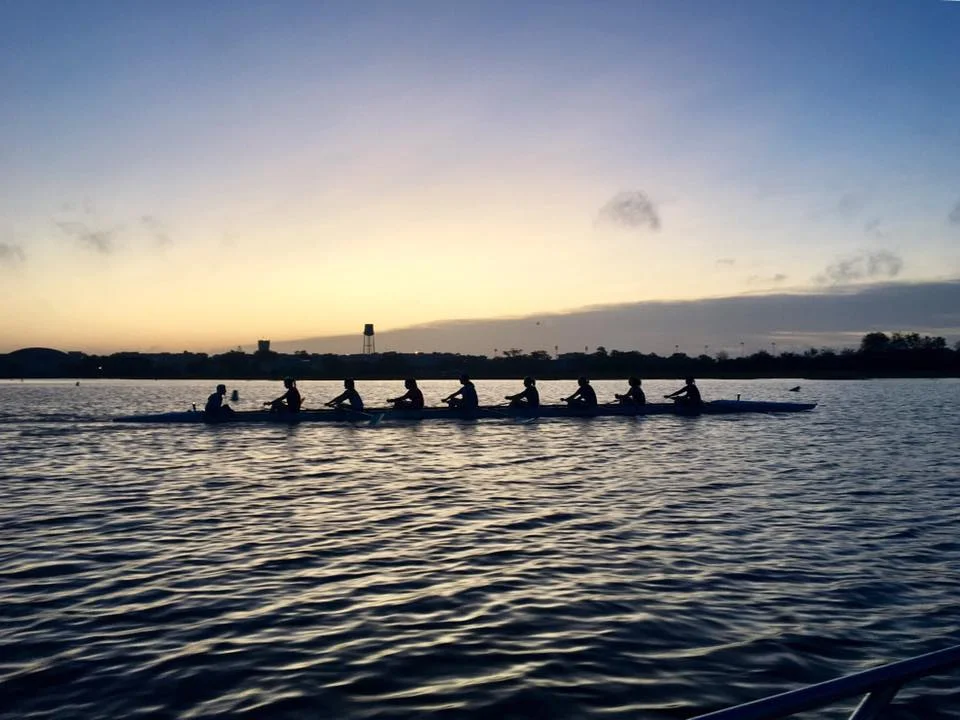
Clemson Sprints Weekend
Coverage and results from the team's trip to Clemson Sprints on Lake Hartwell.
Read More
A non-profit rowing team at the College of Charleston in Charleston, South Carolina.
Every crew has a teammate whose progress changes the energy of the whole squad. At the College of Charleston Crew Team, that athlete is someone who arrived with determination, a willingness to learn and no expectation that improvement would happen overnight. Their journey from uncertain beginner to reliable race-day contributor shows what collegiate rowing can offer beyond medals and finish times. Learn more about Roster.
For Australian readers familiar with early-morning sport, shared training and the quiet discipline of turning up, the story will feel recognisable. Whether the comparison is a surf club in Newcastle, a rowing shed in Melbourne or a university eight in Brisbane, steady progress is built through repetition, trust and a willingness to listen.
At the beginning, every part of rowing demanded attention: hand placement, posture, slide control, blade depth and the timing that allows a crew to move as one. The newest athletes often spend their first sessions learning how to hold rhythm while managing tired legs and a crowded mind.
Our featured rower found the first weeks especially humbling. Previous fitness helped with running and conditioning, but rowing used unfamiliar muscle groups and required precise coordination. A missed catch or rushed recovery could unsettle the entire boat, yet each error became useful feedback rather than a reason to step back.
The breakthrough came when training became more specific. Instead of trying to row harder on every stroke, the athlete began focusing on a clean connection, relaxed shoulders and consistent sequencing. Coaches could then identify small gains in ergometer sessions, technical drills and longer pieces on the water.
Progress was also visible in ordinary habits. Training clothes were packed the night before, recovery became part of the schedule and a simple breakfast replaced the temptation to rush out without eating. That routine will resonate with athletes in Australia, where an early session can mean a 5 am alarm, a quick coffee and a commute before the workday or lecture begins.
Improvement in a crew sport is rarely produced by one dramatic session. Strength work, mobility exercises and aerobic conditioning helped build the base needed to maintain technique under pressure. The rower also learned to treat sleep as training, a practical adjustment for anyone balancing study, employment and competition.
Nutrition became more consistent too. Affordable staples such as oats, rice, eggs, fruit and yoghurt supported demanding weeks without turning every meal into a costly performance product. That approach reflects the reality of the Australian grocery market, where rising prices have made sensible planning valuable for university athletes and families alike.
No rower develops in isolation. Experienced teammates offered reminders between pieces, shared equipment advice and demonstrated how to stay composed when a session became uncomfortable. The current team roster reflects the wider mix of personalities and experience that makes a club environment welcoming to beginners and established competitors alike.
The athlete’s confidence grew because feedback was direct but supportive. A coxswain might call for a sharper finish, a coach might adjust the catch, and a teammate might explain the same movement in a different way. Those conversations created trust, which is essential when eight or more people must respond together within seconds.
The clearest evidence of improvement appeared at regattas. Earlier in the season, race preparation felt overwhelming: checking boat assignments, finding the launch area, managing nerves and remembering technical cues. With experience, the rower developed a repeatable routine and learned to focus on the next stroke rather than the entire race.
A recent Charleston competition offered a useful measure of that progress. The spring regatta recap captures the intensity of racing, where crews must adapt to conditions, maintain their rhythm and finish with discipline. For Australian followers who know the atmosphere of Head of the Yarra or a busy regatta on the Nepean River, the shared anticipation is familiar.
Being named the most improved rower is not simply a reward for becoming faster. It recognises reliability, resilience and the ability to make the people around you better. The athlete now contributes more confidently during practice, understands technical feedback and helps newer rowers feel less alone in their first weeks.
The journey also reflects the open spirit of collegiate club rowing. A beginner does not need a perfect sporting background to earn a place in the boat; curiosity, consistency and teamwork matter just as much. From Charleston to Sydney, Adelaide or Perth, the lesson remains the same: meaningful progress begins with showing up, then choosing to return.
College of Charleston Crew fields competitive eights and fours in both Fall head races and Spring sprint regattas across the Southeast.
Learn MoreRecent news, recaps, and announcements from the team.
Coverage and results from the team's trip to Clemson Sprints on Lake Hartwell.
Read More
Spring lineup including Clemson Sprints, SIRA, Dad Vail, and ACRA National Championship.
Read More
Previews and recap of past Head of the Charles appearances, including the 50th annual regatta in 2014.
Read MoreTeam practice, regatta dates, and meetings are listed on the team calendar. Coaches post weekly schedules and travel details for upcoming race weekends.
Charleston Crew / CCAA
PO Box 12941
Charleston, SC 29422
Email: info@cofccrew.org
Phone: 843.513.5900
Phone: 843.276.4241
Interested in joining the team? Fill out the recruitment form and the coaches will follow up.