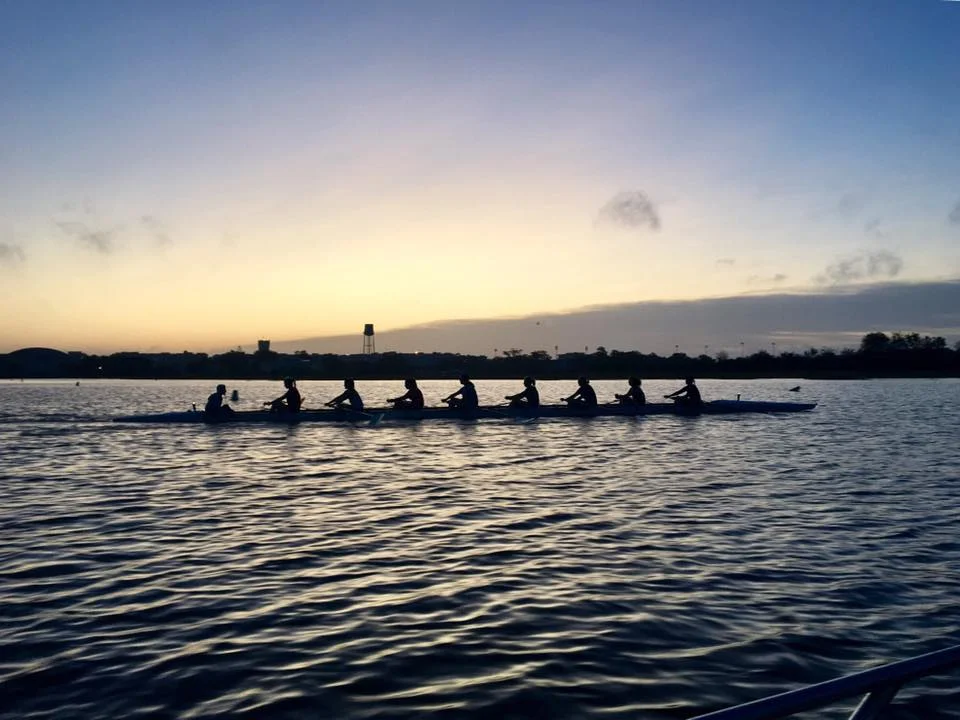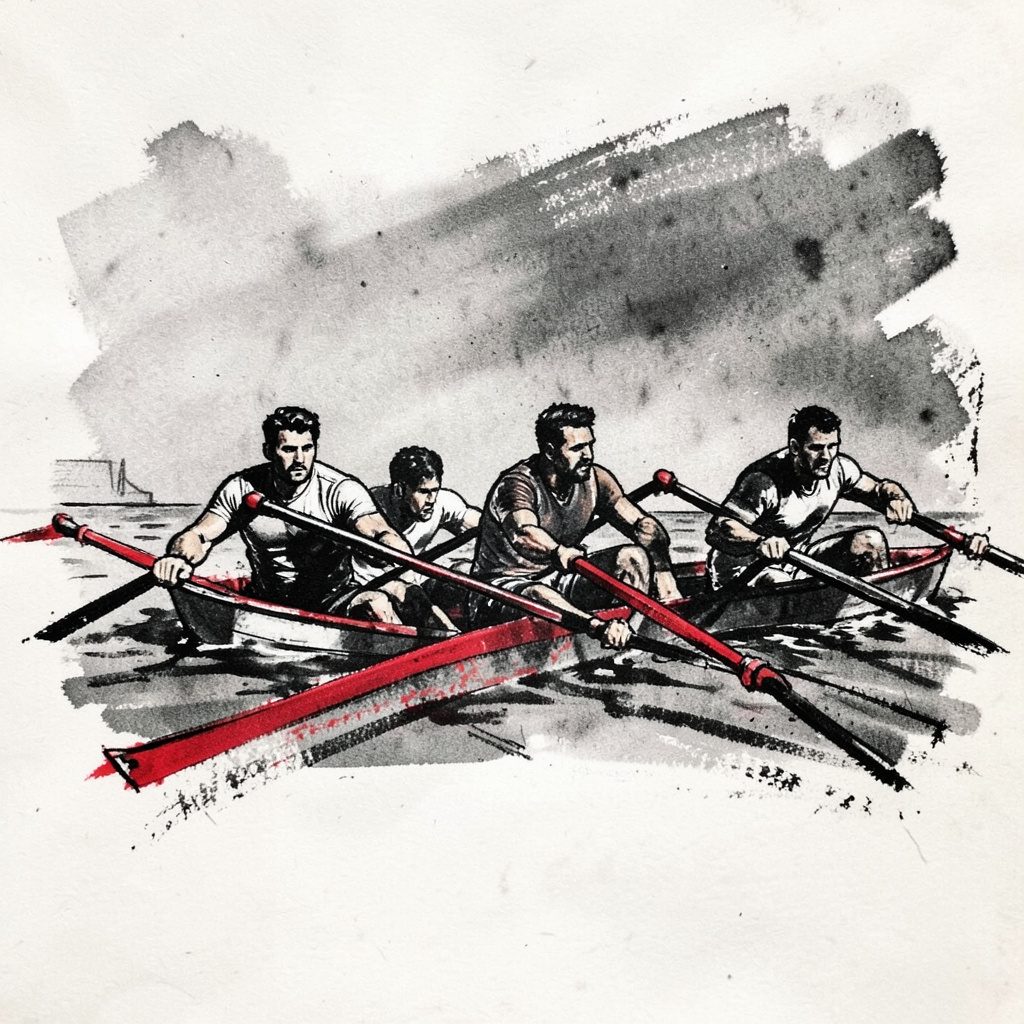
Clemson Sprints Weekend
Coverage and results from the team's trip to Clemson Sprints on Lake Hartwell.
Read More
A non-profit rowing team at the College of Charleston in Charleston, South Carolina.
When the fall semester kicks off in Charleston, a fresh wave of students walks down to the boathouse with a mixture of nerves and excitement. Many have never touched an oar before, while others arrive with years of high school experience looking to keep the momentum going in a club setting. The College of Charleston Crew Team welcomes them all under the novice banner, a group designed to bring new athletes into the rhythm of collegiate rowing. Learn more about From High School Rowing To College Club What Changes.
The first week is intentionally structured to be challenging but supportive. Novices learn the safety protocols of the boathouse, get fitted for their first unisuit, and start to understand the culture of the team. Coaches and upperclassmen make it clear from day one that effort matters more than polish, and the buddy system pairs each new rower with a returning member who answers questions and offers reassurance throughout the early sessions. Learn more about Rowing With The Dolphins Wildlife Encounters On The Water.
Mornings begin before the sun is fully up, which feels familiar to anyone who has trained on a Yarra River regatta schedule back in Melbourne. The novice crew meets at 5:30 a.m. for land training, where the air is still warm and humid from the South Carolina night. The ergometer room becomes a second home, with machines lined up like jet skis on a Sydney Harbour morning. New rowers learn to trust the monitor, to find a stroke rate that feels sustainable, and to understand why erg scores matter for seat selection later in the season.
A common piece of advice shared with novices is to focus on technique before worrying about split times. Returning athletes often share their own first-week stories, comparing erg work to what they learned at school. One of the more honest reflections appears in this recent piece about the gap between school programs and the college club experience.
Novice week is also a crash course in rowing vocabulary. Terms like catch, finish, drive, and recovery become part of daily conversation. Coaches break down the stroke into manageable chunks, asking athletes to focus first on body position before adding the legs, then the arms. Many novices find that the terminology clicks faster than they expect, especially when paired with drills on the water.
The team uses a buddy system where new rowers are paired with upperclassmen who can translate the jargon into plain English. This approach borrows from a culture of mateship that feels familiar to anyone who has rowed out of a Mercantile or Sydney Rowing Club shed. The shared language builds trust across the boat, which matters when the eight is moving through choppy water at twenty strokes a minute.
The first water sessions happen midweek, weather permitting. Novices board the barges and begin the slow work of learning to set the boat, hold a line, and respond to the coxswain's calls. The Cooper River is wide and forgiving, a perfect place to make mistakes without consequence. Coaches float beside the shells in safety launches, offering real-time feedback and encouragement.
Land drills on the dock include rolling trunk checks, reverse grip exercises, and pause drills at the finish. Each small win builds confidence. By the end of the first week, novices typically row in a sweep boat for the first time, a moment many describe as the highlight of their arrival on campus. The feeling of the oar lock catching and the shell finally moving as one unit is hard to beat, even for athletes who have rowed before.
Rowing in Charleston offers scenery that most coxswains never forget. The Cooper River winds past marsh grass, historic forts, and stretches of tidal creek that come alive at dawn. Dolphins are regular visitors, sometimes surfacing in the wake of an eight during a steady state piece. The team has collected stories of herons, ospreys, and the occasional manatee passing by during practice.
This kind of close encounter with wildlife is one of the unexpected perks of training on the water here. A few novice rowers have written about their own surprises, including close dolphin encounters during early morning outings. It is a reminder that the sport offers more than just fitness and competition; it offers a daily connection to the Lowcountry ecosystem that most students would never otherwise experience.
By the end of novice week, the new rowers have a clear picture of what lies ahead. The fall schedule includes travel regattas across the Southeast, a head race in October, and the chance to qualify for boats that compete in the spring. Coaches sit down with each novice to discuss goals, class schedules, and time commitments so the sport fits alongside academic life.
The team culture emphasises that rowing at the club level is meant to be sustainable. Many novices balance part-time jobs and full course loads, and the leadership team works hard to keep expectations realistic. That balance echoes the spirit of club programs found along the Brisbane River or the Parramatta, where athletes juggle study, work, and early morning sessions without burning out. The first regatta is still a few weeks away, but novice week ends with the sense that everyone is in the same boat, literally and figuratively.
College of Charleston Crew fields competitive eights and fours in both Fall head races and Spring sprint regattas across the Southeast.
Learn MoreRecent news, recaps, and announcements from the team.
Coverage and results from the team's trip to Clemson Sprints on Lake Hartwell.
Read More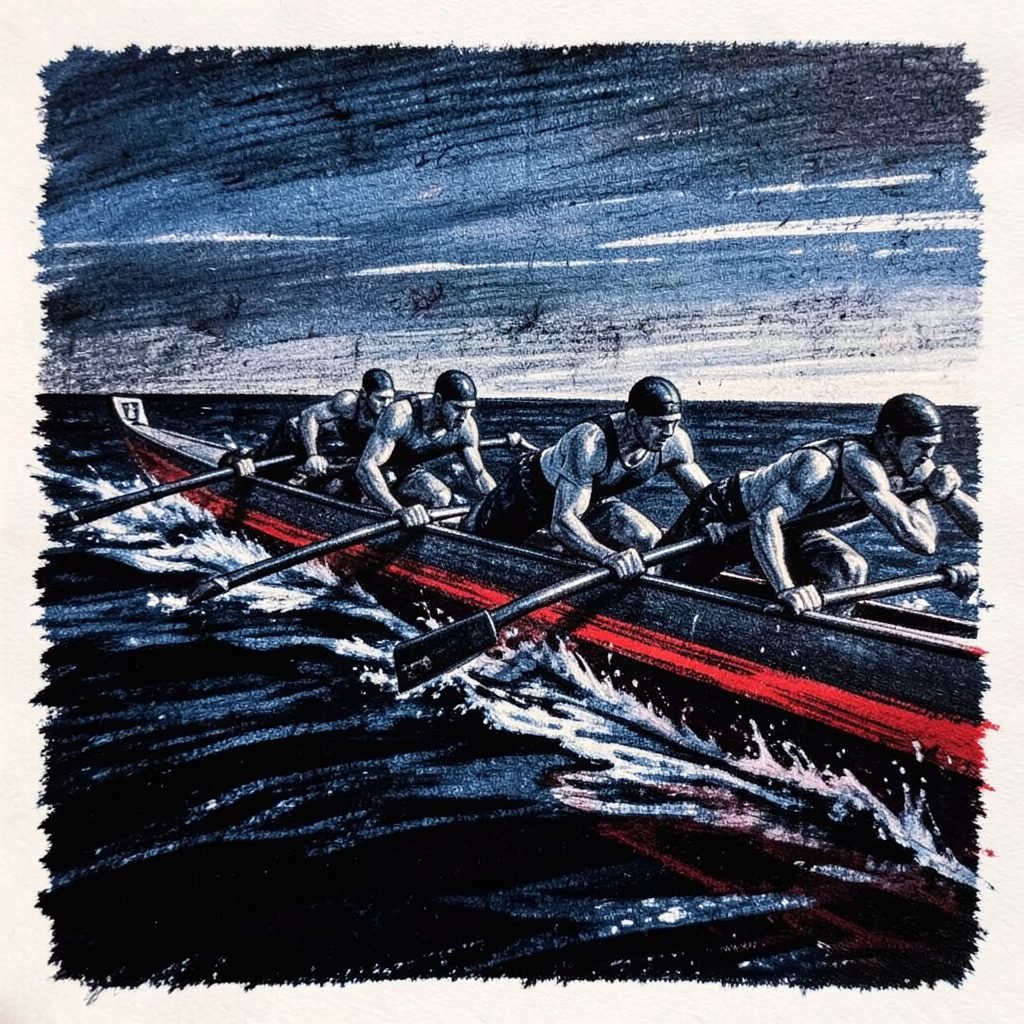
Spring lineup including Clemson Sprints, SIRA, Dad Vail, and ACRA National Championship.
Read More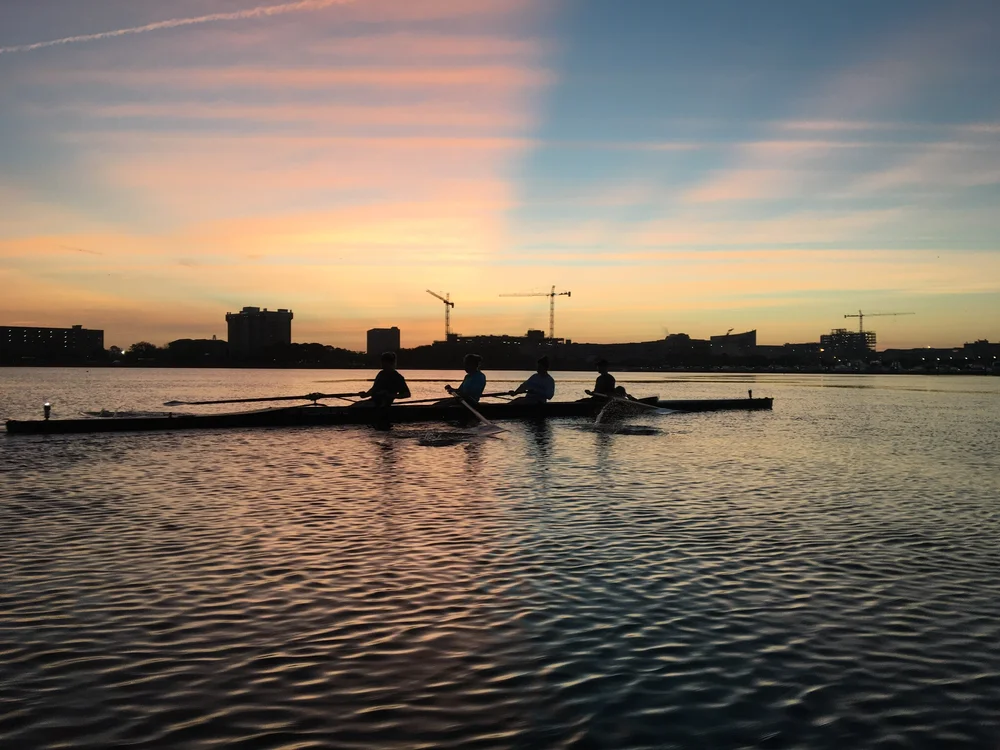
Previews and recap of past Head of the Charles appearances, including the 50th annual regatta in 2014.
Read MoreTeam practice, regatta dates, and meetings are listed on the team calendar. Coaches post weekly schedules and travel details for upcoming race weekends.
Charleston Crew / CCAA
PO Box 12941
Charleston, SC 29422
Email: info@cofccrew.org
Phone: 843.513.5900
Phone: 843.276.4241
Interested in joining the team? Fill out the recruitment form and the coaches will follow up.