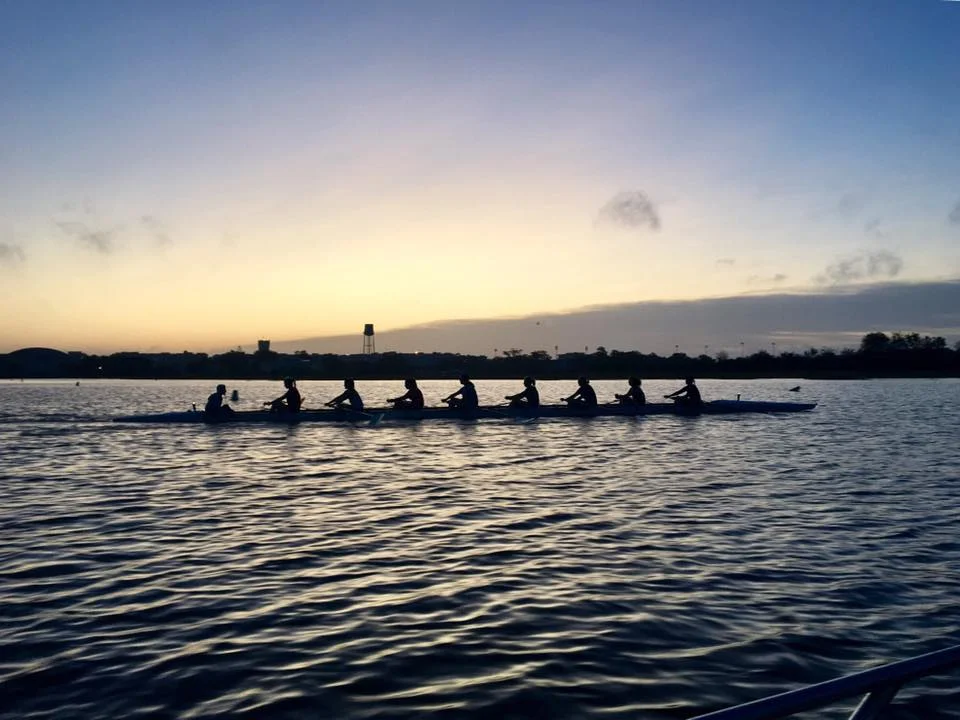
Clemson Sprints Weekend
Coverage and results from the team's trip to Clemson Sprints on Lake Hartwell.
Read More
A non-profit rowing team at the College of Charleston in Charleston, South Carolina.
The College of Charleston Crew Team enters every autumn with a fresh wave of rowers, many of whom have never held an oar before. The recruitment chair sits at the centre of this seasonal transformation, shaping how the club finds athletes, welcomes novices and builds the camaraderie that defines a collegiate rowing season. The role blends outreach, coaching liaison and a dash of marketing savvy, and it reflects the broader growth of club rowing across university campuses in the United States and in places such as Sydney, Melbourne and Brisbane, where the sport enjoys a long heritage.
For readers familiar with Australian club rowing, where summer squads train on the Yarra River or the Brisbane River through the warmer months, the College of Charleston operates on the opposite calendar. The crew team's fall roster is assembled in August and September, before the academic year intensifies and regattas begin along the Southeast and Mid-Atlantic coasts. Understanding this rhythm is key to grasping why the chair has a sport to plan for and why the work begins months before the first practice.
The recruitment chair is a student officer elected by the team each spring, tasked with filling both the novice and varsity boats for the coming season. They coordinate with coaches to identify the number of seats available, then design a campaign that reaches prospective rowers through campus flyers, social media and word of mouth. The position carries real responsibility because the team welcomes athletes of all backgrounds, including those who have never stepped into a shell.
Many Australians will recognise the structure. Australian university rowing clubs, particularly those affiliated with Rowing Australia pathways, rely on similar student-led committees to drive membership. The recruitment chair at College of Charleston works closely with the team's leadership to ensure that newcomers are matched with the right training group and that returning athletes know where they fit within the season's lineup.
Outreach starts long before move-in week. The chair works with university housing staff and orientation leaders to make sure incoming first-years hear about the team before they even unpack. Tabling at student organisation fairs, posting in class group chats and partnering with campus recreation centres are all part of the toolkit. The strategy mirrors what Australian fitness clubs do during summer recruitment drives, when promotions ramp up ahead of the New Year resolution rush that gyms across Sydney and Melbourne prepare for each January.
Email lists and Instagram posts carry a lot of the weight, but the chair also leans on the personal networks of current team members. A simple message from a friend often does more than any flyer, and the chair encourages existing rowers to reach out to anyone they know who might be curious. This grassroots approach is familiar to Australian sporting clubs that depend heavily on member referrals to grow their ranks year after year.
A sizable portion of every fall roster has never rowed before. The recruitment chair works closely with the novice coach to design a learn-to-row intake that runs in the first two weeks of the semester. Sessions cover the basics of the stroke, boat handling and water safety, with plenty of time on ergometers before anyone gets near the Cooper River. The tone is welcoming rather than competitive, recognising that many students arrive intimidated by the sport's reputation for early mornings and gruelling workouts.
Aspiring rowers can read a thorough novice onboarding guide to get a sense of what those first weeks involve, from the gear checklist to the social events that bond new athletes together. The chair makes sure that every newcomer knows there is a place for them, regardless of athletic background.
Fitness preparation is another pillar of the chair's work. Many incoming students have not exercised regularly before arriving on campus, and the chair helps connect them with conditioning resources so they can handle the aerobic demands of the sport. The team offers guided training plans, group runs and access to the boathouse ergs during off-hours.
For Australians used to free community events like the local 5 km runs hosted through Parkrun each Saturday morning, the novice fitness guide provides a structured ramp-up from couch comfort to confident rowing. The chair shares this resource widely during the recruitment window, because athletes who arrive with a baseline of fitness adapt faster and enjoy their first season more fully.
By the time the first regatta arrives in October, the recruitment chair has helped assemble a roster that blends experience with fresh talent. The fall season includes head races and sprint regattas across the Southeast, giving every athlete multiple opportunities to compete. Coaches use the early season to evaluate novices and place them in the right boats, while the recruitment chair shifts focus toward retention, planning winter training camps and social events that keep athletes engaged.
Local context shapes how the team thinks about competition. Australian club rowers will notice the calendar difference, but the underlying structure of season planning, novice development and alumni outreach translates well. The chair keeps meticulous notes throughout the fall so that next year's recruitment cycle starts from a stronger foundation, with clear data on what worked and where the team can grow.
For students considering a spot in the boat, a few practical steps help the process go smoothly.
College of Charleston Crew fields competitive eights and fours in both Fall head races and Spring sprint regattas across the Southeast.
Learn MoreRecent news, recaps, and announcements from the team.
Coverage and results from the team's trip to Clemson Sprints on Lake Hartwell.
Read More
Spring lineup including Clemson Sprints, SIRA, Dad Vail, and ACRA National Championship.
Read More
Previews and recap of past Head of the Charles appearances, including the 50th annual regatta in 2014.
Read MoreTeam practice, regatta dates, and meetings are listed on the team calendar. Coaches post weekly schedules and travel details for upcoming race weekends.
Charleston Crew / CCAA
PO Box 12941
Charleston, SC 29422
Email: info@cofccrew.org
Phone: 843.513.5900
Phone: 843.276.4241
Interested in joining the team? Fill out the recruitment form and the coaches will follow up.