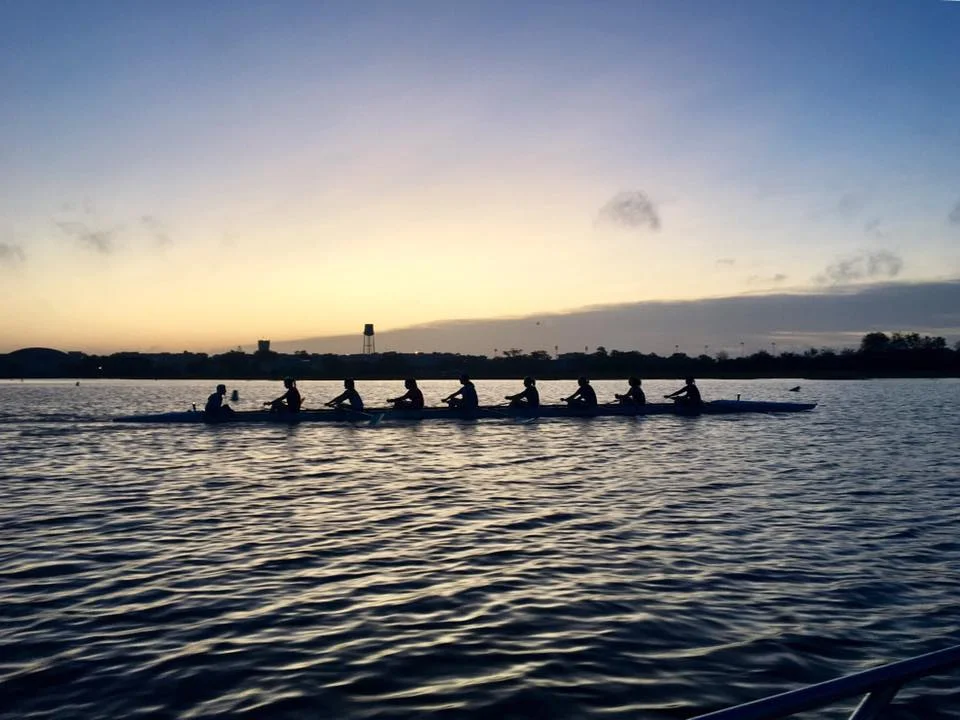
Clemson Sprints Weekend
Coverage and results from the team's trip to Clemson Sprints on Lake Hartwell.
Read More
A non-profit rowing team at the College of Charleston in Charleston, South Carolina.
Reliable nutrition tips for race day begin with a rehearsed sequence, not a “magic” food. Top up muscle glycogen before racing, replace fluid and sodium losses, then refuel after the finish. In a 2,000-metre crew race, poor timing can spoil performance.
A heavy breakfast can feel like fuel, while an empty stomach may leave a rower light during the first strokes. The portion depends on tolerance, race duration, weather and start time, not one menu for every athlete.
The plan must fit student routines: early sessions, class timetables, travel and shared recovery meals. Familiar foods are easier to digest because they have been tested under pressure.
Rehearse the intended breakfast and snack in training, then adjust portion and timing. On race day, familiar choices usually serve a crew better than an unfamiliar supplement or last-minute overhaul.
Before heading to the start, check the College of Charleston Crew Team’s schedule, venue notes and club contacts on the official team website. An early marshalling time or long walk from parking can change when breakfast should finish.
Build the main meal around carbohydrate, with moderate protein and some fruit or vegetables. Oats, bread, rice and pasta help top up glycogen. Finish it three to four hours before racing, leaving time for the stomach to settle.
A smaller snack 60 to 90 minutes beforehand can prevent hunger without leaving you stuffed. Choose familiar, lower-fibre foods such as banana, toast with honey or rice cakes, and test the portion in training.
Hydration matters in Charleston’s humidity and at Australian regattas in Sydney or Melbourne during summer. Thirst, warm urine, a dry mouth or an unusually high heart rate can signal that fluid intake needs attention.
Start early and carry a labelled bottle. Water is usually enough for a shorter race in mild weather; an electrolyte drink becomes more useful during long, hot or sweaty sessions. Sip according to thirst rather than forcing a fixed volume.
Caffeine helps some trained rowers, but anxiety and tolerance vary. Keep coffee or energy drinks to the amount practised in training, and avoid combining several stimulants on race morning.
The useful comparison is between the demands of each phase. Portions should remain familiar while priorities shift from delivering fuel to replacing losses and restoring energy.
| Moment | Main aim | Practical choices | Useful timing |
|---|---|---|---|
| Before racing | Fill glycogen | Oats, toast, banana, sports drink | Main meal 3–4 hours before; snack 60–90 minutes before |
| During racing | Stay comfortable | Water or electrolyte drink | Sip according to thirst, heat and sweat rate |
| After racing | Restore energy | Recovery drink, then a balanced meal | Begin soon after; complete a meal within 1–2 hours |
Recovery food need not be eaten beside the boat. A drink, snack and sit-down meal within a reasonable period works well, especially when medal ceremonies or team duties follow the race.
Australian crews can build around foods found at Coles and Woolworths or larger supermarkets. Milo, Weet-Bix, oats, yoghurt, bananas and muesli bars suit early starts, while a packed lunch helps when class follows rowing.
Food Standards Australia New Zealand standards require allergen information on labels for foods containing listed allergens. Anyone with coeliac disease, a milk allergy or another medical restriction should check packaging and carry suitable food. Quantities also need practice: keep each item small and familiar, and rehearse the complete breakfast-and-snack combination.
For early race-morning starts, crews can choose from simple breakfasts such as:
When food must travel to the venue, useful portable choices include:
After racing, include carbohydrate, protein and fluid. Chocolate milk, yoghurt with muesli, or a sandwich with fruit are practical choices, and ordinary food works when it supplies enough carbohydrate to replace energy used.
For newer rowers learning how a crew shares pace and pressure, the newcomer’s coxing guide offers useful context on race organisation alongside physical preparation. Nutrition supports that work by keeping energy steady and recovery comfortable.
A recovery drink can be useful immediately after the finish, but a balanced meal within one to two hours is the stronger plan. Include protein from eggs, dairy, tofu or chicken alongside rice, bread or potatoes.
Individual tolerance matters more than trends. Some rowers handle fibre, dairy or caffeine well; others experience reflux or loose stools under race pressure. Record symptoms, foods and timing across several sessions, and consult a sports dietitian if problems continue.
Travel adds another layer. Pack labelled snacks from home, arrive with water available, and avoid relying on a venue café for something unfamiliar. In warm weather, obtain sodium from normal foods or an electrolyte drink rather than an extremely salty option.
When the same meal, drink and timing appear in training and at regattas, fuelling becomes automatic rather than a source of race-day worry. Consistency turns careful preparation into a tangible advantage.
College of Charleston Crew fields competitive eights and fours in both Fall head races and Spring sprint regattas across the Southeast.
Learn MoreRecent news, recaps, and announcements from the team.
Coverage and results from the team's trip to Clemson Sprints on Lake Hartwell.
Read More
Spring lineup including Clemson Sprints, SIRA, Dad Vail, and ACRA National Championship.
Read More
Previews and recap of past Head of the Charles appearances, including the 50th annual regatta in 2014.
Read MoreTeam practice, regatta dates, and meetings are listed on the team calendar. Coaches post weekly schedules and travel details for upcoming race weekends.
Charleston Crew / CCAA
PO Box 12941
Charleston, SC 29422
Email: info@cofccrew.org
Phone: 843.513.5900
Phone: 843.276.4241
Interested in joining the team? Fill out the recruitment form and the coaches will follow up.