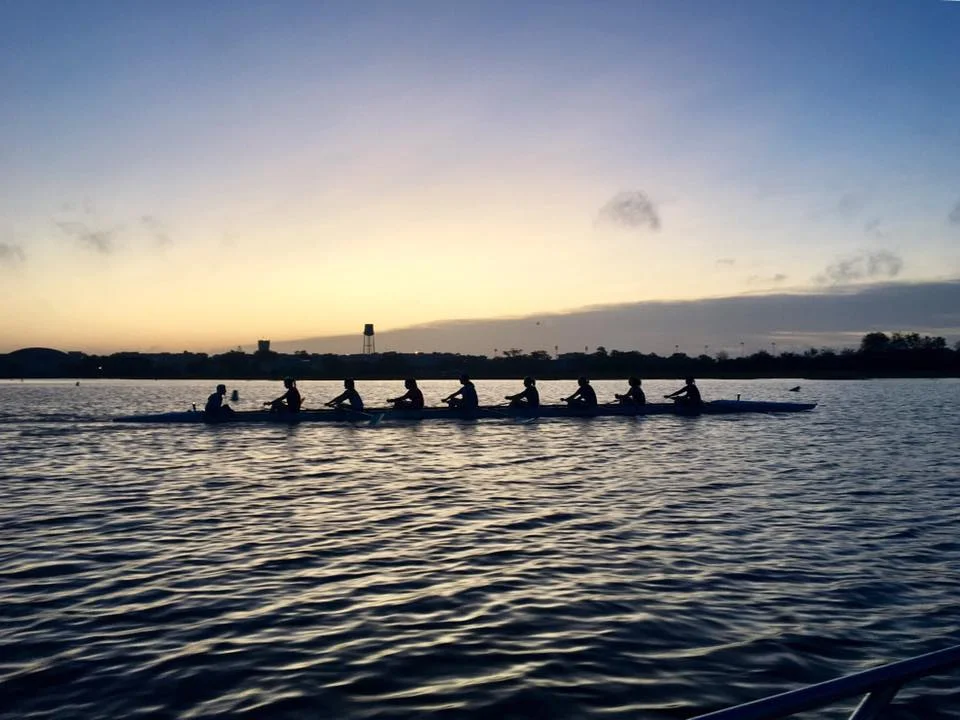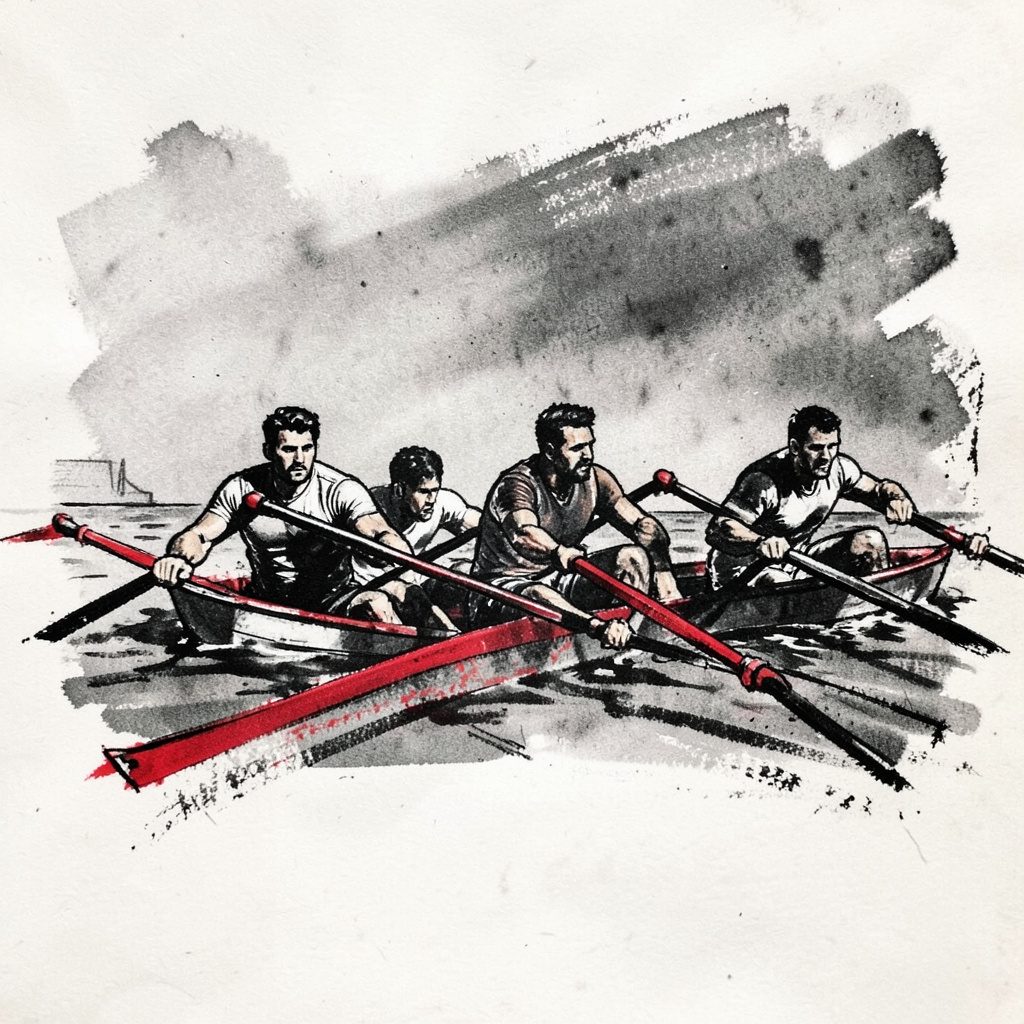
Clemson Sprints Weekend
Coverage and results from the team's trip to Clemson Sprints on Lake Hartwell.
Read More
A non-profit rowing team at the College of Charleston in Charleston, South Carolina.
Coxing a four means steering, directing, motivating and keeping four rowers safe while the boat moves through a busy, changing environment. On the Intracoastal Waterway, that environment can include tidal current, narrow channels, wakes from powerboats, bridges, fishing vessels and sudden shifts in wind. Your voice is the crew’s main link to the water ahead.
The coxswain sits in the stern or bow, depending on the shell, and controls the rudder with foot steering or hand lines. You must understand the boat’s balance, watch traffic continuously and give short commands that rowers can act on immediately. Confidence matters, but accurate information matters more.
Australian rowers may find the terminology familiar while noticing different habits from local clubs. An early Brisbane River outing, a Sydney Harbour session or a morning on the Swan River often begins with sunscreen, a water bottle and a check of weather alerts before coffee. On the American waterway, add local tide tables, bridge schedules and navigation expectations to that routine.
Begin by learning the four’s length, turning response, stopping distance and steering arrangement. Sit in the coxing position before launch and identify the bow, stern, port and starboard. Check that the rudder moves freely, foot stretchers are secure and communication equipment works if the boat carries a radio.
Meet the rowers and learn their experience, preferred terminology and fitness levels. A crew list such as the team roster can help you understand who may be experienced, returning from injury or new to sweep rowing. In a four, rowers may have different roles, but all need the same clear calls and safety expectations.
Ask the coach which commands the club uses for hands on, back it down, hold water, way enough and row. Do not replace established language with creative phrases during a busy manoeuvre. Consistency lets the crew respond without hesitation, especially when the boat is close to a dock or another shell.
A good command has three parts: attention, action and timing. “Ready all” prepares the crew, “row” starts the stroke and “way enough” tells everyone to stop rowing and let the boat glide. Pause briefly between the preparation and action so the crew can organise its bodies and blades.
Use “hold water” when the rowers need to slow or stop the boat quickly by placing their blades square in the water. “Back it down” moves the boat astern and requires careful coordination. When steering, make small corrections early rather than waiting until the bow points directly at an obstruction.
A coxswain should avoid filling every second with noise. Short technical feedback is useful during training, while unnecessary commentary can hide a warning about a wake or vessel. Speak loudly enough to reach the crew, then stop speaking when silence helps everyone hear approaching traffic.
The Intracoastal Waterway is not a straight, quiet rowing course. Tidal flow can push the shell sideways, and large boats may create wakes that arrive several seconds after they first appear. Scan ahead, behind and across the channel, and tell the crew early when a wake is coming so they can prepare their balance.
Keep well clear of commercial traffic and respect channel markers, bridges, docks and moored craft. A rowing shell is difficult for larger vessels to see, so never assume that right of way makes the boat safe. In Australia, the same principle applies on waterways near Sydney, Brisbane or Fremantle: navigation rules, state authority requirements and local signs still govern the outing.
Weather checks should cover wind, storms, visibility and heat. Australian rowers are used to planning around intense sun, and that habit is valuable in Charleston too. Carry water, apply broad-spectrum sunscreen before launching and watch for signs of heat stress, particularly during long summer sessions.
Before pushing off, confirm that every rower knows how to stop, what to do if someone falls out and where safety equipment is stored. Check the boat for damage, confirm the coach or shore contact has the outing plan and review the return point. Lifejacket requirements vary by Australian state and vessel type, so local clubs should follow their relevant maritime authority; on the ICW, follow the applicable American regulations and club policy.
If an oar catches incorrectly and a rower is thrown off balance, give a calm command such as “hold water” or “way enough” before assessing the situation. Practical guidance on handling a crab is useful preparation, but prevention comes from steady hands, correct blade work and a crew that responds together.
Sun hats can interfere with vision, loose drink bottles can roll under feet and phones should be secured rather than left in pockets. Australian clubs often rely on shared gear and second-hand purchases through Gumtree or Facebook Marketplace, so inspect used coxing equipment carefully before taking it on the water.
Coxing is a leadership role because the crew depends on your judgement when conditions change. Give the rowers a clear plan before launch: expected distance, likely traffic, turning points, emergency actions and the signal for stopping. During the outing, acknowledge good responses and report hazards without blaming individuals.
You do not need to sound dramatic to be authoritative. A measured voice, accurate steering and timely commands create trust. If you are unsure, stop the boat in a safe position and ask the coach rather than guessing. That habit is valuable whether training near Charleston, racing in the Southeast or adapting skills to a club session on the Yarra River.
Leadership grows through review. After landing, discuss what the water, crew and boat did well and what needs practice. Resources on boat captain roles can broaden your understanding of responsibility beyond steering. With preparation and repetition, a newcomer can become the calm, observant voice that keeps a four moving efficiently and safely.
College of Charleston Crew fields competitive eights and fours in both Fall head races and Spring sprint regattas across the Southeast.
Learn MoreRecent news, recaps, and announcements from the team.
Coverage and results from the team's trip to Clemson Sprints on Lake Hartwell.
Read More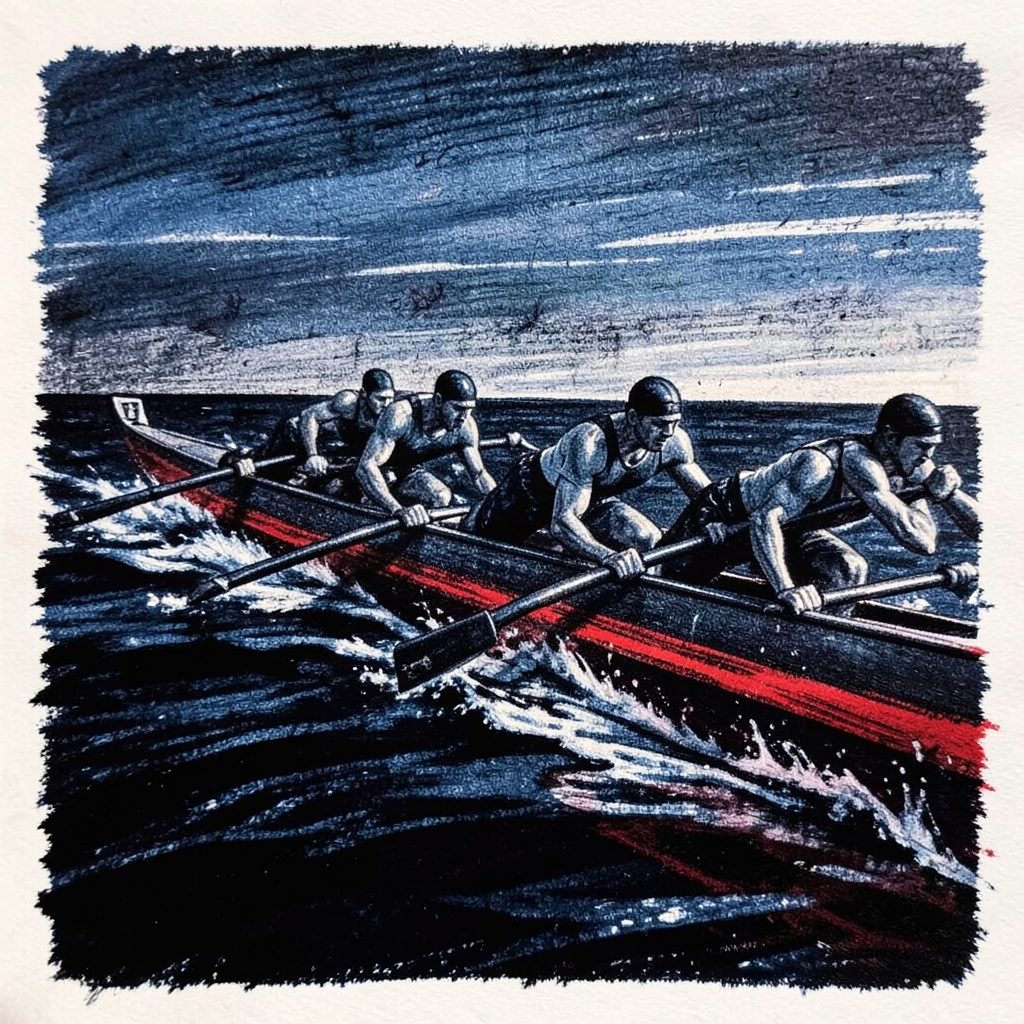
Spring lineup including Clemson Sprints, SIRA, Dad Vail, and ACRA National Championship.
Read More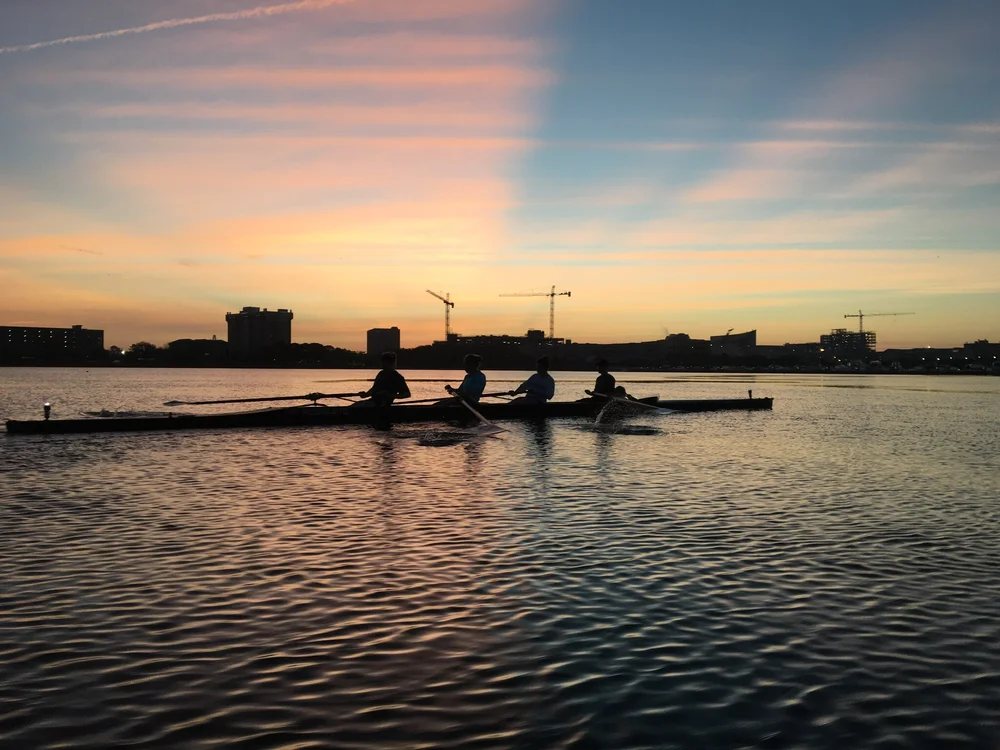
Previews and recap of past Head of the Charles appearances, including the 50th annual regatta in 2014.
Read MoreTeam practice, regatta dates, and meetings are listed on the team calendar. Coaches post weekly schedules and travel details for upcoming race weekends.
Charleston Crew / CCAA
PO Box 12941
Charleston, SC 29422
Email: info@cofccrew.org
Phone: 843.513.5900
Phone: 843.276.4241
Interested in joining the team? Fill out the recruitment form and the coaches will follow up.