Clemson Sprints Weekend
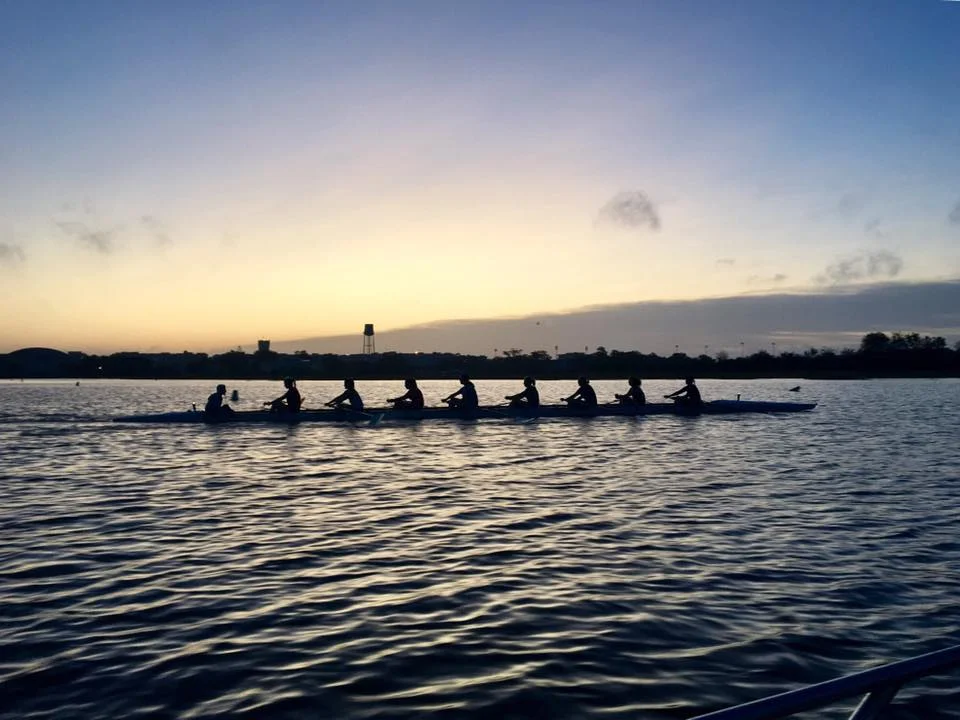
Coverage and results from the team's trip to Clemson Sprints on Lake Hartwell.
Read More
A non-profit rowing team at the College of Charleston in Charleston, South Carolina.
Every spring morning on the Cooper River, the College of Charleston crew team slides into shells and pushes off into brackish water. Hands grip oar handles for thousands of strokes per outing, and friction builds in ways newcomers do not expect. Blisters are a rite of passage for rowers, yet they need not become a season-long nuisance. A handful of habits keep palms healthy from the first novice day through championship season. Learn more about Contact.
Charleston's humid climate shares much with Australian venues on Sydney Harbour, the Yarra in Melbourne, and the Torrens in Adelaide. Heat plus moisture softens skin and primes it for tearing, which is why crews in Brisbane and Perth face similar outbreaks. Prevention rarely demands expensive gear, only awareness and a few affordable products. Learn more about News.
For beginners, blister prevention is a confidence issue as much as comfort. A torn palm can bench a rower for a week. Like the University of Sydney Boat Club and the Melbourne University Boat Club, the Cougar squad treats hand care as part of technical training. Learn more about The Crew Team S Favorite Post Practice Smoothie Recipes.
Skin adapts if given a chance. A few weeks of disciplined prep and recovery leaves hands leathery rather than raw. The rest of this guide walks through how to get there.
Blisters are the body's response to repeated shear stress. When skin slides against the oar handle while the hand stays fixed, the outer layer separates and fills with fluid. Sweat accelerates this by softening the stratum corneum and letting the handle slip. Heat from a Charleston summer or a Brisbane January pushes the equation further toward injury.
Even experienced rowers can blister when switching to sculling, changing handle material, or returning from time off. Skin needs a transition period to thicken. Skipping that transition is the single biggest predictor of torn palms. Coaches post updates on training adjustments through the team news feed when conditions shift.
Conditioning hands before practice is the most overlooked step. About thirty minutes before launch, wash hands with mild soap, dry them, and apply a thin layer of barrier product such as Ego QV Skin Lotion, an Australian pharmacy staple, or a sport-specific anti-chafe balm. These let the skin glide rather than grab.
File down thick calluses a few times a week with a pumice stone. Calluses too thick increase blister risk because they form hard edges that crack under pressure. Aim for smooth, even thickness.
Hydration matters more than most rowers realise. Skin well hydrated from the inside flexes better under load. Drink at least 500 millilitres of water in the hour before practice.
Grip aids fall into two camps: full-fingered rowing gloves and tape wraps. Each has trade-offs depending on conditions.
| Option | Cost | Skill Demands | Best For |
|---|---|---|---|
| Padded rowing gloves | Moderate | Low | Cold water, beginners, active blisters |
| Leukotape P-style wraps | Low | Moderate | Hot weather, fine handle feel |
| Kinesiology tape strips | Low | Low | Spot protection, thumb webbing |
| Bare hands with calluses | None | High | Experienced scullers in stable weather |
Gloves offer cushion but trap sweat. Many Australian masters crews along the Yarra prefer padded gloves during winter. In a Charleston summer, most CofC rowers switch to thin tape wraps that breathe and preserve the feedback needed for clean catches. Replace tape after every session and keep a backup pair of gloves for race day.
Hand care starts before launch. A relaxed grip reduces friction dramatically. Think of the handle as a bird you want to hold firmly enough that it cannot fly away, but not so tightly that you crush it. Rowers who death-grip the handle generate more heat, sweat, and shear. A looser hold, paired with engaged lats and legs, takes pressure off the palms.
Hand placement matters too. For sweep, the outside hand bears more load. For sculling, alternating awareness spreads the load across both hands.
Watch the wrists. Dropped or hyper-flexed wrists force the palm to absorb shock at the finish. A flat, neutral wrist lets force travel up through the forearm instead.
What you do in the hour after landing the boat matters as much as anything beforehand. Wash hands with cool water and gentle soap, then dry with a clean towel. Apply a moisturiser rich in glycerin or dimethicone to restore the skin barrier. Australian chemists stock brands like DermaVeen that suit athletes well.
If a blister has formed, leave it intact whenever possible. The fluid inside protects the raw skin beneath. Cover it with a hydrocolloid dressing. If it pops, clean with antiseptic, apply antibiotic ointment, and cover until closed.
Recovery also includes nutrition. The crew team's collection of post-practice smoothie recipes offers combinations with collagen peptides, berries, and ginger that support skin repair. Fueling well shortens the time between sessions.
Rowing in Australia adds a few wrinkles. Coastal clubs in New South Wales train where salt residue dries on hands and degrades skin overnight. A quick rinse with fresh water after each session and a thick moisturiser before bed prevents the salt-cracking that catches out visitors during regatta week at Penrith.
Heat is the other constant. Crews along the Brisbane River face temperatures that turn gloves into saunas. In those conditions, the bare-hands-plus-tape approach wins. Apply tape only over high-friction zones, usually the thumb web and lower palm.
Do not ignore the small stuff. Long sleeves rub against the inside wrist during the recovery and can create secondary blister sites. Smooth out cuffs and treat any hot spot immediately.
By mid-season, hands should feel like tooled boots, soft enough to move but tough enough to grip through a headwind. The path there is consistent prep, smart gear choices, clean technique, and careful recovery. None require much time, but skipping any compounds quickly.
For personalised advice, reach out to the coaching staff through the CofC crew contact page to ask about hand care plans. Whether novice or veteran, your hands are worth the few extra minutes each day.
College of Charleston Crew fields competitive eights and fours in both Fall head races and Spring sprint regattas across the Southeast.
Learn MoreRecent news, recaps, and announcements from the team.
Coverage and results from the team's trip to Clemson Sprints on Lake Hartwell.
Read More
Spring lineup including Clemson Sprints, SIRA, Dad Vail, and ACRA National Championship.
Read More
Previews and recap of past Head of the Charles appearances, including the 50th annual regatta in 2014.
Read MoreTeam practice, regatta dates, and meetings are listed on the team calendar. Coaches post weekly schedules and travel details for upcoming race weekends.
Charleston Crew / CCAA
PO Box 12941
Charleston, SC 29422
Email: info@cofccrew.org
Phone: 843.513.5900
Phone: 843.276.4241
Interested in joining the team? Fill out the recruitment form and the coaches will follow up.