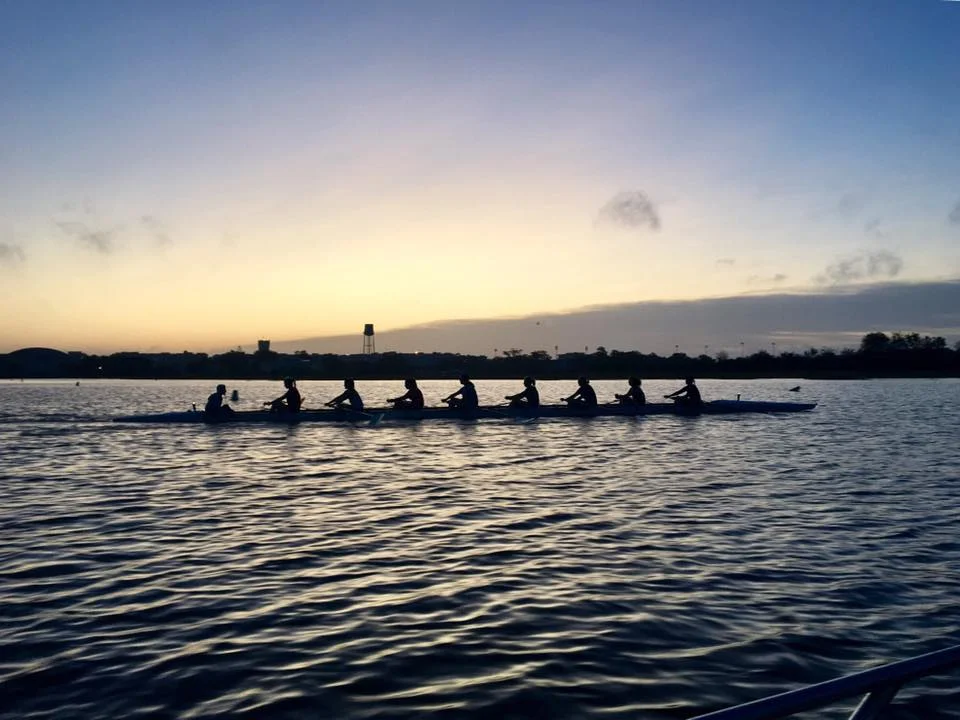
Clemson Sprints Weekend
Coverage and results from the team's trip to Clemson Sprints on Lake Hartwell.
Read More
A non-profit rowing team at the College of Charleston in Charleston, South Carolina.
Spring break gave the College of Charleston Crew Team a chance to trade familiar Charleston waterways for a week of focused training in Tennessee. Away from regular classes and campus routines, rowers built endurance, refined technique and shared the small moments that make a club team feel like a close community.
The photographs from the trip capture early launches, tired smiles, busy docks and the changing colours of a Southern spring. For Australian followers, the journey offers a glimpse of collegiate rowing culture in the United States, where training camps combine serious preparation with plenty of travel, friendship and team spirit.
Training on unfamiliar water demands attention from the first stroke. Tennessee’s rivers offered a different setting from Charleston’s coastal environment, with new banks, currents and sightlines for the crews to read. Each outing became a practical lesson in rhythm, steering and adapting quickly.
The photos show boats moving through quiet morning mist before the day became warmer and brighter. Rowers who are used to Sydney Harbour, the Yarra River in Melbourne or Brisbane’s reach of the Brisbane River will recognise the concentration required when every bend changes the crew’s view and timing.
The team’s days began early, when the water was calm and the air still cool. Crews could complete demanding pieces before breakfast, then return to the dock for recovery, boat care and a review of the session. Training trips create a useful routine because every part of the day supports the next row.
For Australian students, the schedule may feel familiar to anyone who has attended a winter head race or summer regatta camp. The early starts also reflect a common rowing custom: layers at dawn, sunscreen later, and a coffee stop when the boats are safely stored.
Land training filled the spaces between river sessions. Ergs, mobility work, circuits and bodyweight exercises helped rowers maintain power while protecting the movement quality needed on the water. These sessions are demanding, but they also reveal how much progress comes from steady, repeatable effort.
The team’s erg room review gives further context for the indoor side of preparation. For crews comparing training ideas across the Australian university sport market, the same principles apply whether athletes are based in Adelaide, Perth or a smaller regional campus: consistency matters more than flashy equipment.
A training-trip gallery is full of details that may escape notice at first. Oars rest beside the dock, kit dries between sessions, and water bottles gather near the launch area. These small scenes show the practical work that keeps a rowing camp moving from one outing to the next.
Other photographs capture the human side of the trip: teammates laughing after a hard piece, coxswains checking instructions and crews listening during technical feedback. The strongest memories often come between sessions, when athletes have time to share stories and recover together.
Meals became part of the training plan, with hungry rowers refuelling after long sessions and making the most of time around the table. A trip like this depends on simple food, generous portions and reliable snacks that can keep athletes ready for the next row.
Australian readers might compare the atmosphere with a club barbecue after racing, including the informal conversations that continue long after the boats have been washed. Whether the meal is organised by the team or found in a local Tennessee town, eating together helps new members settle in and gives experienced rowers a chance to support them.
The trip welcomed athletes with different levels of experience. More established rowers could help beginners understand the daily routine, while newer members brought energy and curiosity to each session. That mix is central to a collegiate club programme, where improvement is shared rather than left to a single squad.
The photographs also show the value of roles beyond the rowing seat. Coxswains, captains, student officers and coaches all contribute to safe, organised training. Their work becomes especially important when a team is travelling, managing equipment and adapting to a new venue.
The return to Charleston marks the start of the next phase rather than the end of the story. Lessons from Tennessee can shape local water sessions, erg workouts and preparation for upcoming racing. Crews return with clearer goals, stronger connections and a better understanding of what they can achieve together.
The team’s regatta schedule shows how training fits into the wider competitive season. For Australian supporters following from Melbourne, Canberra or the Gold Coast, those dates offer a useful way to track the crew’s progress as spring training becomes racing readiness.
College of Charleston Crew fields competitive eights and fours in both Fall head races and Spring sprint regattas across the Southeast.
Learn MoreRecent news, recaps, and announcements from the team.
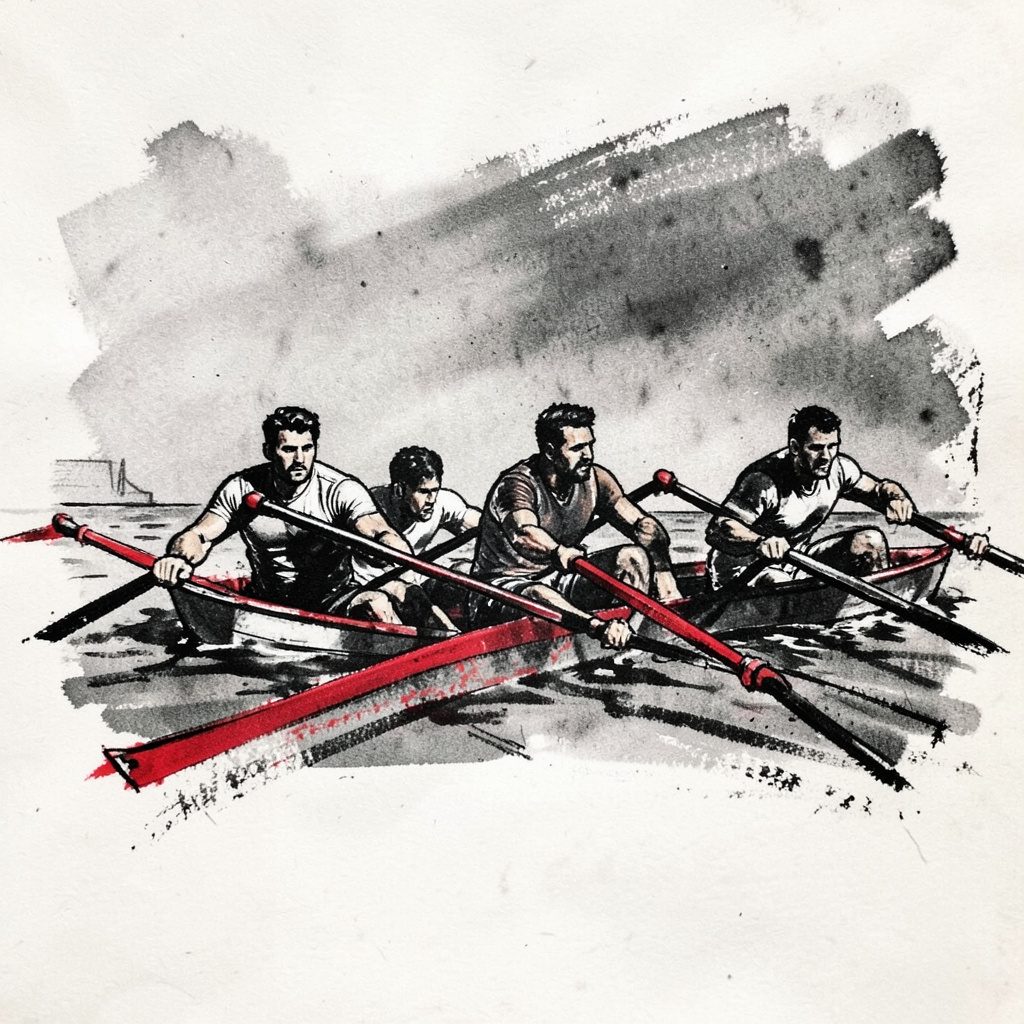
Coverage and results from the team's trip to Clemson Sprints on Lake Hartwell.
Read More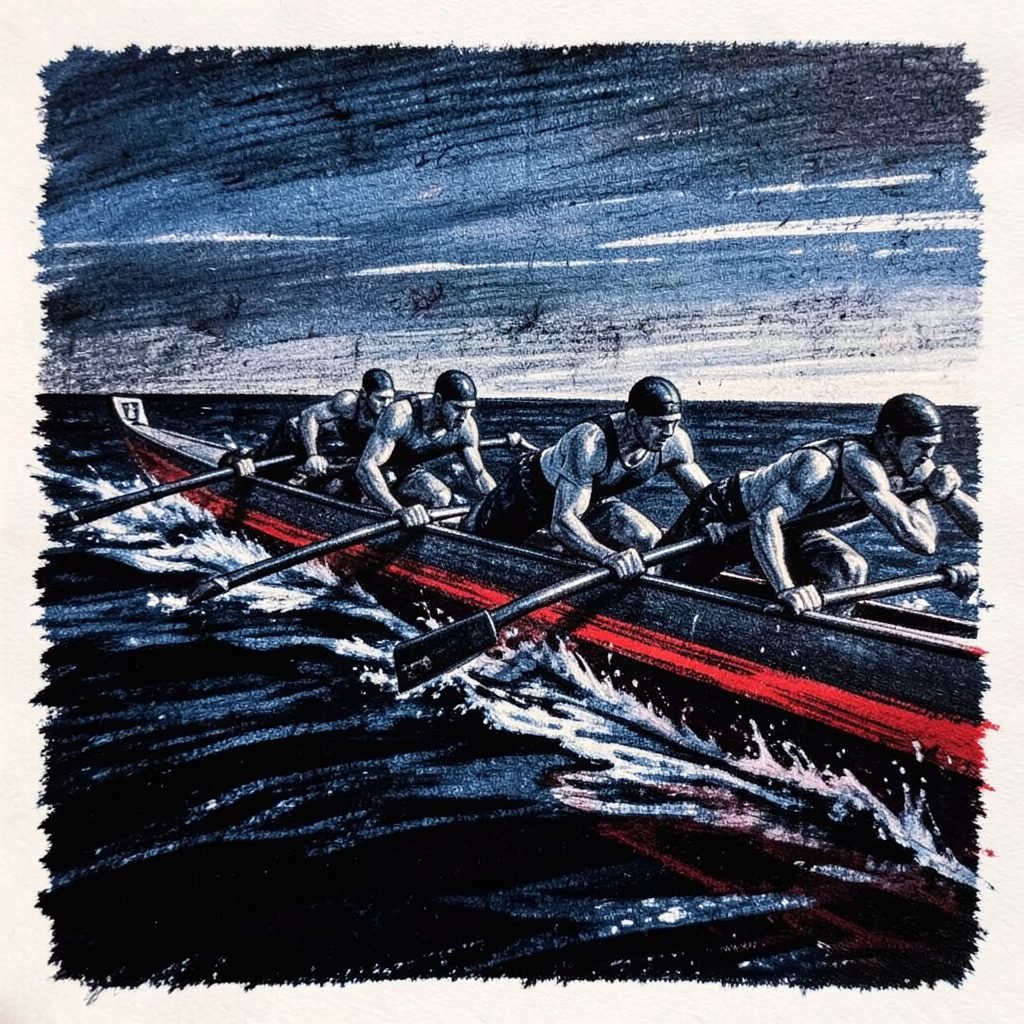
Spring lineup including Clemson Sprints, SIRA, Dad Vail, and ACRA National Championship.
Read More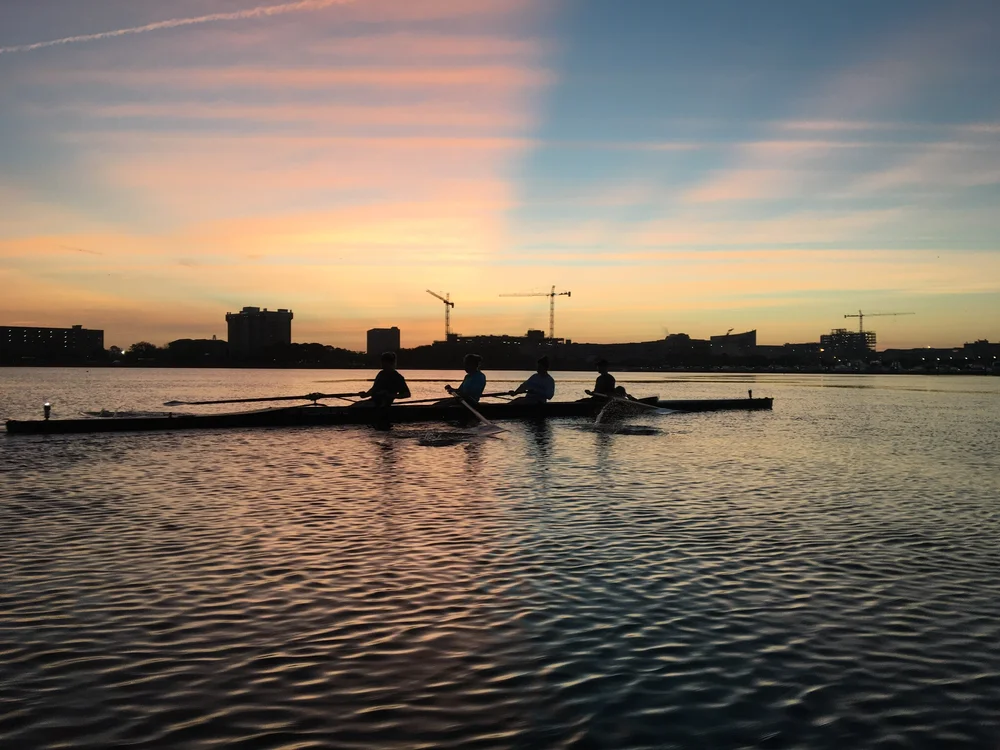
Previews and recap of past Head of the Charles appearances, including the 50th annual regatta in 2014.
Read MoreTeam practice, regatta dates, and meetings are listed on the team calendar. Coaches post weekly schedules and travel details for upcoming race weekends.
Charleston Crew / CCAA
PO Box 12941
Charleston, SC 29422
Email: info@cofccrew.org
Phone: 843.513.5900
Phone: 843.276.4241
Interested in joining the team? Fill out the recruitment form and the coaches will follow up.