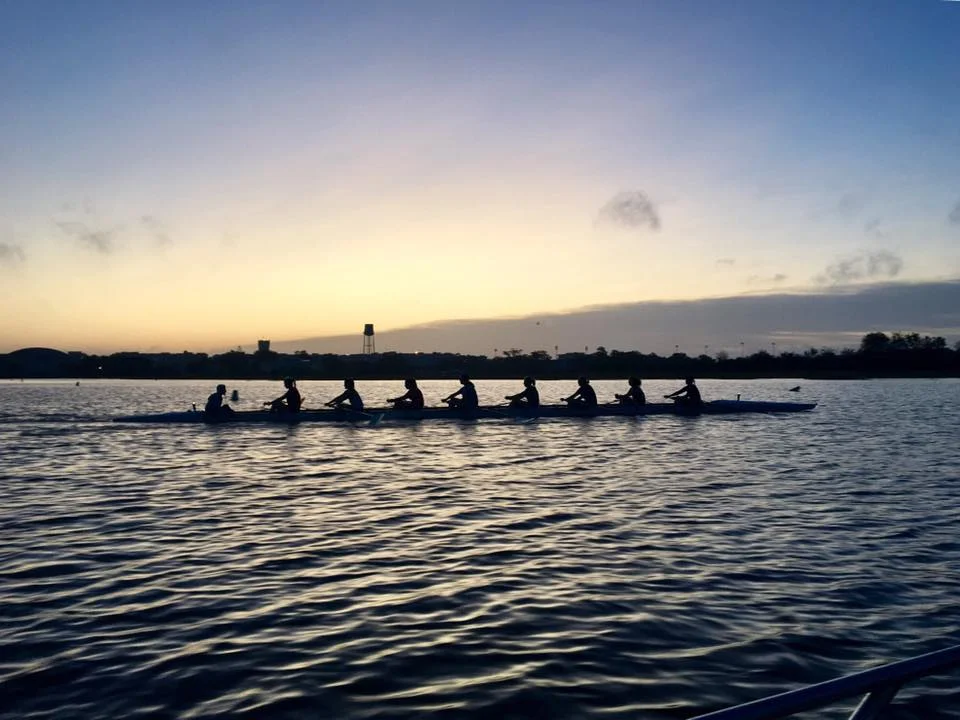
Clemson Sprints Weekend
Coverage and results from the team's trip to Clemson Sprints on Lake Hartwell.
Read More
A non-profit rowing team at the College of Charleston in Charleston, South Carolina.
The final 500 metres of a rowing race compresses an entire crew’s preparation into roughly 90 seconds of controlled urgency. At this point, the field has usually separated, fatigue is limiting power, and every technical error costs more than it did at the start. The winning crew is rarely the one making the biggest movements; it is the one preserving speed while increasing intent.
For Australian spectators familiar with early-morning training on the Yarra in Melbourne, the Nepean near Penrith or the Brisbane River, the sight can look deceptively simple: eight rowers, one coxswain and a straight course. Inside the boat, however, the closing stages involve precise calls, changing rhythm, steering decisions and a constant negotiation between effort and efficiency.
At 500 metres to go, the crew shifts from building a race to spending its remaining reserves. The stroke rate may rise by two or three beats per minute, but the best crews avoid a frantic sprint. A sharper catch, a quicker turn at the finish and a firm connection through the legs can add speed without making the boat bounce.
The coxswain becomes central to this transition. Calls must be short and timed around the rowing cycle: hold the run, lift the rate, sharpen the finishes or attack the next ten strokes. A good coxswain also tracks nearby crews, lane position and water conditions while keeping the athletes focused on an immediate task rather than the finish line far ahead.
Fatigue first appears as technical drift. Knees may open too early, hands can rise unevenly, and the crew may rush forward into the slide. These small faults disturb the hull’s balance and increase drag. In the final quarter, rowers are often instructed to protect length and posture even when their legs feel heavy.
The stern pair may provide the rhythm that holds the crew together, while the middle four supply sustained force and the bow pair keep the boat running cleanly. That division is not absolute, but each seat has a role in maintaining connection. Race photos from the team often reveal how little visible movement separates a composed finish from a costly breakdown.
A final push is tactical rather than automatic. If a rival crew is overlapping, the coxswain may call a controlled response to protect clear water. If the boat is open water ahead, the crew can focus on length and acceleration without reacting to another hull. Wind, stream and bends also matter, particularly on rivers where one side of the course may carry a subtle advantage.
This is familiar to Australian crews racing on changing waterways. A Sydney crew may face crosswinds on Iron Cove, while Brisbane conditions can alter with tide and river traffic. Organisers and competitors must also follow local waterway requirements, including rules under legislation such as New South Wales’ Marine Safety Act 1998 or Queensland’s Transport Operations (Marine Safety) Act 1994. Safety and race strategy remain connected until the line is crossed.
The last 500 metres are a test of shared belief. Rowers cannot rely on individual pacing once exhaustion sets in; they respond to the boat’s rhythm and the coxswain’s confidence. A call such as “ten for the line” works because it creates a defined, countable effort. Ten strokes can feel manageable even when the body is resisting every movement.
That mental structure is useful for athletes joining a collegiate club from different backgrounds. Some may have raced for years, while beginners learn to handle pressure through repetition, ergometer sessions and crew drills. A preview of the team’s racing environment, including its regatta expectations, shows why composure matters as much as raw strength when the finish approaches.
From the bank, watch the gap between the blades and the water. A crew gaining speed usually places the blades cleanly, keeps the boat level and removes them together. Listen for a consistent rhythm rather than simply a louder stroke rate. The decisive crew may appear calmer because its power is travelling through the hull instead of being lost in splash and excess movement.
After the finish, the race is still visible in the athletes’ reactions: hands lowered carefully, breathing controlled and bodies gradually recovering from the final drive. Reviewing a current team roster can also help spectators recognise the roles within a crew and appreciate how many training hours sit behind those final strokes. For Australian viewers accustomed to a post-session coffee and a hot, sun-aware walk back from the river, that exhausted recovery is part of the sport’s ordinary reality.
College of Charleston Crew fields competitive eights and fours in both Fall head races and Spring sprint regattas across the Southeast.
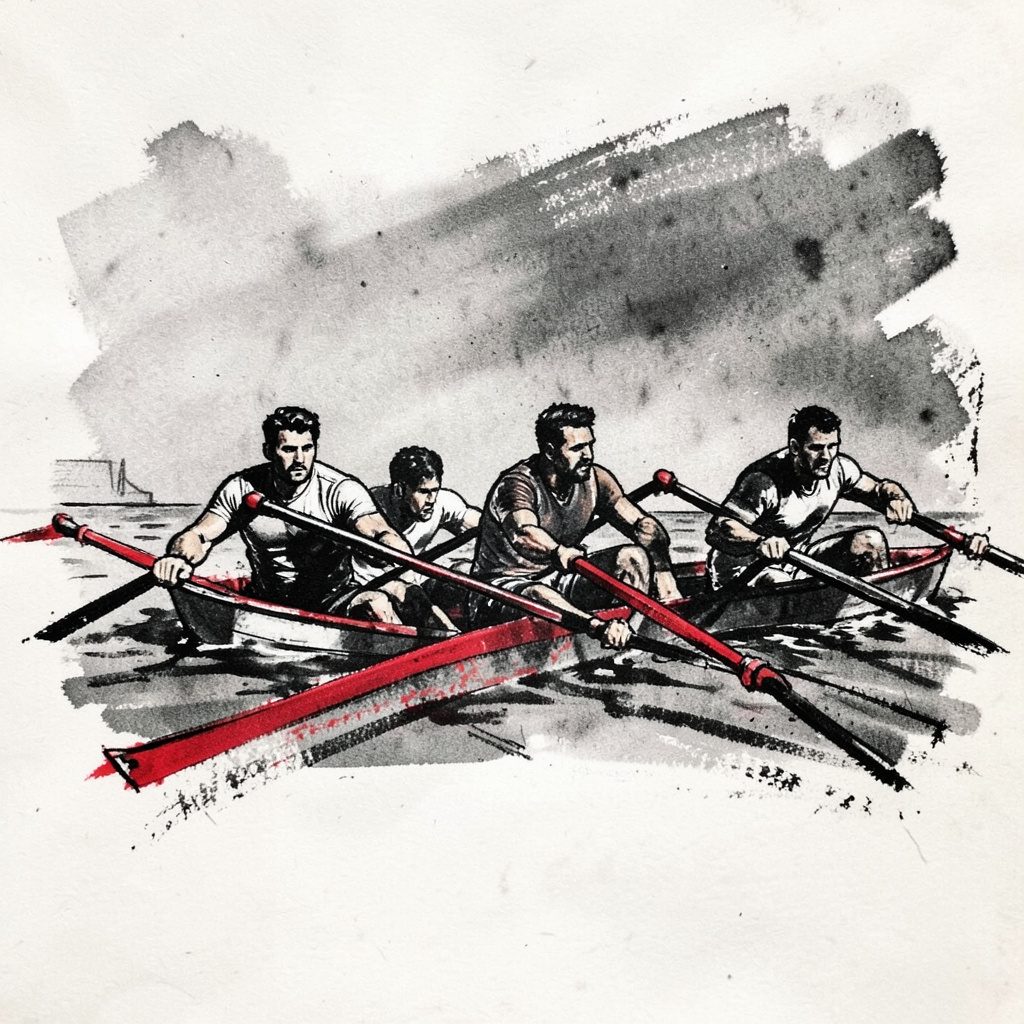
Learn MoreRecent news, recaps, and announcements from the team.
Coverage and results from the team's trip to Clemson Sprints on Lake Hartwell.
Read More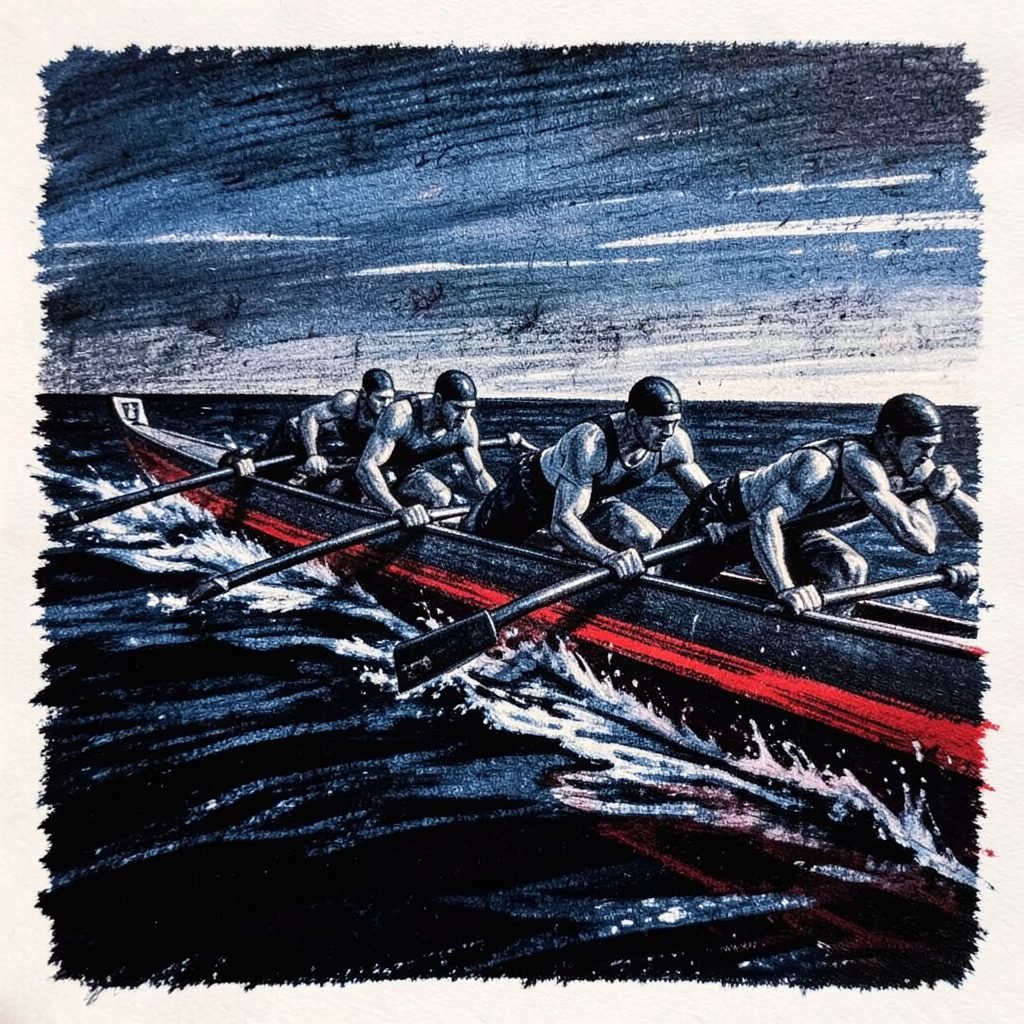
Spring lineup including Clemson Sprints, SIRA, Dad Vail, and ACRA National Championship.
Read More
Previews and recap of past Head of the Charles appearances, including the 50th annual regatta in 2014.
Read MoreTeam practice, regatta dates, and meetings are listed on the team calendar. Coaches post weekly schedules and travel details for upcoming race weekends.
Charleston Crew / CCAA
PO Box 12941
Charleston, SC 29422
Email: info@cofccrew.org
Phone: 843.513.5900
Phone: 843.276.4241
Interested in joining the team? Fill out the recruitment form and the coaches will follow up.