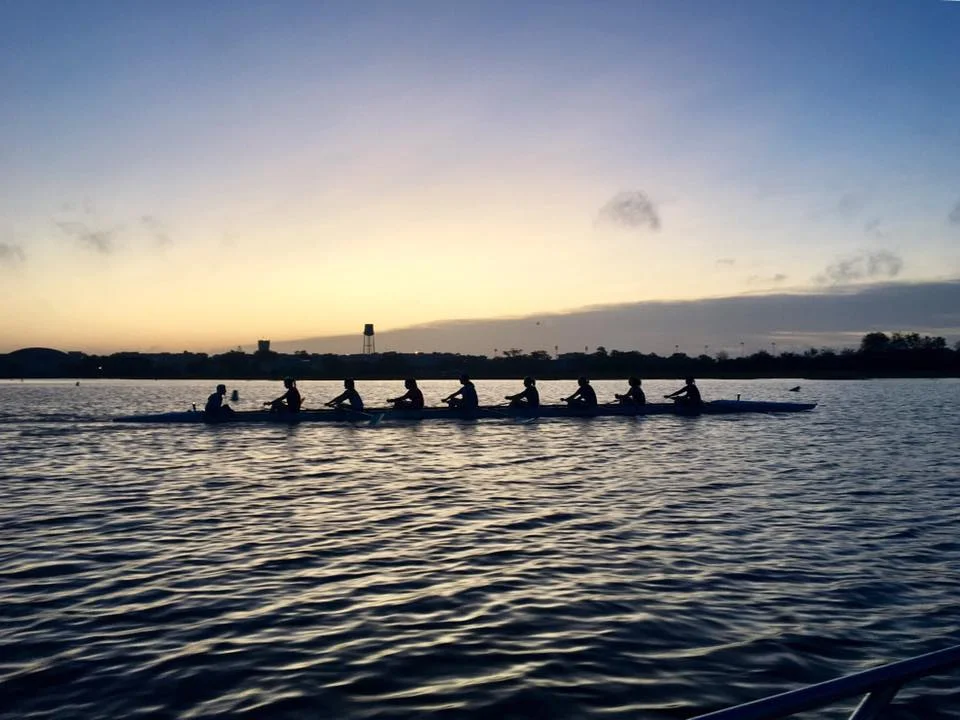
Clemson Sprints Weekend
Coverage and results from the team's trip to Clemson Sprints on Lake Hartwell.
Read More
A non-profit rowing team at the College of Charleston in Charleston, South Carolina.
Rowing brings together rhythmic movement, controlled breathing and shared effort. That combination can support mental health by easing everyday stress, improving mood and creating a reliable sense of progress. It can be practised on the water or indoors on an ergometer, making it accessible across seasons and experience levels.
For Australian students and adults, the appeal is practical. A session on the Yarra River, Brisbane River, Swan River or a local indoor rowing machine can provide a welcome reset after study, work or a long commute. Collegiate crews such as the College of Charleston team also show how beginners can find community while experienced athletes keep developing.
| Rowing element | Possible mental health benefit | Everyday example |
|---|---|---|
| Repeated strokes and breathing | Calmer attention and reduced tension | Focusing on rhythm during a demanding day |
| Moderate aerobic exercise | Better mood and energy | A steady morning or arvo session |
| Crew training | Belonging and social support | Seeing familiar teammates each week |
| Skill development | Confidence and motivation | Learning technique or improving a split |
| Time outdoors | Mental space and sensory relief | Training beside a river at sunrise |
Rowing asks the body to repeat a simple sequence: drive, finish, recovery and reset. Paying attention to that rhythm can interrupt rumination, the cycle of replaying worries without resolving them. Breathing naturally becomes more regular, while the steady movement gives the mind something concrete to follow.
This is similar to a moving form of mindfulness. The goal is not to empty the mind completely, but to notice posture, pressure, timing and breath. A recreational rower does not need race-level intensity to gain that effect; twenty to thirty minutes at a comfortable pace may be enough to create a clear boundary between obligations and personal time.
Aerobic exercise is associated with improved mood, sleep quality and emotional regulation. Rowing uses the legs, hips, back and upper body, so a session can feel physically satisfying without requiring impact-heavy running. Indoor rowing also allows people to control resistance, duration and pace.
A useful approach is to start below maximum effort. Someone returning to exercise after a difficult period might alternate gentle rowing with short rests, then build gradually. Australian heat matters here: early-morning training, shaded facilities and regular hydration are sensible choices in places such as Adelaide, Perth and regional Queensland.
Mental wellbeing is strongly influenced by connection. In a crew boat, every person contributes to timing and balance, which can create a powerful sense of shared purpose. The social contact is structured rather than forced: warm-ups, drills, boat preparation and post-training chats offer natural opportunities to get to know people.
That can be especially valuable for students arriving at a new uni or moving interstate. A beginner may feel awkward at first, yet rowing clubs generally teach technique from the ground up. Training beside others on Sydney Harbour or a quieter local waterway can turn exercise into a regular social anchor.
Rowing provides measurable milestones without making every session a test. Improvements might include learning a cleaner catch, holding better posture, completing a longer piece or feeling less anxious before training. These small wins can strengthen self-efficacy: the belief that deliberate effort can produce change.
The College of Charleston crew model reflects this balance between development and participation. Its team news can give prospective rowers a sense of how training, competition and team life fit together. For Australian readers, the same principle applies whether the goal is a university regatta, a masters event or simply feeling stronger by the end of the month.
A consistent routine often matters more than an occasional heroic workout. Put sessions in the calendar, keep the first few weeks manageable and notice how sleep, concentration and stress respond. A short row still counts when the alternative is staying stuck at a desk or scrolling late into the night.
Useful habits include:
Food can also become part of the social routine. Sharing simple recovery ideas, such as the crew’s smoothie recipes, may make post-practice care feel enjoyable rather than clinical.
Rowing can support mental health, but it is not a substitute for professional care when someone is experiencing persistent depression, severe anxiety, thoughts of self-harm or major disruption to daily life. A GP, psychologist, university counselling service or trusted support line can provide appropriate help. In Australia, people can contact Lifeline on 13 11 14 during a crisis.
Start with coaching on technique, particularly if using an ergometer. Excessive resistance, rushed recovery or repeated high-intensity pieces can create physical strain and make exercise feel punishing. Good coaching, rest days and realistic goals help keep rowing a source of energy, connection and steadiness over time.
College of Charleston Crew fields competitive eights and fours in both Fall head races and Spring sprint regattas across the Southeast.
Learn MoreRecent news, recaps, and announcements from the team.
Coverage and results from the team's trip to Clemson Sprints on Lake Hartwell.
Read More
Spring lineup including Clemson Sprints, SIRA, Dad Vail, and ACRA National Championship.
Read More
Previews and recap of past Head of the Charles appearances, including the 50th annual regatta in 2014.
Read MoreTeam practice, regatta dates, and meetings are listed on the team calendar. Coaches post weekly schedules and travel details for upcoming race weekends.
Charleston Crew / CCAA
PO Box 12941
Charleston, SC 29422
Email: info@cofccrew.org
Phone: 843.513.5900
Phone: 843.276.4241
Interested in joining the team? Fill out the recruitment form and the coaches will follow up.