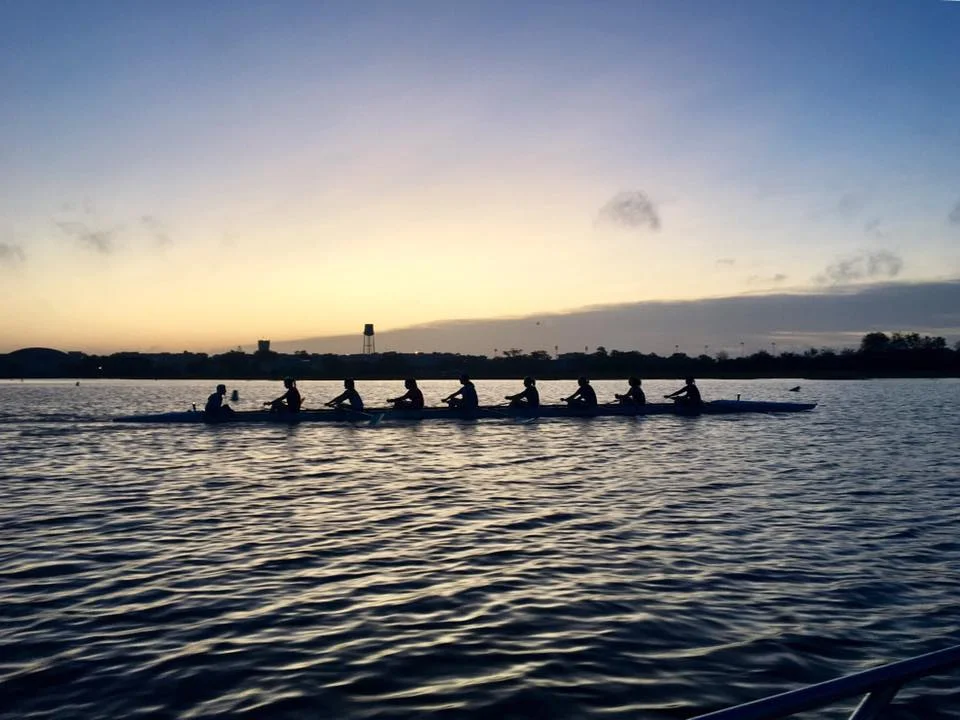
Clemson Sprints Weekend
Coverage and results from the team's trip to Clemson Sprints on Lake Hartwell.
Read More
A non-profit rowing team at the College of Charleston in Charleston, South Carolina.
Charleston suits a crew feast: it moves easily from the Cooper River to a long lunch, with Lowcountry seafood, Southern comfort food and casual pub plates nearby. Finding the best local restaurants for a post-regatta team meal means matching the room to the crew’s energy, budget and recovery needs. Learn more about Schedule.html.
For Australian teams arriving from Sydney, Melbourne, Brisbane or Perth, Charleston’s restaurant market feels different from the café and pub surrounds many rowers know at home. The Southern Hemisphere season also changes the mood: Australian summer may overlap Charleston winter, when terraces remain pleasant but evenings call for a jacket.
College of Charleston rowers may arrive straight from the shell house, tired but hungry, while overseas visitors still have race-day momentum to absorb. Some crews want harbour light; others need fast service, vegetarian choices, easy parking and a bill that can be divided without friction.
The strongest choice is usually one established venue with a committed group booking, rather than several rooms squeezing an oversized crew between them. Reserve ahead, confirm the menu and seating plan, then allow time for the walk, cool-down and stories that make lunch the highlight of regatta weekend.
Start with the full race calendar for College of Charleston Crew events, then ask the team manager which finish time and transport plan are realistic. Regatta breakfasts happen early, so a venue that opens later can turn post-race hunger into poor planning.
Allow 60 to 90 minutes after the finish for changing, rehydrating and decompression. For crews flying from Australia, that buffer absorbs the time difference; a Saturday race may end when Australian teammates regard it as the middle of the night.
Harbour dining works well when the crew wants to mark its result, but sunset tables, noise and parking can complicate a large booking. Downtown rooms often provide a calmer, more predictable base.
Use the waterfront options for a celebratory dinner and the polished downtown rooms when conversation, shared dishes and a guaranteed table matter more. Confirm whether the restaurant can seat the whole crew together.
Charleston’s classic Southern meals favour fried chicken, biscuits, shrimp and grits, pecan pie and sweet tea. Lemira offers a polished alternative with produce-led American plates, while Husk and Milk & Honey suit visitors wanting regional ingredients without a tasting-menu pace.
Australian pub culture often centres on shared plates, although Charleston menus may offer larger individual serves and sides for the table. Ask the kitchen to split a main course before ordering, especially after training, when nobody wants a heavy meal before another event.
Checking latest team updates can reveal announced activities, fundraising plans or changes affecting where and when the crew should gather. A venue near the team’s Charleston base reduces post-race transport friction.
Australian diners often ask to split the bill equally, but Charleston restaurants may issue separate checks, add a shared gratuity or apply an 18–20 per cent service charge. US menu prices exclude sales tax rather than Australian GST, so confirm both policies when booking and appoint one person to settle the bill.
When the priority is speed, familiarity and a modest tab, Charleston’s casual restaurants are useful. These places suit crews arriving in kit and still working out how long everyone will stay in town.
These casual kitchens also help when budgets differ. Keep a reserve for drinks and dessert, and check opening days because several breakfast or lunch spots close for part of the week.
Ask every athlete about allergies before booking, particularly shellfish, peanuts and gluten, and request a menu that can separate shared dishes. Confirm vegetarian options in kitchens where butter, shellfish stock and cross-contact are common.
The Erg Room profile gives a useful glimpse of the club’s land-training environment and why simple, dependable food suits a collegiate crew better than a lengthy tasting menu.
Offer water and carbohydrates first, followed by protein and a slower meal. Rich dishes can feel uncomfortable after hard training, so moderate portions, comfortable chairs and one shared dessert provide a practical finish.
Contact the restaurant with the crew size, date, finish time and budget. Give a 20- to 30-minute schedule buffer, request adjacent tables and ask about deposits, minimum spends or set menus. One coordinator should own every confirmation.
For a harbour celebration, choose The Vendue or Blue Marlin; for Southern classics, Husk or Milk & Honey; for a fast feed, Charleston Crab House, Poogan’s Porch or The Macintosh. The Charleston restaurant suits a formal splurge, while Tacky Harry’s keeps the night relaxed.
Finish with coffee, sweet tea or dessert, then let the crew explore King Street or return to the river. A successful post-regatta meal restores the team, respects the budget and gives Australian visitors a warm final memory of Charleston.
College of Charleston Crew fields competitive eights and fours in both Fall head races and Spring sprint regattas across the Southeast.
Learn MoreRecent news, recaps, and announcements from the team.
Coverage and results from the team's trip to Clemson Sprints on Lake Hartwell.
Read More
Spring lineup including Clemson Sprints, SIRA, Dad Vail, and ACRA National Championship.
Read More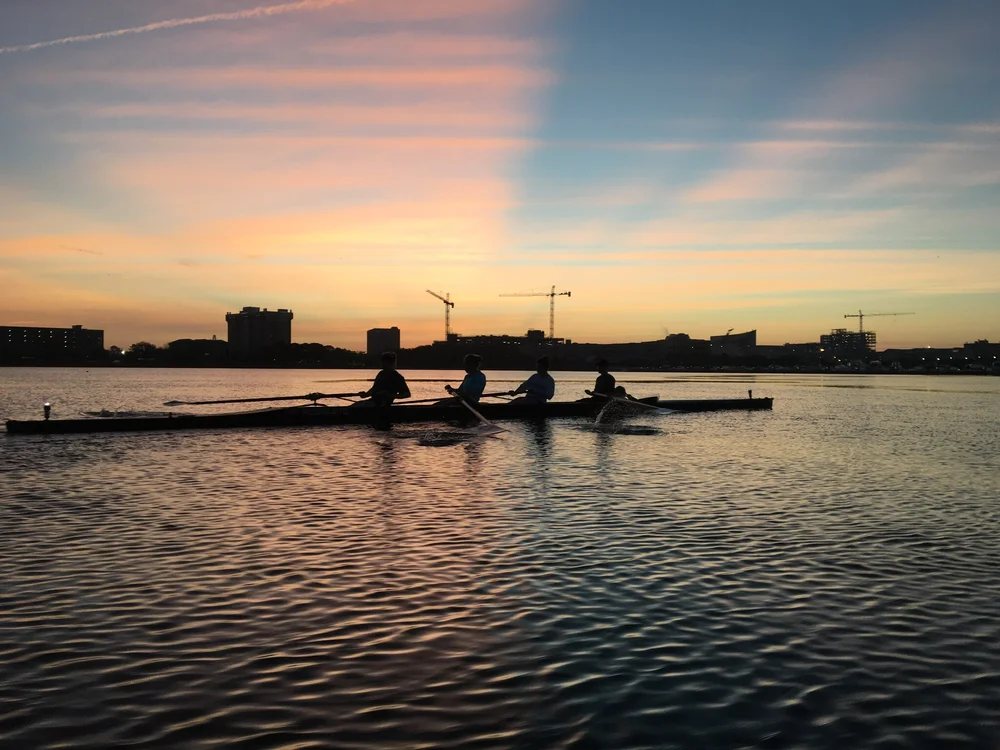
Previews and recap of past Head of the Charles appearances, including the 50th annual regatta in 2014.
Read MoreTeam practice, regatta dates, and meetings are listed on the team calendar. Coaches post weekly schedules and travel details for upcoming race weekends.
Charleston Crew / CCAA
PO Box 12941
Charleston, SC 29422
Email: info@cofccrew.org
Phone: 843.513.5900
Phone: 843.276.4241
Interested in joining the team? Fill out the recruitment form and the coaches will follow up.